How to Cook a Chuck Roast That Will Impress Everyone
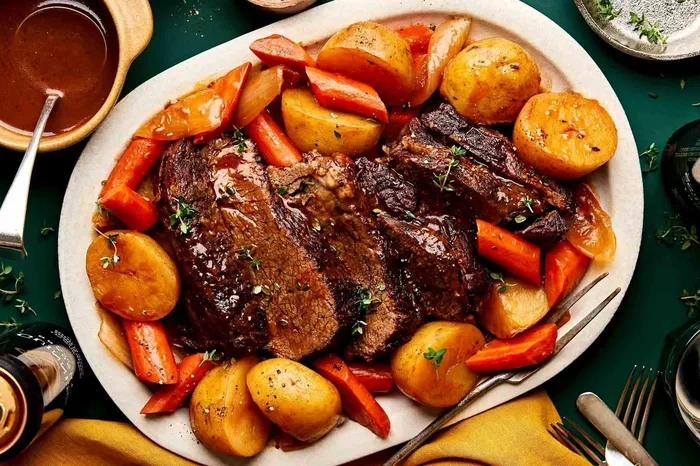
A chuck roast is one of the most affordable and flavorful cuts of beef, perfect for slow cooking, braising, and pot roast recipes. This guide walks you through everything you need to know about selecting, seasoning, and cooking a chuck roast that turns out tender, juicy, and absolutely delicious. Whether you use an oven, slow cooker, or Dutch oven, these tips will help you create a show-stopping meal your family will love.
There is something truly magical about a perfectly cooked chuck roast. It fills your kitchen with an aroma that makes everyone gather around the table. And the best part? A beef chuck roast is one of the most budget-friendly cuts you can buy. Yet it delivers restaurant-quality results right at home.
If you have ever wondered how to turn a tough, inexpensive cut of meat into a tender, fall-apart masterpiece, you are in the right place. This guide covers everything from choosing the right chuck roast beef cut at the store to nailing the perfect chuck roast internal temp. You will also find practical tips, easy recipes, and common mistakes to avoid. By the end, you will feel confident enough to make a chuck roast that will genuinely impress everyone at your table.
Key Takeaways
- Choose the right cut: Look for well-marbled beef chuck roast for the best flavor and tenderness.
- Sear first, then slow cook: Searing locks in juices and adds a rich, deep flavor to your roast.
- Low and slow is the way: Cook at low temperatures for several hours to get a perfectly tender result.
- Use a meat thermometer: The ideal internal temp for chuck roast is 195 to 205 degrees Fahrenheit for shredding.
- Don’t skip the resting step: Letting the roast rest keeps the juices locked inside.
- Leftovers are gold: Leftover chuck roast makes amazing sandwiches, stews, and tacos the next day.
📑 Table of Contents
- What Is a Chuck Roast and Why Is It So Popular?
- How to Choose the Best Chuck Roast at the Store
- Step-by-Step Guide to Cooking a Perfect Chuck Roast
- Best Chuck Roast Recipes and Flavor Variations
- Common Mistakes to Avoid When Cooking Chuck Roast
- How to Store, Reheat, and Repurpose Leftover Chuck Roast
- Conclusion
What Is a Chuck Roast and Why Is It So Popular?
A chuck roast comes from the shoulder area of the cow. This muscle does a lot of work, which means it contains a lot of connective tissue and collagen. When cooked correctly, that collagen breaks down into gelatin. The result? A tender chuck roast that practically melts in your mouth.
Chuck roast is often called a “poor man’s prime rib” for good reason. It costs a fraction of the price but delivers rich, beefy flavor. Many home cooks swear by it for Sunday dinners, holiday meals, and weeknight comfort food. It is also incredibly versatile. You can braise it, slow cook it, or roast it in the oven.
Chuck Roast vs. Other Beef Cuts
How does a chuck roast compare to other popular roasts? A ribeye is more tender but costs much more. A brisket requires longer cooking times and more skill. A round roast can be dry if you are not careful. The chuck roast sits in a sweet spot. It is forgiving, flavorful, and affordable. That is why it is a staple in so many chuck roast recipes across the country.
Braising is the cooking method that works best for this cut. Braising means searing the meat first, then cooking it slowly in liquid. This process breaks down the tough fibers and transforms a hard chunk of meat into something extraordinary.
How to Choose the Best Chuck Roast at the Store
Not all beef chuck roast pieces are created equal. Knowing what to look for at the butcher counter or meat aisle makes a huge difference.
Look for Good Marbling
Marbling refers to the thin white streaks of fat running through the meat. More marbling means more flavor and more tenderness. When you are shopping for a chuck roast, choose a piece that has a nice even distribution of fat throughout. Avoid roasts that look too lean. A lean chuck roast can turn dry and tough during cooking.
Check the Size and Shape
A good chuck roast for a family of four to six people should weigh between three and five pounds. It should be fairly uniform in shape so it cooks evenly. If you see a chuck eye roast or a chuck roll roast, those are also great options. They come from the same general area and have similar cooking properties.
Fresh vs. Frozen
Fresh is always preferred, but frozen chuck roast works fine too. If you buy frozen, make sure to thaw it properly in the refrigerator for 24 to 48 hours before cooking. Never thaw meat at room temperature. That invites bacteria to grow and can ruin your meal before you even start.
Step-by-Step Guide to Cooking a Perfect Chuck Roast
Cooking a chuck roast does not require fancy techniques or expensive equipment. It requires patience and a little know-how. Here is a clear, step-by-step approach that works every time.
Step 1: Season the Roast Generously
Start by patting the chuck roast dry with paper towels. Dry meat sears better. Then season all sides generously with salt, black pepper, garlic powder, and smoked paprika. You can also add onion powder, cumin, or dried herbs like thyme and rosemary. The chuck roast seasoning is what builds the flavor foundation, so do not be shy.
Step 2: Sear the Meat on All Sides
Preheat a Dutch oven or heavy oven-safe pot over medium-high heat. Add a high smoke-point oil like canola or avocado oil. Once the oil is hot, place the chuck roast inside. Sear each side for about three to four minutes until you get a deep, golden-brown crust. That crust is called the Maillard reaction, and it adds incredible depth of flavor to your pot roast.
Step 3: Add Aromatics and Liquid
After searing, remove the roast and set it aside. In the same pot, add chopped onions, carrots, celery, and minced garlic. Sauté for a few minutes until they soften. Then pour in beef broth, red wine, or a combination of both. Scrape up any browned bits stuck to the bottom of the pot. Those bits are packed with flavor.
Step 4: Cook Low and Slow
Return the chuck roast to the pot. Cover it with a lid and place it in the oven. The ideal chuck roast oven temperature is 300 to 325 degrees Fahrenheit. For a three- to four-pound roast, plan on about four to five hours of cooking time. The chuck roast cooking time can vary based on the size of the roast and your equipment.
If you prefer a slow cooker chuck roast, set it on low for eight to ten hours. A crock pot chuck roast is a great option for busy days. Just make sure the liquid comes about two-thirds of the way up the roast. You do not want to submerge it completely.
Step 5: Check the Internal Temperature
This is the most important step. Use a meat thermometer to check the chuck roast temperature in the thickest part. For a roast you want to slice, aim for 145 to 160 degrees Fahrenheit. For a roast you want to shred, push it to 195 to 205 degrees Fahrenheit. That higher temperature allows the collagen to fully break down, giving you that tender chuck roast texture everyone loves.
Step 6: Let It Rest Before Serving
Once the chuck roast reaches the right temperature, remove it from the pot and let it rest for at least fifteen to twenty minutes. This allows the juices to redistribute throughout the meat. If you cut into it too soon, the juices will run out and the roast will be drier.
Quick Tips for the Best Results
- Use a Dutch oven for oven-based cooking. The heavy lid traps moisture and heat.
- Do not skip the searing step. It adds a layer of flavor you cannot get any other way.
- Use a meat thermometer. Guessing leads to overcooked or undercooked meat.
- Let the roast rest. Patience here pays off big time.
- Save the cooking liquid. It makes an amazing chuck roast gravy base.
Best Chuck Roast Recipes and Flavor Variations
The beauty of a chuck roast recipe is that you can customize it endlessly. Here are some popular flavor variations to try.
Classic Red Wine Braised Chuck Roast
This is the traditional French-style approach. Sear the roast, then braise it in red wine, beef broth, onions, carrots, and herbs. The wine adds a rich, complex flavor that pairs beautifully with the beef. Serve it with mashed potatoes or egg noodles to soak up the sauce.
Asian-Inspired Slow Cooker Chuck Roast
For something different, try a slow cooker chuck roast with soy sauce, ginger, brown sugar, and rice vinegar. Add sliced mushrooms and scallions in the last hour of cooking. Serve it over steamed rice or noodles for a flavorful chuck roast beef stew twist.
BBQ Chuck Roast
Add barbecue sauce, brown sugar, and a splash of apple cider vinegar to your braising liquid. After cooking, shred the chuck roast and serve it on buns with coleslaw for incredible pulled beef sandwiches. This is one of the most popular chuck roast variations for gatherings and game-day meals.
Common Mistakes to Avoid When Cooking Chuck Roast
Even experienced cooks make mistakes with chuck roast. Knowing what to avoid saves you from a tough, dry, or bland result.
Cooking It at Too High a Temperature
This is the number one mistake people make. High heat causes the muscle fibers in a chuck roast to contract tightly, squeezing out all the moisture. The result is a tough, chewy beef chuck roast. Always cook low and slow. Patience is your best friend here.
Not Browning the Meat
Some people skip the searing step to save time. Do not do this. That golden-brown crust adds a depth of flavor that makes or breaks your pot roast. Take the extra ten minutes to sear properly. Your taste buds will thank you.
Using Too Little Liquid
A chuck roast needs enough liquid to create steam and braise the meat. If the pot dries out, the roast will dry out too. Keep an eye on the liquid level during cooking. Add more broth or water if needed.
Cutting Into It Too Soon
Resist the urge to peek or cut into the roast early. The resting period is essential. Cutting too soon releases all those hard-earned juices onto the cutting board instead of staying in the meat.
Ignoring the Meat Thermometer
Without a meat thermometer, you are just guessing. The chuck roast internal temp tells you exactly when the roast is done. Invest in a good instant-read thermometer. It is one of the cheapest and most useful tools in any kitchen.
How to Store, Reheat, and Repurpose Leftover Chuck Roast
A chuck roast makes excellent leftovers. In fact, many people agree that the second day is even better because the flavors have had time to meld together.
Storing Leftover Chuck Roast
Let the roast cool to room temperature, then store it in an airtight container in the refrigerator. Properly stored chuck roast leftovers will keep for three to four days. You can also freeze cooked chuck roast for up to three months. Wrap it tightly in plastic wrap and foil, or store it in a heavy-duty freezer bag.
Reheating Without Drying It Out
The best way to reheat a chuck roast is in its cooking juices. Place the meat in a pot, add some of the broth or gravy, cover, and heat on low. You can also reheat individual slices in a covered skillet with a splash of beef broth. Avoid microwaving if possible, as it tends to dry out the meat unevenly.
Creative Ways to Use Leftover Chuck Roast
Do not let those chuck roast leftovers go to waste. Here are some delicious ideas:
- Chuck roast sandwiches: Shred the meat, pile it on a bun, and add your favorite toppings.
- Beef stew: Chop the leftover roast and add it to a pot with potatoes, carrots, and broth.
- Tacos or burritos: Season the shredded meat with taco spices and serve in tortillas.
- Beef hash: Dice the roast and fry it with onions and eggs for a hearty breakfast.
- Pasta sauce: Shred the meat and toss it into your favorite pasta with marinara sauce.
Conclusion
Cooking a chuck roast that impresses everyone is easier than you might think. The secret lies in choosing a well-marbled cut, seasoning it well, searing it properly, and giving it plenty of time to cook low and slow. Whether you use an oven, a Dutch oven, or a slow cooker chuck roast method, the principles remain the same. Patience, low heat, and proper temperature control are your keys to success.
Now that you know how to select, prepare, and cook a chuck roast like a pro, it is time to put your skills to the test. Try one of the recipes above, pay attention to the chuck roast internal temp, and enjoy the process. A perfectly cooked chuck roast is more than just a meal. It is an experience that brings people together around the table. So go ahead, grab a beef chuck roast from the store, and make something truly memorable today.
Frequently Asked Questions
How long does it take to cook a chuck roast?
A chuck roast typically takes four to six hours in the oven at 300 to 325 degrees Fahrenheit. In a slow cooker, it takes eight to ten hours on low. The exact chuck roast cooking time depends on the size of the roast and the cooking method you use.
What is the best internal temperature for a chuck roast?
For slicing, aim for 145 to 160 degrees Fahrenheit. For shredding, cook the chuck roast to 195 to 205 degrees Fahrenheit. That higher temperature allows the collagen to break down fully, giving you a tender chuck roast that falls apart easily.
Can I cook a chuck roast in a slow cooker?
Absolutely. A slow cooker chuck roast is one of the most popular ways to prepare this cut. Just place the seasoned roast in the crockpot with your liquid and aromatics, and cook on low for eight to ten hours. It is hands-off and incredibly easy.
Why is my chuck roast tough?
A tough chuck roast usually means it was cooked at too high a temperature or for too short a time. The connective tissue needs time and gentle heat to break down into gelatin. Always cook low and slow, and use a meat thermometer to make sure you reach the right chuck roast temperature.
What is the difference between a chuck roast and a pot roast?
The terms are often used interchangeably. A pot roast generally refers to the cooking method, while a chuck roast refers to the specific cut of beef. However, a chuck roast is the most commonly used cut for making a classic pot roast because of its flavor and affordability.
Can I freeze a cooked chuck roast?
Yes, you can freeze chuck roast leftovers for up to three months. Wrap the roast tightly in plastic wrap and foil, or store it in a freezer-safe bag. Thaw it in the refrigerator overnight before reheating for the best results.