How to Open a Pomegranate Without Getting Juicy Everywhere
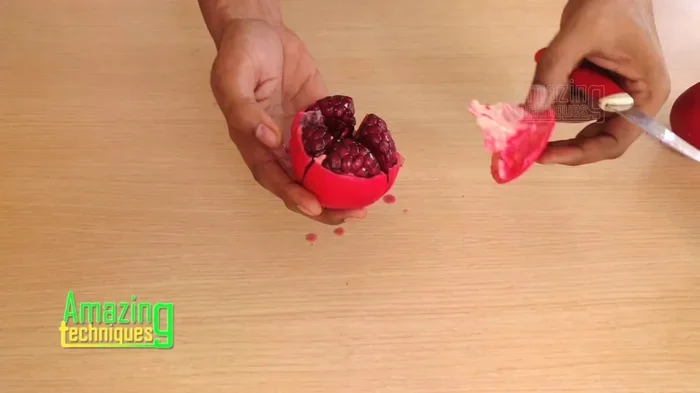
Opening a pomegranate doesn’t have to be a sticky, juicy disaster. With the right technique, you can quickly separate the ruby seeds from the membrane and enjoy this superfood in minutes.
Key Takeaways
- Score the fruit first: Cutting shallow scores into the rind makes it much easier to pry the pomegranate apart cleanly.
- Use water to your advantage: Submerging the fruit in a bowl of water prevents splatter and keeps your kitchen clean.
- Pick the right fruit: A heavy, firm pomegranate with a deep crimson color gives you the best flavor and juiciest arils.
- Store properly: Fresh arils stay good in the fridge for up to five days, or freeze them for months of use.
- Avoid common mistakes: Prying too hard or cutting too deep can crush seeds and create unnecessary mess.
- Unlock the nutrition: Pomegranate arils are packed with antioxidants, fiber, and vitamin C for a powerful health boost.
📑 Table of Contents
- How to Open a Pomegranate Without the Mess
- Choosing the Best Pomegranate
- Tools You Will Need
- Step-by-Step Guide: How to Open a Pomegranate
- Alternative Methods for Opening a Pomegranate
- Storing Your Pomegranate Seeds
- Health Benefits of Pomegranate Arils
- Common Mistakes to Avoid
- Creative Ways to Use Pomegranate Seeds
- Expert Tips for the Best Experience
- Conclusion
How to Open a Pomegranate Without the Mess
Few fruits spark as much debate as the pomegranate. People either love the tangy crunch of its jeweled seeds or have never tried one because they heard it was too messy to open.
Here is the truth. Opening a pomegranate is surprisingly simple once you know the right method. The trick is to work slowly, use a few handy kitchen tools, and let a little water do the heavy lifting.
This guide walks you through everything. You will learn how to pick a ripe fruit, score it properly, separate the pomegranate seeds from the white pith, and clean up in seconds. By the end, you will never fear this gorgeous fruit again.
Why Opening a Pomegranate the Right Way Matters
The pomegranate has a thick, leathery rind that protects hundreds of tiny, juice-filled arils. If you just rip it open, the contents spray everywhere. Sticky juice lands on your clothes, your counter, and your cutting board.
But when you use a controlled method, the arils pop free cleanly. You keep every precious seed, you avoid waste, and your kitchen stays spotless. Plus, handling the fruit correctly keeps the delicate seeds intact so they taste their best.
Choosing the Best Pomegranate
Before you learn how to open a pomegranate, you need to pick a good one. A fruit that feels light or has cracks in the skin will give you a disappointing harvest.
What to Look For
Use these quick checks when shopping for fresh pomegranates:
- Weight: Pick the heaviest fruit in the bunch. Heaviness means plenty of juice-filled arils inside.
- Color: A deep crimson or ruby-red skin signals ripeness. Avoid fruits that still look mostly pink or pale.
- Skin: The rind should feel firm and smooth, with no soft spots or cracks.
- Shape: A slightly rounded, bulbous shape usually means the fruit is full of seeds.
Many shoppers also look for a few natural hairline cracks on the skin. These often indicate a very ripe fruit that is ready to eat right away. Just make sure the cracks are superficial and the fruit does not feel mushy.
When to Buy
Pomegranate harvest season typically runs from September through February in the Northern Hemisphere. Buying during these months gives you the sweetest, most flavorful fruit. Out-of-season pomegranates often taste flat and dry.
Tools You Will Need
One of the best things about this method is that you probably already own everything you need. Here is a short checklist before you start.
- A sharp knife: A paring knife or chef knife works perfectly for scoring the skin.
- A large bowl: Use a big mixing bowl filled with cool water. The water catches any escaped juice and keeps stains away.
- A cutting board: This protects your counter from knife slips and juice stains.
- A towel or paper towels: Keep these nearby for quick cleanup.
- A wooden spoon or spatula (optional): This helps gently pry the fruit apart without crushing seeds.
Make sure your knife is sharp. A dull knife requires extra force, which increases the chance of slipping or smashing the fruit. A sharp blade glides through the thick rind with very little pressure.
Step-by-Step Guide: How to Open a Pomegranate
Now for the main event. Follow these steps carefully, and you will end up with a bowl full of beautiful, intact arils and almost no mess.
Step 1: Wash and Dry the Fruit
Rinse the pomegranate under cool running water. Gently rub the skin with your fingers to remove any dust or residue. Pat it dry with a towel before moving to the next step.
Step 2: Score the Rind
Place the fruit on your cutting board. Look for the natural ridges or sections on the skin. These lines show you where the fruit divides internally.
Using your knife, make shallow scores along each ridge. Cut about half an inch deep, just through the outer rind. Do not cut deep into the fruit. You want to break the skin without damaging the seeds inside.
Most pomegranates have five to six sections, so plan for that many cuts. A flower-shaped pattern on top works well as a starting point.
Step 3: Pry the Fruit Apart
Once scored, the fruit should easily separate along the cut lines. Place your thumbs into the scored sections and gently pull apart. Go slowly. If the fruit resists, look for any hidden ridges you missed and score them lightly.
You should now have several wedges or “petals” of pomegranate, each covered in seeds on the inside. If a few seeds fall out during this step, do not worry. That is what the water bowl is for.
Step 4: Submerge in Water
This is the secret weapon of the entire process. Drop the pomegranate wedges into your bowl of cool water.
The water does three important things:
- Prevents splatter: Any juice that escapes simply floats harmlessly in the bowl.
- Separates seeds from pith: The seeds sink to the bottom because they are denser. The white pith and membrane float to the top.
- Protects the arils: Water cushions the seeds so they do not burst or stain your hands.
Step 5: Remove the Seeds
Working one wedge at a time, gently pry the seeds away from the membrane using your fingers or a wooden spoon. The seeds drop easily into the water. The white pith pieces float around the surface.
Skim off the floating pith and membrane as you go. You can also use a slotted spoon to scoop the pith off the top of the water once you finish. The beautiful red arils sit at the bottom, ready to collect.
Step 6: Drain and Rinse
Pour the seeds through a fine mesh strainer. Give them a quick rinse under cool water to remove any remaining bits of pith. Spread them on a paper towel to pat dry, and they are ready to use.
That is genuinely it. The whole process takes about five to ten minutes once you have the technique down. The water method keeps your hands clean, your clothes stain-free, and your kitchen looking pristine.
Alternative Methods for Opening a Pomegranate
The water method works wonderfully, but it is not the only way. Some people prefer different approaches depending on how they plan to use the fruit.
The Cutting Board Knock Method
This technique works well if you want seeds quickly for cooking or juicing. Score the top of the fruit, then hold it over a bowl cut-side down. Firmly tap the bottom of the fruit with a wooden spoon. The seeds fall out in a steady stream while the membrane stays inside.
This method produces a few broken seeds, but it is significantly faster. It works best when you plan to blend the arils or cook them into a sauce where broken seeds do not matter.
The Rolling Method
Some home cooks roll the pomegranate firmly on a counter with their palm pressed against it. The pressure loosens the seeds from the membrane. Then they cut the fruit open and pop the seeds out. This technique takes a bit of practice but can feel satisfying once you get the hang of it.
Method Comparison
Here is a quick look at how these approaches compare:
| Method | Speed | Cleanliness | Seed Condition | Best For |
|---|---|---|---|---|
| Water method | Moderate | Excellent | Excellent | Fresh snacking, garnishing |
| Knock method | Fast | Good | Fair | Cooking, juicing |
| Rolling method | Moderate | Moderate | Good | Experienced users |
For beginners, the water method remains the top recommendation. It teaches you to handle the fruit gently and gives you the cleanest results. Once you feel confident, you can experiment with the faster approaches for everyday use.
Storing Your Pomegranate Seeds
Fresh pomegranate arils stay good in the refrigerator for three to five days when stored in an airtight container. Keep them in the coldest part of your fridge, usually the back of the bottom shelf.
For longer storage, freeze them. Spread dry arils in a single layer on a baking sheet and freeze until solid. Then transfer them to a freezer bag. Frozen seeds keep for up to six months and work perfectly in smoothies, baked goods, or sauces. They lose their fresh crunch but keep their tangy flavor.
Never store whole pomegranates in the refrigerator for more than a month. At room temperature, a whole fruit lasts about one week. Whole fruits keep longer than separated seeds because the thick rind protects the arils inside.
Health Benefits of Pomegranate Arils
Understanding how to open a pomegranate pays off because these ruby seeds deliver serious nutrition. People have valued pomegranates for thousands of years as both food and medicine.
Antioxidant Powerhouse
Pomegranate seeds contain punicalagin, a type of antioxidant that research links to reduced inflammation. They also provide anthocyanins and ellagic acid, compounds that help fight oxidative stress in the body.
Vitamins and Minerals
A single cup of arils provides a solid dose of vitamin C, folate, and potassium. The seeds also offer dietary fiber, which supports digestion and helps maintain steady energy levels throughout the day.
Heart and Joint Support
Studies suggest that regular pomegranate consumption may support healthy blood pressure and joint comfort. The fruit’s anti-inflammatory properties make it a popular choice among health-conscious eaters looking for a natural boost.
Adding fresh arils to your meals is one of the easiest ways to enjoy these benefits. Toss them into salads, yogurt, oatmeal, or stir-fries for a burst of color and nutrition.
Common Mistakes to Avoid
Even with a great method, beginners sometimes trip up. Watch out for these frequent pitfalls when learning how to open a pomegranate.
- Cutting too deep: A deep knife cut damages seeds and releases juice immediately. Keep your scores shallow and controlled.
- Skipping the water: Trying to remove seeds without water creates splatter and stains. The water method is genuinely worth the extra bowl.
- Rushing the prying step: Forcing the fruit apart crushes sections and wastes juice. Gentle pressure always works better.
- Ignoring soft spots: A soft or hollow-feeling fruit likely has dried-out seeds. Choose a heavier fruit for the best results.
- Using a dull knife: Dull blades slip on the thick rind and increase injury risk. Sharpen your knife before you start.
Avoiding these simple errors makes the process smoother and more enjoyable. Soon you will handle pomegranates like a pro without even thinking about it.
Creative Ways to Use Pomegranate Seeds
Once you master the opening technique, you will want to use your arils constantly. Their sweet-tart flavor and crunchy texture pair with surprisingly many dishes.
Salads and Bowls
Scatter pomegranate seeds over a spinach salad, a grain bowl, or a mixed greens plate. They add color, crunch, and a tangy pop that balances rich ingredients like cheese, nuts, and avocado.
Smoothies and Drinks
Blend frozen arils into smoothies, or press them through a strainer for fresh pomegranate juice. The seeds also make a beautiful garnish for cocktails, sparkling water, and mocktails.
Baked Goods and Desserts
Fold seeds into muffin batter, swirl them into yogurt parfaits, or sprinkle them over ice cream. They add a jeweled look and a burst of fresh flavor to virtually any dessert.
Savory Dishes
Pomegranate seeds shine in Middle Eastern and Mediterranean recipes. Try them in tabbouleh, over roasted lamb, or stirred into couscous. A pomegranate molasses made from reduced juice also makes an incredible glaze for chicken and fish.
Expert Tips for the Best Experience
Here are a few bonus tips that experienced cooks swear by:
- Wear an apron: Even with water, stray juice can stain light clothing. A simple apron saves headaches.
- Work over the sink: Set your bowl inside the sink to catch any splashes during the prying step.
- Use a white bowl: A light-colored bowl makes it easier to spot floating pith and remove it completely.
- Taste one seed first: Before committing to a full recipe, pop one aril in your mouth. Sometimes a fruit tastes slightly different than expected, and one seed helps you adjust your plans.
- Save the peel: Dried pomegranate rind makes a lovely addition to homemade potpourri or tea blends. Do not waste the whole fruit.
These small habits build confidence and help you get the most from every fruit you open.
Conclusion
Learning how to open a pomegranate without creating a mess is a skill worth having. The water method makes the process clean, quick, and surprisingly satisfying. You harvest perfect seeds, avoid stains, and end up with a bowl full of nutrition-packed arils ready to enjoy.
Start with a heavy, deeply colored fruit, score it carefully, and let the water do most of the work. Once you see how easy it is, you will open pomegranates all season long. Add those ruby seeds to your favorite dishes, sip them in smoothies, or simply snack on them straight from the bowl. This jeweled fruit deserves a place in your kitchen, and now you have everything you need to make that happen.
Frequently Asked Questions
Can I open a pomegranate without using water?
Yes, you can. The knock method works well if you tap scored wedges over a bowl with a wooden spoon. However, the water method gives you cleaner hands and less splatter overall.
How do I store opened pomegranate seeds?
Keep fresh arils in an airtight container in the refrigerator for up to five days. For longer storage, freeze them on a baking sheet first, then transfer to a freezer bag where they last up to six months.
What is the white part inside a pomegranate?
That is the pith, a spongy white membrane that surrounds the seeds. It tastes bitter and is usually discarded. The water method makes it easy to separate pith from arils since the pith floats.
Are pomegranate seeds safe to eat?
Yes, pomegranate arils are completely safe and highly nutritious. They provide fiber, antioxidants, and vitamin C. Most people eat them whole, though some prefer to spit out the small seed inside each aril.
How can I tell if a pomegranate is ripe?
A ripe pomegranate feels heavy for its size, has deep red or crimson skin, and sounds slightly metallic when tapped. Avoid fruits with soft spots or cracks that feel mushy underneath.
Can I use a blender to remove pomegranate seeds?
Some people gently pulse pomegranate wedges in a blender with a little water, then strain the mixture. This works but risks crushing some seeds. The manual water method still produces the best results overall.