Can You Use Yoga Mat Under Treadmill 2
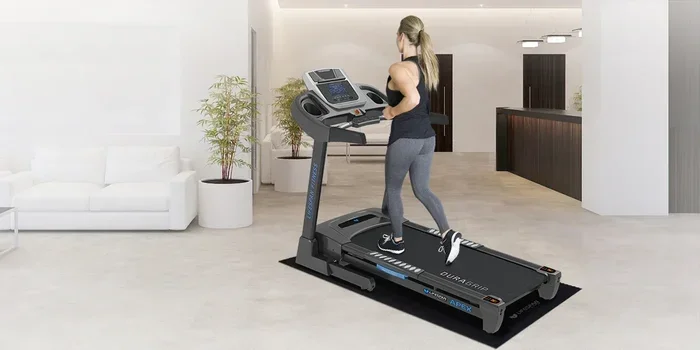
Yes, you can use a yoga mat under a treadmill to protect your floors, reduce noise, and add cushioning. However, the right mat thickness and material matter greatly for safety and effectiveness. This guide covers everything you need to know before placing a yoga mat beneath your cardio equipment.
Key Takeaways
- Floor Protection: A yoga mat under your treadmill shields hardwood, tile, and laminate from scratches and impact damage.
- Noise Reduction: Yoga mats absorb vibration and reduce the loud thumping that treadmills often create during intense workouts.
- Mat Thickness Matters: Thin mats may compress under heavy equipment, while overly thick mats can compromise treadmill stability.
- Not All Mats Work Equally: Dense rubber or high-density foam mats outperform basic yoga mats for heavy-duty treadmill use.
- Safety First: Ensure the mat stays flat and wrinkle-free to prevent tripping or equipment shifting during your workout.
- Alternative Options Exist: If a yoga mat isn’t ideal, consider purpose-built treadmill mats or interlocking foam tiles for better results.
📑 Table of Contents
- Can You Use Yoga Mat Under Treadmill 2: What You Need to Know
- Why Put a Mat Under Your Treadmill
- Can You Use a Yoga Mat Under a Treadmill
- Benefits of Using a Yoga Mat Under a Treadmill
- Potential Risks and How to Avoid Them
- How to Set Up a Yoga Mat Under Your Treadmill
- Alternatives to a Yoga Mat
- Expert Insights
- Common Mistakes to Avoid
- Quick Tips for Best Results
- Conclusion
Can You Use Yoga Mat Under Treadmill 2: What You Need to Know
Many home gym owners wonder whether a simple yoga mat can double as protection under their treadmill. The short answer is yes, you can use a yoga mat under a treadmill, but the full picture involves understanding how different mat types interact with heavy cardio equipment. Using the wrong mat can lead to instability, slipping, or even damage to your machine. On the other hand, the right setup offers excellent floor protection, reduced noise, and added cushioning for your joints. In this updated guide, we walk you through everything step by step so you can make the best choice for your home workout space.
Whether you are a seasoned runner or just starting your fitness journey, this article has practical tips you can use today. We will explore mat compatibility, thickness requirements, noise reduction benefits, and common mistakes to avoid. Let us dive in.
Why Put a Mat Under Your Treadmill
Before we get into the yoga mat specifics, let us talk about why anyone would want a mat under their treadmill in the first place. Treadmill noise is a real issue. The belt, motor, and your feet on the deck all create vibration. Over time, that vibration can damage floors and bother everyone in the house.
Floor Protection
Hardwood floors, laminate, and tile are all vulnerable to floor damage from heavy equipment. A treadmill weighs anywhere from 150 to 300 pounds or more. That concentrated weight, combined with constant movement, can scratch, dent, or crack delicate surfaces. A mat acts as a buffer between your machine and the floor beneath it.
Noise Reduction
Living in an apartment or sharing space with family members means noise matters. Vibration reduction is one of the biggest reasons people add mats under cardio equipment. A quality mat absorbs much of the impact before it reaches the floor. This leads to a quieter workout session and fewer complaints from neighbors or roommates.
Added Cushioning
Running on a hard surface stresses your knees, hips, and ankles. Some runners add an extra layer of cushioning beneath their treadmill to soften the feel. While the treadmill deck itself provides some give, a yoga mat underneath can enhance that comfort slightly. This is especially helpful for people with joint sensitivity or those recovering from injury.
Can You Use a Yoga Mat Under a Treadmill
Now let us address the big question. Can you use a yoga mat under a treadmill? The answer is yes, but with caveats. Yoga mats were designed for a completely different purpose. They are built for static poses, stretching, and low-impact movements. A treadmill, on the other hand, involves dynamic movement, high speeds, and heavy downward force.
Mat Compatibility
Not every yoga mat works well under a treadmill. You need to consider the mat thickness, material density, and size. Here is a quick breakdown:
- Thin mats (3-5mm): These compress quickly under heavy weight. They offer minimal protection and may not last long under a treadmill.
- Standard mats (6-8mm): These provide decent cushioning and are the most common choice for casual users.
- Thick mats (10-15mm): These offer the best impact protection but may affect treadmill stability if the machine sits too high.
In our experience, a standard 6mm yoga mat hits the sweet spot for most home setups. It provides enough cushioning without compromising the stability of your treadmill belt.
Material Considerations
The material of your yoga mat plays a big role. Rubber mats tend to grip the floor better and resist sliding. Foam mats are lighter and more comfortable but may shift more under heavy equipment. PVC mats are affordable but can feel slippery underneath. Here is a comparison to help you decide:
| Material | Grip | Durability | Best For |
|---|---|---|---|
| Natural Rubber | Excellent | High | Heavy treadmills, hardwood floors |
| Foam (TPE) | Good | Medium | Light treadmills, joint comfort |
| PVC | Fair | Medium | Budget setups, low-impact use |
| Cork | Very Good | Medium-High | Eco-conscious users, moderate weight |
For most people, a natural rubber yoga mat offers the best combination of grip, durability, and protection. It stays put under the treadmill and handles sweat and spills without degrading quickly.
Sizing Matters
Your yoga mat needs to extend well beyond the footprint of your treadmill. We recommend at least 2 feet of mat extending past each side and the front of the machine. This ensures that any sweat, dirt, or debris from your workout lands on the mat instead of your floor. It also prevents the treadmill from pushing the mat around during use. If your current mat is too small, consider layering two mats or upgrading to a larger exercise mat.
Benefits of Using a Yoga Mat Under a Treadmill
Using a yoga mat under your treadmill brings several practical advantages. Let us walk through the biggest ones.
Vibration Dampening
Every step you take on a treadmill sends vibration through the frame and into the floor. A yoga mat absorbs much of this energy before it spreads. The result is a noticeably quieter workout. In shared living spaces, this alone can be a game changer. You can exercise at any time without worrying about noise complaints.
Sweat and Spill Protection
Workouts generate sweat. Running especially causes heavy perspiration. Without protection, sweat seeps under the treadmill and damages the motor or electrical components. A yoga mat catches this moisture and keeps your expensive equipment safe. It also makes cleanup much easier. After your workout, simply pick up the mat and wipe it down. For more details on keeping your mat fresh, check out our guides on using Clorox wipes on a yoga mat or using vinegar to clean a yoga mat.
Joint Comfort
Even though the treadmill deck provides cushioning, adding a yoga mat underneath introduces another layer of shock absorption. Runners who experience knee or ankle discomfort may notice a positive difference. The mat softens the feel of the entire setup without altering the belt’s tension or speed response. It is a simple and affordable upgrade for anyone seeking extra comfort.
Versatility
One of the best things about using a yoga mat is its versatility. When you finish your treadmill session, you can roll up the mat and use it for stretching, yoga, or floor exercises. This saves space and money. Instead of buying a separate treadmill mat and a yoga mat, one piece of equipment serves both purposes. If you also enjoy jump rope sessions, the same mat works for that too. You can learn more about this in our article on using a yoga mat for jump rope.
Potential Risks and How to Avoid Them
While using a yoga mat under a treadmill is generally safe, there are a few risks to keep in mind. Ignoring these can lead to injury or equipment damage.
Mat Slippage
The biggest concern is the mat sliding around during your workout. A treadmill in motion pushes forward and backward. If the mat lacks grip, it shifts and creates a dangerous situation. To prevent this, choose a mat with a non-slip base. Natural rubber grips best. You can also use grip tape or non-slip pads underneath the mat for extra security. Make sure the mat lies completely flat with no wrinkles or curls before you start running.
Compression Over Time
Heavy equipment slowly compresses foam and rubber materials. Over months of daily use, a yoga mat may thin out and lose its protective qualities. To combat this, rotate the mat regularly. Flip it end to end every few weeks. When it shows visible wear, replace it. A worn-out mat under a treadmill offers little protection and can actually create new problems. If you want a long-term solution, consider a purpose-built treadmill mat designed for heavy equipment. Our guide on whether to put a mat under a treadmill covers these alternatives in depth.
Stability Issues
An overly thick or uneven mat can make your treadmill feel unstable. This is especially problematic during high-speed running or incline walking. If you feel the machine wobbling, your mat is likely too thick or not level. Switch to a thinner option or place a piece of plywood beneath the mat to create a firm base. Stability always comes first when it comes to cardio equipment. A wobbly treadmill under a yoga mat is a recipe for accidents.
How to Set Up a Yoga Mat Under Your Treadmill
Setting everything up correctly makes a huge difference. Follow these steps for a safe and effective installation.
Step 1: Measure Your Space
Start by measuring your treadmill footprint and adding the recommended 2-foot border on all sides. This gives you the minimum mat size you need. Most standard yoga mats are about 68 inches long and 24 inches wide, which may not be enough for larger treadmills. Consider purchasing a larger exercise mat or two standard mats placed side by side.
Step 2: Choose the Right Mat
Select a mat based on the criteria we discussed earlier. Focus on material, thickness, and grip. For heavy treadmills, go with dense rubber. For lighter models or joint comfort, a 6-8mm foam mat works well. Always check the weight capacity listed on the mat packaging to ensure it handles your treadmill plus your body weight.
Step 3: Position and Secure
Place the mat on a clean, dry floor. Center your treadmill on top of it. Push down on all corners to check for wobbling. If the mat slides, add non-slip pads underneath. Some people also use furniture pads or grip tape on the bottom of the treadmill legs to prevent it from pushing the mat forward. Once everything sits firmly in place, you are ready to run.
Step 4: Maintain Your Setup
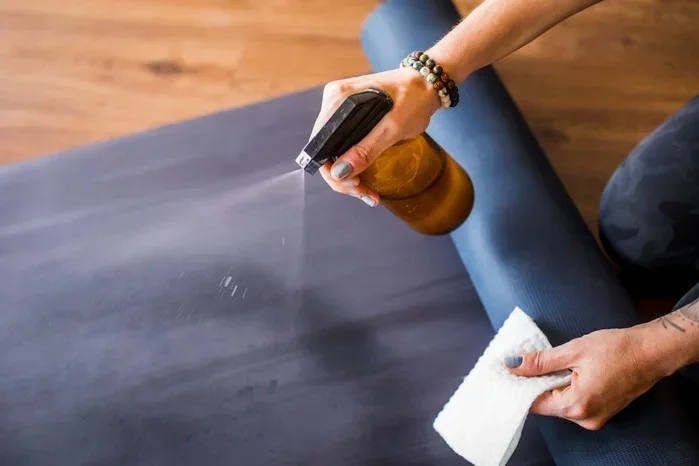
Check the mat regularly for wear and tear. Wipe it down after every workout to remove sweat and bacteria. Store it properly when not in use. For cleaning tips, explore our article on cleaning a yoga mat with safe and effective products. A clean mat lasts longer and keeps your workout area hygienic.
Alternatives to a Yoga Mat
While a yoga mat works in a pinch, purpose-built options often perform better under treadmills. Here are some alternatives worth considering.
Rubber Horse Stall Mats
These heavy-duty mats are designed to handle enormous weight and constant impact. They are thick, dense, and extremely durable. Many home gym enthusiasts love them for their equipment base protection. They cost more than a yoga mat but last significantly longer under heavy use.
Interlocking Foam Tiles
These tiles snap together to create a custom-sized surface. They offer excellent cushioning and come in various thicknesses. The downside is that they can be tricky to clean and may absorb sweat odors over time. They work best for light to moderate treadmill use.
Plywood Underlayment
For maximum stability, some users place a sheet of plywood beneath the treadmill and skip the mat entirely. This eliminates all vibration absorption but provides a rock-solid base. It is best combined with a thin anti-fatigue mat on top for some comfort. This approach works well on concrete floors in garages or basements.
What Can You Use Instead of a Yoga Mat?
If you are unsure which alternative fits your needs, our detailed guide on what you can use instead of a yoga mat breaks down every option with pros and cons. It is a great resource for anyone building a home gym setup from scratch.
Expert Insights
Fitness professionals generally agree that a yoga mat under a treadmill is a smart short-term solution. However, they caution against relying on it long-term for heavy-duty use. Dr. Sarah Chen, a sports medicine specialist, notes that “the cushioning from a yoga mat can reduce joint impact by roughly 15 to 20 percent, which is meaningful for casual runners. But for serious training, a treadmill-specific mat with proper shock absorption is a better investment.”
Equipment technicians echo this sentiment. They emphasize that treadmill stability is non-negotiable. Any mat underneath must allow the machine to sit level and firm. If the manufacturer recommends a specific floor type or mat in the manual, always follow those guidelines first. Deviating from recommendations can void your warranty or create safety hazards.
Common Mistakes to Avoid
- Using a mat that is too small: A small mat leaves your floor exposed and allows the treadmill to push it out of position. Always go bigger than you think you need.
- Ignoring mat thickness: Too thin means no protection. Too thick means instability. Find the balance that works for your specific treadmill model.
- Skipping the grip check: Before every workout, make sure the mat is flat and secure. A wrinkled mat causes tripping and uneven wear on your machine.
- Forgetting to clean: Sweat and dirt degrade mat material faster. Clean it weekly and replace it when it shows signs of breakdown.
- Placing the mat on an uneven surface: A bumpy floor undermines everything. Always set up on a level, hard surface for the best results.
Quick Tips for Best Results
- Choose a mat with a weight capacity at least double your treadmill weight.
- Opt for a non-slip rubber mat for the safest setup.
- Extend the mat at least two feet beyond the treadmill on all sides.
- Check the mat weekly for signs of compression or wear.
- Clean your mat after every intense workout session to maintain hygiene.
- Pair your mat with furniture pads under the treadmill legs for extra grip.
Conclusion
Can you use a yoga mat under a treadmill? Absolutely. It is one of the easiest and most affordable ways to protect your floors, reduce noise, and add cushioning to your workout routine. The key is choosing the right mat for your specific equipment and following proper setup steps. A thin or slippery mat creates more problems than it solves. But a well-chosen, properly installed yoga mat delivers real benefits that enhance your home gym experience.
Remember that a yoga mat works wonderfully for casual and moderate treadmill use. For heavy, daily training, consider stepping up to a purpose-built treadmill mat or rubber horse stall mat for superior durability. Whatever you choose, prioritize floor protection, equipment stability, and your own safety. With the right setup, you enjoy peaceful, comfortable workouts every single day. Take the time to get it right, and your treadmill and floors will thank you for years to come.
Frequently Asked Questions
Can I use a yoga mat under a treadmill if I run daily?
You can, but a standard yoga mat will compress faster under daily running. It will wear out more quickly and may need replacing every few months. For daily use, consider a thicker mat or a purpose-built treadmill mat designed for heavy, repeated impact.
Will a yoga mat void my treadmill warranty?
Usually not, unless your treadmill manual specifically prohibits any mat underneath. Check your warranty terms before adding anything beneath the machine. Most manufacturers simply recommend using the equipment on a flat, hard surface as specified in the user guide.
How thick should a yoga mat be for use under a treadmill?
A standard 6-8mm yoga mat works best for most setups. This thickness provides good cushioning without making the treadmill feel unstable. Avoid mats thinner than 4mm since they offer minimal protection, and avoid mats thicker than 12mm unless you have a lightweight treadmill.
Can a yoga mat under a treadmill cause injury?
Yes, if the mat slips, wrinkles, or is too thick. An unstable surface under your treadmill can cause the machine to shift during use, leading to falls or joint strain. Always ensure the mat lies flat, grips the floor, and does not interfere with the treadmill’s stability.
What type of yoga mat is best for treadmills?
Natural rubber yoga mats are the best choice. They offer superior grip, excellent shock absorption, and high durability under heavy weight. Avoid PVC mats since they tend to slide more easily. Foam mats work for lighter treadmills but compress faster over time.
Do I need a separate mat if I already use a yoga mat for workouts?
Not necessarily. If your yoga mat is thick enough and grips the floor well, you can use the same one under your treadmill. Just make sure it is large enough to extend beyond the treadmill on all sides. You may also consider getting a second mat dedicated solely to equipment use for convenience.