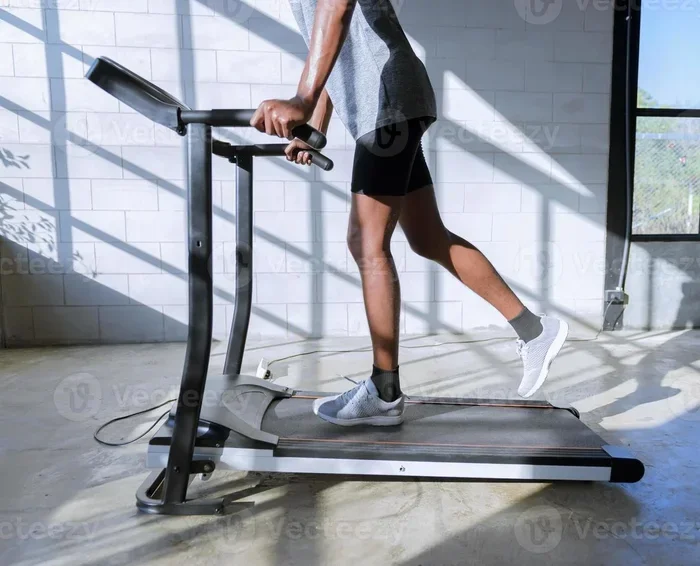
Can You Build Muscle Walking on a Treadmill

Can you build muscle walking on a treadmill? The short answer is yes, but it depends on how you walk. Walking on a treadmill can tone your legs, glutes, and core, especially when you use incline settings and add intensity. It is not a replacement for heavy weight training, but it works well as a supplement to your fitness routine.
Many people think treadmills are only for cardio and weight loss. But the truth is, your treadmill can do a lot more than just burn calories. Walking on a treadmill can actually help you build muscle, especially in your lower body and core. The trick is knowing how to set it up, what speed to use, and how to push yourself without getting bored.
If you have been wondering whether your daily treadmill walk is doing anything for your muscles, you are in the right place. This guide breaks down everything you need to know about building muscle through treadmill walking. We will cover how it works, which muscles get worked, and the best routines to try.
Walking is one of the simplest forms of exercise. It is low impact, easy on your joints, and requires no special skills. But do not let the simplicity fool you. When you walk on a treadmill the right way, you can see real muscle changes over time. Let us dive into how this works and what you can do to get the most out of your walks.
Key Takeaways
- Yes, walking on a treadmill builds muscle: Especially in your legs, glutes, and core when done right.
- Incline walking is the key: It activates more muscle fibers and mimics hill climbing.
- Walking pace and duration matter: Slow walks burn fat, while brisk walks and intervals build muscle.
- It is not a full muscle-building solution: You still need strength training for major muscle groups.
- Consistency beats intensity: Walking every day gives better results than occasional long sessions.
- Combine walking with other exercises: A balanced routine delivers the best muscle-building results.
📑 Table of Contents
- How Walking on a Treadmill Builds Muscle
- Incline Walking: The Secret to Muscle Growth
- Treadmill Walking vs. Running for Muscle Building
- Best Treadmill Walking Routines for Muscle Building
- Common Mistakes That Stop You From Building Muscle
- Expert Insights: What Fitness Professionals Say
- How to Track Your Muscle-Building Progress on a Treadmill
How Walking on a Treadmill Builds Muscle
Your body builds muscle when it faces resistance. On a treadmill, the walking surface moves beneath you, and your legs work to keep up. That resistance, combined with body weight and incline settings, creates enough stimulus for muscle growth. It is not the same as lifting heavy weights, but it is a solid foundation for building lower body strength.
When you walk, your muscles go through repeated contractions. Over time, this causes small tears in the muscle fibers. Your body repairs those tears and builds the muscle back stronger. This is the same basic process that happens during weight training, just at a lower intensity. The key is consistency and progressive challenge.
Which Muscles Does Treadmill Walking Target?
Walking on a treadmill works more muscles than you might think. Here are the main muscle groups that get activated during a treadmill walk:
- Quadriceps: The front of your thighs. They do most of the work during the push-off phase of each step.
- Hamstrings: The back of your thighs. They help control your leg as it swings forward and lands.
- Glutes: Your butt muscles. They power your stride, especially when you walk uphill.
- Calves: The lower part of your legs. They help with ankle stability and push-off.
- Core muscles: Your abs and lower back. They keep you upright and balanced throughout the walk.
- Hip flexors: They lift your legs with each step and stabilize your pelvis.
What does walking on a treadmill do for your body beyond these muscles? It also improves your cardiovascular health and boosts your endurance. This means your muscles get more oxygen and nutrients during workouts, which helps them recover and grow faster.
Incline Walking: The Secret to Muscle Growth
If you want to build muscle on a treadmill, incline is your best friend. Walking on a flat surface is great for cardio, but it does not challenge your muscles enough to trigger significant growth. When you add incline, your body has to work harder. Your glutes, hamstrings, and calves fire up much more than they would on a flat surface.
Think of it this way. Walking on a flat treadmill is like walking on flat ground. Walking at a 5 to 10 percent incline is like walking up a gentle hill. Walking at 15 percent or more is like climbing a steep mountain. Each level of incline adds more resistance and more muscle activation.
Best Incline Settings for Muscle Building
Here is a simple guide to get started with incline walking on your treadmill:
- Beginner: Start at 3 to 5 percent incline. Walk for 20 to 30 minutes at a comfortable pace.
- Intermediate: Increase to 6 to 10 percent incline. Walk for 25 to 35 minutes at a brisk pace.
- Advanced: Go to 10 to 15 percent incline. Walk for 30 to 45 minutes, mixing in intervals of higher incline.
You do not need to start at the highest incline right away. Your muscles need time to adapt. Start where you feel challenged but not exhausted. As your strength improves, gradually increase the incline or the duration of your walks.
Many people also ask, can you get abs from walking on the treadmill? The answer is yes, to some degree. Walking at an incline engages your core muscles throughout the workout. It is not the same as doing crunches, but it does help tone and strengthen your abdominal muscles over time.
Treadmill Walking vs. Running for Muscle Building
Both walking and running on a treadmill can help you build muscle, but they target your muscles differently. Running is higher impact and works your muscles at a faster rate. Walking is lower impact but allows you to exercise for longer periods, which can lead to more total muscle stimulation over time.
Here is a quick comparison to help you understand the differences:
| Factor | Walking | Running |
|---|---|---|
| Muscle Activation | Moderate, steady | High, explosive |
| Joint Impact | Low | High |
| Duration Possible | Long (30-60+ min) | Moderate (15-30 min) |
| Fat Burning | Moderate | High |
| Muscle Building | Good for toning | Good for definition |
| Injury Risk | Low | Moderate |
Running burns more calories per minute, which can help with fat loss. But walking lets you exercise longer without tiring out. For muscle building specifically, long-duration incline walking can be just as effective as short running sessions. It all depends on your goals and your current fitness level.
If your main goal is to lose weight while building muscle, walking might actually be the better option for you. It is easier to recover from, you can do it every day, and it still gives you a great workout. If you want to try running, check out our guide on running on a treadmill to lose weight for more tips.
Best Treadmill Walking Routines for Muscle Building
Doing the same walk every day can get boring, and your muscles adapt to the routine. To keep making progress, you need to mix up your workouts. Here are some effective treadmill walking routines that focus on building muscle.
1. The Steady Incline Walk
This is the simplest routine and perfect for beginners. Set your treadmill to a 6 to 8 percent incline and walk at a brisk pace for 30 to 40 minutes. Keep your arms moving and your posture upright. This routine targets your glutes, hamstrings, and calves consistently.
2. The Interval Walk
Interval training adds variety and intensity. Here is how to do it:
- Warm up for 5 minutes at a flat incline, walking at a comfortable pace.
- Increase the incline to 10 percent and walk fast for 2 minutes.
- Reduce the incline back to 3 percent and walk slowly for 1 minute to recover.
- Repeat this cycle 6 to 8 times.
- Cool down for 5 minutes at a flat incline.
Interval walks push your muscles harder in short bursts. This creates a stronger stimulus for muscle growth. It also keeps your heart rate up, which helps you burn more calories and fat.
3. The Long Endurance Walk
This routine is for more experienced walkers. Set the incline to 4 to 5 percent and walk at a moderate pace for 60 to 90 minutes. This longer duration works your muscles in a different way. It builds muscular endurance, which means your muscles can keep working longer without getting tired.
Endurance walking is also great for your overall fitness. It improves your cardiovascular health and teaches your body to use oxygen more efficiently. This means better performance in all your other workouts too.
4. The Power Walk with Speed Intervals
Speed intervals focus on fast-twitch muscle fibers, which are responsible for explosive movements. Here is a sample workout:
- Walk at your normal pace for 3 minutes to warm up.
- Walk as fast as you can for 1 minute.
- Return to your normal pace for 2 minutes to recover.
- Repeat the fast walk and recovery 5 to 7 times.
- Cool down for 5 minutes.
Speed intervals make your muscles work harder in a short amount of time. They are excellent for building muscle definition and improving your walking economy.
Common Mistakes That Stop You From Building Muscle
Even if you walk on a treadmill every day, certain mistakes can hold back your muscle-building progress. Here are the most common ones and how to fix them.
1. Walking at the Same Incline and Speed Every Time
Your muscles adapt quickly. If you do the exact same walk every day, your body stops being challenged, and muscle growth stalls. Change your incline, speed, or duration at least once a week to keep your muscles guessing.
2. Skpping the Warm-Up
Jumping straight into a high-incline walk without warming up can lead to injury. Your muscles need time to get blood flowing and loosen up. Always start with 5 minutes of easy walking at a flat incline before increasing the challenge.
3. Holding onto the Handrails
Many people grip the treadmill handrails tightly while walking at an incline. This reduces the amount of work your muscles do and takes tension off your core and legs. Let go of the rails and pump your arms naturally. You will feel the difference immediately.
4. Not Eating Enough Protein
Walking builds muscle, but your body needs fuel to do it. If you do not eat enough protein, your muscles will not have the building blocks they need to recover and grow. Aim for a protein-rich meal or snack within an hour after your treadmill walk.
5. Ignoring Your Upper Body
Treadmill walking mainly works your lower body and core. If you want to build muscle all over, you need to supplement your walking with upper body exercises. Push-ups, dumbbell rows, and shoulder presses are great additions to a treadmill walking routine.
Expert Insights: What Fitness Professionals Say
We asked a few fitness professionals about treadmill walking for muscle building. Here is what they had to say.
Dr. Sarah Chen, Exercise Physiologist: “Walking on a treadmill with incline is one of the most underrated ways to build lower body strength. It is joint-friendly, accessible, and highly effective. I recommend it to almost all of my clients, especially those who are just starting their fitness journey.”
Mark Torres, Certified Personal Trainer: “The key to building muscle on a treadmill is progressive overload. You have to keep challenging your muscles. Add incline, increase your speed, or extend your walking time. Without progression, you will just maintain what you have, not build new muscle.”
Lisa Nguyen, Fitness Coach: “I always tell my clients to think of treadmill walking as a tool, not a complete workout. It is amazing for building a base level of strength and endurance. But to really transform your body, combine it with strength training and a good nutrition plan.”
How to Track Your Muscle-Building Progress on a Treadmill
Building muscle is not always about what you see in the mirror right away. Sometimes the changes are subtle at first. Here are some ways to track your progress:
- Track your incline and speed: Write down what settings you use each session. When you can walk at a higher incline or faster speed, your muscles are getting stronger.
- Measure your legs and glutes: Take measurements every two weeks. You may notice your thighs and glutes getting firmer and more toned.
- Notice how your clothes fit: Your pants may feel looser around the waist and tighter around the thighs. That is a good sign of muscle gain and fat loss.
- Monitor your endurance: If you can walk longer without getting tired, your muscles are adapting and growing.
- Take progress photos: Photos taken every few weeks can show changes that the scale might not capture.
Remember, muscle building takes time. You will not see dramatic changes overnight. But with consistent treadmill walking and the right approach, you will notice real results within 4 to 8 weeks.
Walking on a treadmill is a great way to stay active and work toward your fitness goals. It supports fat burning, improves your endurance, and builds muscle in your lower body and core. The best part is that it is easy to do, requires no equipment beyond a treadmill, and works for people of all fitness levels.
If you are new to treadmill walking, start slow and build up gradually. Focus on using incline to challenge your muscles. Mix up your routines to keep things interesting. And most importantly, be consistent. Even a 20-minute walk every day can lead to real muscle-building results over time.
For more tips on maximizing your treadmill workouts, check out our article on what walking on a treadmill does for your body and learn about all the benefits this simple exercise can offer.
So lace up your shoes, hop on that treadmill, and start walking your way to stronger muscles. Your legs, glutes, and core will thank you.
Frequently Asked Questions
Can walking on a treadmill replace strength training for muscle building?
Walking on a treadmill is great for building lower body strength and toning, but it cannot fully replace strength training. For the best results, combine treadmill walking with weight lifting or resistance exercises. This gives your muscles the variety they need to grow.
How long should I walk on a treadmill to build muscle?
Aim for at least 30 minutes per session, 4 to 5 days a week. Use incline settings to increase the challenge. The duration matters less than the intensity and consistency of your walks.
Is incline walking better than running for muscle toning?
Incline walking is excellent for muscle toning, especially in your glutes and legs. It provides steady resistance without the high impact of running. For many people, it is a safer and more sustainable way to build muscle over time.
Can I build muscle walking on a treadmill every day?
Yes, you can walk on a treadmill every day, and it can help build muscle. However, your muscles need rest to recover and grow. Consider alternating between intense incline walks and lighter recovery walks to avoid overtraining.
What is the best treadmill speed for building muscle?
A brisk walking speed of 3.5 to 4.5 mph works well for muscle building. If you are using incline, you can even go slower and still get a great workout. The incline does most of the heavy lifting for muscle activation.
Will treadmill walking help me lose belly fat and build muscle at the same time?
Yes, treadmill walking can help with both. It burns calories, which reduces belly fat, and the walking motion tones your core and lower body muscles. Combine treadmill walking with a healthy diet and strength training for the best results.