
What Does Walking on a Treadmill Do for You

Walking on a treadmill is a highly accessible, low-impact exercise that delivers profound benefits for your cardiovascular health, weight management, joint safety, and mental well-being. It provides a controlled, convenient way to build endurance, strengthen bones, and boost your mood without the weather or safety concerns of outdoor walking. Ultimately, it’s a powerful, sustainable tool for improving overall health and fitness at any level.
Key Takeaways
- Cardiovascular Champion: It reliably strengthens your heart and lungs, improving circulation and reducing risks like high blood pressure and heart disease.
- Effective Weight Manager: By burning calories and boosting metabolism, it creates a sustainable calorie deficit for weight loss and healthy weight maintenance.
- Joint-Friendly Movement: The cushioned belt significantly reduces impact on knees, hips, and ankles compared to concrete or asphalt, making it ideal for those with arthritis or joint pain.
- Mental Health Booster: The rhythmic motion reduces stress hormones, releases endorphins, and can be combined with entertainment for a enjoyable, mood-lifting routine.
- Ultimate Accessibility: It eliminates barriers like bad weather, uneven terrain, or safety concerns, offering a consistent, controlled workout environment for everyone.
- Bone & Muscle Strengthener: Weight-bearing activity stimulates bone density to combat osteoporosis and engages core and lower body muscles for improved functional strength.
- Metabolic Health Improver: Regular sessions enhance insulin sensitivity and help regulate blood sugar levels, which is crucial for preventing and managing type 2 diabetes.
📑 Table of Contents
- Why Lacing Up for the Treadmill is a Game-Changer
- The Physical Powerhouse: What Happens to Your Body?
- The Mind-Body Connection: More Than Just a Physical Workout
- Maximizing Your Treadmill Time: From Stroll to Strategic Workout
- Treadmill vs. Sidewalk: The Great Debate
- Safety, Form, and Smart Practices
- The Final Step: Making It Your Own
Why Lacing Up for the Treadmill is a Game-Changer
Let’s be honest. The idea of “exercise” can feel overwhelming. Gyms are busy, running is hard on the body, and the great outdoors isn’t always great—think rain, snow, or unbearable heat. This is where the humble treadmill steps in, not as a last resort, but as a first-class ticket to better health. Walking on a treadmill is one of the most fundamental, yet profoundly effective, forms of physical activity available. It’s simple, intuitive, and packed with benefits that reach far beyond just burning a few calories. Whether you’re a fitness newbie, recovering from an injury, a busy parent, or a seasoned athlete looking for active recovery, understanding what this machine does for your body and mind can transform how you approach movement. This isn’t just about walking; it’s about building a healthier, more resilient you, one step at a time.
The Physical Powerhouse: What Happens to Your Body?
When you step onto that moving belt, you’re initiating a cascade of positive physiological changes. The beauty of treadmill walking lies in its ability to provide a vigorous workout while feeling remarkably manageable. Let’s break down the tangible physical transformations.
Visual guide about What Does Walking on a Treadmill Do for You
Image source: verywellfit.com
A Heart-Healthy Habit
Your heart is a muscle, and like any muscle, it needs consistent, moderate exercise to stay strong. Walking on a treadmill is a fantastic form of cardiovascular (or aerobic) exercise. As you walk, your heart rate increases in a controlled manner, pumping more blood and oxygen throughout your body. This consistent challenge makes your heart muscle more efficient. Over time, this leads to a lower resting heart rate, improved circulation, reduced levels of “bad” LDL cholesterol, and lower blood pressure. The result? A significantly reduced risk of heart disease, stroke, and other cardiovascular complications. It’s a simple, rhythmic way to give your most vital organ a daily workout.
Calorie Incinerator & Weight Management Ally
Weight management ultimately comes down to calories in versus calories out. A brisk 30-minute walk on a treadmill can burn anywhere from 150 to 300+ calories, depending on your weight and speed. But the benefits extend beyond the session itself. Regular cardio exercise like treadmill walking boosts your resting metabolic rate, meaning you burn more calories even when you’re sitting still. It also helps preserve lean muscle mass while you lose fat, ensuring your metabolism stays active. For sustainable weight loss or maintenance, pairing a consistent treadmill routine with mindful nutrition is a winning strategy. It’s not a quick fix; it’s a reliable, long-term partner in your health journey.
Joint Love & Injury Prevention
This is arguably the treadmill’s superpower. Walking on a treadmill is the definition of low-impact exercise. The smooth, cushioned surface absorbs shock far better than pavement, trails, or even a track. Every time your foot strikes the ground, the impact force traveling up your leg is dramatically reduced. This makes it a safe haven for individuals with arthritis, chronic joint pain, or those recovering from injuries. It allows you to build strength and endurance in the muscles supporting your joints (like quads, hamstrings, and glutes) without aggravating them. It’s also an excellent cross-training tool for runners, providing a way to maintain cardio fitness while giving pounding joints a much-needed break.
Building Bones and Muscles You Can’t See
While it’s low-impact, treadmill walking is still a weight-bearing activity. You’re supporting your own body weight against gravity. This is crucial for bone health. The gentle stress placed on your bones, particularly in the legs, hips, and spine, stimulates bone-forming cells, increasing bone density and strength over time. This is a powerful, natural defense against osteoporosis, especially important as we age. Don’t forget the muscles! While it primarily works the lower body—glutes, hamstrings, calves, and quads—maintaining good posture engages your core (abdominals and lower back) constantly. It’s a full-body tonic for functional strength, making everyday activities like climbing stairs or carrying groceries easier.
The Mind-Body Connection: More Than Just a Physical Workout
The benefits of walking on a treadmill aren’t confined to your physical shell. The rhythmic, repetitive nature of the movement has a meditative quality that profoundly impacts your neurological and emotional state. It’s a moving mindfulness practice.

Visual guide about What Does Walking on a Treadmill Do for You
Image source: treadmillreviewguru.com
Stress Slayer and Mood Lifter
Ever feel the tension melt away after a good walk? That’s not a coincidence. Physical activity triggers the release of endorphins, your brain’s natural feel-good chemicals and painkillers. Simultaneously, it reduces levels of stress hormones like cortisol and adrenaline. The result is a calmer mind, reduced anxiety, and often, a brighter outlook. A treadmill walk can be a powerful tool to process a tough day, clear mental fog, or simply create a buffer between work and home life. It’s active therapy.
Brain Booster and Creativity Catalyst
Increasing blood flow to the brain during aerobic exercise delivers oxygen and nutrients that enhance cognitive function. Studies have linked regular walking to improved memory, sharper focus, and a lower risk of cognitive decline. Many people report that ideas flow more freely, and creative solutions present themselves, while walking on a treadmill. It creates a state of “flow” where the mind is occupied just enough to quiet inner chatter but free enough to wander and make novel connections. Next time you’re stuck on a problem, try a 20-minute walk—your brain might thank you.
Sleep Architect and Energy Generator
Struggling with sleep? Regular, moderate exercise like treadmill walking is one of the best non-pharmaceutical sleep aids. It helps regulate your circadian rhythm (sleep-wake cycle) and can help you fall asleep faster and enjoy deeper, more restorative sleep. Contrary to the myth that exercise zaps energy, consistent activity actually combats fatigue. It improves your body’s efficiency at delivering oxygen and nutrients to cells, leaving you feeling more energetic throughout the day. It’s a positive cycle: better sleep fuels better workouts, which fuel better sleep.
Maximizing Your Treadmill Time: From Stroll to Strategic Workout
Simply walking is beneficial, but with a few strategic tweaks, you can dramatically amplify the results of your treadmill walking sessions. Think of the treadmill not just as a moving sidewalk, but as a versatile fitness tool.

Visual guide about What Does Walking on a Treadmill Do for You
Image source: t7fit.com
Start with the Fundamentals: Posture and Pace
Before adding frills, master the basics. Stand tall with your head up, shoulders relaxed and down (not hunched toward your ears), and engage your core gently. Let your arms swing naturally at your sides, not across your body. Land on your mid-foot and roll through to your toe—avoid heavy heel striking. Start at a comfortable, conversational pace (you should be able to speak in full sentences). The goal is consistency and good form, not speed. Use the safety clip—it’s a non-negotiable that will stop the belt if you fall.
The Incline is Your Secret Weapon
This is where the treadmill truly shines. Adding incline simulates walking uphill, dramatically increasing the intensity without the joint stress of speeding up. Walking on an incline engages your glutes and hamstrings more powerfully, builds leg strength, and spikes your heart rate for greater calorie burn. Start with a 1-2% incline to mimic a slight outdoor grade. As you get fitter, experiment with intervals: 2 minutes at a moderate incline, 1 minute at a higher incline (4-6%), repeated for 20 minutes. It turns a steady-state walk into a powerful hill-repeat session.
Interval Training: The Efficiency Expert
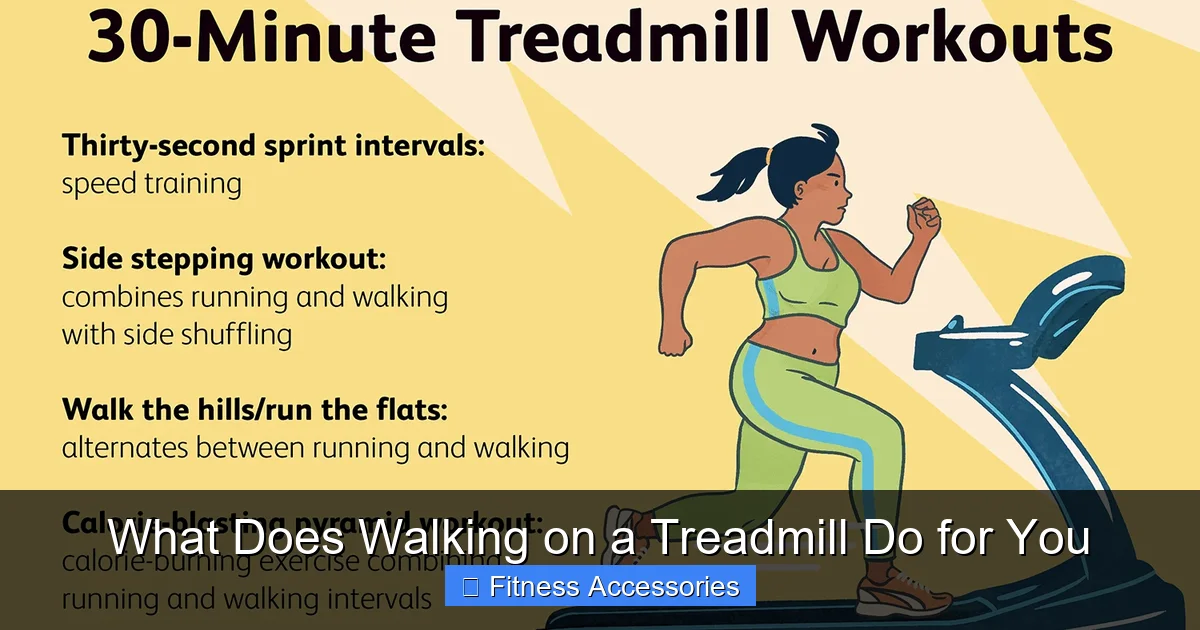
You don’t need to run to do intervals. A “walking interval” workout is incredibly effective. After a 5-minute warm-up, try this: 3 minutes of brisk walking (where speaking in short phrases is challenging), followed by 2 minutes of a slower, recovery pace. Repeat 5-8 times. This “HIIT” style approach keeps your metabolism elevated for hours after your workout (the afterburn effect), improves cardiovascular fitness quickly, and breaks the monotony. Most treadmills have pre-set interval programs—just press “Start” on one!
Make it Enjoyable: The Entertainment Factor
The single biggest advantage of the treadmill? You can multitask safely. Cue up your favorite podcast, an audiobook, a playlist, or even a TV show. This mental engagement makes the time fly and can be the difference between a 10-minute stroll and a 45-minute committed session. Some people read (use a stand), watch lectures, or even take work calls on a headset. By associating your walk with something you genuinely look forward to, you build a sustainable habit. The distraction also helps you maintain a steady pace for longer.
Treadmill vs. Sidewalk: The Great Debate
A common question is whether treadmill walking is “as good” as outdoor walking. The answer isn’t better or worse—it’s different. Each has unique pros and cons, and the best choice depends on your goals, location, and physical needs.
Controlled Environment vs. Unpredictable Terrain
The treadmill offers a perfectly flat, predictable surface with no potholes, curbs, or obstacles. You control the exact speed and incline with the push of a button. This is ideal for precise training, injury rehab, or exercising in extreme weather. Outdoor walking exposes you to variable terrain—grass, gravel, hills—which engages stabilizing muscles in your ankles and core more, improving balance and proprioception. The wind resistance outdoors also adds a natural challenge, burning slightly more calories at the same perceived effort.
Convenience vs. Sensory Experience
The treadmill wins on sheer convenience. It’s in your home or gym, available 24/7, rain or shine. No need to worry about traffic, safety, or finding a clean restroom. However, outdoor walking provides invaluable sensory input: fresh air, sunlight (vitamin D!), changing scenery, and the psychological benefits of being in nature (“forest bathing”). This can lead to greater reductions in stress and improvements in mood. A balanced approach is key: use the treadmill for consistency, controlled training, and bad-weather days, and get outside when you can for the mental reset and terrain variety.
Safety, Form, and Smart Practices
To reap all the benefits of walking on a treadmill safely, a few non-negotiable practices are essential. The machine is safe when used correctly, but complacency can lead to mishaps.
Essential Safety Protocols
Always use the safety clip. It attaches to your clothing and will immediately stop the belt if you stray too far back. Never hop on or off a moving belt. Start with the belt stopped, step onto the side rails, and press “Start” only when you’re centered and ready. Wear proper athletic shoes—never use it in socks, sandals, or bare feet. Keep the area around the treadmill clear of clutter, water bottles, or pets/children. Familiarize yourself with the emergency stop button.
Perfecting Your Walking Form
It’s easy to develop bad habits on a treadmill because the belt moves for you. Avoid holding the handrails continuously—this reduces calorie burn and engages your core less. Use them only for balance when adjusting speed/incline or if you feel dizzy. Focus on a natural stride; don’t overstride (landing with your foot too far in front of your body). Let your arms swing freely. Periodically check your posture in the mirror or on a reflection to avoid slouching. Think tall, engaged, and graceful.
Building a Sustainable Routine
Consistency beats intensity. Start with manageable goals: 20-30 minutes, 3-4 times per week. As it becomes habit, gradually increase duration by 5-10 minutes per week, or add more incline/interval work. Listen to your body. Some muscle soreness is normal; sharp joint pain is not. Mix it up! Follow a steady-state day with an interval day. Pair your walk with strength training twice a week for a balanced fitness plan. Most importantly, find a time of day that works for you and protect it like an important appointment. Your future, healthier self will thank you.
The Final Step: Making It Your Own
Walking on a treadmill is deceptively simple. It requires no special skill, yet its benefits touch every system in your body. It’s a gateway exercise that builds confidence, a rehabilitation tool that restores mobility, and a performance enhancer for elite athletes. The real magic happens when you move beyond seeing it as a chore and start viewing it as a gift—a dedicated time for your body and mind to reconnect, strengthen, and rejuvenate. Whether you use it to watch your favorite show, brainstorm a project, or simply zone out to some music, you are actively investing in a longer, healthier, and more vibrant life. So, what does it do for you? Everything. All you have to do is show up and take the first step.
Frequently Asked Questions
Is walking on a treadmill as effective as walking outdoors for weight loss?
For pure calorie burn at the same speed and time, outdoor walking can be slightly more effective due to wind resistance and uneven terrain. However, the treadmill’s major advantage is consistency and control. You can precisely manage speed and incline to maintain a target heart rate zone, which is key for weight loss. Most people find they can exercise longer and more frequently on a treadmill, leading to a greater overall calorie deficit and more sustainable weight loss over time.
How does incline walking on a treadmill benefit me more than flat walking?
Adding incline dramatically increases the workout’s intensity without requiring you to run, which protects your joints. It engages your gluteal and hamstring muscles much more, building strength and improving your posterior chain. Incline walking also spikes your heart rate more than flat walking, leading to greater cardiovascular benefit and calorie burn in the same amount of time. It effectively simulates hill walking, a highly efficient form of exercise.
How often should I walk on a treadmill to see results?
For general health benefits, aim for at least 150 minutes of moderate-intensity activity like brisk treadmill walking per week, which breaks down to about 30 minutes, 5 days a week. To see noticeable improvements in cardiovascular fitness, weight management, or mood, consistency is key. Within 2-4 weeks of regular sessions (3-5 times weekly), you should feel increased energy, better sleep, and improved endurance. Visible changes in body composition may take 6-8 weeks, especially when combined with a balanced diet.
Is it bad to hold the handrails while walking on a treadmill?
Constantly holding the handrails is not recommended. It reduces the number of calories you burn by supporting some of your body weight and prevents you from engaging your core muscles for balance. It can also encourage an unnatural gait. Use the handrails briefly for balance when getting on/off, adjusting settings, or if you feel dizzy. Let your arms swing naturally at your sides during your walk to maximize the physical benefits and promote a natural stride.
What kind of shoes should I wear for treadmill walking?
Wear proper athletic walking or running shoes. These are designed with cushioning to absorb the repetitive impact, support to stabilize your foot, and flexible soles that allow for a natural roll-through from heel to toe. Do not use the treadmill in socks, barefoot, sandals, or regular street shoes. The right shoes prevent blisters, protect your joints, and provide the traction needed for a safe, efficient stride on the smooth belt surface.
Can treadmill walking help reduce belly fat?
Yes, but with an important caveat. You cannot “spot reduce” fat from a specific area. Treadmill walking is a calorie-burning cardiovascular exercise that contributes to overall fat loss, including visceral fat around the abdomen. Combined with a healthy, calorie-conscious diet, regular treadmill walking is highly effective for reducing overall body fat percentage. Building core strength through supplementary exercises alongside your walks will help tone the underlying muscles as the fat reduces, leading to a firmer midsection.


