Can I Workout on a Yoga Mat 2
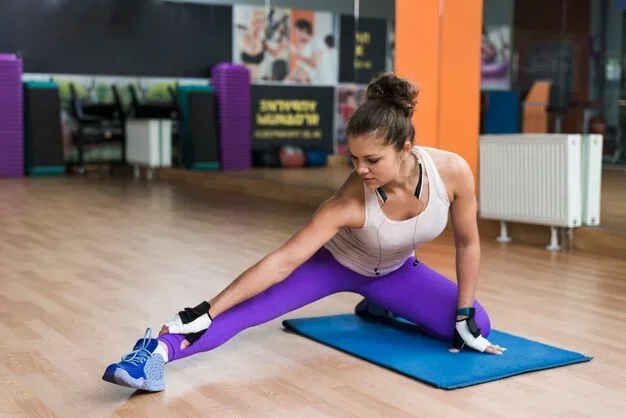
Yes, you absolutely can workout on a yoga mat. A yoga mat is one of the most versatile pieces of home fitness gear you can own. Whether you are doing bodyweight exercises, core workouts, or stretching routines, a yoga mat provides the comfort and grip you need. This guide covers everything you need to know about using a yoga mat for full-body workouts and keeping it clean afterward.
Can you really get a full workout on a yoga mat? The answer is a strong yes. A yoga mat is not just for yoga anymore. People use it for all kinds of fitness routines, from pilates to bodyweight training. If you have been wondering whether your mat can handle more than just gentle stretches, you are in the right place.
A yoga mat workout can be surprisingly intense. You do not need fancy machines or heavy weights. All you need is a good mat and your own body. This article breaks down exactly how to use a yoga mat for exercise, what moves work best, and how to care for your mat so it lasts for years.
Whether you are a complete beginner or a seasoned fitness lover, a mat can change your routine. It gives you a stable, comfortable surface to train on. Let us dive into everything you need to know about working out on a yoga mat.
Key Takeaways
- Versatile Workout Surface: A yoga mat supports many types of exercises beyond just yoga, including core work, stretching, and bodyweight training.
- Joint Protection: Using a yoga mat cushions your joints during floor exercises, reducing the risk of pain or injury.
- Easy to Clean: Regular cleaning with wipes or gentle soap keeps your mat hygienic for every session.
- Portable and Affordable: Yoga mats are lightweight, easy to store, and budget-friendly compared to other workout equipment.
- Great for Beginners: A yoga mat is a simple starting point for anyone new to fitness or mat-based routines.
- Multi-Use Benefits: Beyond workouts, a yoga mat can serve as a sleeping pad, puzzle surface, or protective floor cover.
📑 Table of Contents
Why Use a Yoga Mat for Working Out?
A yoga mat does more than just keep you off the hard floor. It gives you a dedicated space to focus on your fitness routine. Here is why a mat is a smart addition to any workout.
Joint Protection and Comfort
Doing push-ups, planks, or stretches on a bare floor can be tough on your knees, wrists, and spine. A yoga mat adds a layer of cushioning that protects your joints. This is especially important if you do low impact workout routines or have sensitive joints.
Even a thin mat makes a big difference. You will notice the comfort right away, especially during holds or repeated movements. Over time, this protection helps you train more often without soreness or strain.
Better Grip and Stability
Most yoga mats have a textured surface that prevents slipping. This is crucial during exercises where you are on your hands or feet. A mat with good grip helps you maintain proper form, which reduces the risk of injury.
When your hands or feet slide around, you compensate with other muscles. This can throw off your alignment and make exercises less effective. A quality mat keeps you grounded and stable throughout every movement.
Hygiene and Personal Space
Using your own mat means you always have a clean surface to exercise on. You do not have to worry about gym floors or shared equipment. A personal mat also gives you a mental boundary. When you step onto your mat, it is time to focus.
Keeping your mat clean is essential for this benefit. You can learn more about cleaning your yoga mat with Clorox wipes to keep it fresh and germ-free after every session.
Best Exercises You Can Do on a Yoga Mat
A yoga mat opens up a world of exercise possibilities. You do not need to limit yourself to one type of movement. Here are some of the best exercises that work great on a mat.
Core Workouts
Your core is the foundation of almost every exercise. A yoga mat is the perfect place to train it. Try these moves:
- Planks: Hold a forearm or full plank for 30 to 60 seconds. Keep your body straight and your core tight.
- Crunches: Lie on your back with knees bent. Lift your shoulders off the mat and lower back down slowly.
- Leg Raises: Lie flat and raise your legs to a 90-degree angle. Lower them without touching the mat for extra challenge.
- Russian Twists: Sit on the mat with knees bent. Lean back slightly and twist your torso side to side.
Core work on a mat is highly effective because you have a stable yet cushioned surface. You can really focus on engaging the right muscles without distractions.
Stretching and Flexibility
Stretching on a yoga mat feels completely different from stretching on a hard surface. The mat gives you comfort and warmth. Try a full-body stretching routine after your workout or on rest days.
Focus on hamstring stretches, hip openers, and spinal twists. Hold each stretch for 20 to 30 seconds. You will feel your flexibility improve over time with consistent practice on your mat.
Upper Body Exercises
Do not underestimate what a mat can do for your upper body. These exercises work great on a mat surface:
- Push-Ups: Hands shoulder-width apart, lower your chest to the mat and push back up.
- Tricep Dips: Place your hands behind you on the mat and lower your body using your arms.
- Superman Holds: Lie face down and lift your arms and legs simultaneously. Hold for a few seconds and repeat.
These moves target your arms, shoulders, and chest without any equipment. The mat gives you a comfortable base to press into.
Lower Body and Glute Work
Your legs and glutes are the largest muscle groups in your body. Training them on a mat allows for controlled, precise movements:
- Glute Bridges: Lie on your back with knees bent. Push your hips up toward the ceiling and squeeze your glutes.
- Clamshells: Lie on your side with knees bent. Open your top knee like a clamshell and close it slowly.
- Lying Leg Circles: Lie on your back and trace large circles with each leg.
These exercises build strength and stability in your lower body. A mat makes them more comfortable and effective by cushioning your hips and spine.
Can You Use a Yoga Mat for Other Types of Exercise?
A yoga mat is surprisingly versatile. People use it for far more than just yoga poses. Let us look at some other ways you can incorporate your mat into your fitness routine.
Jump Rope on a Yoga Mat
You might be surprised to learn that you can use a yoga mat for jump rope training. Placing your mat under your jump rope area provides cushioning for your joints. It also protects your floor from damage if you accidentally step off the rope.
Jump rope is a great cardio exercise. The mat absorbs some of the impact, making it easier on your knees and ankles. If you want to try this, check out our guide on using a yoga mat for jump rope for detailed tips and safety advice.
Under Exercise Equipment
Many people place a yoga mat under their treadmill or other home gym equipment. The mat protects the floor from scratches and absorbs vibrations. It also helps keep the equipment stable during use.
If you are setting up a home gym, a mat is a simple and affordable way to protect your floors. Learn more about placing a mat under your treadmill in our article on using a yoga mat under a treadmill.
Pilates and Barre Workouts
Pilates and barre exercises are perfect for a yoga mat. These workouts focus on small, controlled movements that engage your deep core muscles. A mat provides the right amount of cushioning for these precise exercises.
Pilates also emphasizes breathing and alignment, which is easier to focus on when you have a dedicated, comfortable surface. If you are exploring pilates, a yoga mat is an essential piece of gear.
How to Choose the Right Yoga Mat for Workouts
Not all yoga mats are created equal. If you plan to use your mat for workouts, you need to pick the right one. Here is what to look for.
Thickness
Thick mats (over 6mm) offer more cushioning. They are great for exercises that put pressure on your knees or spine. Thin mats (around 3mm to 5mm) give you better stability for standing exercises and balance work.
For general workouts, a medium-thick mat around 5mm to 6mm is a good sweet spot. It balances comfort and stability well.
Material and Texture
Yoga mats come in different materials, including TPE, PVC, rubber, and cork. Each has its own feel and benefits:
- TPE mats: Lightweight, eco-friendly, and good grip.
- PVC mats: Durable, affordable, and easy to clean.
- Rubber mats: Heavy, very grippy, and excellent for intense workouts.
- Cork mats: Naturally antimicrobial and comfortable.
If you do a lot of sweating during workouts, rubber or cork mats are excellent choices. They handle moisture better than other materials.
Size and Portability
A standard yoga mat is about 68 inches long and 24 inches wide. If you are taller, look for an extra-long mat. If you plan to carry your mat to the gym or park, choose a lighter option that folds or rolls easily.
Portability matters if you want to stay consistent with your routine. A mat that is easy to transport makes it more likely you will use it regularly.
How to Care for Your Yoga Mat After Workouts
Your yoga mat takes a beating during workouts. Sweat, dirt, and oils build up over time. Proper care keeps your mat clean and extends its life.
Cleaning Tips
Wipe down your mat after every workout with a damp cloth. For a deeper clean, use a gentle soap and water solution. Avoid harsh chemicals that can break down the material.
You can also use Clorox wipes for a quick cleanup between workouts. Just make sure the wipes are not too wet, as excess moisture can damage the mat over time.
Storage
Roll your mat with the top side facing out to prevent curling. Store it in a cool, dry place away from direct sunlight. Heat and UV rays can degrade the material and cause it to crack or peel.
If you do not use your mat often, hang it on a wall hook or store it flat in a closet. Avoid leaving it folded for long periods, as this can create permanent creases.
Common Mistakes to Avoid When Working Out on a Yoga Mat
Even with a yoga mat, it is easy to make mistakes that reduce the effectiveness of your workout or cause injury. Here are some pitfalls to watch out for.
Using the Wrong Mat for Your Activity
A thin, slippery mat is not ideal for intense workouts. Choose a mat with the right thickness and grip for the type of exercise you are doing. Using the wrong mat can lead to slipping, discomfort, or lack of support.
Skipping Mat Cleaning
Skipping cleaning leads to bacteria buildup. This can cause skin irritation or unpleasant odors. Make mat cleaning part of your post-workout habit. A quick wipe after each session takes only a few seconds.
Ignoring Wear and Tear
Over time, mats lose their cushioning and grip. If your mat is thinning, cracking, or becoming slippery, it is time to replace it. Working out on a worn-out mat can actually increase your risk of injury.
Not Warming Up Properly
Even on a comfortable mat, jumping straight into intense exercises is risky. Always warm up your muscles first with light movement or dynamic stretches. This prepares your body and helps you get more out of every session.
Final Thoughts
A yoga mat is one of the simplest and most effective tools you can add to your fitness routine. From core work to stretching, upper body moves to lower body strengthening, a mat supports it all. It protects your joints, gives you stability, and makes every exercise more comfortable.
Taking care of your mat is just as important as using it. Clean it regularly, store it properly, and replace it when it wears out. With the right mat and the right approach, you can turn any floor into your personal gym.
If you are looking for a new mat, check out our guide on where to buy a yoga mat near you to find the best options in your area. Start your mat workout today and feel the difference a simple piece of gear can make.
Frequently Asked Questions
Can I do strength training on a yoga mat?
Yes, absolutely. A yoga mat works great for strength training exercises like push-ups, planks, glute bridges, and bodyweight squats. The mat provides cushioning for your joints and a stable surface for controlled movements.
Is a yoga mat good for cardio workouts?
A yoga mat is not ideal for high-impact cardio like running or jumping jacks. However, it works well for low-impact cardio moves like mountain climbers, step-ups, and lying leg exercises. You can also place a mat under your jump rope area for joint protection.
How often should I clean my yoga mat after workouts?
You should wipe down your yoga mat after every workout. Sweat, oils, and dirt build up quickly, especially during intense sessions. A quick wipe with a damp cloth or a gentle cleaner keeps your mat fresh and hygienic.
What type of yoga mat is best for workouts?
For workouts, choose a mat that is 5mm to 6mm thick with a textured, non-slip surface. Rubber and TPE mats are excellent choices because they offer good grip, durability, and comfort during a variety of exercises.
Can I use a yoga mat for pilates?
Yes, a yoga mat is the standard surface for pilates workouts. Pilates involves small, controlled movements that benefit from the cushioning and stability a yoga mat provides. It is one of the most common uses for a yoga mat beyond traditional yoga.
How do I know when to replace my yoga mat?
Replace your yoga mat when it becomes thin, loses its grip, or develops cracks and tears. A worn-out mat no longer provides adequate cushioning or stability, which can increase your risk of injury during workouts.