Can I Wash Yoga Mat with Water 2
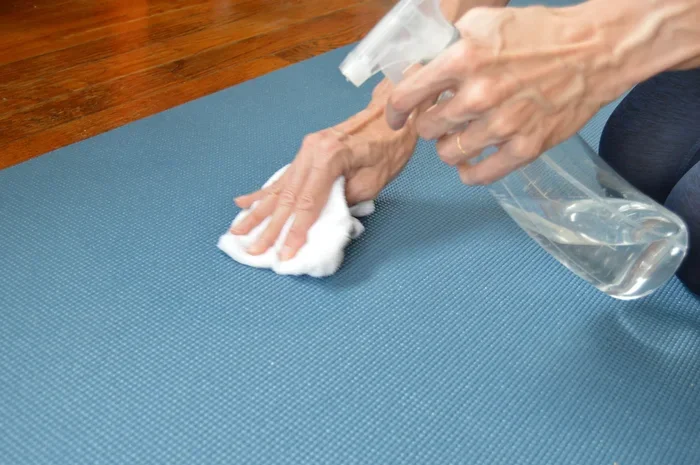
Yes, you can wash a yoga mat with water, but the method matters a lot. Hand washing with mild soap is the safest approach for most mats, while machine washing works only for specific types. This guide covers everything you need to know about washing your yoga mat with water without damaging it.
You unroll your yoga mat after a workout and notice it’s sweaty, sticky, and starting to smell. It happens to everyone. Whether you practice hot yoga or gentle stretches, your mat collects dirt, oils, and bacteria over time.
The question can I wash yoga mat with water comes up a lot. The short answer is yes. But the full answer depends on your mat type, the water temperature, and how you dry it. Using the wrong method can ruin your mat, void its warranty, or make it slippery.
This guide walks you through every safe method, common mistakes, and pro tips. By the end, you will know exactly how to clean your mat the right way.
Key Takeaways
- Yes, water is safe: Most yoga mats can be cleaned with water and mild soap without damage.
- Hand washing is best: It preserves the mat’s texture, grip, and structural integrity over time.
- Avoid hot water: Warm or cool water is ideal to prevent warping and material breakdown.
- Machine washing is risky: Only certain mats can go in the washer, and always use a gentle cycle.
- Dry properly: Air drying flat is the safest way to prevent mold and maintain shape.
- Clean regularly: Washing your mat every few weeks keeps bacteria and odors away.
📑 Table of Contents
- Why You Should Wash Your Yoga Mat With Water
- Can You Use Tap Water Safely?
- Step-by-Step Guide to Washing Your Yoga Mat
- Can You Put a Yoga Mat in the Washing Machine?
- Drying Your Yoga Mat After Washing
- Common Mistakes to Avoid When Washing Your Mat
- Tips to Keep Your Yoga Mat Fresh Between Washes
- How Water Washing Affects Different Mat Materials
- Final Thoughts on Washing Your Yoga Mat with Water
Why You Should Wash Your Yoga Mat With Water
Your yoga mat touches your skin every time you practice. Sweat, dead skin cells, and body oils build up fast. Over time, this creates a breeding ground for bacteria and mold. Not only does this cause bad smells, but it can also affect your health.
Washing your mat with water removes this buildup. It keeps your practice hygienic and extends the life of your mat. A clean mat also grips better, which means fewer slips during poses.
The Science Behind Mat Dirt
When you sweat on a mat, the moisture mixes with dead skin and oils. This creates a film that traps dust and bacteria. Studies show that yoga mats can harbor more germs than a public restroom floor if not cleaned regularly. Water alone helps lift away surface dirt, and when paired with mild soap, it kills many harmful bacteria.
How Often Should You Wash Your Mat?
For regular users, washing every two to four weeks works well. If you practice daily or do hot yoga, aim for once a week. Light wiping after each session with a damp cloth also helps keep things fresh between deep cleans.
Can You Use Tap Water Safely?
The answer is generally yes. Tap water is safe for most yoga mat materials. However, the temperature and type of water matter more than you might think.
Cold Water vs. Warm Water
Cool or lukewarm water is the safest choice. Hot water can warp PVC mats, cause rubber to break down, and strip away the texture on cork mats. Cold water cleans effectively without risking damage. If your mat is very dirty, lukewarm water works too, but avoid anything above 100°F.
Does Water Type Matter?
Tap water works fine for most people. If you live in an area with very hard water, consider using filtered water. Hard water minerals can leave a residue on your mat, making it feel slippery or chalky. This residue can also attract more dirt over time.
Step-by-Step Guide to Washing Your Yoga Mat
Follow these steps for a thorough hand wash that keeps your mat in great shape.
Step 1: Gather Your Supplies
You will need:
- Cool or lukewarm water
- A few drops of mild dish soap or a yoga mat cleaner
- A soft cloth or sponge
- A clean towel
- A flat drying area
Avoid harsh chemicals, bleach, and alcohol-based cleaners. These can degrade the material and leave harmful residues on your mat.
Step 2: Prepare the Cleaning Solution
Fill a bathtub or large basin with cool water. Add two to three drops of mild soap. Mix it gently. Do not use too much soap, as residue can make your mat slippery and hard to rinse.
For a natural alternative, you can add a splash of white vinegar. Vinegar is a gentle disinfectant that removes odors without damaging most mat materials. Just avoid vinegar on natural rubber mats, as it can break down the material over time.
Step 3: Clean the Mat
Submerge the mat in the soapy water. Let it soak for about five minutes. Then, use a soft cloth or sponge to gently scrub both sides. Focus on areas where sweat builds up, like the center and edges.
Do not use a brush with stiff bristles. These can scratch and tear the surface. Always use gentle, circular motions.
Step 4: Rinse Thoroughly
Drain the soapy water and refill the tub with clean cool water. Rinse the mat by running water over it and gently squeezing it. Repeat until no soap bubbles remain. Residual soap can irritate your skin during your next practice.
Step 5: Dry the Mat Properly
Lay the mat flat on a clean towel in a well-ventilated area. Roll the mat and towel together to press out excess water. Then unroll it and let it air dry completely.
Never wring out a yoga mat. This can cause permanent creases and weaken the material. Also, avoid direct sunlight for long periods, as UV rays can fade and crack the surface.
Can You Put a Yoga Mat in the Washing Machine?
This is one of the most common questions people ask. The answer depends on your mat type.
Thin, TPE, and some PVC mats can survive a gentle machine wash. But thicker rubber mats, cork mats, and expensive premium mats should never go in a washer. The agitation and spinning can tear the material, warp the shape, or destroy the grip texture.
If your mat is machine washable, always use the gentle or delicate cycle. Place the mat inside a mesh laundry bag for protection. Skip the spin cycle, and never use hot water. After washing, hang the mat to dry or lay it flat. Do not put it in the dryer, as the heat will damage it beyond repair.
For most people, hand washing is the safer and more effective choice. If you are unsure about your mat’s care instructions, check the manufacturer’s label or visit the brand’s website. You can also look up guides on washing specific mat types for more details.
Which Mats Can Handle Machine Washing?
- Thin travel mats made of TPE
- Standard PVC mats without texture
- Some hybrid mats with mesh backing
Which Mats Should Never Go in the Washer?
- Natural rubber mats
- Cork mats
- Thick premium mats over 5mm
- Mat with embossed or textured surfaces
Drying Your Yoga Mat After Washing
Drying is just as important as washing. A mat that stays wet too long can grow mold and mildew. This not only ruins the mat but also creates health risks for your next practice.
The best drying method is laying the mat flat in a shaded, well-ventilated area. A fan can speed up the process. You can also hang the mat over a clothesline, but avoid clothespins directly on the mat, as they can leave marks.
Make sure the mat is completely dry before rolling it up. Rolling a damp mat traps moisture and promotes bacterial growth. This is especially important if you store your mat in a bag or closet right after cleaning.
How Long Does It Take to Dry?
Most mats dry within 12 to 24 hours depending on the thickness and material. Thin mats dry faster, while thick rubber mats may take longer. In humid climates, use a fan or place the mat near an open window to improve airflow.
Common Mistakes to Avoid When Washing Your Mat
Even with good intentions, people make mistakes that damage their mats. Here are the most common ones:
- Using hot water: This warps and melts certain materials. Always stick to cool or lukewarm water.
- Using harsh cleaners: Bleach, ammonia, and alcohol strip the mat’s surface and can cause cracking.
- Wringing the mat: This damages the structure and creates permanent folds.
- Skipping the rinse: Soap residue makes the mat slippery and attracts more dirt.
- Storing the mat while damp: This leads to mold, bad smells, and material breakdown.
- Using a dryer: The heat destroys the mat’s material and shape almost immediately.
Avoiding these simple mistakes will keep your mat clean, safe, and long-lasting. If you ever feel unsure about a cleaning method, hand washing with plain cool water is always a safe option.
Tips to Keep Your Yoga Mat Fresh Between Washes
Washing your mat every few weeks is great, but you can also keep it fresh with daily habits. Wiping down your mat with a damp cloth after each session removes sweat before it builds up. You can also use a yoga mat spray made with water and a few drops of essential tea tree oil, which has natural antibacterial properties.
Always unroll your mat after practice. Storing it rolled up traps moisture and prevents it from breathing. If you practice in a hot environment, give your mat time to cool and dry before rolling it up.
How Water Washing Affects Different Mat Materials
Not all mats react the same way to water. Here is a quick look at how common materials handle washing:
- TPE (Thermoplastic Elastomer): Handles water well. Dries quickly and resists mold. Machine wash on gentle if needed.
- PVC: Very durable with water. Can handle light machine washing. Avoid hot water to prevent warping.
- Natural Rubber: Sensitive to certain cleaners and prolonged soaking. Hand wash only with mild soap and dry quickly.
- Cork: Water-resistant but should not be soaked. Wipe with a damp cloth and mild soap. Never machine wash.
- Jute or Cotton: Absorbs a lot of water. Hand wash gently and dry completely to prevent mildew.
Knowing your mat material helps you choose the right cleaning approach. When in doubt, hand wash with cool water and mild soap. It is the safest method for almost every type of yoga mat.
Final Thoughts on Washing Your Yoga Mat with Water
Washing your yoga mat with water is simple, effective, and essential for hygiene. Whether you hand wash or machine wash, the key is to use cool water, mild soap, and gentle handling. Always dry your mat completely before storing it.
Regular cleaning keeps your mat fresh, grippy, and safe for every session. It also saves you money by extending the life of your mat. With the tips in this guide, you can confidently clean your mat at home without any worry.
Take a few minutes after your next practice to give your mat some care. Your body and your mat will thank you. Clean equipment leads to better practice, and a well-maintained mat makes every session more enjoyable.
Frequently Asked Questions
Can I use just water to clean my yoga mat?
Yes, plain water works for light cleaning and removes surface dirt. However, adding a few drops of mild soap helps lift oils and bacteria more effectively. For a deeper clean, water alone may not be enough to remove built-up sweat and grime.
How do I dry my yoga mat after washing it?
Lay the mat flat on a clean towel in a well-ventilated area. Let it air dry completely, which usually takes 12 to 24 hours. Avoid direct sunlight and never roll up a damp mat, as trapped moisture leads to mold and bad odors.
Can I wash my yoga mat in the washing machine?
Only certain thin mats, like TPE or standard PVC, can handle a gentle machine wash. Always use cool water and skip the spin cycle. For most mats, hand washing is the safer and more effective option to preserve the material and grip.
What soap is safe to use on a yoga mat?
Mild dish soap or a dedicated yoga mat cleaner works best. Avoid bleach, alcohol, and harsh chemicals, as they can damage the mat’s surface and leave slippery residue. A few drops of tea tree oil in the water also adds natural antibacterial benefits.
Will washing my yoga mat with water void the warranty?
This depends on the manufacturer’s care instructions. Some brands specifically state that improper cleaning voids the warranty. Always check the label or brand guidelines before washing, and when in doubt, stick to gentle hand washing with cool water.
How often should I wash my yoga mat with water?
For regular practitioners, washing every two to four weeks is ideal. Hot yoga enthusiasts or daily users should aim for once a week. Wiping the mat with a damp cloth after each session also helps maintain cleanliness between deep washes.