How Does the Rowing Machine Help Your Body
So you’re wondering how does the rowing machine help your body? The answer is simple — it’s one of the most effective full-body workouts you can do. From cardiovascular fitness to muscle toning and weight loss, the rowing machine delivers results that few other low impact exercise options can match.
Key Takeaways
- Full-Body Engagement: The rowing machine works over 85% of your muscles, making it a true full-body workout that targets your legs, back, arms, and core simultaneously.
- Heart Health: Regular rowing boosts cardiovascular fitness, lowers blood pressure, and improves overall aerobic exercise capacity.
- Weight Loss Powerhouse: Rowing burns serious calories and boosts your metabolic rate, making it a top choice for calorie burning and fat loss.
- Joint-Friendly: Unlike running, rowing is a low impact exercise that’s gentle on your knees, ankles, and hips while still delivering intense results.
- Muscle Toning: Consistent rowing helps with muscle toning, core strength, and building functional strength that carries over into daily life.
- Posture and Flexibility: Rowing strengthens your back and shoulders, leading to better posture and improved flexibility over time.
📑 Table of Contents
How Does the Rowing Machine Help Your Body?
If you’ve walked into any gym lately, you’ve probably seen people on the rowing machine. Some look like they’re in the zone, pulling with smooth power. Others seem confused, bouncing around with bad form. The truth is, most people have no idea just how powerful this piece of equipment really is.
So how does the rowing machine help your body exactly? The short answer: it’s one of the few exercises that truly works your entire body from head to toe. It builds strength, burns fat, strengthens your heart, and even improves your posture. Whether you’re a complete beginner or a seasoned athlete, the rowing machine has something valuable to offer.
In this guide, we’ll break down every major benefit, explain the science behind it, and give you practical tips to get the most out of your rows. Let’s dive in.
What Makes the Rowing Machine So Special?
Before we get into the specific benefits, it helps to understand what sets rowing apart. Most gym machines isolate one muscle group. The leg press works your legs. The chest press works your chest. The rowing machine is different. It’s a functional fitness tool that moves your body through a natural, compound motion.
Each stroke involves pushing with your legs, pivoting through your core, and pulling with your arms. This coordinated movement engages over 85% of your muscles in a single rep. That’s why fitness experts often call it the ultimate full-body workout. It’s also why aerobic exercise on a rowing machine outperforms many other options for overall health.
Cardiovascular and Heart Health Benefits
Your heart is a muscle. Like any muscle, it gets stronger with exercise. Rowing is one of the best ways to train it. When you row at a moderate pace, your heart rate rises into the cardiovascular fitness zone. Over time, this strengthens your heart, lowers resting heart rate, and improves blood circulation.
Studies show that regular aerobic exercise reduces the risk of heart disease, stroke, and high blood pressure. Rowing checks all these boxes. It’s intense enough to challenge your cardiovascular system but gentle enough to sustain for long periods.
Why Rowing Beats Treadmill Running for Heart Health
Running on a treadmill is a great cardio workout. But it puts heavy stress on your joints. Rowing delivers similar cardiovascular fitness benefits without the pounding. This makes it ideal for people who want endurance training without wearing down their knees or ankles. For a deeper comparison, check out how riding a stationary bike helps your body compared to other cardio options.
Boosting Your Metabolic Rate
Another hidden benefit of rowing is its effect on your metabolic rate. High-intensity rowing sessions can keep your metabolism elevated for hours after your workout. This means you continue burning calories even while sitting on the couch. That’s the so-called “afterburn” effect, and rowing triggers it effectively.
Muscle Building and Toning
People often think cardio means losing muscle. That’s a myth. Rowing builds and sculpts muscle while burning fat. It’s one of the rare exercises that delivers both muscle toning and endurance training at the same time.
Which Muscles Does Rowing Work?
Let’s break it down by body part:
- Legs: Your quads, hamstrings, glutes, and calves power the drive phase. Think of it as a lower body exercise that rivals squats in intensity.
- Back: The pull phase engages your lats, rhomboids, and trapezius. This is why rowing is excellent for back muscle engagement and building a strong posterior chain.
- Arms: Your biceps, forearms, and grip strength all get worked during the handle pull.
- Core: Every stroke requires core stabilization. Rowing is a powerhouse for core strength and abdominal conditioning.
That’s a lot of muscle groups firing simultaneously. No other gym machine can match that level of upper body workout combined with lower body engagement. For more details on which specific muscles get activated, see what a rowing machine works on your body.
Is Rowing Better Than Weights for Toning?
Not necessarily better, but different. Free weights build raw strength. Rowing builds functional, lean muscle that’s practical for everyday movement. Many people combine both for the best results. If you want to explore how other equipment compares, you can read how using a kettlebell affects your body for another perspective on full-body conditioning.
Weight Loss and Calorie Burning
If your goal is fat loss, rowing is a fantastic tool. A 30-minute session at moderate intensity can burn around 300 to 400 calories. Push the intensity, and you can exceed 600 calories per hour. That’s serious calorie burning power.
How Rowing Compares to Other Exercises
Here’s a quick comparison of calorie burn per hour for a 155-pound person:
- Rowing machine (vigorous): ~600-800 calories
- Running (6 mph): ~600 calories
- Cycling (moderate): ~450-550 calories
- Walking (brisk): ~300 calories
As you can see, vigorous rowing matches or even exceeds running, without the joint stress. That’s a big win for weight loss seekers. For a deeper dive into the fat-burning side of rowing, explore how a rowing machine helps you lose weight.
Best Rowing Workouts for Burning Fat
Here are a few proven approaches:
- Steady-State Rows: 30-45 minutes at a moderate pace. Great for beginners and builds a strong aerobic base.
- Interval Training: Alternate 500-meter hard rows with 1-minute rest periods. This spikes your metabolic rate and maximizes calorie burn.
- Pyramid Workouts: Row 250m, 500m, 750m, 1000m, then back down. This challenges your endurance training and keeps things fresh.
Mix these methods throughout the week to avoid plateaus and keep your body guessing.
Low Impact, High Results
One of the most underrated aspects of rowing is that it’s a low impact exercise. Unlike running or jumping, rowing keeps your feet planted and your joints cushioned. There’s no sudden impact on your knees, hips, or ankles.
Why This Matters
Millions of people avoid exercise because of joint pain. Rowing opens the door for them. It’s perfect for older adults, people recovering from injuries, or anyone who wants intense workouts without the wear and tear. The joint friendly workout nature of rowing makes it accessible to almost everyone.
Is Rowing Safe for Beginners?
Yes, but form matters. Poor technique can lead to lower back strain. The good news is that proper rowing technique is easy to learn. Start with short sessions at a light drag setting. Focus on a smooth drive and controlled recovery. As your confidence builds, increase intensity gradually. If you want step-by-step guidance, check out how to use a rowing machine at the gym for beginner-friendly tips.
Posture, Flexibility, and Mental Health
Rowing doesn’t just build physical strength. It also supports better posture, flexibility, and mental well-being. Let’s explore these often-overlooked benefits.
Better Posture
Most of us sit at desks all day, which weakens our upper back and tightens our chest. Rowing reverses this. The pulling motion strengthens your rhomboids, traps, and erector spinae. Over time, you naturally sit and stand taller. This postural benefits effect is one reason rowers often look confident and upright.
Improved Flexibility
The full range of motion in rowing stretches your hamstrings, calves, shoulders, and lower back. Over weeks, you’ll notice increased flexibility and mobility. This is especially true if you combine rowing with regular stretching.
Mental Health and Stress Relief
Rowing is meditative. The rhythmic motion, the steady breathing, the focus required — it all adds up to a powerful stress reliever. Like other forms of aerobic exercise, rowing triggers the release of endorphins, serotonin, and dopamine. After a tough row, you feel calmer, clearer, and more focused. It’s like pressing a reset button for your brain.
Building Functional Fitness for Daily Life
The strength you build on the rower carries over into real life. Lifting groceries, climbing stairs, carrying kids — all of these activities become easier when your legs, back, and core are strong. This is the essence of functional fitness, and rowing delivers it naturally without requiring fancy supplements or equipment.
How to Get the Most Out of Your Rowing Workouts
Knowing the benefits is one thing. Actually maximizing them is another. Here are practical tips to elevate your rowing sessions.
Master the Technique First
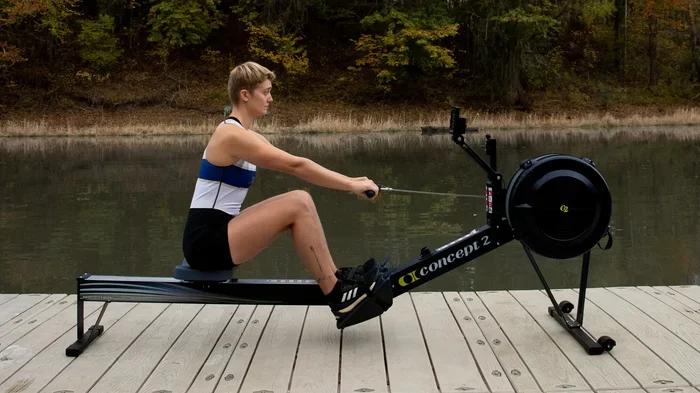
Your stroke should follow this sequence:
- Legs drive: Push through your heels with straight arms.
- Body swings: Lean back slightly at about a 30-degree angle.
- Arms pull: Pull the handle to your lower ribs.
- Reverse for recovery: Extend your arms, lean forward, then bend your knees.
Watch videos, ask a coach, or film yourself. Clean technique prevents injury and boosts efficiency. Understanding what does the rowing machine do to your body starts with doing it right.
Set Specific Goals
Don’t just row aimlessly. Have a plan. Here are some examples:
- For heart health: Row 20-30 minutes, 4 times per week at moderate intensity.
- For weight loss: Add 2-3 interval sessions per week on the rower.
- For muscle toning: Row with higher resistance and shorter strokes to build strength.
Track Your Progress
Most modern rowers have built-in monitors. Use them. Track your split time, distance, and stroke rate. Watching your numbers improve over weeks is incredibly motivating and keeps you accountable.
Don’t Skip Warm-Ups and Cool-Downs
Five minutes of light rowing before your workout gets your muscles ready. Five minutes after helps your body recover. Skipping this habit increases injury risk and slows your progress.
Common Mistakes to Avoid
Even experienced rowers make errors. Here are the most common ones to watch out for:
- Rushing the stroke: Speed isn’t everything. A smooth, controlled stroke beats a fast, jerky one every time.
- Bending the arms too early: Your legs should do the heavy lifting first. Keep your arms straight during the drive phase.
- Slouching your back: Maintain a straight, upright torso. Hunching leads to back pain and weakens the exercise.
- Ignoring the recovery phase: The return part of the stroke matters just as much as the drive. Stay relaxed and controlled going back.
- Using too much resistance: High drag settings don’t mean better workouts. Start light and build gradually as your technique improves.
Expert Insight: Listen to Your Body
Fitness coaches often say that the rowing machine punishes bad habits but rewards good ones. If something hurts, stop and reassess. Pain is not the same as effort. Learning to read your body’s signals is one of the most valuable skills you can develop on the rower.
Conclusion
Now you know the answer to how does the rowing machine help your body. It delivers a full-body workout, strengthens your heart, burns fat, builds lean muscle, improves posture, relieves stress, and protects your joints. Few pieces of gym equipment can match that kind of versatility.
Whether you’re a beginner or a seasoned athlete, the rowing machine deserves a permanent spot in your fitness routine. Start slow, focus on form, set clear goals, and stay consistent. The results will speak for themselves. Your body will thank you.
Frequently Asked Questions
How long should I row each day?
For most people, 20 to 30 minutes of rowing is enough to see real benefits. Beginners can start with 10 to 15 minutes and build up gradually. The key is consistency rather than intensity at first.
Can rowing help you lose belly fat?
Rowing burns calories across your entire body, including the abdominal area. While spot reduction isn’t possible, combining rowing with a healthy diet can effectively reduce overall body fat, including belly fat.
Is the rowing machine better than running?
It depends on your goals. Rowing offers similar calorie burn with less joint stress. Running may be better for bone density, while rowing is superior for low impact exercise and full muscle engagement. Many people alternate both for balanced fitness.
Does rowing build big muscles?
Rowing builds lean, functional muscle rather than bulk. If you want significant muscle size, you’ll need to add resistance training. Rowing alone creates a toned, strong physique that works well in everyday life.
Can beginners use the rowing machine safely?
Absolutely. Rowing is one of the most beginner-friendly gym machines. Start with light resistance, focus on proper rowing technique, and keep sessions short. As your confidence grows, increase duration and intensity at your own pace.
How often should I use the rowing machine?
For general fitness, 3 to 5 sessions per week is ideal. Mix steady-state rows with interval training for the best results. Always allow rest days so your muscles can recover and grow stronger.