Can I Use an Elliptical After Hip Replacement
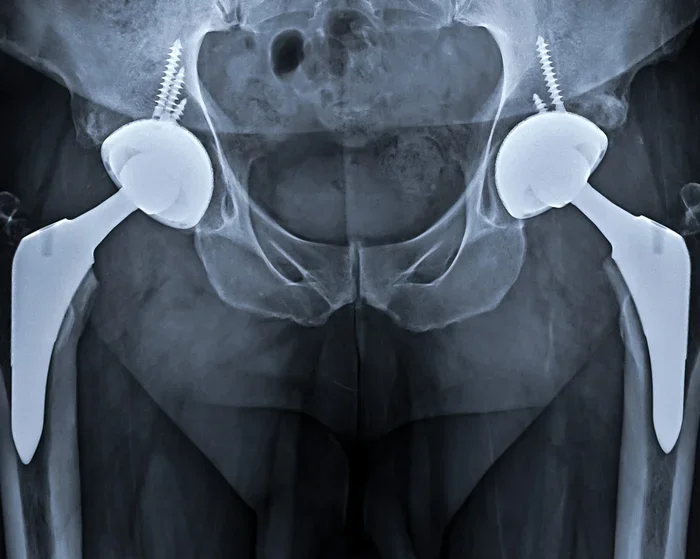
Yes, you can use an elliptical after hip replacement, but timing and technique matter greatly. Most patients can start using a low-impact elliptical several weeks after surgery with doctor approval. This guide covers the recovery timeline, safety tips, and benefits of elliptical exercise during hip rehabilitation.
Key Takeaways
- Ellipticals are joint-friendly: The smooth, gliding motion puts less stress on your new hip compared to running or jumping.
- Wait for doctor clearance: Most patients can start using an elliptical 4 to 6 weeks after surgery, but every recovery is different.
- Start slow and short: Begin with 5 to 10 minute sessions at a low resistance level and gradually increase over time.
- Proper form prevents injury: Keep your posture upright, avoid leaning forward, and use a natural stride length to protect your hip.
- Ellipticals offer great cardio: They help improve heart health, boost circulation, and support weight management during recovery.
- Compare options wisely: Stationary bikes and ellipticals are both excellent choices, but each has unique benefits for hip replacement patients.
- Listen to your body: Stop immediately if you feel pain, discomfort, or unusual pressure in your hip joint.
📑 Table of Contents
- Can I Use an Elliptical After Hip Replacement?
- Understanding Your Hip Replacement Recovery Timeline
- Benefits of Using an Elliptical After Hip Replacement
- How to Safely Use an Elliptical After Hip Surgery
- Elliptical vs. Other Cardio Machines After Hip Replacement
- Expert Tips for Maximizing Your Elliptical Workouts
- When to Avoid the Elliptical After Hip Replacement
- Final Thoughts on Using an Elliptical After Hip Replacement
Can I Use an Elliptical After Hip Replacement?
Hip replacement surgery changes your life. The pain is gone. The stiffness fades. But then comes the big question: when can you get back to your normal workout routine? If you love cardio, you might wonder about using an elliptical after hip replacement. The good news is that most people can return to this popular machine. But the key is patience and proper guidance.
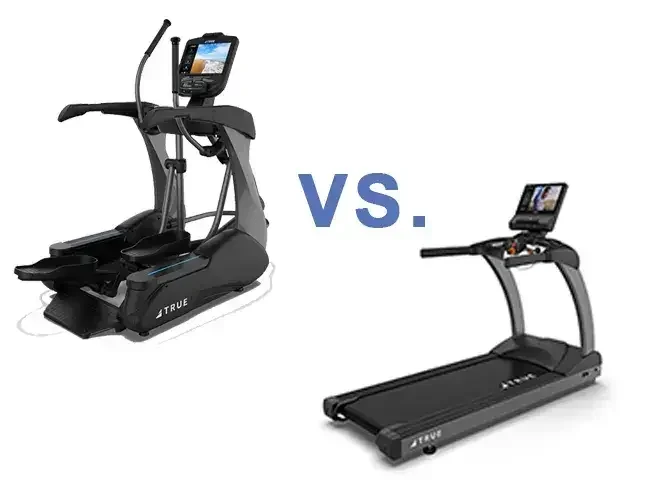
An elliptical machine offers a smooth, low-impact workout that is gentle on your joints. Unlike running on a treadmill, the elliptical keeps your feet on the pedals. There is no jarring impact. This makes it a favorite for people recovering from joint surgery. Still, you need to know the right time to start and how to use it safely.
In this article, we will walk you through everything you need to know. We cover the recovery timeline, benefits, safety tips, and common mistakes. By the end, you will feel confident about your next step back to fitness.
Why Ellipticals Are Popular After Joint Surgery
Many hip rehabilitation programs include elliptical training. Why? Because the movement mimics walking and running without the harsh impact. Your feet stay on the foot pads the entire time. This reduces the force on your hip joint by up to 75 percent compared to jogging.
Surgeons and physical therapists often recommend low-impact exercise during recovery. The elliptical fits perfectly into this category. It gets your heart pumping without putting your new joint at risk. Plus, you can control the resistance and speed. This means you can start very easy and build up gradually as your strength improves.
Using an elliptical also helps with blood circulation. Good circulation speeds up healing. It reduces swelling and delivers oxygen to your muscles. All of this supports a smoother recovery after hip replacement surgery.
Understanding Your Hip Replacement Recovery Timeline
Every patient heals at a different pace. Your recovery timeline depends on your age, overall health, and how active you were before surgery. Understanding the phases of recovery helps you know when it is safe to use an elliptical machine.
Phase 1: The First Two Weeks
During the first two weeks, your body is focused on healing. You will likely use a walker or cane. Your physical therapist will guide you through gentle exercises. These might include ankle pumps, seated leg lifts, and short walks around your home.
This is not the time for any cardio machine. Your hip needs rest. You should focus on following your surgeon’s instructions and managing pain. Trying to use an elliptical too early can cause serious damage.
Phase 2: Weeks 3 to 6
By weeks 3 to 6, you will likely be walking without assistance. Your range of motion improves. Your physical therapist may introduce light stationary cycling. This is a great sign that your body is ready for slightly more activity.
Some patients start using a stationary bike after hip replacement during this phase. The bike is very similar to an elliptical in that it is low-impact. However, the elliptical involves a slightly different motion. You should wait for explicit clearance from your doctor before trying it.
Phase 3: Weeks 6 to 12
Most patients receive the green light for elliptical training around the 6-week mark. Your surgeon will assess your progress. If your hip is healing well, you can start with short, gentle sessions.
During this phase, you should treat the elliptical as a rehabilitation tool. Keep sessions short. Use minimal resistance. Focus on form over speed. Your body is still adapting to the new joint. Give it time to adjust.
Phase 4: 12 Weeks and Beyond
After 12 weeks, many patients can use the elliptical more like they did before surgery. You can increase duration, resistance, and intensity. But always listen to your body. Even at this stage, avoid sudden movements or high-intensity intervals until your surgeon confirms you are ready.
For comparison, running on a treadmill after hip replacement typically takes longer to resume. The impact is much higher. Most doctors advise against running for at least 3 to 6 months. The elliptical is a much safer option for early and mid-stage recovery.
Benefits of Using an Elliptical After Hip Replacement
The elliptical benefits go beyond just cardio. Here is why this machine is such a great choice for hip replacement patients.
- Low impact on joints: The elliptical eliminates the pounding stress that comes with running or jumping. Your new hip stays protected.
- Full-body workout: Many ellipticals have moving arm handles. This engages your upper and lower body at the same time.
- Improves range of motion: The smooth pedaling motion helps restore flexibility in your hip joint over time.
- Burns calories effectively: A moderate elliptical session can burn a significant number of calories. How many calories you burn on an elliptical depends on your weight, resistance level, and duration. On average, a 30-minute session burns 250 to 400 calories.
- Boosts mood and energy: Exercise releases endorphins. These natural chemicals help combat the mood swings that sometimes come with surgery and recovery.
- Supports weight management: Staying active during recovery helps you maintain a healthy weight. This reduces extra stress on your new hip joint.
Cardiovascular Health After Surgery
Your heart benefits from regular elliptical use too. After surgery, many patients become less active for weeks. This can lead to a decline in cardiovascular fitness. Using an elliptical for cardio helps you maintain heart health without straining your hip.
Start with just 5 to 10 minutes per session. As your endurance builds, extend the time. Aim for 20 to 30 minutes of moderate elliptical exercise most days of the week. This aligns with general exercise after hip surgery recommendations from most orthopedic specialists.
How to Safely Use an Elliptical After Hip Surgery
Safety is the most important factor when returning to the elliptical. Follow these guidelines to protect your new hip and get the best results.
Start with the Right Settings
When you first get back on an elliptical, keep it simple. Set the resistance to the lowest level. Keep the speed slow and steady. Your goal is not to break a sweat. Your goal is to move your hip gently through its natural range of motion.
Pay attention to the elliptical stride length. A stride that is too long can strain your hip. Most machines offer adjustable stride lengths. If possible, choose a shorter stride that feels comfortable. Your physical therapist can help you find the right setting.
Focus on Proper Posture
Good posture protects your hip and your back. Here is how to position yourself on the elliptical:
- Stand tall with your shoulders back and relaxed.
- Keep your head up and your gaze forward.
- Engage your core muscles lightly throughout the workout.
- Hold the handles with a light grip. Do not death-grip the machine.
- Let your feet land softly on the pedals. Avoid stomping.
Avoid leaning forward or hunching over the console. This puts unnecessary pressure on your hip joint. Keep your body upright and balanced at all times.
Warm Up and Cool Down
Never skip the warm-up. Spend 3 to 5 minutes pedaling at a very slow pace before increasing intensity. This warms your muscles and lubricates your hip joint.
After your session, cool down with another 3 to 5 minutes of easy pedaling. This helps your heart rate return to normal and prevents muscle stiffness. Gentle stretching after your cool-down can also improve your hip flexibility over time.
Listen to Pain Signals
This is critical. Some mild discomfort is normal when you return to exercise. But sharp pain is not. If you feel a sudden or intense pain in your hip, stop immediately.
Distinguish between muscle soreness and joint pain. Muscle soreness feels like a dull ache that develops after exercise. Joint pain feels sharp, localized, and often occurs during movement. If you experience joint pain, consult your doctor before continuing.
Common Mistakes to Avoid
- Going too fast, too soon: Speed is not the goal. Control and consistency are.
- Using high resistance too early: High resistance puts extra load on your hip. Keep it low for the first few weeks.
- Skipping warm-ups: Cold muscles are more prone to injury. Always warm up first.
- Overtraining: More is not always better. Rest days are essential for healing.
- Ignoring doctor advice: Your surgeon knows your specific case. Follow their timeline, not someone else’s.
Elliptical vs. Other Cardio Machines After Hip Replacement
Not all cardio machines are created equal when it comes to hip replacement recovery. Here is how the elliptical compares to other popular options.
| Machine | Impact Level | Hip-Friendly? | Best For |
|---|---|---|---|
| Elliptical | Very Low | Yes | Full-body low-impact cardio |
| Stationary Bike | Very Low | Yes | Hip mobility and gentle cardio |
| Treadmill (Walking) | Low to Moderate | Yes, with caution | Gradual return to walking |
| Treadmill (Running) | High | Not recommended early | Only after full recovery clearance |
| Stair Climber | High | No | Avoid until fully healed |
| Rowing Machine | Low to Moderate | Yes, with guidance | Upper and lower body, but requires proper form |
Both the elliptical and the stationary bike are top choices for hip replacement patients. The bike is often introduced earlier in recovery because the motion is simpler. The elliptical adds a slightly more dynamic movement pattern that can help restore coordination and balance.
Some patients prefer the elliptical over the bike because it allows a standing workout. Standing engages your core and leg muscles more actively. This can help rebuild strength faster. However, if standing for long periods is uncomfortable, the bike is a great alternative.
For those wondering about other equipment, using a treadmill after hip replacement is possible but requires more caution. The repetitive impact of running can be too much for a healing hip. Walking on a treadmill at a moderate pace is usually safe after 6 to 8 weeks, but always confirm with your surgeon first.
Expert Tips for Maximizing Your Elliptical Workouts
Once you get the all-clear, you want to make the most of your time on the machine. Here are some expert-backed tips.
- Consistency beats intensity. Three 15-minute sessions per week are better than one intense 45-minute session. Your body heals during rest, not during exercise.
- Use the incline feature wisely. A slight incline can simulate natural walking. But avoid steep inclines early on, as they increase hip flexion.
- Track your progress. Use the machine’s display or a fitness app to log your time, distance, and resistance. Seeing improvement keeps you motivated.
- Stay hydrated. Drink water before, during, and after your session. Proper hydration supports muscle recovery and joint health.
- Pair elliptical work with strength training. Strong muscles around your hip provide better support. Ask your physical therapist about safe strengthening exercises to complement your elliptical routine.
Many patients also ask about calorie burn on the elliptical. As a general guideline, a 155-pound person burns approximately 300 calories in 30 minutes on a moderate elliptical setting. Heavier individuals burn more, while lighter individuals burn fewer calories. Use this as a rough benchmark, but do not obsess over numbers during early recovery. Focus on movement and consistency.
When to Avoid the Elliptical After Hip Replacement
There are times when you should skip the elliptical entirely. If you experience any of the following, stop using the machine and contact your doctor:
- Sharp or stabbing pain in your hip during or after exercise
- Swelling that increases after your session
- Feeling of instability or your hip “giving way”
- Fever or signs of infection
- Unusual clicking or grinding sensations in the joint
These symptoms could indicate a problem with your implant or your recovery. Do not try to push through the pain. Early intervention leads to better outcomes.
Also, if you had a complication during surgery or a slower-than-expected recovery, your timeline may be different. Always prioritize your surgeon’s specific advice over general guidelines found online.
Final Thoughts on Using an Elliptical After Hip Replacement
The elliptical machine is one of the best cardio options for people recovering from hip replacement. It is low-impact, effective, and adaptable to your fitness level. Whether you are in week 6 or week 12 of recovery, the elliptical can play a valuable role in your hip rehabilitation journey.
Start slow. Use proper form. Listen to your body. And most importantly, get clearance from your doctor or physical therapist before jumping back in. Patience is your greatest asset during recovery. The elliptical will be there waiting for you when the time is right.
Stay consistent, stay positive, and enjoy the process of getting stronger. Your new hip is built to last. With the right approach, you will be back to enjoying your favorite workouts in no time.
Frequently Asked Questions
How soon after hip replacement can I use an elliptical?
Most patients can start using an elliptical around 4 to 6 weeks after surgery. However, this depends on your individual recovery progress. Always get explicit clearance from your surgeon before starting any cardio machine during the recovery period.
Is the elliptical safe for a new hip joint?
Yes, the elliptical is considered one of the safest cardio machines after hip replacement. Its smooth, gliding motion eliminates the jarring impact that comes with running or jumping. The low-impact nature makes it ideal for protecting your new joint during rehabilitation.
Can using an elliptical damage my hip replacement?
When used correctly and at the right time, an elliptical will not damage your hip replacement. However, using it too early, with poor form, or at high intensity can cause strain or injury. Follow your physical therapist’s guidance and start with low resistance and short durations.
How long should I use the elliptical after hip replacement?
Start with 5 to 10 minute sessions and gradually increase to 20 to 30 minutes as your strength improves. Aim for 3 to 5 sessions per week at a moderate intensity. Your endurance will build over time, so be patient and consistent with your workouts.
Should I use the elliptical every day after hip replacement?
Daily use is not necessary and may be too much for your recovering hip. Rest days are essential for tissue healing and joint recovery. Three to four sessions per week is a good starting point. Listen to your body and adjust your frequency based on how you feel after each session.
Can the elliptical help with hip replacement stiffness?
Yes, regular elliptical use can help reduce stiffness in your hip joint. The continuous, smooth motion promotes blood flow and helps maintain flexibility. Over time, this can improve your range of motion and make daily activities feel more comfortable and natural.
=== CONCLUSION ===
Using an elliptical after hip replacement is not only possible but highly beneficial when done correctly. This low-impact cardio machine supports your recovery by improving circulation, building endurance, and restoring hip mobility. Remember to wait for your doctor’s clearance, start with gentle sessions, and prioritize proper form at all times.
Your recovery journey is unique. Do not compare your timeline to anyone else’s. Trust the process, stay consistent with your elliptical workouts, and celebrate every small victory along the way. With patience and dedication, you will regain your strength and confidence on and off the machine.