Can I Use an Elliptical After Knee Replacement
Yes, you can use an elliptical after knee replacement, but timing and form matter greatly. Most surgeons recommend waiting 4 to 8 weeks before starting low impact cardio on an elliptical machine. This guide covers knee replacement recovery timelines, safe elliptical use, and practical tips to protect your new joint.
Knee replacement surgery is a life-changing event. After months of pain and limited mobility, the idea of getting back to exercise feels incredible. But the question on everyone’s mind is simple: when can you safely return to your favorite workouts?
If you love the elliptical machine, you are not alone in wondering whether it belongs in your knee replacement recovery plan. The good news is that many people can use an elliptical after knee replacement. But the path back requires patience, smart choices, and a clear understanding of what your body needs.
This guide walks you through everything you need to know. From the earliest stages of post surgery exercise to full elliptical workouts, we cover safe timing, proper form, common mistakes, and expert-backed tips. Whether you are weeks or months into recovery, you will find practical advice here.
Key Takeaways
- Wait for clearance: Always get your surgeon’s approval before using an elliptical after knee replacement surgery.
- Start slow: Begin with short, low-resistance sessions and gradually increase duration over weeks.
- Form is critical: Proper posture and stride length prevent strain on your healing knee.
- Listen to your body: Pain, swelling, or stiffness are signals to stop and consult your doctor.
- Ellipticals are knee-friendly: The smooth, low impact motion makes them ideal for knee rehabilitation compared to running or jumping.
- Consistency beats intensity: Regular short sessions deliver better joint health results than rare intense workouts.
📑 Table of Contents
- Why the Elliptical Is a Great Choice After Knee Replacement
- When Can You Start Using an Elliptical After Knee Replacement
- How to Use the Elliptical Safely After Knee Surgery
- Common Mistakes to Avoid
- Elliptical vs. Other Machines After Knee Replacement
- Expert Tips for Long Term Elliptical Use
- Final Thoughts
Why the Elliptical Is a Great Choice After Knee Replacement
Not all cardio machines are created equal when it comes to joint replacement recovery. Some create jarring impact. Others demand too much from a healing knee. The elliptical stands out for several important reasons.
Low Impact Motion Protects Your Joint
The elliptical glides your feet in a smooth, elliptical path. There is no foot strike. There is no jumping. This means low impact cardio that spares your new knee joint from repetitive shock. Compare this to running on a treadmill, where each step sends force through your knee.
During knee rehabilitation, protecting the joint is priority number one. The elliptical delivers a great cardiovascular workout without the wear and tear that high impact activities cause. Many physical therapists recommend it as a go-to option for patients healing from cartilage replacement or total knee surgery.
Full Range of Motion Benefits
When you pedal on an elliptical, your knee moves through a controlled range of motion. This gentle movement can help reduce stiffness and improve flexibility over time. It keeps the joint mobile without demanding explosive effort.
Many patients worry that movement after surgery will harm their recovery. In reality, controlled motion often promotes healing by increasing blood flow to the joint area. The elliptical supports this process beautifully.
Upper and Lower Body Engagement
Most elliptical machines come with movable handlebars. This lets you work your arms and legs at the same time. The result is a full body cardio workout that burns calories and builds endurance without overloading your knee.
For those recovering from knee surgery, full body engagement means you stay fit from head to toe. Your upper body stays strong while your knee heals. That balance matters for long term joint health.
When Can You Start Using an Elliptical After Knee Replacement
Timing is everything. Jumping back too soon can set back your recovery. Waiting too long can lead to stiffness and lost fitness. Here is what the typical timeline looks like.
Weeks 1 to 4: Focus on Healing
During the first month after surgery, your body is focused on healing. Most surgeons recommend gentle walking and basic physical therapy exercises. Using an elliptical during this phase is usually not advised.
Your knee is swollen. Your range of motion is limited. The surgical site needs time to close and strengthen. Trust this process. Use this time to follow your therapist’s guidance and build a foundation of gentle movement.
Weeks 4 to 8: Introduction Phase
Around the 4 to 6 week mark, many surgeons give the green light for light cardio. This is when you can consider trying the elliptical for the first time. Start with just 5 to 10 minutes at the lowest resistance setting.
Pay close attention to how your knee responds. Some mild discomfort is normal. Sharp pain or significant swelling is not. If something feels wrong, stop immediately and contact your healthcare provider.
Weeks 8 to 12: Building Consistency
By the 8 week mark, many patients feel ready to extend their elliptical sessions. You can aim for 15 to 20 minutes, still keeping resistance low. Focus on smooth, steady strides rather than pushing hard.
This phase is about building consistency. Regular, gentle sessions do more for your recovery than occasional intense workouts. Think of it as training your knee to handle movement again, step by step.
3 Months and Beyond: Returning to Normal
After 12 weeks, many patients have regained significant strength and mobility. You can gradually increase duration and resistance. Some people are back to 30 minute sessions by this point.
Always continue listening to your body. Full recovery from knee replacement can take 6 to 12 months. Even when you feel great, respect your limits. The elliptical machine will be there for you throughout the entire journey.
How to Use the Elliptical Safely After Knee Surgery
Knowing when to start is only half the battle. Proper technique keeps you safe and maximizes results. Here are the key principles to follow.
Start with the Right Settings
Begin every session with zero or minimal resistance. Set the incline to flat or a very slight grade. Keep the duration short, around 5 to 10 minutes. As your knee adapts, you can slowly increase these settings over several weeks.
A good rule of thumb: if you feel pain during or after the session, you went too hard. Scale back and try again another day. Progress should feel gradual and comfortable.
Focus on Posture and Form
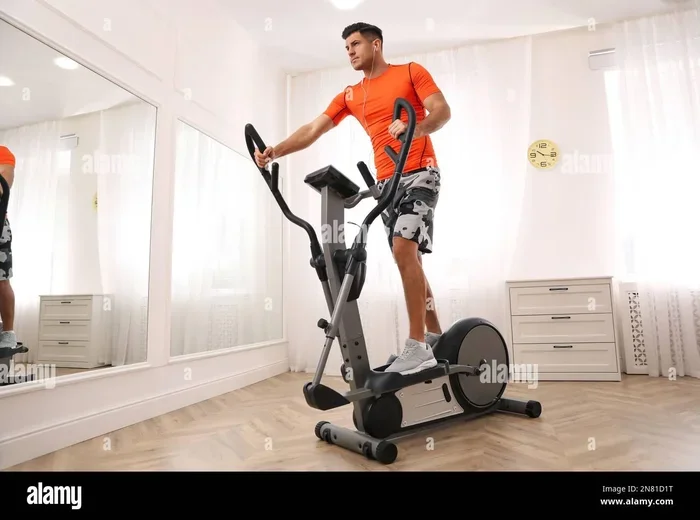
Stand tall on the elliptical. Keep your shoulders back and your core gently engaged. Do not lean heavily on the handlebars. Your body should feel balanced and upright.
Your feet should stay flat on the pedals. Avoid letting your heels lift or your toes dig in. Smooth, even strides protect your knee and create a natural pedaling rhythm.
Choose the Right Stride Length
Not all ellipticals are the same. Stride length matters, especially for knee replacement patients. A stride that is too short can feel cramped. A stride that is too long can strain your joint.
Most experts recommend a stride length between 18 and 20 inches for average-height users. If you are taller or shorter, adjust accordingly. Some machines allow you to adjust the stride. If yours does, experiment to find what feels most natural for your knee.
For more guidance on finding the perfect fit, check out our article on what stride length you should use on an elliptical. It offers helpful tips for matching your body type to the right machine.
Warm Up and Cool Down
Never skip the warm up. Spend 3 to 5 minutes at a very slow pace before increasing intensity. This prepares your muscles and joints for movement.
After your session, cool down with another 3 to 5 minutes at a low pace. Gentle stretching afterward helps maintain flexibility and reduces stiffness. These simple habits make a big difference in how your knee feels the next day.
Common Mistakes to Avoid
Even with the best intentions, it is easy to make mistakes when returning to exercise after knee replacement. Here are the most common ones to watch for.
Going Too Hard, Too Soon
This is the number one mistake. The elliptical feels easy, so it is tempting to push longer or harder than your knee can handle. Resist that urge. Recovery is not a race. Your knee needs time to adapt to new loads.
A good test: if you feel increased pain or swelling the next day, you did too much. Back off and try a shorter session next time.
Ignoring Pain Signals
Some discomfort during exercise is normal. Sharp, shooting, or persistent pain is not. Do not ignore these signals. They are your body’s way of saying something is wrong.
Stop immediately if you feel sharp pain. Rest, ice, and contact your doctor if the discomfort continues. Pushing through pain after knee replacement can lead to serious setbacks.
Skipping Physical Therapy Sessions
The elliptical is a supplement to your rehab program, not a replacement. Continue attending your scheduled physical therapy sessions. Your therapist guides your recovery with targeted exercises that the elliptical alone cannot provide.
Think of the elliptical as a helpful tool that supports your therapy. It keeps your heart healthy and your joints mobile between sessions. But the structured exercises from your therapist remain the foundation of your recovery.
Neglecting Strength Training
Cardio is important, but so is building strength around your knee. Weak muscles put more stress on your joint. Include gentle knee replacement exercises that target your quadriceps, hamstrings, and calves.
Your physical therapist can recommend specific strength exercises. Pair these with your elliptical sessions for the best results. A balanced approach delivers faster, more lasting recovery.
Elliptical vs. Other Machines After Knee Replacement
You might wonder how the elliptical compares to other popular machines during knee rehabilitation. Here is a quick look at the options.
| Machine | Impact Level | Knee-Friendly? | Best For |
|---|---|---|---|
| Elliptical | Very Low | Yes | Full body cardio, joint protection |
| Stationary Bike | Very Low | Yes | Leg strength, range of motion |
| Treadmill | High | Careful | Walking only, no running early on |
| Rowing Machine | Low | Yes (with caution) | Full body, but requires good form |
The elliptical and stationary bike are generally the safest choices. Both offer low impact cardio that respects your healing knee. Walking on a treadmill can work too, but avoid jogging or incline walking until your surgeon clears you.
For those interested in other options, our article on walking on a treadmill after knee replacement covers treadmill use in detail.
If you are curious about how the elliptical compares for calorie burning, our piece on how many calories you can burn on an elliptical provides useful data for planning your workouts.
Expert Tips for Long Term Elliptical Use
Once you are past the early recovery phase, the elliptical can become a staple of your fitness routine. Here are tips to keep your knee healthy for the long haul.
Vary Your Workouts
Doing the same elliptical routine every day can lead to overuse. Mix in other low impact exercises like swimming, cycling, or gentle yoga. Variety protects your knee and keeps workouts interesting.
Track Your Progress
Use your elliptical machine’s display to track time, distance, and resistance. Watching your numbers improve over weeks and months is motivating. It also helps you and your doctor assess how well your knee is recovering.
Stay Consistent
Consistency is the secret sauce of knee rehabilitation. Three short sessions per week beat one long session. Show up regularly, keep the intensity manageable, and let your body adapt at its own pace.
Invest in Proper Footwear
Wear supportive athletic shoes when using the elliptical. Good shoes absorb shock and stabilize your feet. This small detail can reduce strain on your knee during every session.
Final Thoughts
Using an elliptical after knee replacement is not only possible, it is often one of the best decisions you can make for your recovery. The smooth, low impact motion protects your new joint while keeping your heart and lungs strong.
Remember to follow your surgeon’s timeline, start slow, and listen to your body. The elliptical is a powerful tool in your knee replacement recovery toolkit. Use it wisely, stay consistent, and enjoy the journey back to full mobility.
Your new knee is built to last. With the right approach, you will be gliding on that elliptical for years to come. Trust the process, stay patient, and celebrate every small win along the way.
Frequently Asked Questions
How soon after knee replacement can I use an elliptical?
Most surgeons recommend waiting 4 to 8 weeks before starting elliptical use. However, every patient heals differently. Always get explicit clearance from your orthopedic doctor before beginning any post surgery exercise on the elliptical.
Is the elliptical safe for someone with a knee replacement?
Yes, the elliptical is generally considered one of the safest cardio machines after knee replacement. Its smooth, gliding motion creates very little joint impact, making it ideal for knee rehabilitation and long term joint health.
Can using an elliptical damage my new knee joint?
When used correctly and at the right time, the elliptical should not damage your knee replacement. The key is to start slowly, use low resistance, and stop if you feel sharp pain. Following your physical therapist’s guidance is essential for safe use.
How long should my elliptical sessions be after knee replacement?
Start with just 5 to 10 minutes per session. Gradually increase to 15 to 20 minutes by week 8, and up to 30 minutes by week 12 or later. Short, consistent sessions are far better than occasional long ones during recovery.
Should I use the elliptical every day after knee replacement?
No, 3 to 4 sessions per week is ideal during the early recovery phase. Daily use may be appropriate later, but only if your body tolerates it well. Rest days are important for joint healing and muscle recovery.
What are the best elliptical settings for knee replacement patients?
Start with zero or minimal resistance, a flat incline, and a short duration. As your knee strengthens, slowly increase resistance and time. Avoid high incline and high resistance settings until your surgeon or therapist gives the okay for more intense workouts.