The Best Way to Cook Filet Mignon Indoors Perfectly
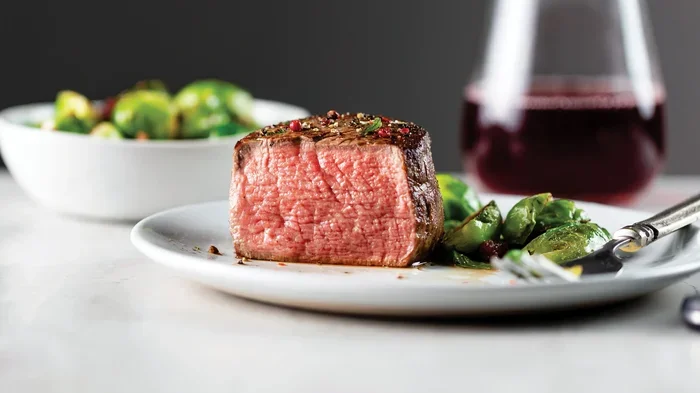
Learn the best way to cook filet mignon indoors with this complete guide. We cover everything from selecting the perfect cut to searing, oven-finishing, and resting your steak. Whether you are a beginner or a seasoned home cook, these proven techniques will help you achieve a restaurant-quality filet mignon right in your own kitchen. No special equipment is needed, just a cast iron skillet, a little patience, and the right approach.
Key Takeaways
- Use a cast iron skillet: It holds heat evenly and creates a perfect sear on your filet mignon.
- Bring the steak to room temperature first: This ensures even cooking from edge to center.
- Sear before finishing in the oven: The reverse sear method gives you a crispy crust and a pink center.
- Rest your steak after cooking: This locks in the juices and keeps your filet mignon tender and juicy.
- Use a meat thermometer: It takes the guesswork out of achieving your desired steak doneness.
- Season simply but well: Salt, pepper, garlic, and fresh herbs are all you need for a flavorful result.
- Patience is the secret ingredient: Rushing the process leads to uneven cooking and a tough texture.
📑 Table of Contents
- The Best Way to Cook Filet Mignon Indoors: A Complete Guide
- Choosing the Right Filet Mignon
- Essential Tools and Equipment
- Preparing Your Filet Mignon
- The Cooking Process Step by Step
- Resting and Serving Your Filet Mignon
- Common Mistakes to Avoid
- Quick Tips for Perfection
- Frequently Asked Questions
- Final Thoughts
The Best Way to Cook Filet Mignon Indoors: A Complete Guide
Cooking filet mignon indoors does not have to be intimidating. In fact, with the right method, you can get results that rival any upscale steakhouse. The best way to cook filet mignon indoors combines a hot sear with a gentle oven finish. This approach gives you a crispy, golden crust while keeping the inside perfectly pink and tender.
Many people think you need an outdoor grill to cook a great steak. That is simply not true. Your kitchen stovetop and oven are all you need. In this guide, we walk you through every step. You will learn how to select the right cut, prepare it properly, sear it to perfection, and finish it in the oven. By the end, you will feel confident cooking a restaurant-quality filet mignon in your own home.
If you already stay active with a treadmill, you know that precision matters in both exercise and cooking. The same attention to detail applies here. Small choices, like the thickness of your cut or the temperature of your pan, make a big difference in the final result.
Choosing the Right Filet Mignon
The journey to a perfect indoor steak starts at the butcher counter. Not all filet mignon cuts are created equal. Taking a few extra minutes to choose wisely pays off in a big way.
Look for the Right Thickness
Thick-cut filet mignon works best for indoor cooking. Aim for cuts that are at least 1.5 inches thick. Thinner steaks overcook easily and lose their juicy tenderness. A thicker cut gives you more control over the sear and the oven finish.
Check the Color and Marbling
Good filet mignon should have a bright red color with fine streaks of white fat throughout. This marbling melts during cooking and adds flavor. Avoid cuts that look gray or have large chunks of hard fat. The meat should feel firm but slightly moist when you press it.
Buy from a Trusted Source
Whenever possible, buy your beef from a local butcher or a trusted meat supplier. Fresh, high-quality beef makes a noticeable difference. If you buy pre-packaged steak, check the sell-by date and look for vacuum-sealed packaging. This keeps the meat fresher for longer.
Just like choosing a kettlebell for your home gym, picking the right cut of beef makes all the difference. The foundation of a great dish starts with great ingredients.
Essential Tools and Equipment
You do not need a lot of fancy equipment to cook filet mignon indoors. A few key tools will set you up for success every time.
The Cast Iron Skillet
A cast iron skillet is the single most important tool for indoor steak cooking. It retains heat incredibly well and distributes it evenly across the surface. This means you get a consistent, beautiful sear on every side of your steak. If you do not own one yet, it is worth the investment.
A Meat Thermometer
A digital meat thermometer is your best friend when cooking filet mignon indoors. It removes all the guesswork. You can check the internal temperature without cutting into the steak and losing precious juices. Instant-read thermometers work great and give you a reading in just a few seconds.
Tongs and a Hot Mitt
Use long-handled tongs to flip your steak. They give you better control and keep your hands safely away from the heat. A sturdy oven mitt is also essential, especially when moving the skillet in and out of the oven.
Much like finding the best exercise bike for your needs, selecting the right pan is crucial for getting the results you want. The right tool makes the process smoother and the outcome much better.
Preparing Your Filet Mignon
Proper preparation is the step most people skip. Taking a few extra minutes here makes a huge difference in how your steak turns out.
Bring the Steak to Room Temperature
Take your filet mignon out of the refrigerator about 30 to 45 minutes before cooking. This lets the meat come to room temperature. When the steak is evenly warm, it cooks more uniformly from edge to center. A cold steak going into a hot pan leads to a gray band of overcooked meat around the edges.
Pat Dry and Season Generously
Use paper towels to pat the steak completely dry on both sides. Moisture is the enemy of a good sear. A dry surface browns faster and creates that beautiful crispy crust you are looking for.
Season generously with coarse salt and freshly cracked black pepper. Do this just before placing the steak in the pan. Salt draws out moisture if applied too early, which works against your goal of a dry surface.
Add Aromatics for Extra Flavor
For an extra layer of flavor, add a few cloves of smashed garlic and sprigs of fresh rosemary or thyme to the pan. These aromatics infuse the butter and create a fragrant baste as the steak cooks. It is a simple trick that elevates the dish in a big way.
The Cooking Process Step by Step
This is where the magic happens. Follow these steps carefully and you will be rewarded with a stunning filet mignon every single time.
Step 1: Preheat Your Pan
Place your cast iron skillet on the stove over medium-high heat. Let it get really hot before you add any oil. You can test the heat by flicking a few drops of water into the pan. If they sizzle and evaporate immediately, the pan is ready. This preheating step is essential for a proper sear.
Step 2: Add Oil and the Steak
Add a high-smoke-point oil like avocado oil or grapeseed oil to the hot skillet. Place the filet mignon gently into the pan. You should hear a loud, satisfying sizzle. If you do not, your pan is not hot enough. Let the steak cook undisturbed for about 3 to 4 minutes on the first side.
Step 3: Sear the Other Side
Using tongs, flip the steak to the other side. Sear for another 3 to 4 minutes. If you want to add butter and aromatics, this is the time. Add a tablespoon of butter, smashed garlic, and fresh herbs to the pan. Tilt the skillet slightly and use a spoon to baste the melting butter over the steak repeatedly.
Step 4: Finish in the Oven
Transfer the entire skillet to a preheated oven set to 400°F (200°C). This is the reverse sear method and it works beautifully for thick-cut filet mignon. Bake for about 5 to 8 minutes depending on the thickness of your steak and your desired level of doneness.
Step 5: Check the Temperature
Use your meat thermometer to check the internal temperature. Here is a quick guide for steak doneness:
- Rare: 120°F to 125°F
- Medium Rare: 130°F to 135°F
- Medium: 135°F to 145°F
- Medium Well: 145°F to 155°F
- Well Done: 155°F and above
Remember that the temperature will rise about 5 degrees as the steak rests. Pull the steak off the heat a few degrees before your target temperature.
If you are someone who enjoys an elliptical workout at home, you appreciate equipment that delivers results without unnecessary complications. The same philosophy applies to cooking your steak. Keep it simple, keep it precise, and the results will speak for themselves.
Resting and Serving Your Filet Mignon
The final step is just as important as the cooking process. Never skip resting your steak.
Why Resting Matters
When you cook a steak, the juices inside get pushed toward the center. If you cut into it immediately, all those juices run out onto the cutting board. Resting allows the juices to redistribute evenly throughout the meat. This makes every bite moist and flavorful.
How Long to Rest
Let your filet mignon rest on a warm plate for at least 5 to 7 minutes. Tent it loosely with aluminum foil to keep it warm. Do not wrap it tightly, or you will trap steam and soften the crispy crust you worked so hard to create.
Serving Suggestions
Filet mignon pairs beautifully with a simple side. Consider serving it with:
- Crispy roasted potatoes
- Garlic butter mushrooms
- A fresh green salad with lemon vinaigrette
- Roasted asparagus or broccolini
- Creamy mashed potatoes
A drizzle of the pan juices over the sliced steak adds incredible flavor. Those juices carry the essence of the sear, the butter, and the herbs. Do not let them go to waste.
Common Mistakes to Avoid
Even experienced cooks make mistakes when preparing filet mignon indoors. Here are the most common errors and how to avoid them.
Starting with a Cold Steak
This is the number one mistake people make. A cold steak cooks unevenly. The outside overcooks while the inside stays raw. Always let your steak come to room temperature before it hits the pan.
Not Preheating the Pan Enough
A lukewarm pan will steam the steak instead of searing it. You need a screaming hot pan for that perfect brown crust. Be patient and give the pan enough time to heat up fully.
Moving the Steak Too Much
Once you place the steak in the pan, leave it alone. Moving it around prevents a proper sear from forming. Trust the process and let the heat do its work.
Skipping the Thermometer
Guessing the doneness of your steak almost always leads to disappointment. A meat thermometer takes the guesswork out of cooking and ensures consistent results every time.
Cutting Into the Steak Too Early
It is tempting to cut into the steak to check if it is done. Resist this urge. Use the thermometer and let the steak rest. You will be rewarded with a juicier, more flavorful result.
Quick Tips for Perfection
Here are some bonus tips to take your indoor filet mignon to the next level:
- Salt your steak the night before. This draws out moisture, dissolves the salt, and then the moisture gets reabsorbed. The result is a more seasoned and tender steak.
- Use unsalted butter for basting. This gives you control over the salt level while adding rich, creamy flavor.
- Let the pan do the work. A properly preheated cast iron skillet needs very little intervention. Trust the heat.
- Sear the edges too. Use tongs to hold the steak on its edges for 30 seconds on each side. This renders any external fat and adds extra flavor.
- Add a touch of honey or brown sugar to your rub. This creates an incredibly caramelized, flavorful crust.
Frequently Asked Questions
Can I cook filet mignon in a regular skillet instead of cast iron?
You can, but cast iron is highly recommended. It retains heat much better than regular pans and gives you a superior sear. If you only have a nonstick skillet, cook on medium heat and be gentle when flipping. The results will still be good, but not quite as impressive.
How long should I cook a 2-inch thick filet mignon indoors?
For a 2-inch thick filet mignon, sear each side for about 3 to 4 minutes in a hot cast iron skillet. Then finish in a 400°F oven for 5 to 8 minutes. The exact time depends on your desired level of doneness. Always use a meat thermometer for the most accurate result.
What is the reverse sear method and why does it work so well indoors?
The reverse sear method involves searing the steak first on the stovetop and then finishing it gently in the oven. This approach works wonderfully indoors because it gives you full control over the cooking temperature. The oven heats the steak evenly while the stovetop sear adds that delicious crispy crust. It is the best way to cook filet mignon indoors for consistent, restaurant-quality results.
Do I need to oil the steak or the pan?
Oil the pan, not the steak. Steak has enough natural fat, and adding oil directly to the meat can cause it to splatter. Use a high-smoke-point oil in your hot pan and then place the steak gently in. This prevents sticking and gives you a clean, even sear.
Can I use frozen filet mignon for indoor cooking?
It is best to use fresh or fully thawed filet mignon. Cooking from frozen leads to uneven cooking and a poor sear. If you must cook from frozen, thaw the steak in the refrigerator overnight first. Then bring it to room temperature before cooking for the best results.
What is the best way to reheat leftover filet mignon indoors?
The best way to reheat leftover filet mignon is in a cast iron skillet over medium-low heat with a little butter. This gently warms the steak without overcooking it. You can also use a low oven at 250°F for about 10 minutes. Avoid microwaving, as it tends to dry out the meat and ruin the texture.
Final Thoughts
Cooking filet mignon indoors is one of the most rewarding things you can do in the kitchen. It does not require expensive equipment or years of experience. With a good cast iron skillet, a reliable meat thermometer, and a little patience, you can cook a perfect filet mignon that will impress anyone at your table.
The best way to cook filet mignon indoors is the method we have outlined in this guide. Sear it hot, finish it in the oven, let it rest, and serve it with confidence. Every time you follow these steps, you will get better results. Practice makes perfect, and soon this will become your go-to recipe for a special night in.
Remember that cooking is about enjoying the process as much as the result. Put on some music, pour yourself a glass of wine, and savor the experience of creating something beautiful in your own kitchen. Your filet mignon will thank you for it.