Meat Temperature Chart for Perfectly Cooked Meat Every Time
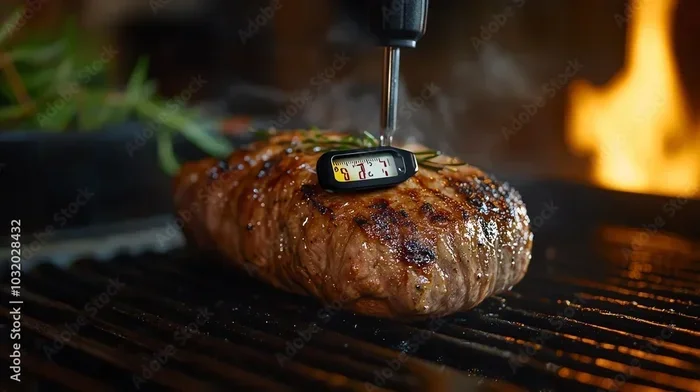
A meat temperature chart is the easiest way to ensure every cut of meat is cooked safely and deliciously. Whether you are grilling steaks, roasting chicken, or baking pork, knowing the right internal temperature prevents overcooking and foodborne illness. This guide walks you through safe cooking temperatures for all popular meats with simple tips you can use today.
Cooking meat can feel tricky. One side burns while the other stays raw. You cut into a steak and wonder if it is done enough. Or you serve chicken that looks fine but might not be safe. These problems happen to everyone, from beginners to seasoned cooks.
The solution is simple. Use a meat temperature chart. A good chart takes all the guesswork out of cooking. It tells you exactly what internal temperature each type of meat needs. With the right meat thermometer and a reliable reference chart, you can cook every cut perfectly. No more dried-out steaks or undercooked chicken.
In this guide, we break down everything you need to know. We cover safe cooking temperatures for beef, pork, chicken, lamb, and ground meats. We also share practical tips on how to use a thermometer correctly and avoid common mistakes. By the end, you will feel confident cooking any meat to perfection.
Key Takeaways
- Use a meat thermometer: It is the only reliable way to check if your meat is done.
- Know safe internal temperatures: Different meats require different minimum temperatures for food safety.
- Account for carryover cooking: Meat continues to rise in temperature after you remove it from heat.
- Rest your meat: Letting meat rest redistributes juices and improves flavor and texture.
- Check multiple spots: Temperature varies across thick cuts, so measure in more than one place.
- Follow a meat temperature chart: It removes guesswork and gives you consistent results every time.
📑 Table of Contents
What Is a Meat Temperature Chart?
A meat temperature chart is a simple reference guide. It lists the recommended internal temperatures for different types of meat. Each entry shows the minimum safe temperature and often the ideal doneness level too. Think of it as a cheat sheet for perfect cooking.
These charts come in many forms. You can find printable versions online. Some are built into meat thermometers. Others appear in cooking apps. No matter the format, the goal is the same. Help you cook meat safely and deliciously every single time.
Why Every Cook Needs One
Relying on color or touch to judge doneness is unreliable. Meat can look pink even when fully cooked. It can brown before reaching a safe internal temperature. A meat temperature chart removes all that uncertainty. You get clear numbers to follow instead of guessing.
Food safety is another big reason. Undercooked meat can harbor harmful bacteria like Salmonella and E. coli. A chart helps you hit the food safety temperature for each meat type. This protects you and your family from foodborne illness.
Why Internal Meat Temperature Matters
The internal meat temperature is the single most important factor in cooking meat. It determines both safety and quality. Let us break down why this matters so much.
Food Safety First
Different meats carry different risks. Poultry, for example, often contains Salmonella. Pork can harbor parasites if not cooked properly. Ground meats spread bacteria throughout the product during processing. Each of these needs a specific minimum temperature to be safe.
Using a meat temperature chart ensures you always hit those safe thresholds. You never have to wonder if your chicken is done enough. The numbers do not lie. They give you peace of mind with every meal.
Quality and Doneness
Temperature also controls how your meat tastes and feels. A rare steak temperature of 120 to 125 degrees Fahrenheit gives you a juicy, red center. A medium-rare temperature of 130 to 135 degrees offers a warm pink center. Push it to well-done temperature at 160 degrees and above, and the meat becomes dry and tough.
Knowing your target temperature lets you cook exactly the way you like it. You are not guessing. You are following proven numbers that deliver consistent results every time.
Carryover Cooking Explained
One concept that confuses many cooks is carryover cooking. After you pull meat off the heat, its internal temperature continues to rise. This happens because the outer layers are hot and transfer heat inward.
A good meat temperature chart accounts for this. Most guides recommend pulling meat 5 to 10 degrees below your target. During the rest period, the temperature climbs to the perfect level. Ignoring carryover cooking is one of the top reasons people overcook their meat.
Meat Temperature Chart by Type
Here is where the meat temperature chart becomes your best kitchen tool. We have broken it down by meat type so you can find what you need fast.
Beef Temperatures
Beef is versatile and forgiving when you know your numbers. Here are the standard temperatures for beef steaks and roasts:
- Rare: 120 to 125 degrees Fahrenheit
- Medium Rare: 130 to 135 degrees Fahrenheit
- Medium: 140 to 145 degrees Fahrenheit
- Medium Well: 150 to 155 degrees Fahrenheit
- Well Done: 160 degrees Fahrenheit and above
For BBQ meat temperature goals, most barbecue enthusiasts aim for medium-rare on steaks. For brisket and pulled pork, you cook until the meat reaches much higher internal temperatures, often 195 to 205 degrees Fahrenheit, where collagen breaks down and creates tender, pullable texture.
Pork Temperatures
Pork used to be cooked to very high temperatures. That is no longer the case. Modern pork is safe and juicy at lower temps:
- Safe Minimum: 145 degrees Fahrenheit with a 3-minute rest
- Medium: 145 to 150 degrees Fahrenheit
- Well Done: 160 degrees Fahrenheit and above
Pork chops and roasts are best around 145 degrees for a juicy, slightly pink center. This pork temperature range keeps the meat tender and flavorful.
Poultry Temperatures
Poultry needs extra care. Chicken and turkey carry higher food safety risks. Always cook these to the proper poultry cooking temperature:
- Chicken Breast: 165 degrees Fahrenheit
- Whole Chicken: 165 degrees Fahrenheit (check thickest part)
- Turkey Breast: 165 degrees Fahrenheit
- Whole Turkey: 165 degrees Fahrenheit in the thigh
- Ground Poultry: 165 degrees Fahrenheit
Poultry is the one meat category where you should never go below the safe minimum. Undercooked chicken is one of the leading causes of food poisoning. Always verify your chicken temperature with a thermometer.
Ground Meat Temperatures
Ground meats need special attention because grinding spreads bacteria throughout the product:
- Ground Beef: 160 degrees Fahrenheit
- Ground Pork: 160 degrees Fahrenheit
- Ground Chicken or Turkey: 165 degrees Fahrenheit
- Ground Lamb: 160 degrees Fahrenheit
The ground beef temperature of 160 degrees is the only safe target. Even if you prefer a pink center in a whole steak, ground meat must reach this full temperature to ensure safety.
Lamb and Other Meats
Lamb follows similar guidelines to beef:
- Rare: 120 degrees Fahrenheit
- Medium Rare: 130 degrees Fahrenheit
- Medium: 140 degrees Fahrenheit
- Well Done: 160 degrees Fahrenheit
Veal and game meats also have specific targets. A reliable meat temperature chart includes these options so you can cook every type of meat with confidence.
How to Use a Meat Thermometer Correctly
A meat thermometer is only as good as how you use it. Many people make small mistakes that throw off their readings. Let us fix that right now.
Choose the Right Thermometer
There are several types of meat thermometers available:
- Instant-read thermometers: Quick and affordable. Insert and wait 15 to 30 seconds for a reading.
- Probe thermometers: Stay in the meat during cooking. Great for oven-baked meat and smoking.
- Wireless thermometers: Send temperature readings to your phone. Perfect for long cooks like brisket or roast.
- Dial thermometers: Simple and reliable. No batteries needed.
Pick the type that fits your cooking style. An instant-read thermometer works great for most home cooks. If you smoke or slow-cook often, a probe thermometer is a game-changer.
Where to Insert the Probe
Placement matters a lot. Here is where to measure:
- Insert into the thickest part of the meat
- Avoid touching bone, fat, or gristle
- For steaks, insert from the side into the center
- For poultry, measure the inner thigh near the breast
- For ground meat patties, insert through the side
Measuring in the right spot gives you an accurate grill temperature reading for that specific cut. Wrong placement leads to false readings and potentially unsafe food.
When to Check the Temperature
Start checking your meat about 10 minutes before it reaches the expected finish time. This gives you time to adjust the heat if needed. For thick roasts, check in multiple spots. Temperature can vary by 10 or more degrees across a large cut.
Common Mistakes to Avoid
Even experienced cooks make mistakes with meat temperatures. Here are the most common ones and how to avoid them.
Not Using a Thermometer at All
This is the biggest mistake. Many people rely on juice color, firmness, or time alone. None of these methods are reliable. A meat temperature chart paired with a thermometer is the only foolproof method. Skip the guesswork and just use a thermometer.
Forgetting Carryover Cooking
We mentioned this earlier but it deserves emphasis. Meat continues cooking after you remove it from the heat source. A steak pulled at 125 degrees will rise to 130 to 135 during resting. That is the medium-rare temperature range. If you wait for 130 on the grill, you will end up at 140 or higher. Pull early and let the chart guide you.
Not Resting the Meat
Resting is not optional. When meat rests, the juices redistribute throughout the cut. Cutting too early releases those juices onto the cutting board instead of keeping them in the meat. Most meat temperature charts include recommended rest times:
- Steaks and chops: 5 to 10 minutes
- Roasts: 10 to 20 minutes
- Ground meat patties: 3 to 5 minutes
- Poultry: 5 to 10 minutes
Checking Only One Spot
Temperature varies across thick cuts. The center might be 130 degrees while the edge is 150 degrees. For best results, check in two or three spots. This is especially important for large roasts and whole poultry.
Using a Dirty Thermometer
Residual food on your thermometer can give false readings and spread bacteria. Always clean your probe between checks. A quick wipe with a damp cloth or rinse under hot water does the trick.
Pro Tips for Perfect Meat Every Time
Want to take your meat cooking to the next level? Here are some expert-level tips that make a huge difference.
Bring Meat to Room Temperature First
Take your meat out of the refrigerator 30 to 60 minutes before cooking. Cold meat cooks unevenly. The outside overcooks while the center stays too cold. Bringing meat closer to room temperature helps it cook more evenly from edge to center.
Calibrate Your Thermometer
Thermometers can drift over time. Test yours by inserting it into a glass of ice water. It should read 32 degrees Fahrenheit. If it does not, adjust it or replace it. An uncalibrated thermometer ruins even the best meat temperature chart guidance.
Use the Touch Test as a Backup
While a thermometer is the best tool, the touch test helps you build intuition. Compare the firmness of your meat to the feel of your palm:
- Rare: Feel the base of your thumb when your hand is relaxed
- Medium Rare: Touch your thumb to your index finger
- Medium: Touch your thumb to your middle finger
- Well Done: Touch your thumb to your pinky
This trick does not replace a thermometer. But it is a handy backup when you are in a rush or away from your kitchen tools.
Invest in a Good Meat Thermometer
A quality thermometer pays for itself in better meals. Look for one that is fast, accurate, and easy to read. Digital instant-read models under 20 dollars work great for most home cooks. If you smoke or grill often, a wireless probe thermometer is worth the investment.
Quick Reference: Meat Temperature Chart
Here is a quick overview to keep handy. Print this out or save it to your phone for easy access while cooking:
- Beef Steak (Medium Rare): 130 to 135 degrees Fahrenheit
- Beef Roast: 145 degrees Fahrenheit (medium)
- Pork Chop: 145 degrees Fahrenheit
- Chicken Breast: 165 degrees Fahrenheit
- Ground Beef: 160 degrees Fahrenheit
- Lamb Chop: 130 to 135 degrees Fahrenheit (medium rare)
- Brisket (Pulled): 195 to 205 degrees Fahrenheit
- Fish: 145 degrees Fahrenheit
Keep this list near your cooking area. The more you use it, the more natural the temperatures become. Soon you will not even need the chart because your instincts will be trained.
Conclusion
A meat temperature chart is one of the simplest and most powerful tools in any kitchen. It takes the mystery out of cooking meat. It keeps you safe from foodborne illness. And it delivers consistent, restaurant-quality results every time you cook.
Whether you are grilling a BBQ meat temperature target for brisket, roasting a pork loin to the right pork temperature, or checking your chicken temperature for dinner tonight, the chart has your back. Pair it with a reliable meat thermometer and a few good habits like resting and carryover awareness, and you will never serve a bad piece of meat again.
Start using a meat temperature chart today. Your taste buds and your family’s health will thank you. Cook with confidence, enjoy the process, and savor every perfectly cooked bite.
Frequently Asked Questions
What is the safest internal temperature for chicken?
The safest internal temperature for all poultry, including chicken and turkey, is 165 degrees Fahrenheit. This applies to breasts, thighs, wings, and whole birds. Always use a meat thermometer to verify this temperature in the thickest part of the meat.
Can I trust the color of meat to know if it is done?
No, color is not a reliable indicator of doneness. Meat can be pink even when fully cooked, and brown meat can still be undercooked. Always use a meat temperature chart and a thermometer to check the internal meat temperature. This is the only way to ensure both safety and quality.
What is carryover cooking and why does it matter?
Carryover cooking means the meat continues to rise in temperature after you remove it from the heat source. The hot outer layers transfer heat to the center. This is why most meat temperature charts recommend pulling meat 5 to 10 degrees below your target. During the rest period, the temperature reaches the perfect level naturally.
What is the safe temperature for ground beef?
Ground beef must reach an internal temperature of 160 degrees Fahrenheit to be safe. The grinding process spreads bacteria throughout the meat, so it needs a higher temperature than whole cuts. Always use a meat thermometer and never rely on color for ground meat.
How often should I calibrate my meat thermometer?
You should calibrate your thermometer at least once a month, or whenever it has been dropped or exposed to extreme temperatures. The ice water test is the easiest way to check accuracy. A properly calibrated thermometer ensures your meat temperature chart readings are always correct.
Is it okay to eat steak at a rare temperature?
Yes, for whole cuts of beef like steaks, a rare steak temperature of 120 to 125 degrees Fahrenheit is safe. The surface is where bacteria live, and searing kills those surface pathogens. However, this does not apply to ground beef, mechanically tenderized meat, or meats served to vulnerable populations like young children or elderly individuals.