Ina Garten Filet Mignon Oven Recipe That Everyone Loves
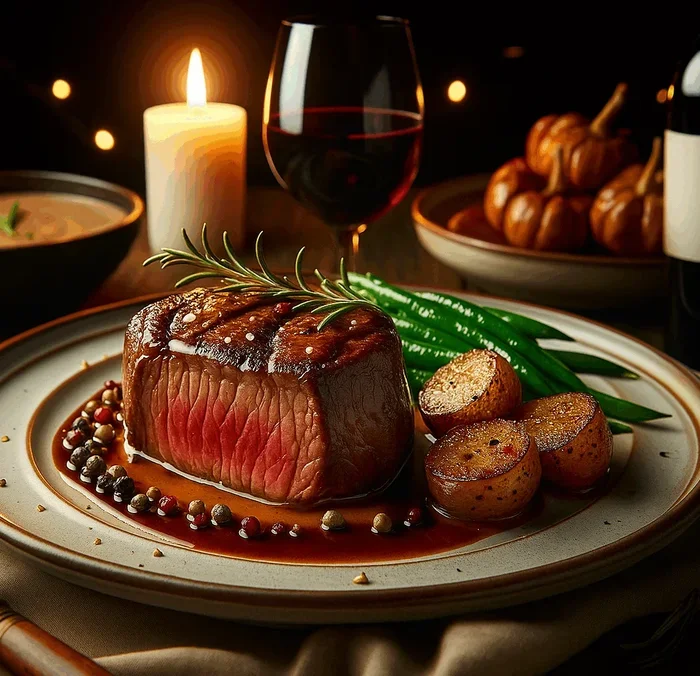
The Ina Garten filet mignon oven recipe delivers a perfectly juicy, restaurant-quality steak with minimal effort. This beloved Barefoot Contessa method uses simple ingredients and precise oven temperatures to create tender, flavorful beef every single time. Whether you are a beginner cook or a seasoned home chef, this guide walks you through every step with confidence. You will learn pro tips for seasoning, searing, and resting your steak the right way. Get ready to make the best steak of your life using Ina Garten’s trusted techniques.
There is something truly magical about a perfectly cooked filet mignon. The tender, juicy bite, the rich beefy flavor, and the elegant presentation all come together to create a meal that feels special. And when it comes to making the best filet mignon at home, few names carry as much authority as Ina Garten.
Known as the Barefoot Contessa, Ina Garten has inspired millions of home cooks with her simple yet sophisticated approach to food. Her filet mignon oven recipe is one of her most beloved dishes. It combines ease of preparation with stunning results. In this article, we will walk through her method step by step so you can recreate it in your own kitchen. You will learn why this recipe works, how to nail every detail, and what common mistakes to avoid.
Whether you are planning a romantic dinner for two or a special occasion meal, this Ina Garten filet mignon oven recipe will deliver. The beauty of her approach lies in its simplicity. You do not need a long list of ingredients or advanced cooking skills. Just a good cut of beef, a hot oven, and a little patience. Let us dive in and make the best steak you have ever tasted.
Key Takeaways
- Simple Ingredients: Ina Garten’s filet mignon oven recipe uses just a few high-quality ingredients for maximum flavor.
- Oven Method Made Easy: Baking steak in the oven ensures even cooking and a perfect finish every time.
- Restaurant-Quality Results: With the right temperature and timing, you get juicy, tender steak at home.
- Beginner-Friendly: No fancy equipment needed — just a basic oven, a skillet, and a meat thermometer.
- Versatile Recipe: This method works for different steak sizes and pairs beautifully with sides like roasted vegetables and mashed potatoes.
- Pro Techniques Included: Learn insider tips on searing, resting, and making a quick pan sauce for an elevated dish.
📑 Table of Contents
- Why Ina Garten’s Filet Mignon Oven Recipe Works
- Ingredients You Will Need
- Step-by-Step Instructions for the Ina Garten Filet Mignon Oven Recipe
- Pro Tips for Perfect Filet Mignon Every Time
- Common Mistakes to Avoid
- Serving Suggestions and Side Dishes
- How to Store and Reheat Leftover Steak
- Frequently Asked Questions
- Final Thoughts
Why Ina Garten’s Filet Mignon Oven Recipe Works
Ina Garten’s approach to cooking always focuses on flavor, simplicity, and reliability. Her filet mignon oven recipe is no exception. She believes in letting the quality of the ingredients shine. This means you do not need complicated techniques or exotic spices. A few well-chosen ingredients do all the heavy lifting.
The Power of Simple Ingredients
One of the reasons this recipe works so well is the ingredient list. Ina keeps it short and focused. You need a good beef tenderloin, olive oil, salt, pepper, garlic, and fresh thyme. That is it. The simplicity allows the natural flavor of the beef to take center stage. High-quality ingredients make all the difference when you are not masking flavors with heavy sauces.
The oven method also plays a key role. Baking the steak in a low-to-moderate oven ensures even cooking from edge to center. Unlike grilling, where heat can be uneven, the oven provides consistent warmth. This reduces the risk of a burnt outside and a cold inside. The result is a steak with a beautiful pink center and a lightly browned crust.
Why Oven-Baked Steak Beats Pan-Frying Alone
Many home cooks wonder why Ina uses the oven for filet mignon instead of just pan-searing it on the stove. The answer is control. When you sear a steak in a hot skillet and then finish it in the oven, you get a perfect crust without overcooking the center. This two-step method gives you the best of both worlds. You get a caramelized, flavorful exterior and a perfectly tender interior.
The oven also takes the guesswork out of cooking. With a meat thermometer, you can monitor the internal temperature and pull the steak at exactly the right moment. This level of precision is hard to achieve with stovetop cooking alone. For busy home cooks, this reliability is a game changer.
Ingredients You Will Need
Before you start cooking, gather everything you need. Having all your ingredients ready makes the process smooth and enjoyable. Here is what you will need for Ina Garten’s filet mignon oven recipe.
- Beef tenderloin (filet mignon): Look for a thick-cut tenderloin, about 1.5 to 2 inches thick. The quality of the beef matters greatly here.
- Olive oil: Use a good extra-virgin olive oil for searing and seasoning.
- Kosher salt: This draws out moisture and enhances the natural beef flavor.
- Freshly cracked black pepper: Freshly ground pepper has more aroma and bite than pre-ground.
- Garlic cloves: Whole cloves add subtle aroma during the oven bake.
- Fresh thyme sprigs: This herb adds a warm, earthy note that complements the beef beautifully.
- Unsalted butter: For finishing the steak with a rich, glossy butter baste.
When shopping for beef tenderloin, look for well-marbled meat with a bright red color. Marbling refers to the thin streaks of fat within the muscle. This fat melts during cooking and keeps the steak juicy and tender. Avoid any cuts that look gray or dry. A good butcher can help you select the perfect piece.
Choosing the Right Cut of Beef
The cut you choose matters more than you might think. Filet mignon comes from the small end of the beef tenderloin. It is naturally tender because this muscle does very little work. However, not all filet mignon cuts are created equal. Look for cuts that are at least 1.5 inches thick. Thicker cuts are easier to cook evenly and allow for a better sear.
You can buy a whole tenderloin and cut your own filet mignon steaks, or you can purchase pre-cut steaks from the butcher counter. Both options work well. If you buy a whole tenderloin, you have more control over the thickness and size of each steak. Pre-cut steaks are convenient and still deliver excellent results when you choose a quality cut.
Step-by-Step Instructions for the Ina Garten Filet Mignon Oven Recipe
Now let us get into the heart of the recipe. Follow these steps carefully and you will have a stunning filet mignon every time. The process is straightforward but requires attention to detail.
Step 1: Prep the Steak
Start by removing the beef tenderloin from the refrigerator about 30 to 45 minutes before cooking. Letting the steak come to room temperature is essential. A cold steak placed in a hot oven will cook unevenly. The outside may overcook while the center remains cold. Room temperature meat cooks more evenly and gives you better control over doneness.
Pat the steak dry with paper towels. This is a crucial step that many people skip. Moisture on the surface of the meat creates steam instead of a sear. Dry meat browns beautifully and develops that coveted crust. Season all sides generously with kosher salt and freshly cracked black pepper.
Step 2: Sear the Steak
Heat a cast iron skillet or oven-safe pan over medium-high heat. Add a generous drizzle of olive oil. Once the oil is shimmering and just beginning to smoke, carefully place the steak in the pan. You should hear a loud sizzle. That sizzle means you have the right temperature for a great sear.
Do not move the steak for about 2 to 3 minutes. Let it develop a deep brown crust on one side. Then flip it and sear the other side for another 2 minutes. Add whole garlic cloves, thyme sprigs, and a knob of butter to the pan during the last minute of searing. Tilt the pan slightly and spoon the fragrant butter over the steak repeatedly. This technique is called basting, and it infuses the steak with rich flavor.
Step 3: Transfer to the Oven
Once both sides are beautifully seared, transfer the entire pan to a preheated oven. Set the oven to 400 degrees Fahrenheit. The oven temperature is key here. Too hot and the steak will overcook on the outside before the center reaches the right temperature. Too low and you will not get a good crust.
Bake the steak for about 8 to 12 minutes depending on the thickness and your desired level of doneness. Use a meat thermometer inserted into the thickest part of the steak to check the internal temperature. Here are the target temperatures for different levels of doneness:
- Rare: 120 to 125 degrees Fahrenheit
- Medium Rare: 130 to 135 degrees Fahrenheit
- Medium: 140 to 145 degrees Fahrenheit
- Medium Well: 150 to 155 degrees Fahrenheit
For filet mignon, Ina Garten typically recommends cooking it to medium rare. This preserves the tenderness and juiciness that filet mignon is known for. The meat will continue to cook slightly after you remove it from the oven, so pull it a few degrees below your target temperature.
Step 4: Rest the Steak
This is the step most people rush through, but it is arguably the most important. Once the steak reaches the right temperature, remove it from the oven and let it rest on a cutting board for at least 5 to 10 minutes. During resting, the juices inside the steak redistribute. If you cut into it immediately, those juices will run out onto the cutting board instead of staying in the meat.
Resting your steak is like letting a sponge settle after being soaked. The fibers relax and reabsorb the moisture. This simple step makes the difference between a good steak and a great one. Do not skip it, no matter how eager you are to dig in.
Step 5: Make the Pan Sauce
While the steak is resting, use the pan drippings to make a quick and delicious sauce. Place the skillet back on the stove over medium heat. Add a splash of red wine or beef broth and scrape up any browned bits from the bottom of the pan. These browned bits, called fond, are packed with flavor. Let the liquid reduce by about half, then stir in a tablespoon of cold butter to finish the sauce.
Slice the rested steak against the grain and drizzle the pan sauce over the top. Garnish with fresh thyme leaves if you like. The result is a restaurant-quality dish that will impress anyone at the table.
Pro Tips for Perfect Filet Mignon Every Time
Even with a great recipe, small details can make or break your steak. Ina Garten’s success comes from paying attention to these details. Here are some pro tips that will elevate your cooking.
Use a Meat Thermometer
A meat thermometer is the single most important tool for cooking steak. Guessing the doneness by time alone is unreliable. Every oven, every pan, and every steak thickness is different. A thermometer removes all guesswork and tells you exactly when the steak is ready. Invest in a good instant-read thermometer and keep it handy.
Do Not Crowd the Pan
If you are cooking multiple steaks, give each one plenty of space in the skillet. Crowding the pan drops the temperature and creates steam. Steam prevents browning and leads to a gray, soggy exterior. Cook steaks in batches if needed. The extra few minutes of waiting are worth it for a perfect sear.
Let the Steak Rest
We mentioned this earlier because it truly matters. Resting allows the internal temperature to even out and the juices to settle. Place the steak on a warm plate and tent it loosely with aluminum foil. Do not wrap it tightly, as this traps steam and can soften the crust.
Season Generously but Early
Ina Garten seasons her steaks generously with salt. Some cooks worry that salting too early will draw out too much moisture. But if you salt the steak at least 40 minutes before cooking, the salt has time to dissolve and get reabsorbed into the meat. This actually improves the texture and flavor. If you are short on time, salting just before cooking still works well.
Common Mistakes to Avoid
Even experienced cooks make mistakes when preparing filet mignon. Being aware of these pitfalls helps you avoid them and achieve better results every time.
Starting with a Cold Steak
One of the most common mistakes is cooking a steak straight from the refrigerator. A cold center means uneven cooking. The outside can be overcooked by the time the inside reaches the desired temperature. Always take the steak out at least 30 minutes before cooking. This small step makes a huge difference.
Skipping the Sear
Some people skip the stovetop sear and go straight to the oven. While the oven will cook the steak, it will not create the flavorful crust that makes filet mignon so special. The sear adds texture and deep flavor through the Maillard reaction. This chemical process between amino acids and sugars in the meat creates hundreds of complex flavor compounds. Do not skip it.
Overcooking the Steak
Filet mignon is naturally lean, which means it has less fat to keep it moist. Overcooking dries it out quickly and turns a tender cut into something tough and chewy. Use your meat thermometer and pull the steak when it is a few degrees below your target temperature. The carryover cooking during resting will bring it up to the perfect doneness.
Cutting Too Soon
We cannot stress this enough. Cutting into the steak immediately after cooking releases all those precious juices. The steak may look juicy on the cutting board, but those juices are lost forever. Patience pays off here. Wait the full 5 to 10 minutes and your steak will reward you with every bite.
Serving Suggestions and Side Dishes
A great filet mignon deserves equally great sides. Ina Garten’s approach to food is all about balance and harmony. The rich, buttery steak pairs beautifully with simple, elegant sides that complement without competing.
Best Side Dishes for Filet Mignon
- Creamy mashed potatoes: The classic pairing. Silky, buttery mashed potatoes soak up the pan sauce perfectly.
- Roasted asparagus: The slight bitterness of asparagus cuts through the richness of the steak beautifully.
- Garlic butter green beans: A simple, vibrant side that adds color and freshness to the plate.
- Crispy roasted potatoes: Seasoned with rosemary and sea salt, these add a satisfying crunch.
- Caesar salad: A light, crisp salad balances the richness of the main course wonderfully.
For a complete Ina Garten-style dinner, keep the sides simple and elegant. Focus on fresh ingredients and clean flavors. A glass of red wine, such as a Cabernet Sauvignon or a Pinot Noir, adds the finishing touch to the meal.
How to Store and Reheat Leftover Steak
While filet mignon is best enjoyed fresh, leftovers can still be delicious if handled properly. Let the steak cool to room temperature, then wrap it tightly in plastic wrap or store it in an airtight container. Refrigerate within two hours of cooking. Properly stored, cooked steak keeps in the refrigerator for up to three days.
To reheat, use a low oven temperature of about 250 degrees Fahrenheit. Place the steak on a wire rack over a baking sheet and warm it gently for 15 to 20 minutes. The goal is to warm the steak slowly without drying it out. A quick sear in a hot pan for 30 seconds on each side can restore the crust. Avoid microwaving, as it tends to make the meat rubbery and unevenly heated.
Frequently Asked Questions
What is the best oven temperature for filet mignon?
The best oven temperature for filet mignon is 400 degrees Fahrenheit. This temperature provides enough heat to create a good crust after searing while cooking the steak evenly through the center. If your steak is very thick, you can lower the temperature slightly to 375 degrees to prevent the outside from overcooking before the inside reaches the right temperature.
How long should I cook filet mignon in the oven?
Cooking time depends on the thickness of the steak and your desired level of doneness. For a 1.5-inch thick filet mignon baked at 400 degrees Fahrenheit, plan for about 8 to 12 minutes. Always use a meat thermometer to check the internal temperature rather than relying on time alone. This is the most reliable way to achieve perfect doneness every time.
Can I use a different cut of beef for this recipe?
While filet mignon is the traditional choice for this Ina Garten recipe, you can use other tender cuts like strip steak or ribeye. Just keep in mind that these cuts have more fat and a stronger flavor profile. The cooking method remains the same, but the results will taste slightly different. Filet mignon works best because of its buttery tenderness and mild flavor.
Do I need a cast iron skillet for this recipe?
A cast iron skillet is ideal because it retains heat exceptionally well and creates an excellent sear. However, you can use any oven-safe skillet or stainless steel pan. Avoid non-stick pans for searing because they do not get hot enough to create a proper crust. If you do not have cast iron, a stainless steel oven-safe pan works very well.
How do I know when my filet mignon is done?
The most accurate way to check doneness is with a meat thermometer inserted into the thickest part of the steak. For medium rare, which is the recommended doneness for filet mignon, aim for an internal temperature of 130 to 135 degrees Fahrenheit. Remember that the temperature will rise a few degrees during resting, so pull the steak slightly below your target.
Can I make this recipe ahead of time?
You can prep the steak ahead of time by seasoning it and letting it rest in the refrigerator overnight. This actually improves the flavor as the salt penetrates the meat. However, the searing and oven cooking should be done just before serving for the best results. Filet mignon is at its peak when served immediately after cooking.
Final Thoughts
The Ina Garten filet mignon oven recipe is a testament to the beauty of simple, well-executed cooking. It proves that you do not need fancy techniques or expensive equipment to create a truly memorable meal. With a quality cut of beef, a few fresh ingredients, and a little attention to detail, you can serve a steak that rivals any fine dining restaurant.
This recipe has earned its place as a favorite among home cooks for good reason. It is reliable, forgiving, and consistently delivers outstanding results. Whether you are cooking for a special occasion or simply treating yourself to a wonderful dinner, this Ina Garten filet mignon oven recipe will not disappoint. Follow the steps, trust the process, and enjoy every bite of that perfectly cooked, juicy, tender steak. You deserve it.
So go ahead, fire up your oven, grab your cast iron skillet, and make this recipe tonight. Once you taste the difference that proper technique makes, you will never go back to a mediocre steak again. Happy cooking!