Are Exercise Mats and Yoga Mats the Same

Exercise mats and yoga mats look similar but serve different purposes. Yoga mats are thinner with better grip for poses, while exercise mats are thicker and cushioned for floor workouts. Choosing the right one depends on your fitness routine, body weight, and workout surface.
Are exercise mats and yoga mats the same? The short answer is no. They look alike at first glance, but they are built for very different purposes. If you have been using a yoga mat for intense floor workouts or an exercise mat for holding yoga poses, you might not be getting the best experience.
Understanding the differences between these two types of mats can save you money, prevent injuries, and improve your workout performance. In this guide, we break down everything you need to know about exercise mats vs yoga mats, including thickness, material, size, and which one fits your routine best.
Whether you are setting up a home gym or looking to upgrade your fitness gear, this article covers it all. Let us dive in.
Key Takeaways
- They are not the same: Exercise mats and yoga mats differ in thickness, material, and purpose.
- Yoga mats are thinner: Typically 3-5mm thick with a textured surface for grip during poses.
- Exercise mats are thicker: Usually 10-15mm or more, offering cushioning for joints during floor exercises.
- Material matters: PVC, TPE, rubber, and closed-cell foam each have unique benefits for different workouts.
- Size and density vary: Yoga mats are narrower, while exercise mats are wider and longer to support full-body movements.
- Pick based on your needs: Match the mat type to your primary workout style for the best results.
📑 Table of Contents
What Is an Exercise Mat?
An exercise mat is a thick, cushioned mat designed for floor-based workouts. These mats are built to protect your joints, spine, and tailbone during exercises like push-ups, planks, and stretching routines. They are the go-to choice for people who do body weight exercises on hard surfaces.
Thickness and Cushioning
Exercise mats are typically much thicker than yoga mats. Most range from 10mm to 25mm in thickness. This extra cushioning is essential for exercises that put pressure on your knees, hips, and lower back. The mat density determines how firm or soft the surface feels. Higher density means better support without sinking too much.
Material and Construction
Most exercise mats are made from closed-cell foam or PVC. Closed-cell foam is water-resistant and easy to clean, which makes it ideal for sweaty workouts. Some exercise mats use rubber for extra durability and grip. The mat material you choose affects everything from comfort to how long the mat lasts.
Common Uses
Exercise mats are perfect for a wide range of activities:
- Floor exercises and calisthenics
- Stretching and flexibility training
- Core workouts and ab routines
- Pilates (though a dedicated pilates mat is even better)
- Physical therapy and rehabilitation exercises
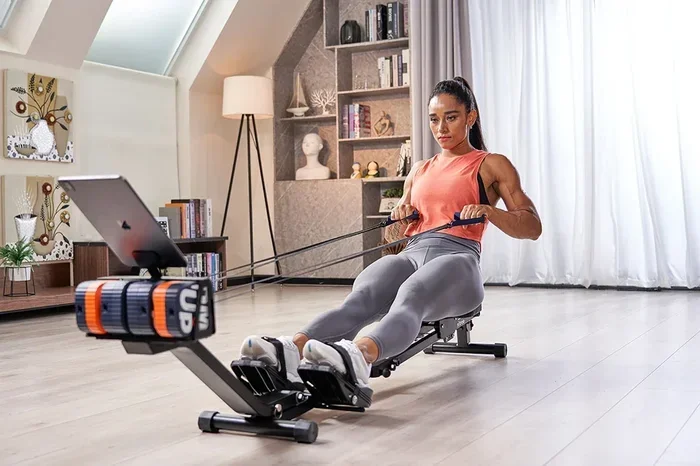
If your main goal is joint protection and cushioning during high-impact floor work, an exercise mat is the right choice. You can also explore rowing machine exercises as a complement to your floor routine for full-body fitness.
What Is a Yoga Mat?
A yoga mat is a specialized mat designed specifically for yoga practice. It is thinner and lighter than an exercise mat, with a textured surface that prevents your hands and feet from slipping during poses. The yoga surface needs to balance grip and cushioning without being too bulky.
Standard Thickness
Most yoga mats are between 3mm and 6mm thick. This thin profile keeps you close to the ground, which is important for balance poses and proper alignment. The standard yoga mat dimensions are around 68 inches long and 24 inches wide, though extra-long and wider options exist for taller practitioners.
Material Types
Yoga mats come in several materials, each with its own feel and benefits:
- PVC: The most common and affordable option. It offers good grip and durability.
- TPE: A more eco-friendly alternative that is lightweight and recyclable.
- Natural rubber: Excellent grip and cushioning, but heavier and sometimes has a strong smell.
- Cork: Sustainable, antimicrobial, and great for hot yoga sessions.
The type of foam used in yoga mats plays a big role in comfort and longevity. If you practice hot yoga, you will want a mat that resists moisture and provides a strong grip even when wet. Check out our guide on the best yoga mats for hot yoga for top picks.
Common Uses
Yoga mats are designed for:
- Yoga poses and flows
- Balance and standing poses
- Meditation and breathing exercises
- Low-impact stretching routines
- Pilates (with some overlap into exercise mat territory)
A yoga mat gives you the tactile feedback you need to feel grounded during your practice. It is not built to absorb the impact of repeated jumping or heavy body weight the way an exercise mat is.
Key Differences Between Exercise Mats and Yoga Mats
Now that you know what each mat is designed for, let us compare them side by side. Understanding these differences helps you make a smart buying decision.
Thickness Comparison
The most obvious difference is thickness. Yoga mats are slim and firm, while exercise mats are thick and soft. Here is a quick look at how they compare:
| Feature | Yoga Mat | Exercise Mat |
|---|---|---|
| Thickness | 3mm – 6mm | 10mm – 25mm |
| Weight | Light (1-3 lbs) | Heavier (3-8 lbs) |
| Surface Texture | Textured for grip | Smooth or lightly textured |
| Cushioning | Minimal | High |
| Best For | Yoga, balance, flexibility | Floor exercises, core work, stretching |
Grip and Traction
Yoga mats have a textured or patterned surface that keeps your hands and feet from slipping. This is critical when you are holding a tree pose or transitioning through a vinyasa flow. Exercise mats, on the other hand, focus more on cushioning than grip. Their smoother surface is fine for exercises where you stay in one place.
Size and Portability
Yoga mats are designed to be portable. Most fold or roll up easily and fit into a yoga bag. Exercise mats are bulkier and heavier, which makes them less convenient to carry around. If you need a mat you can take to the gym or a yoga class, a yoga mat wins for portability.
Durability and Lifespan
Exercise mats tend to last longer because they are made from denser materials. Yoga mats wear out faster, especially if you use them daily and sweat heavily. The mat density and quality of the material both play a role in how long your mat holds up. For yoga mats, regular cleaning helps extend their life. Learn more about washing yoga mats properly to keep them in great shape.
The Pilates Overlap
There is some overlap between yoga mats and exercise mats when it comes to pilates. Pilates requires both cushioning and grip. Some people use a yoga mat for pilates, while others prefer a thicker exercise mat. The difference between yoga and pilates mat designs is worth exploring if you practice both disciplines.
How to Choose the Right Mat for You
Choosing between an exercise mat and a yoga mat comes down to your fitness goals and workout style. Here is a simple guide to help you decide.
Choose a Yoga Mat If:
- You practice yoga regularly
- You need a lightweight, portable mat
- You do balance poses and flows that require grip
- You prefer a slim, firm surface close to the ground
- Your workouts are low-impact and focus on flexibility
Choose an Exercise Mat If:
- You do floor exercises, planks, and push-ups
- You need extra cushioning for your knees and back
- You work out on hard or rough surfaces
- You prefer a thicker, more supportive surface
- Your routine includes physical therapy or rehabilitation movements
Can You Use Both?
Yes, many fitness enthusiasts own both. A yoga mat is great for yoga and stretching sessions, while an exercise mat is better for intense floor workouts. If you have limited space, a thicker exercise mat can double as a yoga mat in a pinch, though it may feel too bulky for certain poses. For the best of both worlds, consider a medium-thickness mat around 6mm that works for light exercise and yoga alike.
Quick tip: always check the mat thickness and mat material before buying. A mat that is too thin will not protect your joints, and one that is too thick can throw off your balance during standing poses.
Common Mistakes People Make When Choosing a Mat
Avoid these common pitfalls when shopping for a fitness mat:
- Buying based on looks alone: A pretty mat does not mean it is right for your workout. Focus on thickness, grip, and material.
- Ignoring mat density: A soft mat might feel comfortable, but it may not provide enough support for heavy exercises.
- Choosing the wrong size: Make sure the mat is long enough for your height and wide enough for your movements.
- Skipping the test: If possible, try the mat in person. Feel the texture and test your grip before committing.
- Overlooking maintenance: A workout mat needs regular cleaning to stay hygienic and odor-free. Check out how to care for your mat based on its foam type.
Expert Tips for Getting the Most Out of Your Mat
Whether you choose a yoga mat or an exercise mat, these tips will help you get the best results:
- Roll your mat correctly. Always roll it with the top side facing out to prevent creasing and cracking.
- Store it in a cool, dry place. Heat and moisture can damage the material over time.
- Clean it after every use. A quick wipe with a mild cleanser keeps bacteria and sweat buildup at bay.
- Replace when it wears out. A mat that has lost its grip or cushioning can lead to slipping and discomfort during workouts.
- Match the mat to your workout. Do not use a yoga mat for heavy floor exercises, and do not use an exercise mat for balance-heavy yoga flows.
These small habits can extend the life of your fitness mat and keep your workouts safe and effective every time.
Final Thoughts
So, are exercise mats and yoga mats the same? Not even close. They serve different purposes, feel different under your body, and are built with different priorities in mind. A yoga mat gives you the grip and alignment you need for yoga and stretching, while an exercise mat provides the thick cushioning required for floor-based fitness routines.
The best choice depends on your exercise routine, your body type, and the surfaces you work on. If you are serious about your fitness, having the right mat makes a real difference in comfort, performance, and injury prevention. Take the time to pick the right one, and your body will thank you.
Start by identifying your primary workout style, consider the mat thickness and material that suits your needs, and invest in a quality mat that will last. Your home gym setup is only as good as the equipment you choose, and the mat you stand or lie on is one of the most important pieces of workout gear you will ever own.
Frequently Asked Questions
Can I use a yoga mat for exercise workouts?
You can, but it may not provide enough cushioning for intense floor exercises. Yoga mats are thin and designed for grip, not shock absorption. For exercises like push-ups and planks on hard floors, a yoga mat works okay, but an exercise mat will protect your joints much better.
What is the standard thickness for a yoga mat?
The standard thickness for a yoga mat is between 3mm and 6mm. This thin profile keeps you grounded and stable during poses. Thicker yoga mats (around 8mm) are available for people who need extra cushioning, but they can reduce balance and stability.
How often should I replace my exercise or yoga mat?
Most mats last between 1 and 5 years depending on how often you use them and how well you care for them. Signs that it is time for a replacement include loss of grip, visible wear, permanent odors, and reduced cushioning. Cleaning your mat regularly helps extend its lifespan.
Are thicker exercise mats better for all floor exercises?
Not necessarily. Thicker mats provide more cushioning, but they can also be less stable for exercises that require balance. For core work and stretching, a thicker mat is great. For exercises that involve standing or moving around, a thinner, firmer mat may be better.
What material is best for a yoga mat?
It depends on your priorities. PVC is affordable and durable. TPE is eco-friendly and lightweight. Natural rubber offers the best grip but can be heavy. Cork is sustainable and antimicrobial, making it ideal for hot yoga. Each material has trade-offs in grip, comfort, and environmental impact.
Can I fold a yoga mat for storage?
Yes, most yoga mats can be folded for storage. However, folding too tightly or in the wrong direction can cause creases and cracks over time. Rolling the mat is always the best storage method. If you must fold it, do so gently and avoid sharp bends.