How Many Calories Do You Burn Using Dumbbells
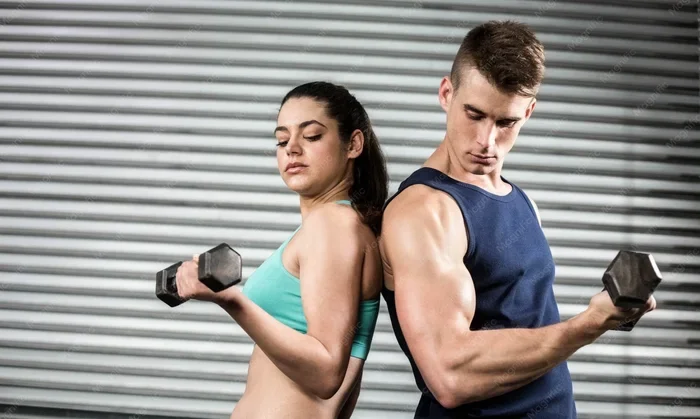
How many calories do you burn using dumbbells? The answer depends on your weight, workout intensity, and the specific exercises you choose. On average, a 155-pound person can burn 150 to 300 calories in 30 minutes of dumbbell training. In this guide, you’ll learn which dumbbell exercises burn the most calories, how to boost your calorie burn, and practical tips to make every rep count.
Key Takeaways
- Calorie burn varies: The number of calories you burn using dumbbells depends on your body weight, exercise type, and workout intensity. Heavier individuals and those doing high-intensity routines burn more.
- Compound moves win: Exercises like dumbbell squats, deadlifts, and thrusters burn significantly more calories than isolation moves like bicep curls.
- Intensity matters most: Increasing reps, reducing rest time, or adding explosive movements can dramatically raise your calorie expenditure.
- Afterburn effect: Dumbbell workouts can keep your metabolism elevated for hours after your session ends, thanks to EPOC (excess post-exercise oxygen consumption).
- Consistency is key: Regular dumbbell training builds lean muscle, which raises your resting metabolic rate and helps you burn more calories 24/7.
- Combine with cardio: Pairing dumbbell workouts with activities like kettlebell swings or cardio on a treadmill can create a well-rounded calorie-burning routine.
- Proper form prevents injury: Always prioritize technique over heavy weight to get the most out of every rep and stay injury-free.
📑 Table of Contents
- How Many Calories Do You Burn Using Dumbbells?
- Understanding How Dumbbells Help You Burn Calories
- How Many Calories Do You Actually Burn Using Dumbbells?
- Best Dumbbell Exercises for Maximum Calorie Burn
- Factors That Affect How Many Calories You Burn Using Dumbbells
- Dumbbell Workouts to Supercharge Your Calorie Burn
- Dumbbells vs Other Equipment for Burning Calories
- The Afterburn Effect: Why Dumbbells Keep Working for You
- Common Mistakes That Slow Your Calorie Burn
- Expert Insights on Dumbbell Training for Calorie Loss
- Key Takeaways
- Conclusion
How Many Calories Do You Burn Using Dumbbells?
Dumbbells are one of the most versatile and accessible pieces of gym equipment. Whether you’re a beginner or a seasoned lifter, a pair of dumbbells can help you build muscle, shape your physique, and — most importantly for many — burn calories. But exactly how many calories can you expect to torch during a dumbbell session?
The short answer is: it depends. Your body weight, the exercises you choose, your rest periods, and your overall workout intensity all play a role. A person weighing 125 pounds will burn fewer calories than someone weighing 200 pounds doing the same routine. A fast-paced circuit of compound movements will torch more energy than slow, isolated bicep curls.
This guide breaks down everything you need to know. You’ll discover average calorie burn numbers, the best dumbbell exercises for maximizing calorie expenditure, and practical strategies to turn every workout into a powerful calorie-burning session. Let’s dive in.
Understanding How Dumbbells Help You Burn Calories
Before we look at specific numbers, it helps to understand why dumbbells are so effective for burning calories. Unlike purely cardio-based exercises, dumbbell training combines muscle building with energy expenditure. This dual approach gives you two major calorie-burning advantages.
Muscle Building Boosts Your Metabolism
When you lift dumbbells, you create tiny tears in your muscle fibers. Your body then works hard to repair those fibers, building stronger and larger muscles in the process. The more muscle mass you carry, the higher your resting metabolic rate becomes. This means you burn more calories even when you’re sitting on the couch or sleeping. A single session of dumbbell training can keep your metabolism elevated for up to 38 hours after your workout ends.
Energy Expenditure During Exercise
Every time you perform a dumbbell movement, your body uses energy. The harder the movement and the more muscles involved, the more energy you need. Compound exercises — movements that work multiple muscle groups at once — are especially effective. A dumbbell squat, for example, activates your quads, hamstrings, glutes, core, and lower back all at the same time. That kind of full-body engagement demands serious fuel.
How Many Calories Do You Actually Burn Using Dumbbells?
Now for the big question: how many calories do you burn using dumbbells? The numbers below are based on data from the American College of Sports Medicine and the Compendium of Physical Activities. They assume moderate to vigorous intensity and a person weighing approximately 155 pounds (70 kg).
Average Calorie Burn by Duration
- 15 minutes: approximately 75 to 130 calories
- 30 minutes: approximately 150 to 260 calories
- 45 minutes: approximately 225 to 390 calories
- 60 minutes: approximately 300 to 520 calories
These ranges depend heavily on how hard you’re working. Light-toning sessions with long rest periods sit at the low end. High-intensity circuits with minimal rest push you toward the higher end.
Calorie Burn by Body Weight
Your body weight is one of the biggest factors. Heavier individuals burn more calories doing the exact same exercise because it takes more energy to move a larger body. Here’s a quick breakdown for a 30-minute moderate-intensity dumbbell session:
| Body Weight | Estimated Calories Burned (30 min) |
|---|---|
| 125 lbs (57 kg) | 120 – 200 calories |
| 155 lbs (70 kg) | 150 – 260 calories |
| 185 lbs (84 kg) | 180 – 310 calories |
| 205 lbs (93 kg) | 200 – 350 calories |
Calorie Burn by Exercise Type
Not all dumbbell exercises are created equal. The number of muscles you recruit and the speed of your movements make a huge difference. Here’s how popular dumbbell exercises stack up for a 30-minute session (155-pound person):
- Dumbbell squats: 180 – 240 calories
- Dumbbell deadlifts: 170 – 230 calories
- Dumbbell thrusters: 200 – 280 calories
- Dumbbell shoulder press: 140 – 190 calories
- Dumbbell rows: 130 – 180 calories
- Dumbbell bicep curls: 90 – 130 calories
- Dumbbell lunges: 160 – 220 calories
As you can see, compound movements that involve multiple joints and muscle groups consistently outperform isolation exercises. This brings us to the next section.
Best Dumbbell Exercises for Maximum Calorie Burn
If your primary goal is to burn as many calories as possible with dumbbells, you need to focus on movements that challenge your whole body. Here are some of the top calorie-torching exercises you can do with just a pair of dumbbells.
Dumbbell Thrusters
The dumbbell thruster is a powerhouse move. It combines a front squat with an overhead press, engaging your legs, glutes, core, shoulders, and arms simultaneously. The explosive nature of the movement also spikes your heart rate quickly. Perform 10 to 12 reps per set for maximum calorie burn. This type of full-body explosive movement is similar in energy demand to kettlebell swings, another fantastic calorie-burning exercise.
Dumbbell Squats
Squats are a staple for a reason. They target your largest muscle groups — your quads, hamstrings, and glutes — which demands a lot of energy. Add a dumbbell in each hand to increase resistance and boost the calorie burn. Try goblet squats, Bulgarian split squats, or sumo squats to keep your workouts varied and challenging.
Dumbbell Deadlifts
Dumbbell deadlifts work your posterior chain — your glutes, hamstrings, and lower back — along with your core and grip. They’re excellent for building total-body strength and burning significant calories. Focus on hinging at the hips and keeping a neutral spine for best results.
Dumbbell Lunges
Lunges are fantastic for building lower-body strength and burning calories. Walking lunges, reverse lunges, and lateral lunges all add variety and challenge your balance and coordination. Holding dumbbells increases the resistance and energy demand.
Dumbbell Rows and Presses
Pairing a rowing movement with a pressing movement (like a renegade row or a push press) creates a high-intensity upper-body workout that drives your heart rate up. These moves engage your back, chest, shoulders, and core all at once.
Factors That Affect How Many Calories You Burn Using Dumbbells
Two people can do the exact same dumbbell routine and burn very different amounts of calories. Here are the key factors that influence your individual calorie burn.
Workout Intensity
This is the most controllable and impactful factor. Higher intensity equals higher calorie burn. You can increase intensity by:
- Lifting heavier weights
- Adding more reps per set
- Shortening your rest periods between sets
- Performing exercises in rapid succession (circuit style)
- Adding explosive or plyometric movements
Rest Periods
Long rest periods (2-3 minutes) give your body time to recover, which is great for strength building but reduces calorie burn. Keeping rest periods to 30-60 seconds keeps your heart rate elevated and turns your strength session into a calorie-torching workout. This approach is often called metabolic training.
Exercise Selection
As we discussed, compound movements burn far more calories than isolation exercises. Choosing exercises that work multiple muscle groups simultaneously is one of the simplest ways to increase your energy expenditure.
Fitness Level
Beginners often burn more calories during the initial weeks of a new dumbbell program because their bodies are working harder to adapt to unfamiliar movements. As you get more efficient, your body requires less energy to perform the same exercises. To keep seeing results, you need to progressively increase the challenge.
Heart Rate
The higher your heart rate during exercise, the more calories you burn. Keeping your heart rate in the moderate to vigorous zone (50-85% of your maximum heart rate) during your dumbbell workout maximizes calorie expenditure. Using a heart rate monitor can help you stay in the optimal zone.
Dumbbell Workouts to Supercharge Your Calorie Burn
Ready to put it all together? Here are two effective dumbbell workout routines designed to help you burn the most calories possible.
Full-Body Dumbbell Circuit (30 Minutes)
This circuit-style workout keeps your heart rate up while building strength. Perform each exercise back-to-back with minimal rest. Rest for 60 seconds between rounds. Aim for 4-5 rounds total.
- Dumbbell Thrusters — 10 reps
- Dumbbell Squats — 12 reps
- Dumbbell Rows — 10 reps per arm
- Dumbbell Lunges — 10 reps per leg
- Dumbbell Shoulder Press — 10 reps
- Rest 60 seconds and repeat
High-Intensity Dumbbell EMOM (Every Minute on the Minute)
This workout is designed for maximum intensity. Set a timer for 20 minutes. At the start of every minute, perform the prescribed exercise. Whatever time is left in that minute is your rest period.
- Minute 1: Dumbbell Deadlifts — 8 reps
- Minute 2: Dumbbell Push Press — 8 reps
- Minute 3: Dumbbell Box Step-Ups — 10 reps per leg
- Minute 4: Dumbbell Renegade Rows — 6 reps per arm
- Repeat the cycle for 5 rounds
Quick Tips for Maximizing Calorie Burn
- Choose challenging weights. If you can easily do 15 reps without breaking a sweat, increase the weight.
- Keep moving. Avoid long pauses between sets. Even 30 seconds of rest is enough for metabolic training.
- Add explosive movements. Throws, slams, and plyometric reps with dumbbells spike your heart rate fast.
- Train consistently. Aim for 3-4 dumbbell sessions per week to build muscle and keep your metabolism high.
- Pair with cardio. Combining dumbbell training with cardio on equipment like a stationary bike or jump rope creates a well-rounded calorie-burning program.
Dumbbells vs Other Equipment for Burning Calories
Dumbbells are excellent for calorie burning, but how do they compare to other popular gym equipment? Here’s a look at how different tools stack up for a 30-minute session at moderate to vigorous intensity (155-pound person).
| Equipment | Estimated Calories Burned (30 min) |
|---|---|
| Dumbbells (full-body circuit) | 150 – 260 calories |
| Treadmill (running) | 240 – 350 calories |
| Stationary Bike (vigorous) | 210 – 300 calories |
| Jump Rope | 300 – 450 calories |
| Rowing Machine | 210 – 310 calories |
| Elliptical Trainer | 220 – 330 calories |
| Kettlebell Swings | 180 – 280 calories |
As the table shows, pure cardio activities like jump rope and running tend to burn more calories per minute than dumbbell training alone. However, dumbbell training offers a unique advantage: the afterburn effect. Research shows that resistance training can elevate your metabolic rate for up to 38 hours post-workout. Cardio activities typically return your metabolism to baseline much faster.
The best approach for long-term fat loss and calorie management is to combine dumbbell training with cardio exercises. This strategy builds muscle, boosts your resting metabolism, and creates a larger daily calorie deficit. It’s the ultimate win-win for your fitness goals.
The Afterburn Effect: Why Dumbbells Keep Working for You
One of the biggest reasons dumbbell training is so effective for calorie loss is something called EPOC — Excess Post-Exercise Oxygen Consumption. After an intense dumbbell workout, your body needs extra oxygen to recover. This recovery process requires energy, which means you continue burning calories long after you’ve put the weights down.
High-intensity dumbbell circuits that push your muscles to fatigue and elevate your heart rate produce the strongest afterburn effect. The more muscle damage and metabolic stress you create during your session, the longer and harder your body works to recover. This is why the intensity of your workout matters just as much as the duration.
To maximize the afterburn effect, focus on:
- Compound movements that challenge multiple muscle groups
- Shorter rest periods (30-60 seconds)
- Lifting to near failure in the last few reps of each set
- Supersets and circuits that keep your heart rate elevated
Common Mistakes That Slow Your Calorie Burn
Even with the best intentions, some common habits can limit how many calories you burn during a dumbbell session. Avoid these pitfalls to get the most out of every workout.
Using Too Light a Weight
If you can comfortably complete your target reps without feeling challenged, the weight is too light. Choose a load that makes the last 2-3 reps of each set feel difficult. This ensures your muscles are working hard enough to demand significant energy expenditure.
Resting Too Long Between Sets
Chatting with your workout buddy for three minutes between sets might feel productive, but it lets your heart rate drop. Keep rest periods short and focused. If you need longer recovery, consider splitting your workout into upper-body and lower-body days so you can rest one muscle group while working another.
Doing Only Isolation Exercises
Spending your whole session on bicep curls, tricep extensions, and lateral raises limits your calorie burn. These isolation movements are useful for targeting specific muscles, but they don’t engage enough muscle mass to drive significant energy expenditure. Make compound movements the foundation of your routine.
Skipping Progressive Overload
Your body adapts quickly to repeated stress. If you do the same dumbbell workout with the same weights every week, your results will plateau over time. Gradually increase your weights, reps, or workout density to keep your body challenged and your calorie burn climbing.
Expert Insights on Dumbbell Training for Calorie Loss
We asked certified personal trainers and exercise scientists for their take on using dumbbells for calorie burning. Here’s what they had to say.
“The secret to burning maximum calories with dumbbells is to treat your workout like a symphony, not a solo,” says one strength coach. “Every exercise should flow into the next. Minimize rest, maximize movement, and always challenge your body in new ways.”
Another expert emphasizes the importance of consistency: “Dumbbell training is a long game. The calorie burn during a single session is impressive, but the real magic happens over weeks and months as you build lean muscle mass and raise your resting metabolism.”
These insights reinforce a critical point: dumbbells are not just a tool for burning calories during your workout — they’re a tool for transforming your body’s energy needs permanently.
Key Takeaways
Dumbbell training is one of the most effective, flexible, and accessible ways to burn calories and improve your overall fitness. Here’s a recap of everything we covered:
- Calorie burn depends on your weight, intensity, and exercise selection. A 30-minute session can burn anywhere from 150 to 350 calories for most people.
- Compound movements like thrusters, squats, and deadlifts burn the most calories because they work multiple muscle groups at once.
- Intensity is king. Short rest periods, challenging weights, and circuit-style training drive the highest calorie expenditure.
- The afterburn effect means your body continues burning calories for hours after your workout ends.
- Consistency and progressive overload are essential for long-term results. Build muscle, raise your metabolism, and keep challenging your body.
- Combine dumbbell training with cardio for the best overall calorie-burning results and a well-rounded fitness program.
Conclusion
So, how many calories do you burn using dumbbells? The honest answer is that it varies based on your weight, workout design, and effort level. But one thing is clear: dumbbell training is a powerful tool for burning calories, building muscle, and transforming your body. Whether you’re doing a quick 20-minute circuit or a full 60-minute strength session, every rep brings you closer to your fitness goals.
The beauty of dumbbells is their simplicity. You don’t need fancy machines or a huge gym. A pair of dumbbells, some floor space, and a willingness to push yourself is all it takes. Start with the exercises and workouts in this guide, stay consistent, and watch your calorie burn — and your results — climb over time.
Now grab those dumbbells and get to work. Your next great workout is waiting.
Frequently Asked Questions
How many calories do you burn using dumbbells for 30 minutes?
A person weighing 155 pounds can burn approximately 150 to 260 calories during 30 minutes of moderate to vigorous dumbbell training. The exact number depends on the exercises you choose, how heavy your weights are, and how short your rest periods are. Compound movements and circuit-style workouts push you toward the higher end of the range.
Are dumbbells better than cardio machines for burning calories?
Cardio machines like treadmills and stationary bikes typically burn more calories during the actual exercise session. However, dumbbell training offers a major advantage: the afterburn effect. Resistance training elevates your metabolism for up to 38 hours post-workout, while cardio returns your metabolism to baseline faster. The best strategy is to combine both for optimal results.
Can you burn 500 calories with dumbbells?
Yes, it’s possible to burn 500 calories with dumbbells, but it requires a longer or very intense session. A 60-minute high-intensity full-body dumbbell circuit performed by someone weighing 185 pounds or more can reach or exceed 500 calories. Combining dumbbell exercises with short rest periods and explosive movements helps maximize your energy expenditure.
Which dumbbell exercise burns the most calories?
Dumbbell thrusters are widely considered the single highest-calorie-burning dumbbell exercise because they combine a squat with an overhead press, engaging your entire body. Other top performers include dumbbell squats, deadlifts, lunges, and renegade rows. These compound movements recruit multiple large muscle groups simultaneously, driving up your heart rate and energy demand.
How often should I do dumbbell workouts to burn calories effectively?
For most people, 3 to 4 dumbbell sessions per week is ideal for maximizing calorie burn and building muscle. Allow at least 48 hours of recovery between sessions targeting the same muscle groups. Pairing your dumbbell days with light cardio or active recovery on off days creates a balanced routine that keeps your metabolism elevated throughout the week.
Does lifting heavier dumbbells burn more calories than lighter weights?
Yes, lifting heavier weights generally burns more calories because it demands more energy from your muscles. Heavier loads also create more muscle damage, which increases the afterburn effect. However, lifting lighter weights with high reps and minimal rest can also produce significant calorie burn. The best approach is to use challenging weights that push you to near failure within 8 to 12 reps per set.