The Perfect Pork Tenderloin Internal Temperature Guide
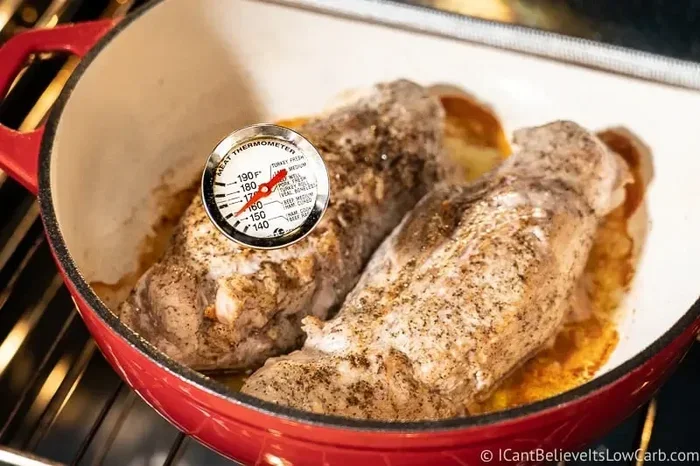
Knowing the exact pork tenderloin internal temperature is the single most important step to cooking juicy, safe pork every time. The USDA recommends cooking pork to 145°F with a 3-minute rest, which gives you tender, slightly pink meat that tastes amazing. This guide covers everything from thermometer use to cooking times, so you never overcook your pork again.
Cooking pork tenderloin can feel intimidating. You want it juicy and tender, but you also want it safe to eat. The secret lies in one simple thing: pork tenderloin internal temperature. Get this right, and you will never serve dry pork again.
The days of overcooking pork until it turns gray and tough are officially over. The USDA updated its guidelines years ago, and now pork is safe at 145°F. That means slightly pink, incredibly tender meat on your plate. In this guide, we will walk you through everything you need to know about hitting the perfect pork cooking temperature every single time.
Whether you are baking in the oven, grilling on the barbecue, or pan-searing on the stovetop, understanding internal temp is the game changer. We will cover thermometers, cooking times, common mistakes, and pro tips that will level up your pork game fast. Let us dive in.
Key Takeaways
- Target Temperature: The ideal pork tenderloin internal temperature is 145°F for safe, juicy results.
- Use a Meat Thermometer: A digital instant-read thermometer is the best tool for accuracy.
- Rest Your Meat: Always let pork tenderloin rest for 3 minutes after cooking for carryover cooking.
- Avoid Overcooking: Cooking past 160°F dries out pork and ruins its tenderness.
- Sear for Flavor: A hot sear before roasting adds flavor without affecting internal doneness.
- Grilling Works Too: Pork tenderloin grills beautifully when you monitor the internal temp closely.
- Pink Is Safe: Modern pork can be safely pink in the center when cooked to 145°F.
📑 Table of Contents
- Why Pork Tenderloin Internal Temperature Matters
- How to Measure Pork Tenderloin Internal Temperature Correctly
- Ideal Pork Tenderloin Internal Temperature and What It Means
- How to Cook Pork Tenderloin to the Right Temperature
- Common Mistakes That Ruin Pork Tenderloin
- Expert Tips for Perfect Pork Tenderloin Every Time
- Pork Tenderloin Internal Temperature for Different Cooking Methods
- Key Takeaways
- Conclusion
Why Pork Tenderloin Internal Temperature Matters
The pork tenderloin internal temperature determines everything about your final dish. It affects safety, texture, juiciness, and flavor. When you nail the right temperature, you get meat that is moist and tender with a slight blush of pink in the center.
Food Safety First
Cooking pork to the right safe cooking temperature kills harmful bacteria like Salmonella and Trichinella. The USDA recommends 145°F for whole cuts of pork. This is the temperature that makes your pork both safe and delicious. Going below this can pose health risks, especially for children, elderly people, and anyone with a weakened immune system.
For ground pork, the safe cooking temperature is higher at 160°F. This is because grinding spreads bacteria throughout the meat. But for tenderloin, which is a whole muscle cut, 145°F is all you need.
Texture and Juiciness
Here is where temperature really makes a difference. Pork tenderloin is a lean cut. It has very little fat compared to pork shoulder or ribs. That means it can dry out fast if you cook it too long or too hot.
When the pork cooking temperature exceeds 160°F, the muscle fibers squeeze out moisture. You end up with tough, chalky meat that nobody enjoys. But at 145°F, the proteins stay relaxed and the meat retains its natural juices. The result is tender pork that practically melts in your mouth.
The Myth of Gray Pork
For decades, cooks were taught that pork must be completely white to be safe. This led to generations of overcooked, dry pork. Modern pork is raised and processed much more safely than it used to be. The USDA recommended temperature of 145°F allows for a pink center, and that pink color is perfectly safe and desirable.
Think about it this way. A juicy pork tenderloin with a hint of pink is far better than a gray, dried-out piece of meat that looks “safe.” The color is no longer the indicator of doneness. The thermometer is.
How to Measure Pork Tenderloin Internal Temperature Correctly
Using a thermometer is not optional if you want perfect results every time. Guessing does not work. Let us look at the right tools and techniques for getting an accurate internal temp reading.
Choose the Right Thermometer
A digital instant-read thermometer is the gold standard for checking pork tenderloin internal temperature. It gives you a reading in about 10 seconds, which is fast and precise. Here are some options to consider:
- Instant-read digital thermometers: Affordable, accurate, and fast. Perfect for home cooks.
- Probe thermometers: Stay in the meat while it cooks. Great for oven roasting and grilling.
- Wireless thermometers: Send temperature readings to your phone. Ideal for hands-free monitoring.
- Dial thermometers: Slower and less accurate. Not the best choice but better than nothing.
Avoid relying on pop-up timers or color alone. These methods are unreliable and often lead to overcooked pork. A good meat thermometer is a small investment that pays off every time you cook.
Where to Insert the Thermometer
Placement matters a lot when checking pork tenderloin internal temperature. You want the reading from the thickest part of the meat. Here is how to do it right:
- Insert the probe into the center of the tenderloin.
- Avoid touching the bone, fat, or pan surface.
- Place the probe sideways through the thickest section.
- Wait for the reading to stabilize before recording.
Taking the temp from multiple spots is also smart. The center might be cooler than the edges. You want the lowest reading, because that is where the meat needs to reach 145°F.
When to Check the Temperature
Start checking your pork tenderloin internal temperature about 10 minutes before the estimated finish time. Pork cooks fast, and it can go from perfect to overdone quickly. Checking early gives you time to pull it off the heat at the right moment.
Ideal Pork Tenderloin Internal Temperature and What It Means
Not all temperatures are created equal when it comes to pork. Here is a breakdown of what different readings mean for your meat.
145°F: The Sweet Spot
This is the USDA recommended temperature for pork tenderloin. At 145°F, the meat is safe to eat and has a slightly pink, juicy center. The texture is tender and the flavor is rich. This is the target you should aim for every time.
After removing the pork from the heat, let it rest for at least 3 minutes. During this time, carryover cooking raises the internal temperature by 3 to 5 degrees. So pulling at 145°F means your final temp will be around 148 to 150°F. That is the perfect zone.
150°F to 155°F: Well Done but Still Tender
Some people prefer their pork more well done. At 150 to 155°F, the meat is fully cooked through with no pink at all. It is still relatively tender, though it loses a bit more moisture than 145°F pork. If you or your family prefers no pink at all, this is a good range to target.
160°F and Above: Overcooked
Once the pork tenderloin internal temperature crosses 160°F, you are in trouble territory. The meat becomes dry, tough, and flavorless. The proteins have tightened too much and squeezed out all the juices. You can still eat it, but the quality drops significantly.
This is why pulling the pork off the heat early is so important. Trust the carryover cooking process. It does the work for you.
| Temperature | Doneness | Texture | Color |
|---|---|---|---|
| 140°F | Undercooked | Soft, raw center | Bright pink throughout |
| 145°F | Perfect | Tender, juicy | Pink center, lighter edges |
| 150°F | Well done | Moist, firmer | Slight pink, mostly white |
| 155°F | Well done | Drier, firmer | Mostly white |
| 160°F+ | Overcooked | Dry, tough | Gray, no pink |
How to Cook Pork Tenderloin to the Right Temperature
Now that you know what temperature to aim for, let us talk about how to actually get there. Different cooking methods affect how quickly the pork tenderloin internal temperature rises, so understanding each method helps you plan better.
Oven Roasting
Oven roasting is one of the most popular ways to cook pork tenderloin. Here is a simple method that works beautifully:
- Preheat your oven to 400°F.
- Season the tenderloin with salt, pepper, garlic, and herbs.
- Sear it in a hot oven-safe pan for 2 minutes on each side.
- Transfer the pan to the oven and roast for 15 to 20 minutes.
- Check the pork tenderloin internal temperature at the 15-minute mark.
- Pull the pork when it reaches 145°F.
- Rest for 3 minutes before slicing.
The total cook time usually falls around 25 to 30 minutes. But always let the thermometer be your guide, not the clock. Every oven and every piece of meat is slightly different.
Grilling
Grilling pork tenderloin adds a smoky flavor that is hard to beat. Here is how to do it without drying out the meat:
- Preheat your grill to medium-high heat (about 400 to 425°F).
- Sear the tenderloin over direct heat for 2 to 3 minutes per side.
- Move it to indirect heat and close the lid.
- Cook for 10 to 15 minutes, turning occasionally.
- Monitor the internal temp with your thermometer.
- Pull the pork at 145°F and let it rest.
Grilling can be tricky because the heat varies across the grate. Keep an eye on the thermometer and move the meat to cooler spots if it is rising too fast.
Pan-Searing and Finishing in the Oven
This method gives you a beautiful crust on the outside while keeping the inside perfectly cooked:
- Heat a tablespoon of oil in a cast-iron skillet over medium-high heat.
- Sear the tenderloin for 2 minutes on each side until browned.
- Transfer the skillet to a 400°F oven.
- Cook for 12 to 18 minutes, checking the temperature often.
- Remove when the pork cooking temperature hits 145°F.
- Rest for 3 minutes, then slice and serve.
This approach gives you the best of both worlds. A flavorful sear and a perfectly tender interior. It is my go-to method for special dinners.
Common Mistakes That Ruin Pork Tenderloin
Even experienced cooks make mistakes with pork tenderloin. Here are the most common ones and how to avoid them.
Not Using a Thermometer
This is the number one mistake. Relying on cooking time alone is unreliable. The pork tenderloin internal temperature is the only true measure of doneness. A thermometer removes all guesswork and takes the stress out of cooking.
Skipping the Rest
Cutting into pork right after cooking releases all the juices onto the cutting board instead of staying in the meat. Always rest your pork for at least 3 minutes. This allows the juices to redistribute and the carryover cooking to finish the job.
Overseasoning or Underseasoning
Seasoning matters for flavor, but too much can burn during searing. Keep it simple with salt, pepper, and a few herbs. Underseasoning leaves the pork bland. Find the right balance for the best results.
Cooking from Cold
Taking the pork straight from the fridge to the oven or grill creates uneven cooking. The outside overcooks while the center stays cold. Let the tenderloin sit at room temperature for 20 to 30 minutes before cooking. This helps it cook more evenly and reach the target internal temp faster.
Cutting Too Soon
Impatience is the enemy of juicy pork. Cutting into the tenderloin too soon releases precious juices. Wait the full 3 minutes, then slice against the grain for the most tender bite.
Expert Tips for Perfect Pork Tenderloin Every Time
Here are some pro tips that separate good pork from great pork. These small changes make a big difference in your results.
- Brine for extra juiciness: Soak the tenderloin in a saltwater solution for 1 to 2 hours before cooking. This helps it retain moisture during the cook.
- Score the fat cap: Make shallow cuts in the fat to help it render and crisp up during cooking.
- Use a probe thermometer for long cooks: If you are smoking or slow-roasting, a leave-in probe lets you monitor the pork tenderloin internal temperature without opening the oven or smoker.
- Sear at the end: For oven-cooked pork, try searing it after roasting for a crispy crust without overcooking the center.
- Let the meat tell you when it is done: Trust the thermometer, not the recipe timer. The meat does not read a clock.
These tips might seem small, but they compound over time. You will notice a real difference in the quality of your pork from the very first time you try them.
Pork Tenderloin Internal Temperature for Different Cooking Methods
Different methods require slightly different approaches to temperature. Here is a quick comparison to help you plan your cook.
| Cooking Method | Target Temp at Pull | Final Temp After Rest | Approximate Cook Time |
|---|---|---|---|
| Oven Roast | 145°F | 148-150°F | 25-30 minutes |
| Grilling | 145°F | 148-150°F | 15-20 minutes |
| Pan-Sear + Oven | 145°F | 148-150°F | 20-25 minutes |
| Smoking | 145°F | 148-150°F | 1.5-2 hours |
| Sous Vide | 140°F | 145°F after sear | 1-2 hours |
As you can see, the target pork tenderloin internal temperature stays the same across all methods. The only thing that changes is how you get there. The thermometer is your constant companion in every situation.
Key Takeaways
- Target 145°F: This is the USDA recommended pork tenderloin internal temperature for safe, juicy meat.
- Use a digital thermometer: It is the only reliable way to check doneness.
- Rest for 3 minutes: Carryover cooking raises the temp by 3 to 5 degrees after you pull the meat.
- Do not overcook: Pork above 160°F becomes dry and tough quickly.
- Pink is safe and good: Modern pork can be slightly pink at 145°F and still be perfectly safe.
- Sear for flavor: A hot sear adds a delicious crust without changing the internal temp much.
- Let meat come to room temp: This promotes more even cooking throughout the tenderloin.
Conclusion
Getting the pork tenderloin internal temperature right transforms a simple dinner into something special. At 145°F, you get safe, juicy, tender pork that everyone at the table will love. It is not complicated. All you need is a good thermometer, a little patience, and the knowledge you have gained from this guide.
Stop guessing and start measuring. The difference in your pork will be night and day. Whether you are roasting in the oven, grilling outdoors, or pan-searing for a weeknight dinner, the pork cooking temperature of 145°F is your ticket to perfect results every single time.
Remember to rest your meat, use a meat thermometer, and trust the process. Once you hit that perfect internal temp a few times, it becomes second nature. You will never go back to overcooked pork again. Happy cooking!
Frequently Asked Questions
What is the safe internal temperature for pork tenderloin?
The USDA recommends a pork tenderloin internal temperature of 145°F. At this temperature, the meat is safe to eat and has a slightly pink, juicy center. Always let the meat rest for 3 minutes after cooking to allow carryover cooking to finish the job.
Can pork tenderloin be pink in the middle?
Yes, absolutely. Modern pork is safe to eat at 145°F, which often results in a pink center. The pink color does not mean the meat is undercooked or unsafe. A meat thermometer is the only reliable way to confirm doneness, not the color of the meat.
How long does it take to cook a pork tenderloin at 400°F?
At 400°F, a pork tenderloin typically takes 25 to 30 minutes to reach the target internal temp of 145°F. However, always check with a thermometer rather than relying on time alone. The size of the tenderloin and your oven can affect the cook time.
What happens if you overcook pork tenderloin?
Overcooking causes the muscle fibers to tighten and squeeze out moisture. The result is dry, tough, flavorless meat. Once the pork tenderloin internal temperature exceeds 160°F, the quality drops significantly. This is why pulling the meat early and trusting carryover cooking is so important.
Should I brine pork tenderloin before cooking?
Brining is not required, but it helps the meat retain more moisture during cooking. A simple brine of water, salt, and sugar soaked for 1 to 2 hours can improve the juiciness of your pork tenderloin. It is especially helpful if you tend to overcook meat.
Can I use a meat thermometer for grilled pork tenderloin?
Yes, and you should. A digital instant-read thermometer works great for grilled pork tenderloin. Insert it into the thickest part of the meat, avoiding the bone or grill grates. Pull the pork off the grill when the internal temp reaches 145°F, then let it rest for 3 minutes before serving.