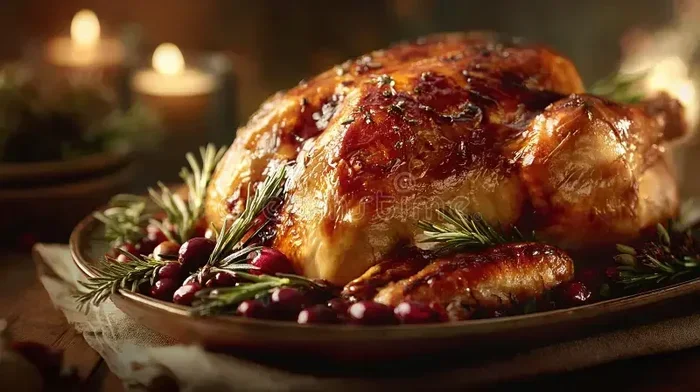
Turkey Cooking Times and Temperatures for Perfect Results

Turkey cooking times and temperatures are the key to a juicy, safe, and delicious bird every time. Whether you are roasting a whole turkey or cooking individual parts, knowing the right internal temperature and timing per pound makes all the difference. This guide covers everything from oven temperatures to resting times so your turkey turns out perfect.
Cooking a turkey can feel intimidating. There are so many variables to think about. How long should it go in the oven? What temperature is safe? Will it come out dry or perfectly juicy? The good news is that understanding turkey cooking times and temperatures removes most of the guesswork. Once you know the basics, you can confidently roast a bird that impresses everyone at the table.
Whether you are preparing a holiday turkey for Thanksgiving or cooking a weeknight roast for your family, this guide has you covered. We will walk through everything step by step. You will learn the right temperatures, timing per pound, and simple tricks that make a huge difference. Let us get into it.
Key Takeaways
- Safe Internal Temperature: Always cook turkey to 165°F (74°C) in the thickest part of the breast and thigh.
- Cooking Time Per Pound: A general rule is 13 minutes per pound for an unstuffed turkey at 325°F.
- Breast vs. Thigh: Turkey breast cooks faster than thighs, so consider separating them for even doneness.
- Resting Is Non-Negotiable: Let your turkey rest for 20 to 30 minutes before carving to lock in juices.
- Use a Meat Thermometer: Guessing leads to dry or undercooked turkey. A reliable thermometer is your best tool.
- Avoid Stuffing the Cavity: Stuffed turkeys take longer to cook and can result in uneven temperatures.
- Brine for Moisture: Brining your turkey beforehand keeps it tender and flavorful throughout cooking.
📑 Table of Contents
Why Turkey Cooking Times and Temperatures Matter
Cooking a turkey is not just about setting a timer and walking away. The internal temperature of the meat determines whether it is safe to eat and how it tastes. Undercooked turkey can carry harmful bacteria like salmonella. Overcooked turkey turns dry and tough, which nobody wants at their dinner table.
Getting the turkey cooking times and temperatures right means you hit that sweet spot. The meat stays moist, the skin turns golden and crispy, and every slice is tender. A meat thermometer is the single most important tool you can use. It takes the guesswork out completely and gives you confidence in every roast.
Think of it this way. If you lift weights, you do not just guess how much to bench press. You follow a structured plan. The same logic applies to cooking turkey. You follow the numbers, and the results speak for themselves. If you are also tracking your fitness routine, pairing a healthy turkey meal with your kettlebell swing sets and reps routine creates a balanced, active lifestyle.
Turkey Cooking Times by Weight
The most common question people ask is, “How long does it take to cook a turkey?” The answer depends on the weight of the bird. Here is a simple breakdown to help you plan.
Unstuffed Whole Turkey Timings
For an unstuffed turkey roasted at 325°F, use this general guide:
- 8 to 12 pounds: About 2 hours and 45 minutes to 3 hours
- 12 to 14 pounds: About 3 to 3 hours and 45 minutes
- 14 to 18 pounds: About 3 hours and 45 minutes to 4 hours and 15 minutes
- 18 to 20 pounds: About 4 hours to 4 hours and 30 minutes
- 20 to 24 pounds: About 4 hours and 15 minutes to 4 hours and 45 minutes
These times are estimates. Always rely on your meat thermometer for the final call. The turkey internal temperature should reach 165°F in both the breast and the thickest part of the thigh.
Stuffed Turkey Timings
Stuffing a turkey adds extra cooking time. The stuffing needs to reach 165°F as well, which means the bird needs to stay in the oven longer. Plan for an extra 30 to 45 minutes compared to an unstuffed turkey. Keep in mind that stuffed turkeys can cook unevenly, which is why many chefs recommend cooking stuffing separately.
Turkey Breast vs. Thigh: Temperature Differences
Not all parts of the turkey cook at the same rate. Understanding the differences between turkey breast and thigh meat helps you get perfect results every time.
Turkey Breast Temperature
The breast is leaner than the thigh, which means it dries out faster if you overcook it. The target temperature for turkey breast is 165°F. However, many chefs prefer to pull the breast at 160°F and let carryover cooking bring it up to 165°F during resting. This keeps the breast juicy and tender.
If you are cooking a turkey breast roast separately from the thighs, it will cook faster than a whole bird. A boneless breast roast typically takes about 20 minutes per pound at 325°F. Bone-in breast roasts take a bit longer, around 25 minutes per pound.
Turkey Thigh Temperature
Thigh meat has more fat and connective tissue, which makes it more forgiving during cooking. The target temperature for turkey thighs is also 165°F. Because of the higher fat content, thighs can handle slightly higher temperatures without drying out. Some cooks prefer to roast thighs at 350°F to get crispier skin.
Thighs take longer to cook than breast meat when part of a whole bird. This is why many people separate the breast and thighs and cook them at different times or on different racks. If you are focusing on leg health and fitness, combining lean turkey meals with resistance bands for legs and glutes workouts creates a powerful combination for overall wellness.
Quick Comparison: Breast vs. Thigh
Here is a simple comparison to help you understand the differences:
- Breast: Leaner, cooks faster, dries out more easily, best at 160 to 165°F
- Thigh: Fattier, more forgiving, takes longer, best at 165 to 175°F for richer flavor
- Skin: Both benefit from high heat at the end for crispy, golden skin
How to Check Turkey Doneness
Knowing how to check if your turkey is done is one of the most important skills in the kitchen. You cannot rely on color alone. Even a fully cooked turkey can look slightly pink in certain areas. The only reliable way to check doneness is with a meat thermometer.
Where to Insert the Thermometer
Place the thermometer probe in the thickest part of the breast, avoiding bone. For the thigh, insert it into the innermost part of the thigh, again away from the bone. The wing area is another good spot to check. You want the temperature to read 165°F in all three locations.
Do not rely on the pop-up timer that comes with many store-bought turkeys. These timers are not always accurate and can give you false readings. A digital instant-read thermometer gives you a precise reading in seconds and takes the stress out of cooking.
Carryover Cooking
Here is something many people overlook. The turkey continues to cook after you take it out of the oven. This is called carryover cooking. The internal temperature can rise by 5 to 10 degrees during resting. This is why pulling the turkey at 160°F is perfectly safe and often preferred.
If you are tracking your overall health and activity levels, staying consistent with your routine matters too. Keeping your body active with regular movement, like jump rope frequency sessions, supports your metabolism and overall well-being alongside a balanced diet.
Resting Your Turkey: Why It Is Essential
Once your turkey comes out of the oven, the hardest part is waiting. But resting is absolutely essential. When you cut into a turkey right away, all the juices run out onto the cutting board instead of staying in the meat. The result is dry, flavorless slices.
A resting period of 20 to 30 minutes allows the juices to redistribute throughout the meat. The temperature even out, and the turkey becomes much easier to carve. Tent the bird loosely with aluminum foil during this time. Do not wrap it tightly, or you will steam the skin and lose that crispy texture.
Use this resting time wisely. While the turkey rests, you can prepare your gravy, warm up side dishes, or set the table. It is the perfect window to get everything else ready for a beautiful meal.
Common Turkey Cooking Mistakes to Avoid
Even experienced cooks make mistakes when roasting turkey. Here are the most common errors and how to avoid them.
Not Brining the Turkey
Brining is the process of soaking the turkey in a saltwater solution before cooking. It adds moisture and flavor to the meat, especially in lean areas like the breast. Even a quick brine of 4 to 12 hours makes a noticeable difference. If you skip this step, you are leaving flavor and juiciness on the table.
Cooking at Too High a Temperature
Some cooks crank the oven up to 400°F or higher to speed things along. This might brown the skin faster, but it also dries out the meat before the inside is fully cooked. Stick with 325°F for even, reliable cooking. You can always increase the heat to 400°F for the last 20 minutes to crisp up the skin.
Not Letting the Turkey Come to Room Temperature
Placing a cold turkey straight into the oven leads to uneven cooking. The outside overcooks while the inside stays underdone. Take the turkey out of the refrigerator about 1 hour before cooking. This small step ensures more even turkey cooking times and temperatures throughout the bird.
Overcooking the Turkey
Overcooking is the number one reason people end up with dry turkey. Every extra five minutes in the oven pulls more moisture from the meat. Stay vigilant with your thermometer and pull the turkey as soon as it reaches the target temperature. Remember, carryover cooking will continue to raise the temperature after removal.
Forgetting to Season Properly
A plain turkey is a missed opportunity. Season the cavity with herbs, garlic, and citrus. Rub butter or oil under the skin of the breast for extra richness. Simple seasonings go a long way in making your turkey memorable.
Pro Tips for Perfect Turkey Every Time
Here are some expert-level tips that separate a good turkey from a great one:
- Dry brine the night before. Salt the turkey and leave it uncovered in the fridge overnight. This draws out moisture, which then gets reabsorbed, seasoning the meat deeply.
- Separate the breast and thighs. Cooking them individually gives you more control over doneness and timing.
- Use a probe thermometer. A leave-in probe thermometer lets you monitor the temperature without opening the oven door constantly.
- Baste every 45 minutes. Basting keeps the surface moist and promotes even browning.
- Let the turkey rest fully. Do not skip the 20 to 30 minute rest period. It makes a real difference in juiciness.
- Save the drippings. The pan drippings are gold for making rich, flavorful gravy.
If you are also managing a regular fitness routine alongside healthy meal prep, keeping track of your strength training schedule helps. For guidance on how often to train, check out how many times a week you should lift dumbbells to balance your active lifestyle with nutritious eating.
Conclusion
Mastering turkey cooking times and temperatures is easier than most people think. The key is to use a meat thermometer, follow the timing guide based on weight, and let the turkey rest properly. Whether you are roasting a whole bird for the holidays or cooking individual breast fillets for a weeknight dinner, these principles apply every time.
Remember to aim for 165°F in the thickest parts of both the breast and thigh. Avoid the common mistakes that lead to dry or unevenly cooked meat. And most importantly, enjoy the process. Cooking a turkey should feel rewarding, not stressful. With the right knowledge and a little patience, you will serve up a perfect turkey every single time.
Frequently Asked Questions
What is the safe internal temperature for turkey?
The safe internal temperature for turkey is 165°F (74°C). This applies to the breast, thighs, and stuffing. Always use a meat thermometer to verify the temperature in the thickest part of each section.
How long does it take to cook a 12-pound turkey?
A 12-pound unstuffed turkey typically takes about 3 to 3 hours and 45 minutes at 325°F. However, always rely on the internal temperature rather than time alone to determine doneness.
Should I cook my turkey at 325°F or 350°F?
325°F is the recommended temperature for even, reliable cooking. It allows the turkey to cook through without drying out. You can increase to 350°F or 400°F for the last 20 to 30 minutes to crisp up the skin.
How long should I let my turkey rest before carving?
Let your turkey rest for 20 to 30 minutes after removing it from the oven. This allows the juices to redistribute, making the meat juicier and easier to carve. Tent it loosely with foil during this time.
Can I cook a turkey from frozen?
Yes, you can cook a turkey from frozen, but it will take significantly longer. The USDA recommends cooking frozen turkeys at 325°F and allowing about 50% more cooking time than a thawed bird. Always ensure the internal temperature reaches 165°F.
Is it better to brine a turkey before cooking?
Brining is highly recommended for juicier results. It adds moisture and flavor, especially to the lean breast meat. Even a quick brine of a few hours makes a noticeable difference compared to not brining at all.