How to Cook Filet Mignon in Oven Like a Professional Chef
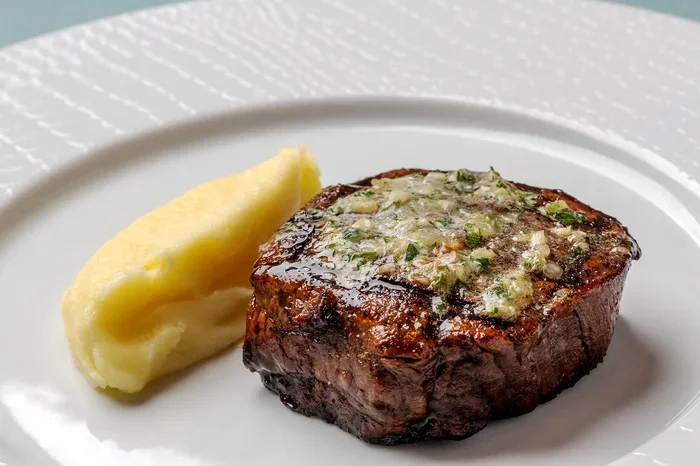
Cooking filet mignon in the oven is simpler than you think. This guide walks you through everything from selecting the best cut to pulling it off at the perfect temperature. You will learn pro techniques that guarantee a juicy, tender steak with a beautiful crust every single time. Whether you are a beginner or a home cook looking to level up, these tips will transform your kitchen game.
There is something truly special about a perfectly cooked filet mignon in oven. It is one of those dishes that feels fancy but is actually very doable at home. You do not need a restaurant kitchen or years of experience. With the right approach, you can achieve restaurant-quality results right on your stovetop and in your oven.
The beauty of oven-baked filet mignon lies in its simplicity. This cut of beef is naturally tender and lean, which means it does not need a lot of fuss. But it does need attention to detail. Getting the temperature right, choosing the proper seasoning, and knowing when to pull it out of the oven — these are the small things that separate a good steak from a great one.
In this guide, we will walk you through every step of the process. From selecting the best cut at the store to resting your steak after cooking, you will find everything you need. We will also share some common mistakes to avoid and expert tips that will make you feel like a professional chef. Let us get started.
Key Takeaways
- Choose the Right Cut: Look for filet mignon that is at least 1.5 inches thick for the best oven results.
- Preheat and Sear First: Always sear your steak on the stovetop before transferring it to the oven for a perfect crust.
- Use a Meat Thermometer: This is the single most important tool for cooking filet mignon to the exact doneness you want.
- Rest Your Steak: Letting the steak rest for 5-8 minutes after cooking keeps all those delicious juices inside.
- Oven Temperature Matters: A moderate oven temperature of 400°F to 425°F works best for even cooking.
- Season Simply but Well: Salt, pepper, and a touch of garlic go a long way with this premium cut of beef.
📑 Table of Contents
Why Oven-Cooked Filet Mignon Is a Great Choice
You might wonder why we recommend the oven method over other techniques. The answer is consistency. When you cook filet mignon in oven, the heat surrounds the steak evenly. This is different from grilling, where one side gets more direct flame. The oven creates a gentle, uniform environment that cooks the steak from edge to center.
Here are some reasons why oven cooking works so well for this cut:
- Even Heat Distribution: The oven warms the steak consistently, reducing the risk of hot spots.
- Easier Temperature Control: You can set the exact temperature and monitor it closely.
- Better for Thick Cuts: Oven cooking handles thicker steaks without burning the outside.
- Hands-Off Cooking: Once the steak is in the oven, you can focus on side dishes or prep work.
- Consistent Results: You can repeat the process and get the same great outcome every time.
The oven-roasted steak method is especially popular among home cooks who want predictable results. It removes a lot of the guesswork that comes with open-flame cooking. And since filet mignon is a premium cut, you want to treat it with a method that lets its natural flavor shine.
Selecting the Best Filet Mignon
Before you even turn on the oven, the selection process matters a lot. Not all filet mignon cuts are created equal. Knowing what to look for will set you up for success from the very beginning.
Thickness Matters
Always choose filet mignon steaks that are at least 1.5 inches thick. Thinner cuts tend to overcook quickly in the oven. A thicker cut gives you more room for error and allows for a better sear before going into the oven. If you can find cuts that are 2 inches thick, even better.
Look for Quality Marbling
Marbling refers to the thin streaks of fat running through the meat. For filet mignon, you will see less marbling compared to ribeye or strip steak — and that is expected. Filet mignon is a lean cut. However, you still want to see some fat distributed throughout the meat. Avoid cuts that look completely dry or have grayish coloring.
Fresh vs. Frozen
Fresh filet mignon is ideal, but high-quality frozen steaks can also work well. If you are using frozen steak, make sure to thaw it slowly in the refrigerator for 24 to 48 hours before cooking. Never thaw steak at room temperature, as this can lead to uneven cooking and food safety issues.
Essential Tools and Ingredients
You do not need a lot of fancy equipment to cook filet mignon in oven like a pro. Here is what you will need:
Tools
- Cast Iron Skillet: This is the best pan for searing steak. It holds heat incredibly well and creates an even crust.
- Meat Thermometer: This is non-negotiable. A digital instant-read thermometer takes the guesswork out of cooking.
- Oven-Safe Pan: If your skillet is not oven-safe, transfer the steak to an oven-safe dish after searing.
- Tongs: Use tongs to flip the steak. Avoid piercing it with a fork, as this lets juices escape.
- Aluminum Foil: You will need this to rest the steak after cooking.
Ingredients
- Filet Mignon Steaks: One or two steaks, depending on serving size.
- Kosher Salt: Coarse salt works best for seasoning steak.
- Black Pepper: Freshly ground pepper adds a nice kick.
- Garlic Cloves: Whole garlic cloves add aroma during searing.
- Butter: A tablespoon of unsalted butter adds richness.
- Fresh Thyme or Rosemary: These herbs elevate the flavor profile significantly.
- Olive Oil: A high-quality olive oil for searing.
Step-by-Step: How to Cook Filet Mignon in Oven
Now for the part you have been waiting for — the actual cooking process. Follow these steps carefully, and you will have an outstanding filet mignon in oven on your plate.
Step 1: Bring the Steak to Room Temperature
Take your filet mignon out of the refrigerator about 30 to 45 minutes before cooking. Let it sit on the counter at room temperature. This step is crucial because a cold steak cooking in a hot oven will cook unevenly. The outside will be overdone while the center is still cold. Room-temperature steak cooks more evenly from edge to center.
Step 2: Preheat the Oven
Set your oven to 400°F to 425°F. Preheating is important because you want the oven to be at the right temperature the moment the steak goes in. A hot oven ensures a quick, even cook without drying out the meat. While the oven heats up, pat your steak dry with paper towels. Dry surfaces sear better.
Step 3: Season the Steak
Season both sides generously with kosher salt and freshly cracked black pepper. Do this at least 15 minutes before cooking to allow the salt to draw out a bit of moisture and then reabsorb it. This creates a better crust. Some chefs also add a light coating of olive oil at this stage, though others prefer to keep the steak dry for the best sear.
Step 4: Sear on the Stovetop
Place a cast iron skillet over medium-high heat and add a splash of olive oil. Once the oil is shimmering and just beginning to smoke, place the steak in the pan. Sear for 2 to 3 minutes per side. You want a deep, golden-brown crust. Do not move the steak around during this time. Let it sit and develop that beautiful crust.
After searing both sides, add whole garlic cloves, a sprig of thyme, and a tablespoon of butter to the pan. Tilt the pan slightly and use a spoon to baste the steak with the melted butter and aromatics. This adds incredible flavor and a beautiful finish.
Step 5: Transfer to the Oven
Move the skillet directly into the preheated oven. The cooking time will depend on the thickness of your steak and your desired level of doneness. Here is a general guide:
- Rare: 6 to 8 minutes (internal temp of 120°F to 125°F)
- Medium-Rare: 8 to 10 minutes (internal temp of 130°F to 135°F)
- Medium: 10 to 12 minutes (internal temp of 140°F to 145°F)
- Medium-Well: 12 to 14 minutes (internal temp of 150°F to 155°F)
- Well Done: 14 to 16 minutes (internal temp of 160°F and above)
These times are approximate. Always use a meat thermometer to check the internal temperature. Insert it into the thickest part of the steak, away from the bone or any fat pockets. Remember that the temperature will rise about 5 degrees as the steak rests.
Step 6: Rest the Steak
This is the step most people skip, and it is the most important. Once your steak reaches the target temperature, remove it from the oven and place it on a cutting board. Cover it loosely with aluminum foil and let it rest for 5 to 8 minutes. During resting, the juices inside the steak redistribute. If you cut into it immediately, those juices will run all over the plate instead of staying in the meat.
Common Mistakes to Avoid
Even experienced home cooks make mistakes when cooking filet mignon in oven. Here are some pitfalls to watch out for:
Skipping the Sear
Some people go straight from seasoning to the oven. This is a mistake. Searing creates the Maillard reaction — that delicious brown crust that adds depth of flavor. Without the sear, your steak will taste flat and uninteresting.
Using a Dull Knife to Slice
When it is time to serve, use a sharp knife. A dull knife will tear the meat apart instead of slicing cleanly through it. This causes the juices to escape, leaving you with a drier steak. A sharp chef’s knife makes all the difference.
Not Letting the Steak Rest
We mentioned this in the steps above, but it deserves its own mention. Cutting into a hot steak immediately is the fastest way to lose all those beautiful juices. Patience pays off here. Give your steak the time it needs to rest.
Overcooking the Steak
Filet mignon is a lean cut with very little fat. This means it does not have the same forgiveness as a fattier cut like ribeye. Overcooking by even a couple of minutes can turn a tender filet into a dry, tough piece of meat. Always use a thermometer and pull the steak out a few degrees before your target temperature.
Neglecting the Pan
Make sure your cast iron skillet is properly heated before adding the steak. A cold pan leads to steaming instead of searing. You should hear a loud sizzle the moment the steak hits the pan. If you do not hear that sound, the pan is not hot enough.
Serving Suggestions and Pairings
A perfectly cooked filet mignon in oven deserves the right accompaniments. Here are some ideas to round out your meal:
- Roasted Garlic Mashed Potatoes: The creamy texture pairs beautifully with the tender steak.
- Sautéed Green Beans: A simple side that adds freshness and color to the plate.
- Red Wine Reduction Sauce: A classic French sauce that elevates the dish to restaurant quality.
- Crispy Parmesan Fries: For a more casual but equally delicious pairing.
- Caesar Salad: The tangy, crunchy salad cuts through the richness of the steak perfectly.
For drinks, a bold red wine like Cabernet Sauvignon or Malbec complements filet mignon beautifully. The tannins in the wine interact with the protein in the steak and enhance the overall flavor experience.
Expert Tips for Perfection
Want to take your oven-baked steak to the next level? Here are some expert-level tips that professional chefs use:
- Salt the Night Before: Some chefs recommend salting the steak and leaving it uncovered in the refrigerator overnight. This draws out moisture, which then gets reabsorbed, creating a deeper flavor and better crust.
- Use Compound Butter: Mix softened butter with minced garlic, fresh herbs, and a pinch of salt. Place a dollop on top of the resting steak and let it melt over the meat.
- Let the Pan Heat for 5 Minutes: Do not rush the preheating of your cast iron skillet. Give it at least 5 minutes on medium-high heat before adding oil and steak.
- Double-Sear Method: After the first sear, let the steak rest for 5 minutes, then sear again before putting it in the oven. This creates an even thicker crust.
- Baste Frequently: During the oven phase, open the oven every few minutes and baste the steak with pan juices. This keeps the top of the steak moist and flavorful.
If you are just getting started with cooking steak at home, remember that practice makes perfect. Your first attempt might not be flawless, and that is completely okay. Every time you cook, you will learn something new about your oven, your pan, and your personal preferences. The key is to keep experimenting and enjoy the process.
Think of it like building any other skill — whether you are learning to use kitchen appliances or setting up a home gym, the more you practice, the better you get. Just like choosing the right equipment matters for a workout, choosing the right cut and cooking method matters for a great steak. The effort you put into selecting quality ingredients and following proper technique will always pay off in the end.
Now that you know how to cook filet mignon in oven like a professional chef, it is time to put these tips into action. Invite some friends over, set the table, and enjoy the satisfying experience of serving a restaurant-quality steak that you made yourself. You will be amazed at how simple and rewarding it can be.
Frequently Asked Questions
What temperature should I cook filet mignon in the oven?
Preheat your oven to 400°F to 425°F for the best results. This temperature range allows the steak to cook evenly without drying out. Always use a meat thermometer to check the internal temperature for your preferred level of doneness.
How long should I sear filet mignon before putting it in the oven?
Sear each side of the steak for 2 to 3 minutes on the stovetop before transferring it to the oven. You want a deep golden-brown crust on both sides. Do not rush this step, as the sear adds significant flavor to the final dish.
Can I cook filet mignon in the oven without searing it first?
You can, but the result will not be as flavorful. Searing creates the Maillard reaction, which gives the steak its rich, brown crust and deep savory taste. Skipping the sear means missing out on one of the most important flavor-building steps in cooking steak.
How do I know when my filet mignon is done?
The most reliable way is to use a digital meat thermometer. Insert it into the thickest part of the steak. For rare, aim for 120°F to 125°F. For medium-rare, target 130°F to 135°F. Remember that the temperature will rise about 5 degrees as the steak rests after cooking.
Should I let my filet mignon rest after cooking?
Absolutely. Resting the steak for 5 to 8 minutes after cooking is essential. During this time, the juices inside the meat redistribute and settle. If you cut into it too soon, those juices will flow out onto the cutting board, leaving you with a drier steak.
What is the best cut of filet mignon for oven cooking?
Choose filet mignon steaks that are at least 1.5 inches thick with good marbling throughout the meat. Thicker cuts cook more evenly in the oven and are more forgiving with timing. Fresh, high-quality beef from a reputable butcher or meat counter will always yield the best results.
=== CONCLUSION ===
Cooking filet mignon in oven is one of the most satisfying things you can do in the kitchen. It combines simple techniques with premium ingredients to create a dish that looks and tastes incredible. From selecting the right cut to searing it perfectly and monitoring the oven temperature, every step matters.
Remember to bring your steak to room temperature before cooking, use a cast iron skillet for the best sear, and always rely on a meat thermometer. Let your steak rest after cooking, and do not skip the seasoning. These small details add up to a steak that is tender, juicy, and full of flavor.
With the tips and techniques shared in this guide, you are well on your way to mastering oven-baked filet mignon at home. Practice these steps, trust your instincts, and most importantly, enjoy the process. Your family and guests will thank you for it. Happy cooking!