Quaker Oats Nutrition Facts and Incredible Health Benefits
Quaker oats are a powerhouse of whole grain nutrition packed with fiber, protein, and essential minerals. They support heart health, aid digestion, and help with weight management. This guide covers the full nutrition profile and science-backed health benefits of quaker oats.
Quaker oats have been a breakfast staple for over a century. They sit in kitchen pantries around the world for good reason. These whole grain oats are affordable, easy to prepare, and loaded with nutrition. If you are looking for a simple way to eat healthier, quaker oats might be the answer.
Many people reach for a bowl of oatmeal without thinking about what it actually does for their body. The truth is, quaker oats nutrition facts are pretty remarkable. They offer a strong balance of fiber, protein, vitamins, and minerals. In this article, we will break down every key nutrient and explore the incredible health benefits of quaker oats.
Whether you eat instant oats, rolled oats, or steel-cut oats, the core nutrition stays impressive. Let us dive into what makes quaker oats such a smart choice for your daily meals.
Key Takeaways
- Rich in Fiber: Quaker oats deliver impressive dietary fiber, especially soluble fiber that supports gut health.
- Heart-Healthy: The beta-glucan in quaker oats helps maintain healthy cholesterol levels.
- Great for Breakfast: They make a quick, nutritious oatmeal base for any morning routine.
- Weight Management: The high fiber content keeps you full longer and supports healthy eating habits.
- Packed with Nutrients: Quaker oats provide iron, magnesium, and other essential nutrients your body needs.
- Versatile and Easy: From overnight oats to baking, quaker oats fit into many recipes and meal plans.
📑 Table of Contents
- Quaker Oats Nutrition Facts: What Is Inside Every Serving?
- Incredible Health Benefits of Quaker Oats
- Types of Quaker Oats and How They Differ
- Easy Ways to Add Quaker Oats to Your Daily Routine
- Common Mistakes to Avoid When Eating Quaker Oats
- Expert Insights on Quaker Oats and Whole Grain Eating
- Frequently Asked Questions About Quaker Oats
- Final Thoughts on Quaker Oats Nutrition and Health
Quaker Oats Nutrition Facts: What Is Inside Every Serving?
Understanding what is in your food is the first step toward better health. Quaker oats deliver a lot of nutrition in a single serving. Here is a closer look at the nutrition profile of a standard serving of cooked quaker oats.
Key Nutrients in Quaker Oats
A typical half-cup serving of dry quaker oats contains the following nutrients:
- Calories: Around 150 calories per serving
- Protein: About 5 grams of plant-based protein
- Fiber: Roughly 4 grams of dietary fiber
- Fat: Less than 3 grams of healthy fat
- Carbs: Around 27 grams of complex carbohydrates
- Iron: A good source of iron, providing about 10% of the daily value
- Magnesium: Supports muscle and nerve function
- Zinc: Helps keep your immune system strong
What makes quaker oats stand out is the type of carbohydrates they contain. Unlike refined grains, the carbs in quaker oats are complex. This means they digest slowly and provide steady energy throughout the morning. That is why oatmeal is one of the best breakfast cereal choices for sustained fuel.
Soluble Fiber and Beta-Glucan
One of the most impressive parts of quaker oats nutrition is the soluble fiber content. Soluble fiber forms a gel-like substance in your gut. This helps slow digestion and keeps you feeling full longer.
Quaker oats are rich in a specific type of soluble fiber called beta-glucan. Beta-glucan has been studied extensively for its health effects. It supports heart health by helping to reduce cholesterol levels. It also helps regulate blood sugar after meals. This makes quaker oats a great choice for people watching their blood sugar.
Incredible Health Benefits of Quaker Oats
Now that we know what is inside quaker oats, let us look at the real health benefits. These are backed by science and supported by decades of research.
Supports Heart Health
Heart disease remains one of the leading health concerns worldwide. The good news is that quaker oats can play a role in protecting your heart. The beta-glucan fiber found in quaker oats has been shown to help lower LDL cholesterol.
LDL cholesterol is often called the bad cholesterol. When levels get too high, it can build up in your arteries. The soluble fiber in quaker oats binds to cholesterol in the digestive system. This helps remove it from the body before it can cause harm.
The FDA has actually approved a health claim for oats and heart health. Eating about 3 grams of beta-glucan daily from oats may reduce the risk of heart disease. A single serving of quaker oats provides a good portion of that amount.
Aids Digestion and Gut Health
Your gut health affects almost everything in your body. From mood to immunity, a healthy digestive system is essential. Quaker oats are excellent for digestion because of their high fiber content.
The insoluble fiber in quaker oats adds bulk to your stool. This helps keep things moving through your digestive tract naturally. At the same time, the soluble fiber feeds the good bacteria in your gut. These beneficial bacteria thrive on prebiotic fibers like the ones found in quaker oats.
If you struggle with regularity, adding a bowl of oatmeal to your routine can make a real difference. It is a gentle, natural way to support your digestive system every day.
Helps with Weight Management
Maintaining a healthy weight is a goal for many people. Quaker oats can be a helpful tool in any weight management plan. The key is their ability to keep you feeling full and satisfied.
When you eat quaker oats, the fiber absorbs water and expands in your stomach. This slows the emptying of your stomach. The result is that you feel full for a longer time. You are less likely to reach for unhealthy snacks between meals.
Compared to many breakfast cereals, quaker oats are a much better choice. They are low in added sugar and high in nutrients. A bowl of oatmeal gives you energy without the crash that comes from sugary cereals.
Helps Regulate Blood Sugar Levels
Blood sugar spikes and crashes can leave you feeling tired and hungry. Quaker oats help prevent these dramatic swings. The complex carbs and fiber in quaker oats digest slowly. This means glucose enters your bloodstream at a steady, controlled pace.
For people with type 2 diabetes or those at risk, quaker oats are a smart food choice. Studies have shown that regular oat consumption can improve insulin sensitivity. It can also help lower fasting blood sugar levels over time.
The beta-glucan in quaker oats plays a big role here too. It slows the absorption of carbohydrates. This prevents the sharp blood sugar spikes that happen with refined grains and sugary foods.
Provides Essential Vitamins and Minerals
Quaker oats are more than just fiber and carbs. They also deliver important vitamins and minerals your body needs every day. Here are some of the key micronutrients found in quaker oats:
- Iron: Supports oxygen transport in your blood
- Magnesium: Important for bone health and muscle function
- Phosphorus: Works with calcium to build strong bones
- Zinc: Supports immune function and wound healing
- B Vitamins: Help convert food into energy
- Manganese: Plays a role in metabolism and bone formation
While quaker oats are not a complete protein on their own, they do provide a decent amount of plant-based protein. Pairing them with nuts, seeds, or milk can boost the protein content of your meal significantly.
Types of Quaker Oats and How They Differ
Not all oats are created equal in terms of texture and preparation time. Quaker offers several varieties, each with its own benefits. Understanding the differences helps you choose the right one for your lifestyle.
Quaker Rolled Oats
Rolled oats are the classic choice. They are steamed and flattened, which gives them a soft texture. They take about 5 minutes to cook on the stove. Rolled oats work great for traditional oatmeal, baking, and overnight oats.
Quaker Instant Oats
Instant oats are pre-cooked and dried for the fastest preparation. You can make them with just hot water or milk in under two minutes. They have a softer texture than rolled oats. While they are convenient, they are slightly more processed. The nutrition profile remains very similar, though.
Quaker Steel-Cut Oats
Steel-cut oats are whole oat groats that have been chopped into pieces. They take longer to cook, usually around 20 to 30 minutes. They have a chewier texture and a nuttier flavor. Many people prefer steel-cut oats because they are the least processed option.
Quaker Quick Oats
Quick oats are rolled oats that are cut into smaller pieces before rolling. They cook faster than traditional rolled oats, usually in about 1 to 2 minutes. They are a good middle ground between instant and rolled oats.
Easy Ways to Add Quaker Oats to Your Daily Routine
One of the best things about quaker oats is how versatile they are. You do not have to eat them the same way every morning. Here are some simple and delicious ideas to enjoy quaker oats more often.
Overnight Oats
Overnight oats are one of the easiest breakfast hacks. Simply combine quaker oats with milk or yogurt in a jar. Add your favorite fruits, nuts, or seeds. Put it in the fridge overnight. By morning, you have a ready-to-eat meal with no cooking required.
Oatmeal Baking
Quaker oats work wonderfully in baking. You can add them to muffins, pancakes, cookies, and bread. They add a nutty flavor and extra fiber to your baked goods. Try swapping some flour for oats in your favorite recipes for a healthier twist.
Smoothie Booster
Adding quaker oats to your smoothie is an easy way to boost nutrition. They make smoothies thicker and more filling. A quarter cup of oats blended into a fruit smoothie adds fiber and protein without changing the taste much.
Savory Oatmeal
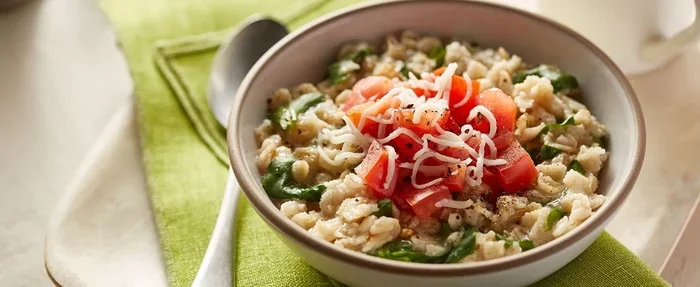
Not all oatmeal has to be sweet. Try making savory oatmeal by cooking quaker oats with broth instead of milk. Top with a fried egg, sautéed vegetables, and a sprinkle of cheese. It makes a warm, satisfying meal any time of day.
Energy Bites
Mix quaker oats with peanut butter, honey, and chocolate chips. Roll them into balls and refrigerate. These no-bake energy bites are perfect for a quick snack or pre-workout fuel.
Common Mistakes to Avoid When Eating Quaker Oats
Quaker oats are healthy, but how you prepare them matters. Avoiding a few common mistakes can help you get the most benefit from your oatmeal.
Adding Too Much Sugar
Plain quaker oats are naturally low in sugar. The problem often comes from what we add. Flavored instant packets can contain a lot of added sugar. Instead, sweeten your oatmeal naturally with fruits like bananas or berries. A drizzle of honey works too, but keep it moderate.
Skipping the Protein
Quaker oats have some protein, but not enough to keep you full all morning on its own. Add a source of protein like Greek yogurt, nuts, or a scoop of protein powder. This balances your meal and keeps hunger at bay.
Overcooking Your Oats
Overcooked oats lose their texture and can become mushy. They may also lose some of their nutritional value. Follow the cooking times on the package for the best results. For overnight oats, no cooking is needed at all.
Not Drinking Enough Water
Fiber absorbs water, so it is important to stay hydrated when you eat a high-fiber food like quaker oats. Drink plenty of water throughout the day to help your digestive system process all that fiber effectively.
Expert Insights on Quaker Oats and Whole Grain Eating
Nutrition experts consistently recommend whole grains like quaker oats as part of a balanced diet. The Dietary Guidelines for Americans suggest that at least half of all grains you eat should be whole grains. Quaker oats make this goal easy to achieve.
Registered dietitians often point to oatmeal as one of the best breakfast choices. It is affordable, accessible, and backed by solid research. The soluble fiber in quaker oats is particularly praised for its cholesterol-lowering effects.
Many health professionals also highlight the convenience factor. In a world where people often skip breakfast or grab sugary snacks, quaker oats offer a quick and nutritious alternative. A bowl of oatmeal takes minutes to prepare and delivers lasting energy.
Frequently Asked Questions About Quaker Oats
Are quaker oats gluten-free?
Quaker oats are naturally gluten-free. However, they may be processed in facilities that also handle wheat products. If you have celiac disease or a severe gluten sensitivity, look for quaker oats labeled as certified gluten-free to be safe.
How many calories are in a serving of quaker oats?
A standard serving of dry quaker oats contains about 150 calories. When cooked with water or milk, the calorie count may vary slightly depending on what you add. Keeping track of portion sizes helps you stay on target with your nutrition goals.
Can quaker oats help lower cholesterol?
Yes, quaker oats contain beta-glucan, a soluble fiber that has been shown to help reduce LDL cholesterol levels. Eating quaker oats regularly as part of a healthy diet can support better heart health over time.
What is the difference between instant oats and rolled oats?
Instant oats are pre-cooked and dried, making them faster to prepare. Rolled oats are steamed and flattened but not pre-cooked. They take a bit longer to cook but have a heartier texture. Both offer similar nutritional benefits.
Can I eat quaker oats every day?
Absolutely. Eating quaker oats daily is a great way to consistently boost your fiber intake. Just make sure to vary your diet with other whole grains, fruits, and vegetables to get a wide range of nutrients.
Are quaker oats good for people with diabetes?
Yes, quaker oats are a good choice for people managing diabetes. Their low glycemic index and high fiber content help regulate blood sugar levels. The slow digestion of complex carbs prevents sudden spikes in glucose after meals.
Final Thoughts on Quaker Oats Nutrition and Health
Quaker oats are one of the simplest and most effective foods you can add to your diet. They are affordable, easy to prepare, and packed with real nutrition. From supporting heart health to aiding digestion and helping with weight management, the benefits of quaker oats are hard to ignore.
The quaker oats nutrition facts speak for themselves. With a strong balance of fiber, protein, vitamins, and minerals, they check so many boxes for a healthy breakfast. The soluble fiber beta-glucan alone makes them worth eating regularly.
Whether you prefer rolled oats, instant oats, or steel-cut oats, you are getting the core benefits of this incredible whole grain. Start your morning with a warm bowl of oatmeal, blend them into a smoothie, or bake them into your favorite treats. There are so many easy ways to enjoy quaker oats every single day.
Make the simple switch to quaker oats and feel the difference in your energy, digestion, and overall health. Your body will thank you for it.