Everything You Need to Know About Evaporated Milk Today
Evaporated milk is a shelf-stable canned milk product made by removing about 60% of the water from fresh milk. It is a versatile ingredient used in cooking, baking, coffee, and even baby formula. This guide covers everything you need to know, from nutrition to recipes and substitutions.
Have you ever reached for a can of evaporated milk in the grocery store and wondered what exactly it is? Maybe you have a recipe that calls for it, or you have heard people use it in coffee and desserts but never tried it yourself. Either way, you are in the right place.
Evaporated milk is one of those pantry staples that quietly shows up in a surprising number of recipes. It is creamy, shelf-stable, and packed with nutrients. In this guide, we will walk you through everything you need to know about evaporated milk today — from how it is made and what it tastes like to the best ways to use it in your kitchen.
Whether you are a home cook looking to expand your ingredient list or someone who just wants to understand what is in that can sitting in your cabinet, this article has you covered. Let us dive in.
Key Takeaways
- Long Shelf Life: Unopened evaporated milk lasts for months or even years without refrigeration.
- Rich and Creamy: It has a thicker texture and slightly caramelized flavor compared to fresh milk.
- Great for Cooking and Baking: It adds creaminess to soups, sauces, desserts, and beverages.
- Nutrient-Dense: Evaporated milk is packed with protein, calcium, and vitamins A and D.
- Easy to Substitute: You can make a quick substitute at home or use alternatives like regular milk or coconut milk.
- Budget-Friendly: A single can goes a long way in recipes, making it a pantry staple.
- Safe for Most People: It is a good option for those who need a longer-lasting milk product without refrigeration.
📑 Table of Contents
What Exactly Is Evaporated Milk?
Evaporated milk is fresh milk that has had about 60% of its water content removed through a heating process. After the water evaporates, the milk is sterilized and sealed in cans. This process gives it a long shelf life without needing refrigeration until the can is opened.
The result is a thick, creamy liquid with a slightly darker color than regular milk. Some people describe the flavor as slightly caramelized or toasted. It is not sweet, and it is not the same as sweetened condensed milk, which is a common point of confusion.
Here are some key facts about evaporated milk:
- Water content: Reduced by about 60% compared to fresh milk.
- Shelf life: Unopened cans last 6 to 12 months or more at room temperature.
- Texture: Thicker and richer than regular whole milk.
- Flavor: Slightly caramelized with a mild, creamy taste.
- Packaging: Typically sold in cans or aseptic cartons.
Because of its concentrated nature, evaporated milk adds body and richness to dishes in a way that regular milk simply cannot. It has been a kitchen staple for decades, especially in households where refrigeration was not always reliable.
A Brief History of Evaporated Milk
Evaporated milk became popular in the late 1800s as a way to preserve milk without refrigeration. Gail Borden, an American inventor, patented the process in 1856. During World War II, it was widely used by the military because of its long shelf life and nutritional value. Today, it remains a common ingredient in many households around the world.
How Evaporated Milk Is Made
Making evaporated milk is a straightforward process, but it requires precision to ensure safety and quality. Here is a simplified look at how it is made:
- Fresh milk is tested for quality and purity before processing.
- The milk is heated under vacuum conditions, which causes about 60% of the water to evaporate.
- The concentrated milk is then homogenized to create a smooth, consistent texture.
- It is sterilized through heat treatment to kill any bacteria.
- The milk is sealed in cans or cartons and undergoes a final heating process to ensure long-term stability.
The entire process removes water while keeping the proteins, fats, and nutrients intact. This is why evaporated milk is so nutrient-dense compared to the same volume of fresh milk.
Evaporated Milk vs Regular Milk: What Changes?
When water is removed from milk, several things happen:
- Calories increase per serving because the nutrients become more concentrated.
- Protein and fat content rise compared to an equal volume of fresh milk.
- The color darkens slightly due to the Maillard reaction, a natural browning process that occurs during heating.
- The texture thickens, giving evaporated milk its signature creamy consistency.
Despite these changes, evaporated milk retains most of the nutritional benefits of fresh milk. It is a great source of calcium, vitamin D, and high-quality protein.
Evaporated Milk vs Condensed Milk: What Is the Difference?
This is one of the most common questions people ask. Evaporated milk and sweetened condensed milk are not the same thing, even though they look similar on the grocery shelf.
| Feature | Evaporated Milk | Sweetened Condensed Milk |
|---|---|---|
| Water removed | About 60% | About 60% |
| Sugar added | No | Yes, a large amount |
| Sweetness | Not sweet | Very sweet |
| Texture | Thick and creamy | Very thick and syrupy |
| Common uses | Savory dishes, baking, coffee | Desserts, candies, sweet drinks |
| Calories per cup | About 338 | About 980 |
The key takeaway is that evaporated milk is unsweetened and used primarily in savory and neutral recipes, while sweetened condensed milk is reserved for desserts and sweet treats. Never substitute one for the other unless you want to drastically change the flavor of your dish.
Sometimes people also compare evaporated milk with whole milk or milk powder. While all three come from the same base ingredient, they serve different purposes. Evaporated milk offers a middle ground — it is more concentrated than fresh milk but not as dry or reconstituted as powdered milk.
Top Uses for Evaporated Milk in the Kitchen
Evaporated milk is incredibly versatile. You can use it in both sweet and savory dishes. Here are some of the most popular and delicious ways to incorporate it into your cooking:
1. Creamy Soups and Sauces
Adding evaporated milk to soups and sauces gives them a rich, velvety texture without the need for heavy cream. It works wonderfully in:
- Chowders — especially potato and corn chowder.
- Cream-based pasta sauces — it adds body and smoothness.
- Curries — a splash of evaporated milk balances spicy flavors beautifully.
- Gravies — it creates a luscious, pourable consistency.
Pro tip: Add evaporated milk toward the end of cooking to prevent it from curdling. Heat it gently and stir constantly.
2. Baking and Desserts
Evaporated milk is a secret weapon for bakers. It makes cakes, custards, and pies incredibly moist and tender. Some beloved recipes that rely on evaporated milk include:
- Pumpkin pie — a classic Thanksgiving dessert.
- Bread pudding — rich and custardy.
- Tres leches cake — soaked in three types of milk.
- Fudge and caramel candies — for a smooth, creamy texture.
- Ice cream — homemade versions taste especially rich.
3. Coffee and Hot Beverages
Many coffee lovers swear by using evaporated milk as a creamer. It dissolves easily in hot beverages and adds a creamy, slightly sweet note without the need for sugar. You can also use it in:
- Hot chocolate — for an extra creamy finish.
- Tea lattes — it froths well and adds richness.
- Smoothies — a small amount boosts the calorie and protein content.
4. Baby Formula and Special Diets
Historically, evaporated milk was commonly used as a base for homemade baby formula. While modern formulas are more advanced today, some parents still use it under pediatric guidance. It is also used in certain medical diets where concentrated nutrition is needed.
Quick Tips for Using Evaporated Milk
- Always shake the can well before opening — the contents can settle.
- Dilute with water if the recipe calls for regular milk — use equal parts water and evaporated milk.
- Store opened cans in the refrigerator and use within 5 to 7 days.
- Measure carefully — evaporated milk is denser than regular milk, so volume measurements may differ.
Nutritional Benefits of Evaporated Milk
Evaporated milk is not just a cooking ingredient — it is also a nutritious addition to your diet. Because the water is removed, the nutrients become more concentrated per serving compared to fresh milk.
Here is a general nutritional breakdown of evaporated milk per one-cup serving (about 240 ml, diluted):
- Calories: Approximately 150 to 170
- Protein: About 7 to 8 grams
- Fat: Around 5 to 8 grams (depending on whole or low-fat versions)
- Calcium: Roughly 300 mg — about 25% of daily needs
- Vitamin D: Often fortified, providing about 15% of daily value
- Potassium: Around 350 mg
- Riboflavin (B2): Good source for energy metabolism
One of the standout benefits of evaporated milk is its high calcium content. Calcium is essential for strong bones and teeth, and a single serving can contribute significantly to your daily intake.
Evaporated Milk for People with Dietary Needs
For people who struggle to get enough calories or protein, evaporated milk can be a helpful addition. It is often recommended for:
- Elderly individuals who need extra protein and calories.
- Athletes looking for a convenient source of protein and carbohydrates.
- People recovering from illness who need nutrient-dense, easy-to-digest foods.
- Those on a budget — a single can provides many servings at a low cost.
Common Mistakes People Make with Evaporated Milk
Even experienced cooks sometimes make mistakes with evaporated milk. Here are a few to watch out for:
- Forgetting to dilute it. If a recipe calls for regular milk, you need to add water back to the evaporated milk. Using it straight from the can will make your dish too thick and rich.
- Adding it too early in cooking. High heat for too long can cause evaporated milk to curdle or develop a skin on top. Add it in the last 10 to 15 minutes of cooking.
- Confusing it with sweetened condensed milk. This can ruin both savory and sweet recipes. Always check the label before you open the can.
- Not refrigerating opened cans. Once opened, evaporated milk must be stored in the fridge and used within a week.
- Using expired product. While evaporated milk has a long shelf life, it does eventually go bad. Check the expiration date before using.
How to Store and Substitute Evaporated Milk
Proper storage ensures your evaporated milk stays fresh and safe to consume. Here is what you need to know:
Storage Guidelines
- Unopened cans: Store in a cool, dry pantry. They can last 6 to 12 months past the printed date.
- Opened cans: Transfer any leftover milk to a clean glass or plastic container, cover tightly, and refrigerate. Use within 5 to 7 days.
- Do not freeze unopened cans. Freezing can cause the can to bulge or burst.
- Do not freeze opened milk in the original can. Use a separate container instead.
Easy Homemade Substitute
If you do not have evaporated milk on hand, you can make a quick substitute at home. Simply simmer 2 cups of regular whole milk in a saucepan over medium-low heat until it reduces to about 1 cup. This process concentrates the milk and mimics the texture and flavor of store-bought evaporated milk.
It takes about 30 to 40 minutes to reduce the milk properly. Stir occasionally to prevent scorching. While the homemade version will not be exactly the same, it works well in most recipes.
Other Substitutes to Consider
If you need a dairy-free option or simply do not want to reduce milk on the stove, here are some alternatives:
- Coconut milk — adds a subtle coconut flavor and creamy texture.
- Heavy cream diluted with water — use a 1:1 ratio for a similar richness.
- Milk powder reconstituted with water — a good option for long-term storage.
- Regular whole milk — works in a pinch, though the result will be thinner.
Expert Insight: Why Evaporated Milk Deserves a Spot in Your Pantry
Many professional chefs and home cooks keep evaporated milk stocked at all times. It is affordable, lasts a long time, and elevates the quality of countless dishes. Whether you are making a quick creamy soup or a special holiday dessert, having a can of evaporated milk on hand can save the day.
The beauty of evaporated milk is that it bridges the gap between fresh milk and heavy cream. It gives you richness and creaminess without the high fat content or short shelf life of fresh cream. For anyone who cooks regularly, it is a small investment that pays off in flavor and versatility.
Popular Brands and What to Look For
When shopping for evaporated milk, you will find several brands on the shelf. Some of the most popular ones include:
- Eagle Brand — one of the most recognized names in the US.
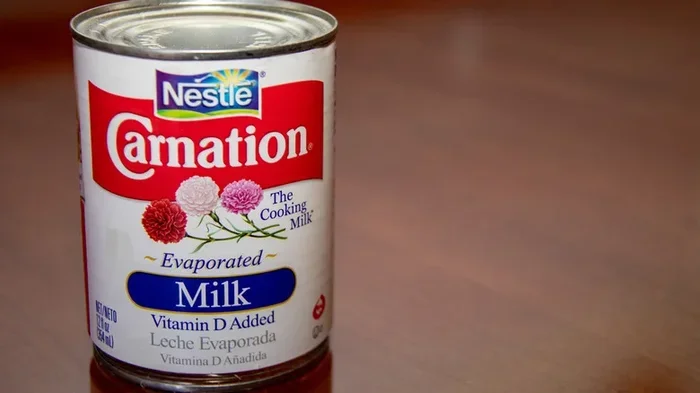
- Carnation — widely available and affordable.
- Pet — a common choice in many regions.
- Store brands — most grocery stores carry their own version, which is often just as good and more budget-friendly.
When choosing a brand, look for options that are fortified with vitamin D and calcium. Also check the ingredient list — the best evaporated milk products contain only milk and nothing else. Avoid brands with added preservatives or artificial flavors.
You can find evaporated milk in the canned goods aisle, usually near the condensed milk and other shelf-stable dairy products. If you have trouble finding it, ask a store employee — they can point you in the right direction.
Conclusion
Evaporated milk is one of the most underrated and useful ingredients you can keep in your kitchen. It is creamy, nutritious, long-lasting, and incredibly versatile. From enriching soups and sauces to creating decadent desserts and creamy beverages, evaporated milk earns its place in countless recipes around the world.
Now that you know how it is made, how to use it, and how to store it properly, you are ready to start experimenting. Pick up a can on your next grocery run and try it in a recipe you have been wanting to make. You might be surprised at how much of a difference it makes.
The next time you are in the canned goods aisle, do not walk past that familiar can. Grab a few and put evaporated milk to work in your kitchen. Your taste buds — and your pantry — will thank you.
Frequently Asked Questions
Can I drink evaporated milk straight from the can?
Yes, you can drink evaporated milk directly from the can, but it will taste much richer and thicker than regular milk. Most people prefer to dilute it with an equal amount of water before drinking. This brings the consistency closer to that of fresh whole milk.
Is evaporated milk the same as condensed milk?
No, evaporated milk and sweetened condensed milk are not the same. Evaporated milk is unsweetened and has had water removed, while sweetened condensed milk has a large amount of sugar added. They are used for entirely different purposes in cooking and baking.
How long does evaporated milk last after opening the can?
Once opened, evaporated milk should be transferred to a sealed container and refrigerated. It will stay fresh for about 5 to 7 days. Always check for signs of spoilage, such as a sour smell or change in color, before using it.
Can I use evaporated milk in place of regular milk in recipes?
Yes, you can substitute evaporated milk for regular milk in most recipes. Simply mix equal parts evaporated milk and water to approximate the consistency of fresh milk. This works well in both cooking and baking applications.
Is evaporated milk good for people who are lactose intolerant?
Evaporated milk contains lactose, so it is not suitable for people with lactose intolerance. However, some brands offer lactose-free evaporated milk options. You can also explore plant-based alternatives like coconut or oat milk for a similar creamy texture.
Can I use evaporated milk to make homemade baby formula?
While evaporated milk was historically used as a base for homemade baby formula, modern pediatric guidelines recommend using commercially prepared infant formulas. If you are considering this, always consult with your pediatrician first to ensure the baby’s nutritional needs are fully met.