How Long to Bake a Ham for the Perfect Holiday Meal
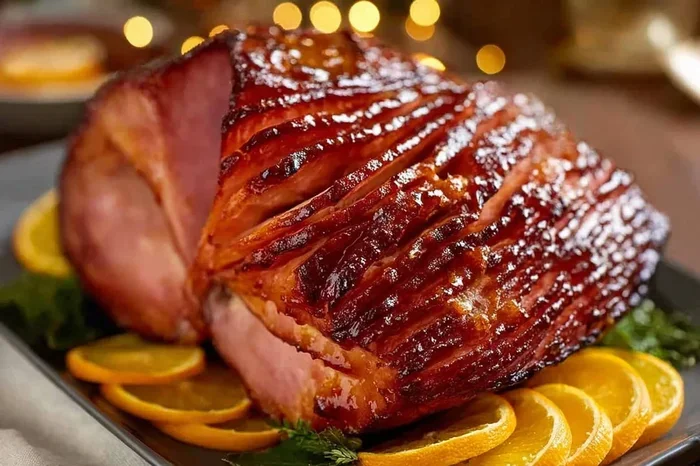
Baking a ham takes roughly 10 to 15 minutes per pound at 325°F, depending on whether you start with a bone-in or boneless cut. A fully cooked spiral ham needs about 10 to 12 minutes per pound, while a raw ham requires closer to 15 to 20 minutes per pound. The internal temperature should reach 140°F for reheating or 145°F for raw pork. This guide walks you through every step for a holiday ham that wows your guests.
There is something special about pulling a golden, glistening ham out of the oven during the holidays. The whole kitchen fills with a warm, savory aroma that makes everyone gather around the counter. But here is the thing — nailing the perfect bake is not just about setting a timer and forgetting it.
If you have ever wondered how long to bake a ham, you are not alone. The answer depends on a few key factors, including the size of your ham, whether it is bone-in or boneless, and if it is fully cooked or raw. This guide breaks it all down so you can serve a holiday ham that is juicy, flavorful, and absolutely show-stopping.
Key Takeaways
- Plan for 10 to 15 minutes per pound: This is the general rule for baking ham in a standard oven at 325°F.
- Bone-in hams take longer: The bone adds cooking time, but it also delivers more flavor and moisture.
- Glaze in the last 20 to 30 minutes: Applying the glaze too early can cause it to burn before the ham finishes cooking.
- Use a meat thermometer: The internal temperature is the most reliable way to know your ham is done.
- Rest the ham before slicing: Letting it sit for 10 to 15 minutes keeps the juices locked in.
- Leftovers keep for 5 days: Properly stored baked ham stays fresh in the fridge and freezes well for up to 3 months.
📑 Table of Contents
Understanding Your Ham Cut
Before you even preheat the oven, you need to understand what kind of ham you are working with. Not all hams are created equal, and the cut you choose directly affects your baking time and temperature.
Bone-In vs. Boneless Ham
A bone-in ham comes with the shank bone still attached. It tends to be more flavorful because the bone adds richness during cooking. However, it takes a bit longer to heat through evenly. You should plan for about 15 minutes per pound when baking a bone-in ham.
A boneless ham is easier to slice and typically cooks faster. It usually needs around 10 to 12 minutes per pound. Boneless hams are often sold as pre-cooked, which means your job is mostly about reheating and glazing.
Spiral Ham vs. Whole Ham
A spiral ham is a bone-in ham that has been pre-sliced into even portions. It is incredibly popular for holiday dinners because it is easy to serve. Spiral hams are almost always fully cooked, so you are really just reheating them and adding a beautiful glaze.
A whole ham gives you more control over slicing and seasoning. It can be raw or partially cooked, so always check the label. Raw whole hams need more time in the oven and reach an internal temperature of 145°F when done.
How Long to Bake a Ham: Time and Temperature Guide
The golden rule for baking ham is 325°F for 10 to 15 minutes per pound. But let us break this down by ham type so you know exactly what to expect.
| Ham Type | Temperature | Time Per Pound | Internal Temp Goal |
|---|---|---|---|
| Bone-In Fully Cooked | 325°F | 12–15 min | 140°F |
| Boneless Fully Cooked | 325°F | 10–12 min | 140°F |
| Spiral Ham | 325°F | 10–12 min | 140°F |
| Raw Bone-In | 325°F | 18–20 min | 145°F |
| Raw Boneless | 325°F | 15–18 min | 145°F |
These times are estimates. The single most reliable way to know your ham is ready is to use a meat thermometer. Insert it into the thickest part of the ham, avoiding the bone if there is one.
Why Temperature Matters More Than Time
Ovens vary. Some run hot, and some run cold. The size and shape of your ham also affect how quickly it cooks. This is why relying solely on a timer can lead to dry, overcooked ham or, worse, undercooked meat that is unsafe to eat.
The USDA recommends that reheated fully cooked hams reach an internal temperature of 140°F. For raw pork hams, the safe minimum is 145°F with a three-minute rest time. Always let your ham rest for at least 10 to 15 minutes after pulling it from the oven. This allows the juices to redistribute and makes slicing much easier.
Step-by-Step: How to Bake a Ham
Now that you know the basics, let us walk through the actual process. Follow these steps and you will have a beautiful holiday ham on the table.
Step 1: Prep the Ham
Remove your ham from the refrigerator about 30 minutes before baking. Letting it come to room temperature helps it cook more evenly. If your ham has a thick outer layer of fat, you can score it in a diamond pattern. This gives the glaze something to cling to and helps the fat render during cooking.
Step 2: Add Liquid to the Pan
Place the ham cut-side down in a roasting pan. Add about one cup of liquid to the bottom. You can use water, apple juice, chicken broth, or even cola. This keeps the ham moist and creates a flavorful base for your pan drippings.
Step 3: Cover and Bake
Tent the ham loosely with aluminum foil. This traps moisture and prevents the outside from drying out before the inside is heated through. Bake at 325°F for the recommended time based on your ham type.
Step 4: Apply the Glaze
Remove the foil during the last 20 to 30 minutes of baking. Brush on your glaze and let it caramelize. Popular glaze options include brown sugar and mustard, honey bourbon, or pineapple and cloves. Applying the glaze too early will cause it to burn, so timing this step correctly is key.
Step 5: Rest and Serve
Once the ham reaches its target internal temperature, pull it from the oven. Cover it loosely with foil and let it rest for 10 to 15 minutes. This is the step most people skip, but it makes a huge difference in juiciness.
Best Ham Glaze Recipes
The glaze is what turns a good ham into a great one. Here are three easy options you can whip up in minutes.
Classic Brown Sugar Glaze
- 1 cup brown sugar
- 2 tablespoons Dijon mustard
- 1 tablespoon apple cider vinegar
- 1 teaspoon cinnamon
Mix all ingredients together and spread generously over the ham during the last 20 minutes of baking. The result is a sweet, slightly tangy crust that everyone loves.
Honey Bourbon Glaze
- 1/2 cup honey
- 2 tablespoons bourbon
- 1 tablespoon melted butter
- 1 tablespoon dark brown sugar
This glaze adds a rich, slightly smoky flavor. Brush it on during the last 15 minutes and watch it bubble into a gorgeous amber coating.
Pineapple Cloves Glaze
- 1 can pineapple rings
- 1/2 cup brown sugar
- 10 to 12 whole cloves
Place pineapple rings on top of the ham, press cloves into them, and sprinkle with brown sugar. This is a classic holiday presentation that tastes as good as it looks.
Common Mistakes to Avoid
Even experienced cooks can make mistakes when baking ham. Here are the most common pitfalls and how to avoid them.
Overcooking the Ham
The biggest enemy of a good ham is overcooking. When you leave the ham in the oven too long, the moisture escapes, and the meat turns dry and tough. Always start checking the internal temperature 20 minutes before the estimated finish time. This gives you a buffer and prevents disaster.
Skipping the Rest Time
It is tempting to slice into that beautiful ham the moment it comes out of the oven. Resist that urge. The rest time allows the proteins to relax and reabsorb juices. Without it, your slices will be dry and less flavorful.
Using the Wrong Glaze Timing
Adding the glaze too early is a rookie mistake. Sugar-based glazes burn quickly at high temperatures. Wait until the last 20 to 30 minutes to apply your glaze, and keep an eye on it as it caramelizes.
Not Scoring the Fat
Scoring the fat might seem optional, but it makes a real difference. It allows the glaze to seep into the meat and helps the fat render out, giving you a crispier exterior and more tender interior.
Storing and Reheating Leftover Ham
Holiday hams almost always produce leftovers, and that is a good thing. Here is how to make the most of them.
Storing Cooked Ham
Wrap leftover ham tightly in plastic wrap or aluminum foil and store it in the refrigerator. Cooked ham stays fresh for up to 5 days. For longer storage, wrap it well and freeze it. Frozen baked ham keeps for up to 3 months without losing quality.
Reheating Leftover Ham
When you are ready to enjoy your leftovers, reheat the ham in a 325°F oven covered with foil. Add a splash of broth or apple juice to the pan to keep it moist. Heat for about 10 to 15 minutes per pound until the internal temperature reaches 140°F.
You can also slice leftover ham and use it in sandwiches, omelets, soups, and casseroles. A little leftover ham goes a long way in adding flavor to weeknight meals.
After a big holiday feast, you might want to balance things out with some light exercise. Many people find that how long to walk on treadmill a day can help offset the extra calories from a rich holiday meal. A brisk 30-minute walk is a great way to stay active during the festive season. Similarly, if you enjoy morning workouts, checking out how long to jump rope for a good workout can help you squeeze in effective cardio even when you are busy hosting family gatherings. And for those who prefer low-impact exercise, how long on a stationary bike to lose weight offers a gentle way to stay on track with your fitness goals throughout the holidays.
Final Thoughts
Baking a ham for the holidays does not have to be stressful. Once you understand the basics — 325°F, 10 to 15 minutes per pound, and an internal temperature of 140°F to 145°F — you can confidently prepare a ham that will be the centerpiece of your holiday table. Choose the right cut, glaze it at the right time, and let it rest before serving.
The most important thing to remember is that how long to bake a ham is really about the internal temperature, not just the clock. Use a meat thermometer, trust the process, and enjoy the wonderful aroma filling your kitchen. Your family and guests will thank you, and you will have a holiday meal to remember.
Frequently Asked Questions
How long does it take to bake a 10-pound ham?
At 325°F, a fully cooked 10-pound ham takes about 2 to 2.5 hours. Bone-in hams lean toward the longer end, while boneless hams finish faster. Always check the internal temperature to be sure.
Can I bake a ham at 350°F instead of 325°F?
Yes, you can, but it will cook faster and has a higher risk of drying out. If you use 350°F, reduce your time and monitor the internal temperature closely. Most experts still recommend 325°F for the best results.
Do I need to cover the ham with foil while baking?
Yes, covering the ham with foil for most of the bake keeps it moist. Remove the foil during the last 20 to 30 minutes so the glaze can caramelize and the exterior can develop a nice texture.
What internal temperature should ham reach?
For a fully cooked ham that you are reheating, 140°F is the target. For a raw pork ham, the safe internal temperature is 145°F. Always use a meat thermometer to check the thickest part of the meat.
How do I know if my ham is fully cooked?
The best way is to use a meat thermometer. If the internal temperature reaches 140°F for reheating or 145°F for raw ham, it is done. The meat should also be tender and have clear juices when pierced.
Can I freeze a baked ham?
Absolutely. Wrap the baked ham tightly in plastic wrap and then in aluminum foil or a freezer bag. It keeps well in the freezer for up to 3 months. Thaw it in the refrigerator overnight before reheating.
=== CONCLUSION ===
How long to bake a ham comes down to a few simple factors: the type of ham, its weight, and your oven temperature. Stick with 325°F, plan for 10 to 15 minutes per pound, and always use a meat thermometer to confirm doneness. With the right glaze and a little patience, you will serve a holiday ham that is moist, flavorful, and absolutely delicious. Your guests will go back for seconds, and you will have earned every bit of that holiday praise.