What Happens If Audi A4 Mix Oil and Water
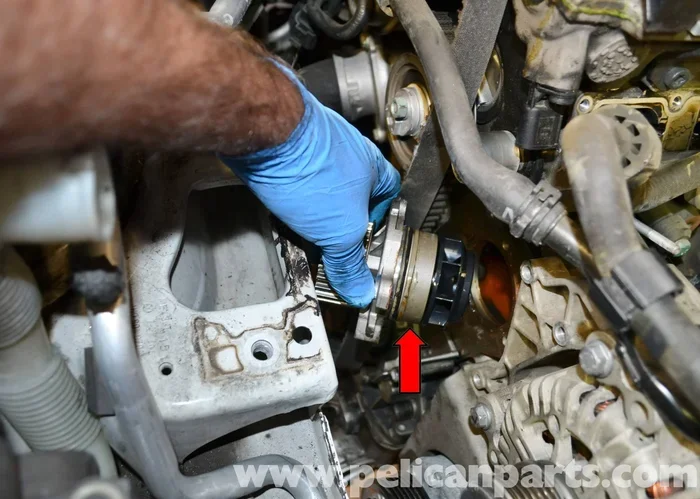
What happens if Audi A4 mix oil and water? It can cause severe engine damage, reduced lubrication, overheating, and costly repairs. Mixing oil and water in your Audi A4 engine leads to a milky sludge that destroys bearings, pistons, and internal components. Recognizing early signs like white smoke, low oil pressure, and a milky dipstick can save you thousands in repair bills.
You pop the hood of your Audi A4 and notice something strange. The dipstick looks milky. Or maybe you see white smoke curling from the exhaust. These are not small issues. They are red flags telling you that oil and water have mixed inside your engine. Understanding what happens when this occurs is critical for every Audi owner. Ignoring it can lead to engine failure that costs thousands of dollars to fix.
The Audi A4 is a well-engineered vehicle. It relies on precise lubrication and cooling systems working independently. When oil and water meet, that balance falls apart. The results range from minor inconvenience to total engine destruction. This article breaks down everything you need to know about this serious problem.
Key Takeaways
- Oil and water mixing destroys your engine: The combination creates sludge that starves engine parts of proper lubrication.
- Head gasket failure is the most common cause: A blown head gasket allows coolant to seep into the oil passages.
- Early detection saves money: Catching the problem early can prevent a full engine replacement.
- White smoke and milky oil are key warning signs: These symptoms should never be ignored.
- Regular Audi maintenance helps prevent issues: Routine checks keep your engine running smoothly.
- Driving with mixed oil and water is extremely risky: It can cause catastrophic engine failure within minutes.
📑 Table of Contents
- What Happens If Audi A4 Mix Oil and Water
- Common Causes of Oil and Water Mixing in Audi A4
- Warning Signs Your Audi A4 Has Oil and Water Mixing
- How to Diagnose Oil and Water Mixing in Audi A4
- Repair Options and Costs
- Prevention Tips for Audi A4 Owners
- Expert Insights on Audi A4 Oil and Water Issues
- When to Seek Professional Help
- Conclusion
What Happens If Audi A4 Mix Oil and Water
When oil and water combine inside your Audi A4 engine, the consequences are serious and progressive. Water has no lubricating properties. Oil does. When water contaminates the oil, the oil loses its ability to reduce friction between moving parts. This means metal grinds against metal. Bearings wear out. Pistons scuff. The engine starts to break down from the inside.
The mixture also creates a thick, foamy substance often called “mayonnaise” because of its milky appearance. This sludge clogs oil passages. It prevents oil from reaching critical components. The engine runs hotter. Parts expand. The damage snowballs quickly if you keep driving.
Here is what happens step by step when oil and water mix in an Audi A4:
- Loss of lubrication: The oil becomes diluted and cannot properly coat engine surfaces.
- Increased friction: Metal parts grind together without proper protection.
- Overheating: The cooling system becomes compromised, and temperatures rise.
- Sludge formation: The oil-water mixture creates a thick paste that blocks passages.
- Bearing failure: Rodent and main bearings wear out rapidly without clean oil.
- Catalytic converter damage: Coolant burning in the exhaust system destroys this expensive component.
- Catastrophic engine failure: In severe cases, the engine seizes completely and needs replacement.
Why Oil and Water Should Never Mix
Oil and water are naturally immiscible. They do not blend. They repel each other. So when they mix inside your engine, something has gone wrong. Normally, the oil system and the cooling system operate as completely separate circuits. The oil circulates through the engine to lubricate moving parts. The coolant flows through the engine block and radiator to absorb heat.
When these two systems cross, it means a seal, gasket, or internal component has failed. The Audi A4 engine is designed with tight tolerances. Coolant should never enter the oil galleries, and oil should never enter the cooling system. When they do, the engine is in trouble.
The oil in your Audi A4 serves several vital functions. It lubricates, cools, cleans, and protects internal components. Water destroys all of these properties. It reduces the oil’s viscosity. It prevents proper film formation between moving surfaces. Even a small amount of water contamination can cause significant damage over time.
Common Causes of Oil and Water Mixing in Audi A4
Understanding why oil and water mix is just as important as knowing what happens when they do. Several issues can cause this problem in an Audi A4. Let us explore the most common culprits.
Blown Head Gasket
The head gasket sits between the engine block and the cylinder head. It seals the combustion chambers and keeps oil and coolant in their separate channels. When the head gasket fails, coolant can leak into the oil passages. This is the most common reason for oil and water mixing in the Audi A4.
A blown head gasket often results from engine overheating. It can also happen due to age and normal wear. Poor maintenance accelerates this problem. Driving with low coolant levels puts extra stress on the gasket.
Cracked Cylinder Head
The cylinder head sits on top of the engine block. It houses the combustion chambers, valves, and camshafts. Over time, thermal stress can cause cracks in the cylinder head. These cracks create pathways for coolant to enter the oil system.
Audi A4 engines with higher mileage are more susceptible to this issue. Aluminum cylinder heads are particularly prone to cracking under extreme heat. If you notice the problem after prolonged hard driving or towing, a cracked head might be the cause.
Faulty Oil Cooler
Some Audi A4 models come equipped with an oil cooler. This device helps regulate oil temperature. The oil cooler uses coolant to keep the oil at optimal temperature. If the internal seals of the oil cooler fail, coolant can leak directly into the oil supply.
This is a common issue in certain Audi A4 generations. The oil cooler is often located near the front of the engine. A failed oil cooler seal is one of the easier problems to diagnose and fix compared to a head gasket failure.
Worn Intake Manifold Gasket
The intake manifold distributes air to the engine cylinders. It also houses coolant passages in some Audi A4 models. When the intake manifold gasket wears out, coolant can leak into areas where it should not be. This can lead to oil contamination over time.
Cracked Engine Block
In rare cases, the engine block itself can crack. This usually happens after severe overheating or freezing. A cracked engine block creates direct pathways between the oil and coolant systems. This is the most expensive cause to repair.
Warning Signs Your Audi A4 Has Oil and Water Mixing
Detecting the problem early can save you from catastrophic engine damage. Your Audi A4 will show several warning signs when oil and water start mixing. Learn to recognize these symptoms.
Milky or Frothy Oil on the Dipstick
Check your oil dipstick regularly. Healthy oil should be amber or brown. If it looks milky, creamy, or frothy, water has contaminated it. This is one of the most obvious signs of mixing. Do not ignore this symptom.
White Smoke from the Exhaust
Thin white smoke on a cold morning is normal. But if you see thick white smoke that smells sweet, coolant is burning in the combustion chamber. This often happens when coolant leaks into the cylinders through a failed head gasket.
Rising Coolant Level Without Visible Leaks
If you constantly need to top off your coolant and there is no visible leak, the coolant might be entering the oil system. Check your coolant reservoir regularly. A dropping level with no external leak is a strong indicator of internal mixing.
Oil Pressure Warning Light
Contaminated oil loses its ability to maintain proper pressure. If your oil pressure warning light comes on, check the oil immediately. Low oil pressure means the engine is not getting the lubrication it needs.
Engine Overheating
When coolant escapes into the oil, the cooling system loses its effectiveness. The engine starts to overheat. If your temperature gauge reads higher than normal, pull over safely and investigate.
Bubbles in the Coolant Reservoir
Air from the combustion chamber can enter the cooling system through a failed head gasket. You may notice bubbles forming in the coolant reservoir. This is a sign of combustion gases leaking into the coolant.
How to Diagnose Oil and Water Mixing in Audi A4
If you suspect oil and water have mixed in your Audi A4, several diagnostic methods can confirm the problem. A proper diagnosis helps you understand the severity and choose the right repair approach.
Visual Inspection
Start with the basics. Pull the dipstick and look at the oil color. Check the coolant for oil floating on top. Inspect the area around the oil filter and drain plug for any milky residue. A visual inspection often reveals a lot about what is happening inside the engine.
Oil Analysis Test
You can send a sample of your engine oil to a lab for analysis. The test will reveal the presence of water, coolant, and other contaminants. This gives you a precise measurement of how severe the contamination is.
Compression Test
A compression test measures the pressure in each cylinder. Low compression in one or more cylinders can indicate a head gasket failure. This test helps pinpoint which cylinder is affected.
Pressure Test of the Cooling System
A mechanic can pressurize the cooling system to check for leaks. If the system loses pressure without any external leak, the problem is likely internal. This test is quick and non-invasive.
Block Test
A block test detects combustion gases in the coolant. The presence of these gases strongly indicates a head gasket leak. This is one of the most reliable diagnostic tools for this problem.
Repair Options and Costs
The repair cost depends entirely on the cause of the oil and water mixing. Some fixes are affordable. Others require major engine work. Let us break down the common repair options.
| Repair | Estimated Cost (USD) | Difficulty |
|---|---|---|
| Oil Cooler Seal Replacement | $300 – $800 | Moderate |
| Head Gasket Replacement | $1,000 – $2,500 | High |
| Intake Manifold Gasket Replacement | $500 – $1,200 | Moderate |
| Cylinder Head Repair or Replacement | $1,500 – $4,000 | High |
| Engine Block Crack Repair | $2,000 – $6,000 | Very High |
| Complete Engine Replacement | $4,000 – $10,000+ | Very High |
The oil cooler seal replacement is the least expensive option. It involves removing the oil cooler and replacing the internal seals. The head gasket replacement is more involved because it requires removing the cylinder head. Engine replacement is the most costly and is usually a last resort when the damage is extensive.
Always get a detailed quote from a qualified mechanic before committing to repairs. Ask about the scope of work, parts costs, and labor charges. If you have a warranty or extended coverage, check if the repair is included.
Prevention Tips for Audi A4 Owners
Preventing oil and water mixing is far easier and cheaper than repairing it. Follow these practical tips to protect your Audi A4 engine.
- Check your oil regularly: Inspect the dipstick at least once a month. Look for any changes in color or consistency.
- Monitor coolant levels: Keep an eye on your coolant reservoir. A sudden drop without visible leaks is a warning sign.
- Maintain your cooling system: Flush and replace coolant according to Audi’s recommended schedule.
- Address overheating immediately: If your engine overheats, stop driving and let it cool. Continuing to drive can cause head gasket failure.
- Follow the service schedule: Regular oil changes and inspections catch small problems before they become big ones.
- Use quality parts: When replacing gaskets or seals, use OEM or high-quality aftermarket parts.
- Watch for warning signs: White smoke, milky oil, or unusual sounds should be investigated right away.
Quick Tips for Daily Driving
Make it a habit to glance at your gauges while driving. The temperature gauge and oil pressure gauge are your best friends. If either one shows an unusual reading, pull over safely. A few minutes of attention can prevent hours of repair work.
Common Mistakes Audi Owners Make
Many Audi owners ignore early warning signs. They assume a little white smoke or slightly milky oil is not a big deal. It is. Another common mistake is using the wrong coolant type. Audi vehicles require specific coolant formulations. Using the wrong one can cause internal corrosion and gasket failure.
Some owners also skip oil changes or extend them too far. Old oil loses its protective properties. It becomes more vulnerable to contamination. Stick to the recommended oil change interval for your Audi A4 model year.
Expert Insights on Audi A4 Oil and Water Issues
Experienced Audi mechanics emphasize that oil and water mixing is always a symptom of a deeper problem. You cannot just change the oil and move on. The root cause must be identified and fixed. Otherwise, the contamination will return.
One common misconception is that a small amount of water in the oil is harmless. Even a small amount can cause significant damage over time. Water accelerates oxidation of the oil. It reduces the oil’s film strength. It promotes rust and corrosion inside the engine. Every drop matters.
Another expert insight is that the Audi A4’s turbocharged engines are more vulnerable to this problem. The turbocharger creates additional heat and pressure. This increases the stress on gaskets and seals. If you own a turbocharged Audi A4, be extra vigilant about monitoring your oil and coolant levels.
Mechanics also recommend keeping a log of your fluid checks. Record the oil level, coolant level, and any visual observations. This log helps you spot trends and catch problems early. It also provides valuable information to your mechanic when diagnosing issues.
When to Seek Professional Help
Some repairs are within the scope of a skilled DIYer. But oil and water mixing in an Audi A4 is not one of them. The root cause is often deep within the engine. Proper diagnosis requires specialized tools and expertise.
Seek professional help if you notice any of the following:
- Milky oil that does not clear after an oil change
- Persistent white smoke from the exhaust
- Coolant loss without visible external leaks
- Engine overheating that keeps recurring
- Oil pressure warnings that come and go
- Bubbles in the coolant reservoir while running
A qualified Audi mechanic has the experience and diagnostic equipment to identify the exact cause. They can also perform the repairs correctly the first time. Trying to save money by ignoring the problem or attempting a DIY fix often leads to more expensive damage later.
Conclusion
What happens if Audi A4 mix oil and water? The answer is clear. It causes serious engine damage that can be expensive and dangerous. The mixture destroys lubrication, creates sludge, and leads to overheating. Over time, it can seize the engine completely.
The good news is that early detection makes all the difference. By watching for warning signs like milky oil, white smoke, and coolant loss, you can catch the problem before it escalates. Regular maintenance and prompt attention to symptoms keep your Audi A4 running strong for years to come.
Do not wait until the damage is done. If you suspect oil and water mixing in your Audi A4, take action immediately. Have the vehicle inspected by a professional mechanic. The cost of a diagnosis is tiny compared to the cost of a new engine. Protect your investment. Stay vigilant. Keep your Audi A4 running at its best.
Frequently Asked Questions
Can I still drive my Audi A4 if oil and water have mixed?
No. Driving with mixed oil and water is extremely dangerous. The contaminated oil cannot properly lubricate the engine. This causes rapid wear on internal components. Stop driving immediately and have the vehicle towed to a mechanic.
How much does it cost to fix oil and water mixing in an Audi A4?
The cost varies depending on the cause. A simple oil cooler seal replacement may cost $300 to $800. A head gasket replacement can range from $1,000 to $2,500. Engine replacement can exceed $10,000. Early diagnosis keeps costs lower.
Can I just change the oil and fix the problem myself?
Changing the oil removes the contaminated fluid, but it does not fix the root cause. The underlying issue, such as a blown head gasket or cracked head, must be repaired. Otherwise, the problem will return quickly.
What does milky oil on the dipstick mean for an Audi A4?
Milky oil on the dipstick means water has contaminated the oil. This is a clear sign that oil and water have mixed inside the engine. It is often caused by a head gasket failure, cracked cylinder head, or faulty oil cooler.
Is oil and water mixing covered under Audi warranty?
It depends on your warranty terms and the cause of the problem. Head gasket failures may be covered under certain Audi extended warranties. However, damage caused by neglect or lack of maintenance is typically not covered. Check your specific warranty documentation.
How can I prevent oil and water from mixing in my Audi A4?
Regular maintenance is the best prevention. Check your oil and coolant levels frequently. Follow Audi’s recommended service schedule. Address overheating immediately. Use the correct coolant type. These simple steps go a long way in preventing oil and water contamination.