Banana Calories The Definitive Guide You Need Today
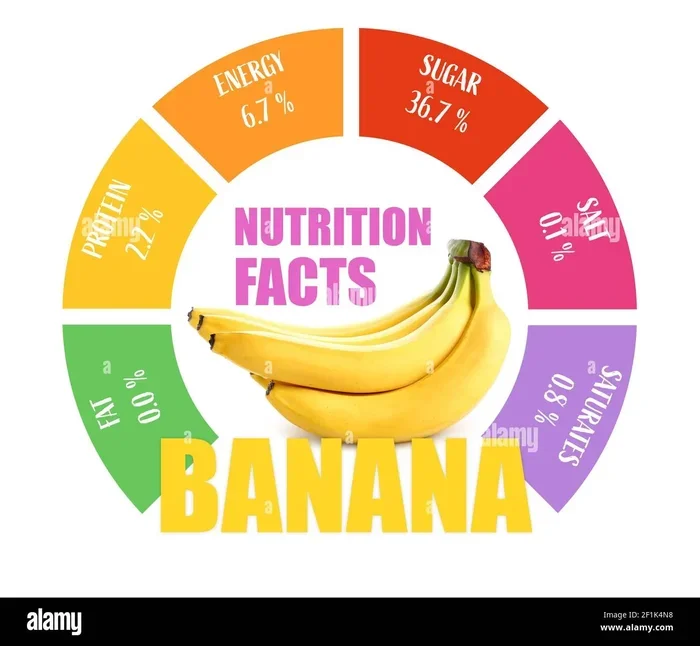
Banana calories vary by size, but a medium banana has about 105 calories. This guide breaks down banana nutrition for every size, from small to extra large. You will learn how banana calories compare to other fruits, the health benefits of bananas, and the best ways to enjoy them.
Key Takeaways
- A medium banana contains about 105 calories: This is the most common serving size and a great reference point for tracking your intake.
- Banana calories change by size: Small, medium, large, and extra-large bananas have different calorie counts, so portion awareness matters.
- Bananas are packed with nutrients: Beyond calories, bananas offer potassium, fiber, vitamin B6, and natural energy.
- Banana calories are low compared to many snacks: They make a healthy, filling alternative to processed foods.
- Ripeness affects banana calories slightly: Ripe and green bananas have minor differences in carbs and calories.
- Bananas support active lifestyles: They are a great pre- or post-workout fuel source for anyone who exercises.
📑 Table of Contents
- Banana Calories: What You Need to Know
- How Many Calories Are in a Banana by Size
- Banana Nutrition Facts Beyond Calories
- Ripe vs. Green Banana Calories
- How Banana Calories Compare to Other Fruits
- Health Benefits of Bananas Beyond Calories
- Best Ways to Enjoy Bananas
- Are Banana Calories Good for Your Diet?
- Common Mistakes People Make with Bananas
- Expert Tips for Tracking Banana Calories
- Final Thoughts on Banana Calories
Banana Calories: What You Need to Know
Bananas are one of the most popular fruits on the planet. They are affordable, portable, and packed with nutrients. But if you are watching your calorie intake, you might wonder about banana calories and how they fit into your daily diet. This guide has everything you need.
Whether you eat bananas for breakfast, as a snack, or before a workout, understanding their calorie content helps you make smarter choices. A medium banana has about 105 calories, but the number changes based on size and ripeness. Let us break it all down.
Bananas also provide potassium, fiber, vitamin B6, and natural energy. These nutrients support heart health, digestion, and muscle recovery. So even though you are counting calories, bananas bring a lot of nutritional value to the table.
How Many Calories Are in a Banana by Size
The calorie count of a banana depends on its size. Different bananas have different weights, and that directly affects the calorie content. Here is a simple breakdown to help you understand what to expect.
Small Banana Calories
A small banana is about 6 to 7 inches long. It contains roughly 90 calories. Small bananas are great for people who want a light snack without too many calories. They still deliver the same nutrients as larger bananas, just in a smaller package.
Medium Banana Calories
A medium banana is about 7 to 8 inches long. This is the most common size you will find in stores. It has approximately 105 calories. Most nutrition labels use the medium banana as the standard serving size.
Large Banana Calories
A large banana is about 8 to 9 inches long. It contains around 120 calories. Large bananas are filling and make a great post-workout snack. They provide more carbs and energy to fuel recovery.
Extra-Large Banana Calories
An extra-large banana can be over 9 inches long. These can have up to 135 calories or more. Extra-large bananas are less common but still widely available. They are a solid choice when you need a bigger energy boost.
Quick Reference Table
- Small banana (6-7 inches): About 90 calories
- Medium banana (7-8 inches): About 105 calories
- Large banana (8-9 inches): About 120 calories
- Extra-large banana (9+ inches): About 135 calories
Banana Nutrition Facts Beyond Calories
Calories are just one part of the picture. Bananas are rich in many other nutrients that support overall health. Let us look at what else a banana provides.
Carbs and Natural Sugars
A medium banana has about 27 grams of carbs. Most of these come from natural sugars like fructose and glucose. Unlike processed sugars, the sugars in bananas come with fiber, which slows down absorption. This gives you steady energy instead of a quick spike.
Fiber Content
Bananas are a good source of dietary fiber. A medium banana provides about 3 grams of fiber. Fiber helps with digestion and keeps you feeling full longer. This makes bananas a smart choice for weight management.
Potassium Power
One of the standout benefits of bananas is their potassium content. A medium banana has about 420 mg of potassium. Potassium supports heart health, muscle function, and blood pressure regulation. It is one of the reasons bananas are so popular among athletes.
Vitamin B6
Bananas are high in vitamin B6, which helps with brain health and mood regulation. A medium banana provides about 25% of your daily vitamin B6 needs. This vitamin also supports the immune system and helps the body make red blood cells.
Protein and Fat
Bananas are not a significant source of protein or fat. A medium banana has about 1 gram of protein and less than 1 gram of fat. This makes them a great quick-energy food, but not a complete meal on their own.
Ripe vs. Green Banana Calories
You may have noticed that bananas change color as they ripen. Does this affect banana calories? The short answer is yes, but only slightly.
A green banana has more resistant starch and less sugar. Resistant starch acts like fiber in the body. It can help with digestion and blood sugar control. Green bananas have a slightly lower calorie count because of the higher starch content.
A ripe banana has more simple sugars, which gives it a sweeter taste. The calorie difference is small, usually no more than a few calories. Both green and ripe bananas are healthy choices. Pick the one that suits your taste and digestion needs.
How Banana Calories Compare to Other Fruits
Curious how bananas stack up against other common fruits? Here is a quick comparison to put banana calories in perspective.
Banana vs. Apple
A medium apple has about 95 calories. A medium banana has about 105 calories. The difference is small, but bananas have more carbs and potassium. Apples have more fiber per calorie in some cases.
Banana vs. Orange
A medium orange has about 62 calories. Bananas have nearly double the calories of oranges. However, bananas also provide more energy and potassium. Oranges are higher in vitamin C.
Banana vs. Mango
A cup of mango has about 100 calories. Bananas and mangoes are similar in calories, but mangoes have more vitamin A. Both are excellent tropical fruits with great nutritional value.
Banana vs. Avocado
Half an avocado has about 120 calories. Avocados have healthy fats, while bananas have more carbs. Both are nutrient-dense but serve different dietary needs.
Overall, bananas sit in a moderate calorie range for fruits. They are not the lowest or the highest. They offer a great balance of energy and nutrients.
Health Benefits of Bananas Beyond Calories
Bananas do more than just provide energy. They offer a wide range of health benefits that make them a great addition to any diet.
Support Heart Health
The potassium in bananas helps regulate blood pressure. High blood pressure is a major risk factor for heart disease. Eating bananas regularly can support a healthy heart. The fiber in bananas also helps lower cholesterol levels.
Boost Energy Naturally
Bananas are a natural energy booster. The carbs and natural sugars provide quick fuel. The fiber slows the release, so you get sustained energy. This is why many athletes eat bananas before or during exercise.
Improve Digestion
The fiber in bananas promotes healthy digestion. Bananas also contain prebiotics, which feed good gut bacteria. A healthy gut supports your immune system and overall well-being.
Help with Weight Management
Despite their calorie content, bananas can support weight management. They are filling and satisfying. The fiber keeps you full longer, which can reduce overall calorie intake. Replacing processed snacks with bananas is a smart swap.
Mood and Brain Health
Vitamin B6 in bananas helps produce serotonin, a feel-good hormone. This can improve mood and reduce stress. The natural sugars also give the brain a quick energy boost when you need it.
Best Ways to Enjoy Bananas
Bananas are incredibly versatile. You can eat them on their own or use them in many recipes. Here are some easy and delicious ideas.
- On their own: The simplest way. Just peel and eat. Perfect for a quick snack on the go.
- With peanut butter: Spread peanut butter on banana slices for a protein and carb boost.
- In smoothies: Blend bananas with milk, yogurt, and berries for a refreshing drink.
- On oatmeal: Slice bananas over your morning oats for natural sweetness.
- Frozen banana bites: Dip banana slices in dark chocolate and freeze for a healthy dessert.
- In baking: Use mashed bananas in pancakes, muffins, or bread as a natural sweetener.
These ideas make it easy to enjoy banana calories as part of a balanced diet. You do not need fancy recipes or special ingredients. Bananas are simple, affordable, and delicious.
Are Banana Calories Good for Your Diet?
The short answer is yes. Banana calories come with a lot of nutritional benefits. A medium banana at 105 calories is a reasonable addition to most diets. It provides energy, fiber, and essential nutrients without a lot of empty calories.
If you are on a low-calorie diet, bananas are still a good choice. Just be mindful of portion sizes. A small banana is a lighter option, while a large banana has more calories. Pairing bananas with protein sources like yogurt or nuts can make them even more satisfying.
For active people, bananas are an excellent fuel source. They provide quick energy before a workout and help with recovery afterward. The natural carbs and potassium make them a favorite among runners, cyclists, and gym-goers.
Overall, bananas are one of the best fruits you can eat. They are convenient, nutritious, and delicious. Whether you are watching your calorie intake or just looking for a healthy snack, bananas fit the bill.
Common Mistakes People Make with Bananas
Even healthy foods can be misunderstood. Here are a few common mistakes to avoid when eating bananas.
- Eating too many at once: One banana is a good serving. Eating three or four can add up quickly in calories and sugar.
- Ignoring portion size: Not all bananas are the same size. A large banana has significantly more calories than a small one.
- Pairing with high-calorie foods: Adding too much peanut butter, chocolate, or sweeteners can turn a healthy snack into a calorie bomb.
- Skipping the peel: Some people throw away the banana peel, but it actually contains extra nutrients. While you do not eat it, composting is a great option.
- Assuming all bananas are the same: Different varieties like red bananas or plantains have different calorie counts and nutritional profiles.
Expert Tips for Tracking Banana Calories
If you are serious about tracking your calorie intake, here are some expert tips for banana calories.
- Weigh your banana: Use a kitchen scale to get the exact weight. This gives you the most accurate calorie count.
- Use a food diary app: Many apps let you log bananas and automatically calculate calories based on size.
- Check the label: Pre-packaged banana snacks may have added sugars or calories. Always read the nutrition label.
- Account for ripeness: Riper bananas have slightly more sugar and calories than greener ones. Keep this in mind when tracking.
- Plan your meals around bananas: If you eat a banana for breakfast, adjust your other meals to stay within your daily calorie goals.
These simple tips help you enjoy bananas without overdoing your calorie intake. Tracking does not have to be complicated. A little awareness goes a long way.
Final Thoughts on Banana Calories
Bananas are a wonderful fruit that fits into almost any diet. A medium banana has about 105 calories, which is reasonable for a snack or part of a meal. They are packed with potassium, fiber, and vitamin B6. They provide natural energy and support overall health.
Understanding banana calories helps you make informed choices. Whether you are watching your weight, fueling workouts, or just eating healthy, bananas are a smart pick. They are easy to carry, easy to eat, and full of benefits.
Next time you reach for a banana, you will know exactly what you are getting. Enjoy it with confidence, knowing that every bite brings real nutrition and natural energy. Make bananas a regular part of your healthy lifestyle today.
Frequently Asked Questions
How many calories are in a medium banana?
A medium banana contains approximately 105 calories. This is the standard serving size used on most nutrition labels. It is the most common size found in grocery stores.
Do banana calories change based on ripeness?
Yes, there is a slight difference. Ripe bananas have more simple sugars, which can add a few extra calories compared to green bananas. However, the difference is very small and not significant for most diets.
Are banana calories high compared to other fruits?
Bananas are in the moderate range for fruit calories. They have more calories than oranges or strawberries but fewer than mangoes or grapes. A medium banana at 105 calories is a reasonable and nutritious snack.
Can eating bananas help with weight loss?
Yes, bananas can support weight loss when eaten in moderation. They are filling due to their fiber content and can replace processed snacks. Just be mindful of portion sizes to stay within your calorie goals.
How many carbs are in a banana?
A medium banana has about 27 grams of carbs. Most of these come from natural sugars and starch. The fiber in bananas helps slow down carb absorption, providing steady energy.
Is it okay to eat a banana every day?
Yes, eating a banana every day is generally healthy. Bananas provide essential nutrients like potassium and vitamin B6. Just make sure your overall diet is balanced and varied for the best results.
=== CONCLUSION ===
Banana calories are simple, nutritious, and easy to fit into any diet. A medium banana at 105 calories is a smart choice for breakfast, snacks, or pre-workout fuel. They bring potassium, fiber, and natural energy to your plate. Now that you know the facts, you can enjoy bananas with confidence and make the most of every bite.