Hard Boiled Eggs Time Everything You Need To Know Today
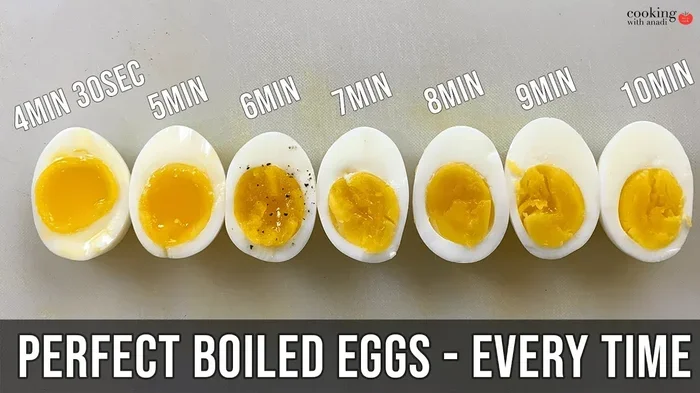
Finding the right hard boiled eggs time is simpler than you think. Whether you want firm whites, creamy yolks, or easy-to-peel eggs, the cooking time makes all the difference. This guide covers everything from boiling methods to storage tips so you can perfect your eggs every single time.
There is something truly satisfying about a perfectly cooked hard boiled egg. The shell splits open easily, the white is firm but tender, and the yolk is exactly where you want it. But getting to that perfect result starts with understanding the right hard boiled eggs time.
Many people struggle with eggs that are overcooked, undercooked, or impossible to peel. The good news is that nailing the hard boiled eggs time is easier than most people think. With a few simple tricks and the right timing, you can make perfect eggs every single time.
In this guide, we will walk through everything you need to know about boiling eggs. From the exact cooking times to storage tips and even how eggs fit into a fitness nutrition plan, this article has you covered. Let us dive in and master the art of the perfect hard boiled egg.
Key Takeaways
- Perfect timing matters: The hard boiled eggs time ranges from 9 to 12 minutes depending on your preferred yolk texture.
- Cold water start works best: Starting eggs in cold water prevents cracking and ensures even cooking.
- Storage is key: Properly stored hard boiled eggs last up to 7 days in the fridge.
- Easy peeling hack: Adding baking soda or using older eggs makes peeling a breeze.
- Great for fitness nutrition: Hard boiled eggs are a top post workout snack packed with protein.
- Multiple methods exist: Stovetop, steam, and oven methods all produce great results with different timing.
📑 Table of Contents
- Why Getting the Hard Boiled Eggs Time Right Matters
- Step by Step Guide to Perfect Hard Boiled Eggs
- Different Methods for Hard Boiled Eggs Time
- Hard Boiled Eggs Time for Different Uses
- How to Store Hard Boiled Eggs
- Common Mistakes When Boiling Eggs
- Hard Boiled Eggs and Fitness Nutrition
- Quick Tips for Perfect Hard Boiled Eggs Every Time
- Final Thoughts on Hard Boiled Eggs Time
Why Getting the Hard Boiled Eggs Time Right Matters
The difference between a great hard boiled egg and a bad one comes down to minutes. Too short and the yolk stays runny. Too long and you get that greenish ring around the yolk that nobody likes. The texture becomes rubbery and the taste changes.
Getting the hard boiled eggs time right also affects how easy the egg is to peel. Eggs that are cooked perfectly peel much cleaner than ones that are overcooked. This matters a lot if you are meal prepping a batch for the week.
Here is a quick look at what different times produce:
- 9 minutes: Slightly soft yolk, very tender white. Great for people who like a creamier texture.
- 10 minutes: Mostly set yolk with a slightly creamy center. A popular sweet spot for many.
- 11 minutes: Firm yolk with no green ring. This is the classic hard boiled egg.
- 12 minutes: Fully set yolk, very firm. Good for slicing and adding to salads.
The Science Behind Egg Cooking Time
Eggs cook through a process called protein denaturation. The proteins in the white and yolk unfold and bond together as heat increases. The longer the eggs stay in hot water, the more complete this process becomes. That is why timing is so important.
The egg cooking time also depends on the size of the egg. Large eggs need the standard times listed above. Extra large or jumbo eggs may need an extra minute or two. Small eggs might be done a minute earlier.
Starting temperature matters too. Eggs straight from the fridge need a bit more time than eggs at room temperature. Always plan for the cold start and adjust from there.
Step by Step Guide to Perfect Hard Boiled Eggs
Now that you understand why timing matters, let us walk through the process. This method uses the cold water start approach, which is the most reliable way to get consistent results.
Step 1: Gather Your Supplies
You will need a few simple things before you start:
- Fresh eggs (older eggs peel easier, so use eggs that are 7 to 10 days old if possible)
- A saucepan with a lid
- Enough cold water to cover the eggs by about one inch
- A slotted spoon or tongs
- A bowl of ice water
Step 2: Place Eggs in the Pot
Gently lower the eggs into the saucepan. Do not drop them. Use a slotted spoon or your hands to place them carefully at the bottom of the pot. Make sure the eggs are in a single layer and not stacked on top of each other.
Step 3: Add Cold Water
Fill the pot with cold water until the eggs are covered by about one inch. Adding cold water to start is the key to even cooking. This prevents the eggs from cracking from a sudden temperature change.
Step 4: Bring to a Boil
Place the pot on the stove over high heat. Wait for the water to reach a full rolling boil. Once it boils, turn off the heat and cover the pot with a lid.
Step 5: Set the Timer
This is the most important step. The hard boiled eggs time starts now. For a fully hard boiled egg with a firm yolk, set your timer for 11 minutes. If you prefer a slightly creamier yolk, go with 10 minutes. For very firm eggs that are great for slicing, go with 12 minutes.
Step 6: Ice Bath
When the timer goes off, immediately transfer the eggs to a bowl of ice water. Let them sit for at least 10 minutes. The ice bath stops the cooking process and makes the eggs much easier to peel.
Different Methods for Hard Boiled Eggs Time
Not all egg boiling methods are the same. Different approaches can change your results. Here are the most popular methods and how they affect your timing.
Stovetop Boiling (Cold Water Start)
This is the method we described above. It is the most common and most reliable approach. The cold water start allows the egg to heat up gradually, which reduces cracking and promotes even cooking.
The standard hard boiled eggs time for this method is 11 minutes after the water reaches a boil and you remove the pot from the heat.
Steam Method
Steaming eggs is a fantastic alternative. Instead of submerging them in water, you place the eggs in a steamer basket over boiling water. This method gives you very easy-to-peel eggs.
For the steam method, reduce the egg cooking time by about 1 minute. So steam for 10 minutes for a fully hard boiled egg. The steam transfers heat more gently than boiling water.
Oven Baked Eggs
Yes, you can bake eggs in the oven. Place eggs in a muffin tin and bake at 325 degrees Fahrenheit for about 30 minutes. This method produces consistent results and is great for cooking large batches.
After baking, immediately place the eggs in an ice bath. The oven method is gaining popularity because it is hands off and very reliable.
Instant Pot Method
If you own an Instant Pot, this is a game changer. Place eggs on the trivet with one cup of water. Cook on high pressure for 5 minutes. Let the pressure release naturally for 5 minutes, then quick release. Transfer to an ice bath immediately.
The Instant Pot method produces incredibly easy-to-peel eggs with a perfectly creamy or firm yolk depending on your preference.
Hard Boiled Eggs Time for Different Uses
The ideal hard boiled eggs time can vary depending on what you plan to do with the eggs. Here is a breakdown for different use cases.
For Egg Salad
If you are making egg salad, you want fully set yolks. Go with 11 to 12 minutes. The yolks should be completely firm and dry. This makes mashing easier and gives you that classic crumbly texture.
For Slicing on Toast or Salads
For clean slices, aim for 10 to 11 minutes. The yolk should be fully set but still bright yellow. Overcooked yolks turn pale and chalky, which does not look as appealing on a plate.
For Meal Prep
If you are batch cooking eggs for the week, the 11-minute mark is your best friend. These eggs store well, peel easily, and taste great whether eaten cold or reheated lightly.
Many fitness enthusiasts rely on hard boiled eggs as a go-to post workout snack. They are packed with protein and are incredibly convenient. If you are someone who spends time doing cardio on equipment like a treadmill or rowing machine, eggs make a perfect recovery food. For instance, if you enjoy spending time on a treadmill to lose weight, a couple of hard boiled eggs afterward can help replenish your muscles. Similarly, after a rowing session to burn calories, eggs provide the protein your body needs to recover.
For Pickled Eggs
Pickled eggs need fully cooked whites and yolks. Stick with 12 minutes for the best texture. The longer cooking time ensures the whites hold up well in the vinegar brine.
How to Store Hard Boiled Eggs
Proper storage is just as important as getting the hard boiled eggs time right. A perfectly cooked egg can go bad quickly if stored incorrectly.
Store hard boiled eggs in their shells in the refrigerator. They will last up to 7 days this way. The shell acts as a natural barrier that keeps the egg fresh and safe to eat.
Once you peel the eggs, eat them within 2 days. Peeled eggs do not last as long because the protective shell is removed. Store peeled eggs in a container with a damp paper towel to keep them from drying out.
Never freeze hard boiled eggs. The whites become rubbery and unappetizing when frozen. Stick to refrigeration for the best results.
Signs Your Hard Boiled Eggs Have Gone Bad
Use your senses to check if eggs are still good. A bad egg will have a strong sulfur smell. The white may become slimy or discolored. When in doubt, throw it out. Food safety should always come first.
Common Mistakes When Boiling Eggs
Even experienced cooks make mistakes with eggs. Here are the most common errors and how to avoid them.
Starting with Hot Water
Dropping eggs into already boiling water shocks the shell and causes cracks. Always start with cold water. This gentle heat increase prevents cracking and cooks the egg more evenly.
Overcooking the Eggs
Leaving eggs in hot water too long is the most common mistake. The green ring around the yolk appears when eggs cook too long. Set a timer and stick to it. The difference between a perfect egg and an overcooked one is often just one or two minutes.
Skipping the Ice Bath
Some people skip the ice bath to save time. Do not do this. The ice bath is what stops the cooking process and makes peeling easy. Without it, the yolk continues to cook inside the shell and becomes dry and chalky.
Using Fresh Eggs
Fresh eggs are harder to peel. The membrane clings tightly to the shell in very fresh eggs. If you can, use eggs that are at least a week old for the easiest peeling experience.
Crowding the Pot
Stacking eggs on top of each other leads to uneven cooking. Use a single layer in the pot. If you need to cook more eggs, use a larger pot or cook in batches.
Hard Boiled Eggs and Fitness Nutrition
Hard boiled eggs are one of the most popular foods among people who stay active. They are portable, affordable, and packed with nutrition. Each egg contains about 6 grams of protein and only 70 calories. That makes them an ideal food for anyone focused on fitness and health.
For those who spend time on cardio machines, eggs make an excellent recovery food. After spending time on an elliptical to lose weight, your body needs protein to repair muscle fibers. Hard boiled eggs deliver that protein in a simple, no-fuss package.
They also work great as a pre-workout snack. The protein and healthy fats provide sustained energy without feeling heavy. Eat one or two eggs about 30 minutes before your workout for a natural energy boost.
People who follow high protein diets often rely on hard boiled eggs as a staple. They are easy to prepare in batches and keep well in the fridge. Whether you are training for a race, doing strength work, or just staying active, hard boiled eggs fit perfectly into your nutrition plan.
The hard boiled eggs time you invest in the kitchen pays off in the gym. Proper nutrition fuels better performance, and eggs are one of the simplest ways to get quality protein into your diet.
Quick Tips for Perfect Hard Boiled Eggs Every Time
Here are some quick tips to keep in mind every time you boil eggs:
- Use eggs that are 7 to 10 days old for the easiest peeling.
- Always start with cold water and bring to a boil gradually.
- Add a teaspoon of baking soda to the water for even easier peeling.
- Set a timer and never leave eggs unattended on the stove.
- Ice bath immediately after cooking. Do not skip this step.
- Store eggs in their shells until you are ready to eat them.
- Label your container with the cook date if you are meal prepping.
Final Thoughts on Hard Boiled Eggs Time
Mastering the hard boiled eggs time is one of those small kitchen skills that makes a big difference. Once you know the right timing for your preferred texture, you will never go back to guessing again. Whether you like a slightly creamy yolk or a fully firm one, the method in this guide will get you there consistently.
The key is to start with cold water, use a timer, and always do an ice bath. These three simple steps will transform your eggs from hit or miss to perfect every time. Add the storage tips and the easy peeling hacks, and you have a complete system for making great hard boiled eggs.
So the next time you are in the kitchen, give these methods a try. Boil a batch, experiment with the times, and find your perfect hard boiled eggs time. Your taste buds and your body will thank you.
Frequently Asked Questions
What is the best hard boiled eggs time for a fully set yolk?
The best time for a fully set yolk is 11 minutes using the cold water start method. After the water reaches a rolling boil, turn off the heat, cover the pot, and let the eggs sit for 11 minutes. Then transfer them immediately to an ice bath.
Can I use the hard boiled eggs time for soft boiled eggs too?
No, soft boiled eggs need a shorter time. For soft boiled eggs with a runny yolk, boil for 6 to 7 minutes. The hard boiled eggs time applies specifically to eggs where the yolk is fully set and firm throughout.
How long do hard boiled eggs last in the fridge?
Hard boiled eggs stored in their shells last up to 7 days in the refrigerator. Once peeled, they should be eaten within 2 days. Always store them in a covered container to keep them fresh.
Why are my hard boiled eggs hard to peel?
Fresh eggs are the most common reason for difficult peeling. Eggs that are 7 to 10 days old peel much easier. Also, skipping the ice bath or not adding baking soda to the water can make peeling harder. Try these tips and your peeling experience will improve dramatically.
Is it better to boil eggs from room temperature or cold?
Starting from cold water is better. Cold water start allows the egg to heat up gradually, which reduces cracking and promotes even cooking throughout. Room temperature eggs can go straight into boiling water, but cold start is more reliable for consistent results.
How do hard boiled eggs fit into a weight loss diet?
Hard boiled eggs are excellent for weight loss. Each egg has only 70 calories and 6 grams of protein, which helps you feel full longer. They make a great snack between meals or a protein boost for breakfast. Many people who focus on fitness and calorie control rely on eggs as a staple food.