Are Bananas Berries The Surprising Truth You Need to Know
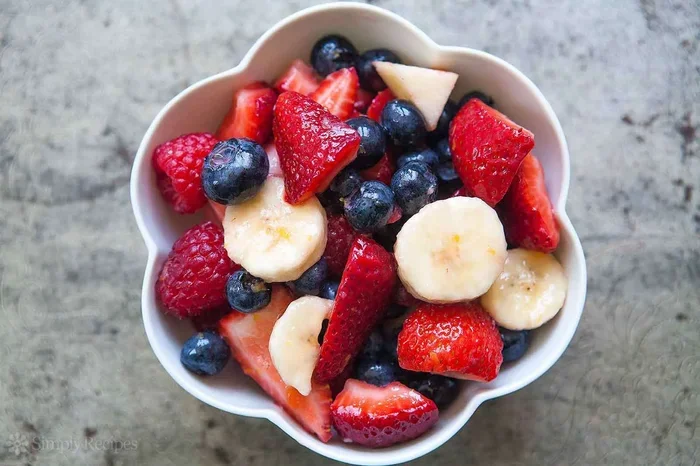
Are bananas berries? The answer is yes — botanically speaking, bananas are classified as berries, and the surprising truth goes even deeper. Many fruits we assume are berries, like strawberries and raspberries, are not actually berries at all. Understanding the difference between culinary and botanical definitions reveals fascinating science behind everyday fruits.
Have you ever stopped to think about the fruits you eat every day? We grab bananas from the grocery store, toss strawberries into smoothies, and snack on grapes without a second thought. But what if we told you that the way we categorize these fruits is completely wrong? The question are bananas berries opens up a world of botanical science that will blow your mind.
Here is the shocking truth. Bananas are, in fact, berries. But strawberries are not. Neither are raspberries or blackberries. This goes against everything we learned from the names on our fruit bowls. The botanical definition of a berry is very different from what we use in everyday cooking. Once you understand this distinction, you will never look at your fruit basket the same way again.
The science behind fruit classification is fascinating. It involves plant anatomy, reproduction, and how fruits develop from flowers. In this guide, we will walk you through everything you need to know about are bananas berries. We will cover the botanical definition, compare different fruit types, and share surprising facts that will make you the most interesting person at any dinner party.
Key Takeaways
- Botanical Berry Definition: A true berry develops from a single ovary and contains seeds embedded in the fruit flesh, which is exactly what bananas do.
- Bananas Qualify as Berries: Bananas meet every botanical criterion for being a berry, including having a fleshy pericarp and seeds inside.
- Strawberries Are Not Berries: Despite the name, strawberries are aggregate accessory fruits, not true berries.
- Culinary vs. Botanical Terms Differ: What we call berries in cooking is very different from what botanists classify as berries.
- Other Surprising Berries: Grapes, tomatoes, avocados, and even bananas all fall under the botanical berry category.
- Banana Fruit Development: Bananas start as hard, green fruits and ripen through a chemical process that changes their color, texture, and taste.
- Nutrition Matters for Active Lifestyles: Bananas are a great source of quick energy, making them ideal for pre- or post-workout fuel.
📑 Table of Contents
- What Makes a Fruit a Berry?
- Why Are Bananas Classified as Berries?
- Fruits That Are Berries and Fruits That Are Not
- The Difference Between Culinary and Botanical Definitions
- Bananas: A Nutritional Powerhouse
- Surprising Facts About Bananas and Berries
- Why This Matters for Your Health and Knowledge
- Common Mistakes People Make About Fruit Classification
- Quick Tips for Remembering Berry Classifications
- Final Thoughts on Are Bananas Berries
What Makes a Fruit a Berry?
Let us start with the basics. What exactly is a berry in botanical terms? A botanical berry is a simple fruit that comes from a single ovary of one flower. The entire ovary wall becomes fleshy as the fruit develops. Inside, the seeds are embedded within the flesh rather than sitting on the outside.
The Three Layers of a Berry
Every true berry has three distinct layers. The outer layer is called the exocarp. This is the skin or peel of the fruit. The middle layer is the mesocarp, which is the fleshy part we eat. The inner layer is the endocarp, which surrounds the seeds. In bananas, all three layers are soft and fleshy. This is a key reason bananas pass the berry test.
Other fruits that qualify as true berries include grapes, tomatoes, and even avocados. Yes, your favorite toast topping is technically a berry. The berry definition in botany is strict and based on anatomy, not on color, size, or taste.
What Does Not Count as a Berry?
Not every small, round fruit is a berry. Fruits like strawberries, raspberries, and blackberries fail the botanical berry test. Strawberries are actually classified as aggregate accessory fruits. This means the fleshy part we eat does not come from the ovary. Instead, it comes from the receptacle that holds the flower. The tiny yellow dots on a strawberry are the actual fruits, called achenes.
Raspberries and blackberries are aggregate fruits. Each little bump on a raspberry is a separate fruit called a drupelet. These all grow together from a single flower. So despite having berry in their names, they are not true berries at all.
Why Are Bananas Classified as Berries?
Now that we know what a berry is, let us answer the big question: are bananas berries? The answer is a resounding yes. Bananas meet every single botanical criterion for being classified as a berry. Let us break down exactly why.
Banana Fruit Development
Bananas develop from a single ovary in a flower. As the fruit grows, the ovary wall becomes thick and fleshy. The seeds, which are tiny and barely visible in cultivated bananas, are embedded inside the fruit flesh. This matches the botanical berry formula perfectly.
Wild bananas actually have much larger and more noticeable seeds. Cultivated bananas, the ones you buy at the store, have been bred to be seedless over thousands of years of farming. Despite the lack of visible seeds, bananas still develop from a single ovary with a fleshy pericarp. This makes them a true botanical berry.
The Banana Pericarp Explained
The pericarp is the mature ovary wall of a fruit. In bananas, the pericarp is soft and edible throughout. The peel you throw away is the exocarp. The white, soft part is the mesocarp. There is no hard shell or pit inside. This structure is exactly what botanists look for when classifying a fruit as a berry.
Compare this to a peach. A peach has a hard pit, or stone, inside. That hard pit is the endocarp. Fruits with a hard stone are called drupes, not berries. Bananas have no such hard layer, which firmly places them in the berry category.
Fruits That Are Berries and Fruits That Are Not
The line between what is a berry and what is not can be confusing. Many fruits surprise us when we look at them through a botanical lens. Let us sort out which common fruits are true berries and which are not.
Fruits That ARE True Berries
- Bananas — Yes, bananas are berries. They develop from a single ovary and have a fleshy pericarp.
- Grapes — Grapes are classic berries with a thin skin and fleshy interior.
- Tomatoes — Your favorite salad ingredient is a berry by botanical standards.
- Avocados — The creamy fruit on toast is technically a large berry with a single seed.
- Eggplants — Also known as aubergines, eggplants are berries too.
- Goji Berries — Despite the name, goji berries are true berries.
- Currants — Both red and black currants are true berries.
Fruits That Are NOT True Berries
- Strawberries — Aggregate accessory fruits, not berries.
- Raspberries — Aggregate drupelets, not berries.
- Blackberries — Also aggregate drupelets.
- Cherries — Drupes with a hard stone inside.
- Plums — Another type of drupe.
- Peaches — Drupes, not berries.
- Coconuts — Drupes, despite being called nuts.
This list shows how misleading common names can be. When you ask are bananas berries, the answer challenges what we think we know. The botanical world does not care about marketing names or how fruits look.
The Difference Between Culinary and Botanical Definitions
This is where things get really interesting. In everyday cooking, a berry is any small, fleshy fruit you can eat in one bite. We call strawberries berries. We call blueberries berries. We call even cranberries berries. But in botany, the rules are completely different.
Why Do the Definitions Differ?
The culinary definition is based on how fruits taste, look, and are used in cooking. The botanical definition is based on plant anatomy and fruit development. These two systems serve different purposes. Chefs need a simple way to group fruits for recipes. Scientists need precise language to classify plant structures.
So when a botanist says bananas are berries, they are not making a joke. They are stating a scientific fact based on the fruit’s structure and development. When a chef says strawberries are berries, they are using a practical, everyday grouping. Both are correct within their own context.
If you are curious about other fruit classifications, exploring the botanical classification of fruits can be a fun deep dive. Understanding these categories helps us appreciate the complexity of plant biology. It also makes us better informed about the foods we eat every day.
Bananas: A Nutritional Powerhouse
Now that we have answered are bananas berries, let us talk about why bananas are such a great food. Bananas are not just botanically interesting. They are also packed with nutrition that supports an active lifestyle.
Why Bananas Are Great for Active People
Bananas are one of the most popular fruits among athletes and fitness enthusiasts. They provide quick natural energy from carbohydrates. They are rich in potassium, which helps prevent muscle cramps. They are also easy to digest, making them ideal before or after a workout.
If you are someone who stays active and enjoys outdoor exercise, bananas pair well with a healthy lifestyle. Whether you are going for a morning hike, hitting the gym, or doing a home workout, bananas are a convenient and nutritious snack. For more ideas on building a home fitness setup, check out what are the best resistance bands for home workout to complement your nutrition plan.
Key Nutrients in Bananas
- Potassium: Supports heart health and muscle function.
- Vitamin B6: Helps with energy metabolism and brain health.
- Dietary Fiber: Aids digestion and promotes gut health.
- Natural Sugars: Provides quick and sustained energy.
- Magnesium: Supports bone health and reduces fatigue.
Eating bananas regularly can support your overall health in many ways. They are affordable, widely available, and come in their own natural packaging. No wonder they are one of the most consumed fruits in the world.
Surprising Facts About Bananas and Berries
The world of fruit classification is full of surprises. Here are some fascinating facts that tie into our exploration of are bananas berries.
Bananas Are Technically Herbs
Here is one more mind-blowing fact. Banana plants are not trees. They are giant herbs. The banana plant has a soft stem called a pseudostem. It lacks the woody tissue that true trees have. So bananas come from herb plants, grow in clusters called hands, and are classified as berries. Nature loves to surprise us.
The Berry Family Is Larger Than You Think
When you look at the full list of botanical berries, it is much longer than most people expect. Watermelons are technically berries too. They are called pepos, a specific type of berry with a thick rind. Pumpkins and cucumbers also fall into this category. The more you learn, the more the botanical definition makes sense.
Understanding these classifications also helps when you are learning about healthy eating and nutrition. A balanced diet benefits from a wide variety of fruits, including those botanical berries we might not normally think of. For more on healthy eating and active lifestyles, you might enjoy reading about what are the benefits of a rowing machine workout and how nutrition supports your fitness goals.
How Bananas Ripen
Bananas go through a fascinating ripening process. Green bananas are high in starch. As they ripen, the starch converts to sugar. This is why ripe bananas taste sweeter. The peel also changes from green to yellow as chlorophyll breaks down. This natural process is the same for all botanical berries, though the details vary by fruit type.
Why This Matters for Your Health and Knowledge
Understanding are bananas berries is more than just a fun trivia fact. It helps you make better food choices. It deepens your appreciation for the natural world. And it gives you a great conversation starter at any gathering.
When you know that bananas are berries, you start to see food labels and nutrition advice differently. You realize that the fruits we group together in the produce aisle are not always related botanically. Strawberries and bananas look nothing alike in terms of how they develop. Yet both are commonly eaten as fresh snacks.
This knowledge also connects to broader topics like plant science, agriculture, and healthy eating. If you are interested in how different foods support your body, consider exploring whole fruit nutrition as part of a balanced diet. For fitness enthusiasts, pairing the right fruits with the right exercise routine can amplify your results.
Common Mistakes People Make About Fruit Classification
Let us clear up some of the most common misconceptions about fruit types. These mistakes come from relying on everyday names instead of botanical science.
- Mistake 1: Assuming the name tells the truth. Just because a fruit has berry in its name does not mean it is a botanical berry. Strawberries, mulberries, and dewberries are all not true berries.
- Mistake 2: Thinking size matters. A watermelon is a berry. A banana is a berry. A blueberry is a berry. Size has nothing to do with botanical classification.
- Mistake 3: Believing color determines the category. Red fruits are not always berries. Green fruits are not always non-berries. Color is irrelevant to the botanical definition.
- Mistake 4: Ignoring seed placement. True berries have seeds embedded in the flesh. Fruits with seeds on the outside or a hard pit inside are different categories.
- Mistake 5: Confusing culinary and botanical terms. Both systems are valid but serve different purposes. Understanding both makes you more knowledgeable about food and science.
Avoiding these mistakes helps you understand fruit classification more accurately. The next time someone asks you are bananas berries, you will have a clear, confident answer backed by science.
Quick Tips for Remembering Berry Classifications
Remembering which fruits are true berries and which are not can be tricky. Here are some quick tips to help you keep it straight.
- Think about the seeds. If the seeds are embedded in soft flesh, it is likely a true berry.
- Remember the banana trick. If a banana is a berry, it sets the standard. Any fruit with a similar structure qualifies.
- Watch out for the word berry in the name. It is often misleading. Strawberries are the biggest example.
- Think of the classic berries. Grapes, tomatoes, and avocados are the easiest true berries to remember.
- Use the three-layer test. If the fruit has three distinct fleshy layers (exocarp, mesocarp, endocarp), it is probably a true berry.
These tips make it easy to identify true berries at a glance. You will start noticing patterns in how different fruits develop and grow.
Final Thoughts on Are Bananas Berries
The answer to are bananas berries is a clear and definitive yes. Bananas are true botanical berries. They develop from a single ovary, have a fleshy pericarp, and contain seeds embedded in their flesh. This classification places them alongside grapes, tomatoes, avocados, and even watermelons in the berry family.
On the other hand, many fruits we call berries every day are not berries at all. Strawberries, raspberries, and blackberries all belong to different botanical categories. The gap between culinary language and scientific classification is wider than most people realize.
Understanding this distinction enriches your knowledge of food, plants, and the natural world. It also gives you a fun and impressive fact to share with friends and family. The next time you peel a banana, remember that you are holding a true botanical berry. It is a small but wonderful reminder of how amazing plant science can be.
Whether you eat bananas for their nutrition, their taste, or their convenience, you are now armed with knowledge that sets you apart. Keep exploring, keep learning, and keep enjoying the incredible diversity of fruits nature has to offer.
Frequently Asked Questions
Are bananas really berries?
Yes, bananas are classified as true berries in botany. They develop from a single ovary, have a fleshy pericarp, and contain seeds embedded in the fruit flesh, which meets all the criteria for a botanical berry.
Why are strawberries not considered berries?
Strawberries are classified as aggregate accessory fruits. The red fleshy part we eat develops from the receptacle, not the ovary. The tiny yellow dots on the surface are the actual fruits, called achenes, which makes strawberries botanically different from true berries.
What other common fruits are actually berries?
Many common fruits are true berries, including grapes, tomatoes, avocados, eggplants, goji berries, currants, and even watermelons. These all develop from a single ovary with a fleshy interior and embedded seeds.
What is the difference between a culinary berry and a botanical berry?
A culinary berry is any small, fleshy fruit used in cooking or eating. A botanical berry is a specific fruit type that develops from a single ovary with a fleshy pericarp and no hard pit. The two systems use different criteria and serve different purposes.
Do bananas have seeds inside them?
Yes, bananas do have seeds, but they are tiny and barely visible in cultivated varieties. Wild bananas have much larger, more noticeable seeds. The seeds are embedded within the fruit flesh, which is one of the reasons bananas qualify as berries.
Can knowing about fruit classification help with healthy eating?
Absolutely. Understanding how different fruits are classified helps you appreciate the diversity of nutrients available. Eating a wide variety of fruits, including those botanical berries like bananas, tomatoes, and avocados, ensures you get a broad range of vitamins, minerals, and antioxidants.