Filet Temperature Chart For The Perfect Grilled Steak
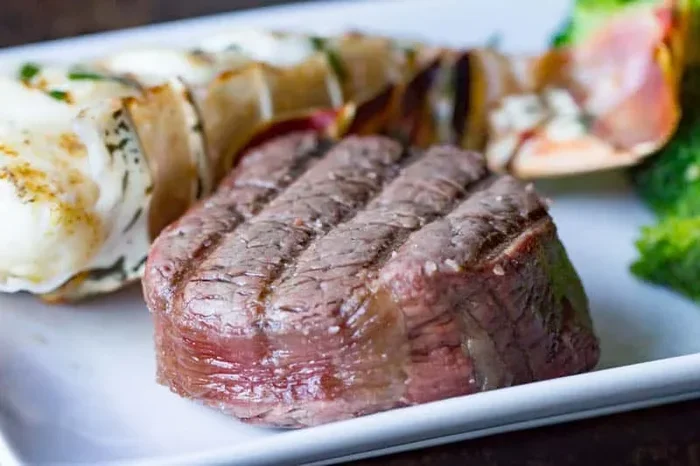
A filet temperature chart is the single most important tool for grilling a perfect steak every time. Whether you prefer rare, medium rare, or well done, knowing the exact internal steak temperature takes the guesswork out of cooking. This guide gives you a clear beef steak temperature chart, practical grilling tips, and expert advice to elevate your steak game. You will learn how to use a thermometer, avoid common mistakes, and serve restaurant-quality filet at home.
There is nothing quite like a perfectly grilled filet. The outside is charred and caramelized. The inside is juicy, tender, and cooked to exactly the way you like it. But achieving that level of perfection is not about luck. It is about knowing your temperatures and following a proven system.
A filet temperature chart is the foundation of every great steak cook. It tells you exactly what temperature your steak needs to reach for each level of doneness. Once you understand how heat affects beef, you will never overcook a filet again. This guide walks you through everything you need to know. From steak doneness levels to grill temperature guide tips, we have you covered.
Grilling a filet mignon is one of the most rewarding things you can do in the kitchen. The cut is tender, lean, and full of flavor. But it also demands respect. Because filet has less marbling than other steaks, it can dry out quickly if you are not careful. Temperature control is your best friend here. A steak thermometer takes the pressure off and gives you confidence with every cook.
In this article, we break down the filet temperature chart in detail. You will learn what each doneness level looks like, how to use a thermometer properly, and which cooking methods work best. We also share common mistakes to avoid and pro tips that separate good grilling from great grilling. By the end, you will be ready to grill a filet that rivals any steakhouse.
Key Takeaways
- Know your temps: A filet temperature chart removes guesswork and ensures perfect doneness every time.
- Medium rare is king: Most steak lovers aim for 130 to 135 degrees Fahrenheit for the best flavor and texture.
- Use a meat thermometer: It is the only reliable way to check internal steak temperature accurately.
- Rest your steak: Letting the filet rest for 5 to 10 minutes keeps juices locked inside.
- Avoid common mistakes: Pressing the steak, skipping the rest, and not seasoning properly all ruin a great cut.
- Try the reverse sear: This method gives you a perfect crust and even doneness from edge to center.
📑 Table of Contents
Understanding Steak Doneness Levels
Before you fire up the grill, you need to understand what each level of doneness means. The internal steak temperature determines how cooked the meat is. Each level has a distinct look, feel, and taste. Let us break them down one by one.
What Each Doneness Level Means
Steak doneness is all about the internal temperature of the meat. Here is what each level looks like when you slice into it:
- Rare (120 to 125 degrees Fahrenheit): The center is bright red and very cool. The steak feels soft when you press it. This level is all about the pure beef flavor with almost no cooked texture.
- Medium Rare (130 to 135 degrees Fahrenheit): This is the sweet spot for most steak lovers. The center is warm and red with a hint of pink. The steak has a juicy, tender bite with a firm outer crust.
- Medium (140 to 145 degrees Fahrenheit): The center is pink and slightly firm. More of the pink color fades as the temperature rises. This level suits those who prefer a more cooked steak without losing too much moisture.
- Medium Well (150 to 155 degrees Fahrenheit): The center has only a thin line of pink. The steak feels firm when pressed. Most of the juices have started to retreat from the center.
- Well Done (160 degrees Fahrenheit and above): The steak is cooked through with no pink remaining. It feels very firm and tends to be drier. This level is not ideal for filet because the lean meat can become tough.
Why Medium Rare Is the Gold Standard
Most chefs and grilling experts agree that medium rare steak is the best way to enjoy a filet. At this temperature, the meat retains maximum juiciness. The flavor is rich and beefy. The texture is tender with a slight resistance when you cut through it. If you have never tried a filet at medium rare, you are missing out on a truly special eating experience.
The reason medium rare works so well for filet is the fat distribution. Filet mignon is lean. It does not have the heavy marbling of a ribeye or strip steak. So when you cook it to medium rare, the interior stays moist and delicate. Push it beyond medium, and the lean meat starts to lose its tenderness quickly.
The Ultimate Filet Temperature Chart
Here is the core of this guide. The filet temperature chart below gives you the exact temperatures for every level of doneness. Print it out. Save it on your phone. Tape it to your fridge. Whatever works. Just keep it handy for your next grilling session.
| Doneness Level | Internal Temperature | Feel When Pressed |
|---|---|---|
| Rare | 120 to 125 degrees Fahrenheit | Very soft, cool center |
| Medium Rare | 130 to 135 degrees Fahrenheit | Soft with a warm red center |
| Medium | 140 to 145 degrees Fahrenheit | Firm with a pink center |
| Medium Well | 150 to 155 degrees Fahrenheit | Firm with a hint of pink |
| Well Done | 160 degrees Fahrenheit and above | Very firm, no pink |
Remember that the temperature will rise a few degrees after you pull the steak off the grill. This is called carryover cooking. A steak that reads 125 degrees off the grill will reach about 130 degrees while it rests. Always pull your filet a few degrees early to account for this rise.
Pull Temperatures vs. Final Temperatures
Understanding pull temperatures is one of the most important grilling steak tips you will ever learn. The pull temperature is the temperature when you take the steak off the heat. The final temperature is what the steak reads after resting. For a perfect medium rare filet, pull at 125 to 130 degrees. The carryover will bring it up to the ideal 130 to 135 degrees range.
This small trick makes a huge difference. It prevents overcooking and keeps your filet juicy. Once you start using pull temperatures, you will wonder how you ever grilled without them.
How to Use a Meat Thermometer Like a Pro
A meat thermometer is the most important tool in your grilling arsenal. Without one, you are guessing. And guessing leads to overcooked or undercooked steaks. Let us go over how to use a thermometer the right way.
Where to Insert the Thermometer
The placement of the thermometer matters more than most people realize. Do not stick it into the side of the steak. Do not press it against the bone or the grill grate. Here is where to put it:
- Insert the probe into the thickest part of the filet.
- Angle the thermometer slightly toward the center of the steak.
- Avoid touching any bone, fat pockets, or the grill grate.
- For thicker cuts, insert from the side to reach the center.
- Wait at least 15 seconds for a digital thermometer to give a stable reading.
Types of Meat Thermometers
Not all thermometers are created equal. Here are the three best types for grilling filet:
- Instant-Read Thermometers: These give you a quick reading in about 15 seconds. They are affordable and easy to use. Keep one near the grill at all times.
- Leave-In Probe Thermometers: These stay in the steak throughout the entire cook. They give you real-time temperature updates without opening the grill lid.
- Wireless Thermometers: These are the top choice for serious grillers. You can monitor the temperature from your phone while the steak cooks. Some models even send alerts when the steak reaches your target temperature.
Any of these options will improve your grilling results dramatically. The key is consistency. Check the temperature every few minutes as the steak nears your target. This gives you full control over the cook.
Best Cooking Methods for Filet
Filet mignon is a versatile cut that responds well to several cooking methods. Each method brings out different flavors and textures. Let us explore the best ways to grill a filet.
Direct Grilling
Direct grilling is the most common method for cooking filet. You place the steak directly over high heat. This creates a beautiful sear and those desirable grill marks on the surface. Here is how to do it right:
- Preheat your grill to high heat, around 450 to 500 degrees Fahrenheit.
- Season the filet generously with salt and pepper at least 30 minutes before cooking.
- Place the steak on the hottest part of the grill.
- Cook for 3 to 4 minutes per side for a 1-inch thick filet.
- Use the filet temperature chart to check doneness.
- Pull the steak a few degrees early and let it rest.
Reverse Sear Method
The reverse sear method is a game-changer for thicker filet cuts. You start with low indirect heat and finish with a hot sear. This gives you perfect edge-to-edge doneness with a stunning crust.
Here is how it works. First, set up your grill for indirect heat at around 225 to 250 degrees Fahrenheit. Place the filet away from the direct flame. Cook slowly until the internal temperature is about 10 degrees below your target. Then, move the steak over direct high heat for 1 to 2 minutes per side to build a deep, flavorful crust.
This method works especially well for filets that are 1.5 inches thick or more. It gives you incredible control and virtually eliminates the risk of a gray band of overcooked meat just under the surface.
Cast Iron Pan Sear Finish
If you do not have access to a grill or want a deeper crust, a cast iron pan is your best friend. Sear the filet in a screaming hot cast iron skillet with a touch of high-smoke-point oil. Then finish it in a 400-degree oven until it reaches your target temperature. This method gives you a restaurant-quality crust with a perfectly even interior.
Common Mistakes That Ruin Your Filet
Even experienced grillers make mistakes. The good news is that most of them are easy to avoid. Here are the biggest pitfalls when grilling filet and how to steer clear of them.
Not Bringing the Steak to Room Temperature
One of the most common grilling steak tips that beginners overlook is bringing the steak to room temperature before cooking. A cold steak placed on a hot grill cooks unevenly. The outside burns while the inside stays cold. Take your filet out of the fridge 30 to 45 minutes before grilling. This small step makes a massive difference in cook consistency.
Skipping the Rest Period
Never skip resting your steak after it comes off the grill. When you cut into a hot filet immediately, all the juices run out onto the cutting board. The steak ends up dry and less flavorful. Let the filet rest for at least 5 to 10 minutes under a loose tent of aluminum foil. During this time, the juices redistribute throughout the meat, giving you a much more satisfying bite.
Pressing Down on the Steak
Resist the urge to press down on your filet with a spatula. Pressing squeezes out the juices and dries the meat out. It also prevents the steak crust formation that makes grilled steak so delicious. Let the steak cook undisturbed and trust the process.
Not Seasoning Properly
Filet mignon is a lean cut with a mild flavor. It needs good seasoning to shine. A generous coating of coarse salt and black pepper is the foundation. Some grillers like to add garlic powder, smoked paprika, or a touch of rosemary. Keep it simple and let the beef flavor be the star.
Pro Tips for the Perfect Grilled Filet
Now that you know the filet temperature chart and common mistakes, let us level up with some pro tips that take your grilling to the next level.
Resting Your Steak the Right Way
Resting is not just about waiting. There is a right way to do it. Loosely tent the steak with foil. Do not wrap it tightly, or you will trap steam and soften the crust. Place the steak on a warm plate or cutting board. Let it sit for 5 to 10 minutes depending on the thickness. During this time, the internal temperature will stabilize and the juices will settle into place.
Seasoning Secrets for Maximum Flavor
Great seasoning starts with salt. Apply coarse kosher salt to your filet at least 30 minutes before grilling. This draws out moisture, which dissolves the salt and gets reabsorbed into the meat. The result is a deeper, more seasoned flavor throughout the steak. Add freshly cracked black pepper just before grilling, as it can burn at high heat.
Cleaning and Oiling the Grill Grates
A clean grill grate prevents sticking and promotes those beautiful grill marks. Scrub the grates with a wire brush while they are hot. Then dip a paper towel in oil and use tongs to rub it across the grates. This thin layer of oil creates a nonstick surface and helps the steak release cleanly when it is time to flip.
Using a Timer and a Thermometer Together
Time and temperature work hand in hand. Use a timer to track how long the steak has been on each side. But always rely on the thermometer for the final decision. Time is a rough guide. Temperature is the truth. Combining both gives you the most consistent results every single time you grill a filet.
Conclusion
Grilling the perfect filet is a skill anyone can learn. The key is understanding temperature and respecting the process. A filet temperature chart gives you the foundation. A good meat thermometer gives you the precision. And patience gives you the results.
Start with the doneness levels and find your personal sweet spot. Most filet lovers gravitate toward medium rare at 130 to 135 degrees Fahrenheit. From there, experiment with different cooking methods, seasoning blends, and resting times. Each cook will teach you something new.
Remember to bring your steak to room temperature, season it well, and never skip the rest. Avoid pressing the steak down or overcooking it past its prime. With the right grill temperature guide and a little practice, you will serve filet that impresses every time.
The best steak is the one you cook with confidence. Use your filet temperature chart, trust your thermometer, and enjoy every bite. Happy grilling.
Frequently Asked Questions
What is the best temperature for a filet mignon on the grill?
The best temperature for a filet mignon is 130 to 135 degrees Fahrenheit for medium rare. This level brings out the best flavor, juiciness, and tenderness in the lean cut. Always pull the steak a few degrees early because the temperature will rise during resting.
How long should I grill a 1-inch filet on each side?
For a 1-inch thick filet, grill for about 3 to 4 minutes per side over direct high heat. This timing gets you close to medium rare. However, always use a thermometer to confirm the internal steak temperature rather than relying on time alone.
Can I use the same filet temperature chart for other steaks?
Yes, the beef steak temperature ranges apply to most steak cuts including ribeye, strip, and sirloin. However, fattier cuts like ribeye can handle slightly higher temperatures because the marbling keeps them juicy even at medium well. Lean cuts like filet are more forgiving at lower temperatures.
Why is my filet tough even when I followed the temperature chart?
Toughness usually comes from overcooking or not resting the steak long enough. If the internal temperature goes above 145 degrees, the lean filet starts to dry out. Also, skipping the 5 to 10 minute rest period causes juices to escape, leaving the steak less tender.
What is the reverse sear method and when should I use it?
The reverse sear method involves cooking the steak slowly at low indirect heat first, then finishing with a hot sear. It works best for filets that are 1.5 inches thick or more. This method gives you perfect edge-to-edge doneness and a deep, flavorful crust without overcooking the exterior.
How do I know when my steak is done without a thermometer?
You can use the touch test as a backup. Press the center of the steak with your finger. A rare steak feels very soft, like the fleshy part of your palm below your thumb. Medium rare feels slightly firmer, like touching your thumb to your index finger. However, a steak thermometer is far more accurate and consistent than touch alone.
=== META TITLE ===
Filet Temperature Chart | Perfect Grilled Steak Guide
=== URL SLUG ===
filet-temperature-chart-perfect-grilled-steak
=== SEO TITLE ===
Filet Temperature Chart For The Perfect Grilled Steak