Calories in a Banana and Why They Matter for Your Health
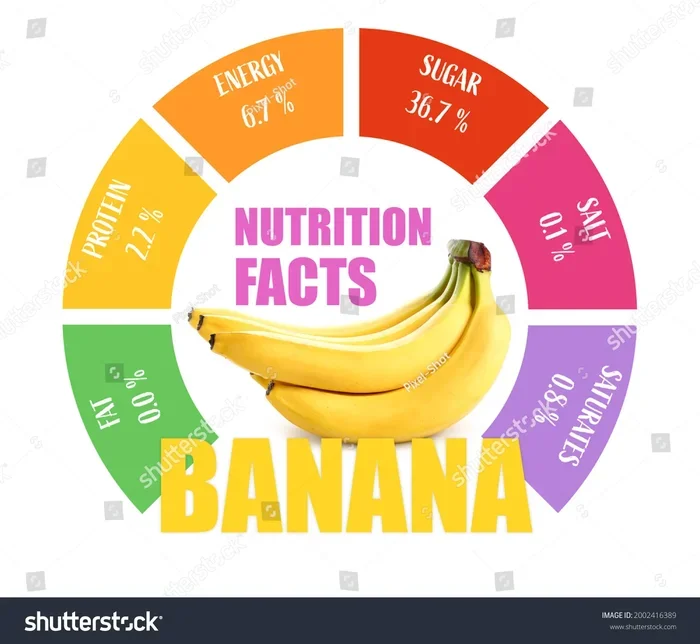
Understanding the calories in a banana helps you make better food choices every day. A medium banana has about 105 calories and is packed with potassium, fiber, and natural energy. Whether you eat it for a snack, a pre-workout boost, or to support digestion, banana calories are a smart part of a healthy diet.
A banana is one of the most popular fruits on the planet. You see them in lunchboxes, gym bags, and kitchen counters everywhere. But have you ever stopped to think about the calories in a banana and what they actually do for your body?
The answer might surprise you. That simple yellow fruit is more than just a quick snack. It is a nutrient-dense food that delivers energy, supports digestion, and helps your muscles recover. Understanding banana calories and banana nutrition can change the way you think about this everyday fruit.
In this guide, we will break down exactly how many calories are in different banana sizes, explore the nutritional profile, and explain why banana calories matter for your health. Whether you eat bananas for energy, weight management, or just because they taste great, this article has everything you need to know.
Key Takeaways
- Banana calories are moderate: A medium banana contains around 105 calories, making it a satisfying and nutritious snack.
- Bananas provide natural energy: The carbs in a banana fuel your body quickly, making them ideal before or after exercise.
- Banana nutrition is impressive: Beyond calories, bananas offer potassium, vitamin B6, fiber, and antioxidants.
- Banana size affects calorie count: Small, medium, and large bananas vary in calories, so portion awareness matters.
- Bananas support health goals: They can help with weight management, muscle recovery, and digestive health.
- Bananas pair well with other foods: Combining bananas with protein or healthy fats creates a more balanced snack.
📑 Table of Contents
- How Many Calories Are in a Banana?
- What Makes Up the Calories in a Banana?
- Banana Nutrition: More Than Just Calories
- Why Banana Calories Matter for Your Health
- How to Burn Off Banana Calories Through Exercise
- Common Mistakes People Make with Bananas
- Quick Tips for Getting the Most from Your Banana
- Final Thoughts on Calories in a Banana
How Many Calories Are in a Banana?
The number of calories in a banana depends on its size. Not all bananas are the same, and their calorie content changes as they grow. Here is a simple breakdown to help you understand what to expect.
Calories by Banana Size
- Small banana (under 6 inches): About 72 calories
- Medium banana (6 to 7 inches): About 105 calories
- Large banana (7 to 8 inches): About 121 calories
- Extra-large banana (over 8 inches): About 135 calories
As you can see, a medium banana sits right around the 100-calorie mark. This makes it a very reasonable snack for most people. Compare that to a candy bar or a bag of chips, and you can see why banana calories are so much friendlier for your body.
If you are counting calories, knowing the size of your banana matters a lot. A small banana has fewer banana calories, but a large one can pack more energy than you might expect. The good news is that all of those calories come with real nutritional value.
What Makes Up the Calories in a Banana?
Not all calories are created equal. The calories in a banana come from three main sources: carbohydrates, protein, and fat. Here is how they break down for a medium-sized banana.
Carbohydrates
Carbs are the biggest source of energy in a banana. A medium banana has about 27 grams of carbohydrates. These include natural sugars like fructose, glucose, and sucrose. But do not let the sugar content scare you. The sugar in a banana is natural, not added. Your body processes it differently than processed sugar.
The carbs in a banana give you quick and sustained energy. This is why so many athletes reach for a banana before or after a workout. The natural sugars are easy to digest and provide fuel when you need it most.
Fiber
A medium banana contains about 3 grams of fiber. Fiber is essential for digestive health. It helps regulate blood sugar levels and keeps you feeling full longer. Even though fiber is a carbohydrate, your body does not digest it the same way. Fiber contributes to the total banana calories but does not spike your blood sugar.
Protein and Fat
Protein and fat make up a small portion of banana calories. A medium banana has about 1 gram of protein and less than 1 gram of fat. These numbers are low, which is why bananas are mainly known as a carbohydrate-rich food. However, this does not make them less healthy. It simply means they are best paired with protein or healthy fats for a more balanced snack.
Banana Nutrition: More Than Just Calories
When you look at the calories in a banana, you are only seeing part of the picture. The real power of a banana lies in its banana nutrition profile. A single medium banana delivers a surprising amount of vitamins and minerals.
Potassium
One of the most well-known benefits of bananas is their potassium content. A medium banana provides about 422 milligrams of potassium. Potassium helps regulate blood pressure, supports heart health, and keeps your muscles functioning properly. For people who exercise regularly, potassium is especially important because it prevents muscle cramps and supports recovery.
Vitamin B6
Bananas are an excellent source of vitamin B6. This vitamin plays a key role in brain health, mood regulation, and the production of neurotransmitters. Just one banana can provide about 25% of your daily vitamin B6 needs. It is a small fruit with a big impact on your overall well-being.
Vitamin C and Antioxidants
Bananas also contain vitamin C and various antioxidants. These compounds help protect your cells from damage, support your immune system, and promote healthy skin. The antioxidants in bananas, such as dopamine and catechins, are linked to reduced inflammation and improved heart health.
Magnesium and Manganese
These minerals often get overlooked, but they are important. Magnesium supports bone health, muscle function, and sleep quality. Manganese helps with metabolism and bone formation. A banana provides a good dose of both, adding even more value to its banana calories.
Why Banana Calories Matter for Your Health
Now that you know the numbers, let us talk about why calories in a banana actually matter for your daily health and fitness goals.
Bananas for Energy
The natural sugars and carbohydrates in a banana make it one of the best energy-boosting foods you can eat. Unlike coffee or energy drinks, a banana provides clean, natural energy without a crash. Many people eat a banana in the morning to kickstart their day. Others enjoy it as a mid-afternoon snack to beat the slump.
The banana glycemic index is moderate, which means it raises blood sugar at a steady, controlled pace. This makes it a reliable energy source for both physical and mental tasks.
Bananas for Weight Management
Some people worry about banana calories when they are trying to lose weight. The truth is that a banana is a filling, satisfying snack that can actually help with weight management. The fiber in a banana keeps you full, which can reduce the urge to snack on less healthy options.
A medium banana at around 105 calories is a reasonable addition to any diet. It is far better than reaching for a processed snack that offers empty calories and no nutritional benefit. The key is to enjoy bananas in moderation and as part of a balanced diet.
Bananas for Exercise and Recovery
If you are active, bananas are a fantastic food. The banana calories provide fuel for your workouts, and the potassium helps prevent cramps and muscle soreness. Many fitness experts recommend eating a banana 30 minutes before exercise for a quick energy boost.
After a workout, bananas help replenish glycogen stores and provide nutrients for muscle recovery. They are a natural alternative to expensive sports drinks and recovery supplements. Some people even pair a banana with a protein shake for an ideal post-workout snack.
Bananas for Digestive Health
The fiber content in bananas supports healthy digestion. A medium banana provides about 3 grams of dietary fiber, which helps keep things moving smoothly through your digestive system. Bananas also contain prebiotics, which feed the good bacteria in your gut. A healthy gut is linked to better immunity, improved mood, and stronger overall health.
How to Burn Off Banana Calories Through Exercise
If you are curious about how much exercise it takes to burn off the calories in a banana, here are some helpful comparisons. These examples show how different activities can help you balance out your banana intake.
For instance, a 30-minute jump rope session can burn a significant number of calories and is a great way to offset a snack. Similarly, a kettlebell swing workout is another effective option for burning extra energy. Even a rowing machine session can help you work through the banana calories while building strength and endurance.
The key takeaway is that banana calories are easy to manage with regular physical activity. You do not need to run a marathon. A moderate amount of exercise goes a long way in balancing out the energy from a banana or any other nutritious snack.
Common Mistakes People Make with Bananas
Even though bananas are healthy, some common mistakes can reduce their benefits or lead to confusion about banana calories.
Mistake 1: Assuming All Bananas Have the Same Calories
As we covered earlier, banana size matters a lot. A small banana and an extra-large banana can differ by over 60 calories. Always consider the size of the banana you are eating to get an accurate picture of your intake.
Mistake 2: Eating Too Many Bananas for Weight Loss
Bananas are healthy, but they still contain calories. Eating five bananas a day will add over 500 calories from fruit alone. Moderation is key. One or two bananas a day is a reasonable and healthy amount for most people.
Mistake 3: Pairing Bananas with Unhealthy Foods
A banana on its own is a great snack. But dipping it in chocolate or pairing it with sugary granola can add a lot of extra calories. If you want to keep your banana calories in check, pair your banana with natural peanut butter, Greek yogurt, or a handful of nuts for a balanced snack.
Quick Tips for Getting the Most from Your Banana
- Choose slightly green bananas for more resistant starch, which supports gut health and keeps you full longer.
- Eat your banana 30 minutes before a workout for a natural energy boost without feeling too full.
- Slice bananas into oatmeal or yogurt to create a more balanced and satisfying meal.
- Freeze ripe bananas and blend them for a healthy, creamy alternative to ice cream.
- Watch your portion size if you are tracking banana calories for weight management.
Final Thoughts on Calories in a Banana
The calories in a banana are nothing to worry about. A medium banana offers about 105 calories packed with potassium, fiber, vitamin B6, and natural energy. It is one of the most convenient and nutritious foods you can eat. Whether you are fueling a workout, managing your weight, or simply looking for a healthy snack, a banana delivers real value.
Understanding banana calories and banana nutrition empowers you to make informed choices. You no longer have to guess or feel guilty about enjoying this delicious fruit. Just be mindful of portion sizes, pair bananas wisely with other foods, and enjoy the many health benefits they bring.
Next time you reach for a banana, you can feel good knowing exactly what you are putting into your body. Banana calories are a small price to pay for all the nutrition and energy this amazing fruit provides.
Frequently Asked Questions
How many calories are in a medium banana?
A medium banana, which is about 6 to 7 inches long, contains approximately 105 calories. This makes it a perfect portion-controlled snack that fits easily into most daily calorie goals.
Are banana calories good for weight loss?
Yes, banana calories can support weight loss when eaten in moderation. A medium banana has around 105 calories and provides fiber and nutrients that help keep you full and satisfied between meals.
How do banana calories compare to other fruits?
Banana calories are moderate compared to many other fruits. For example, a medium apple has about 95 calories, while a cup of grapes has around 100 calories. Bananas are comparable and offer more potassium and fiber than many alternatives.
Can eating bananas make you gain weight?
Eating bananas alone will not make you gain weight. Weight gain happens when you consume more calories than you burn overall. A banana is a nutrient-dense food that can actually support a healthy weight when eaten as part of a balanced diet.
How many banana calories are burned in a 30-minute workout?
A 30-minute moderate workout can burn between 150 and 300 calories depending on the activity. This means a medium banana with 105 calories can be easily offset by a half-hour of exercise such as brisk walking, cycling, or bodyweight training.
Is it better to eat a banana before or after exercise?
Both are great options. Eating a banana before exercise provides quick natural energy from its carbohydrates. Eating one after exercise helps replenish glycogen stores and provides potassium for muscle recovery. The banana calories work well either way.