How Many Ounces in a Quart Easy Guide for Everyday Cooking
Knowing how many ounces in a quart is essential for any home cook. This guide covers fluid ounces, dry ounces, and simple conversions you need for everyday cooking. You will learn the math, avoid common mistakes, and get a handy chart for your kitchen.
Key Takeaways
- One liquid quart equals 32 fluid ounces: This is the core conversion every cook should memorize for everyday recipe success.
- Fluid ounces and dry ounces are not the same: Fluid ounces measure volume, while dry ounces measure weight, and confusing them can ruin a recipe.
- A pint is half a quart, and a gallon is four quarts: Understanding these relationships makes all your kitchen conversions faster and easier.
- A simple conversion chart is your best friend: Keep a printed or saved chart near your cooking station for quick reference during meal prep.
- Investing in quality measuring tools matters: Just like you need to know what to look for in a good treadmill to get reliable results, you need accurate measuring cups and spoons for consistent cooking.
- Common mistakes are easy to avoid: Using the wrong measuring tool or mixing up fluid and dry ounces are the two most frequent errors home cooks make.
📑 Table of Contents
What Is a Quart and Why Does It Matter in Cooking?
A quart is a unit of volume measurement used in the US customary system and the imperial system. It is one of those terms you hear in recipes all the time but might not fully understand. If you have ever stared at a recipe and wondered, “How much is a quart, really?” you are not alone.
In simple terms, a liquid quart is a little less than one liter. It is a common size for liquids like water, milk, broth, and oil. When you are cooking or baking, knowing your liquid measurement units can make the difference between a dish that turns out perfectly and one that does not.
Understanding cooking measurements is one of the most valuable skills you can build in the kitchen. Whether you are following a family recipe or trying a new dish from a cookbook, the right measurements matter. A quart is just one piece of the puzzle, but it is a very important one.
The Quart in Everyday Cooking
You will see quarts mentioned in recipes for soups, stews, sauces, and drinks. A big pot of soup might call for two quarts of broth. A batch of iced tea might need one quart of water. When you know how many ounces fit into a quart, you can easily adjust recipes to feed more people or save leftovers.
Keeping your cooking space tidy is a lot like learning how to hide a treadmill in your living room — it is all about smart storage solutions. Similarly, keeping your measurement tools organized and your conversions memorized makes cooking smoother and more enjoyable.
Why Accurate Measurements Matter
Baking is a science. Cooking is an art. But both rely on accurate cooking tips and proper recipe measurements. Too much or too little of an ingredient can change the texture, taste, and rise of your food. When a recipe calls for a quart of liquid ingredients, you need to know exactly how much that is.
Think about it this way. If a recipe asks for a quart of milk and you only add two cups, your dish will be short by half the needed liquid. That can throw off the entire balance of flavors and textures. This is why mastering the quart and its ounce conversion is so important.
How Many Ounces in a Quart? The Simple Math
The short answer is this: one liquid quart equals 32 fluid ounces. That is the number you need to remember most of the time. But there is a little more to it, and understanding the full picture will make you a much better cook.
The Basic Conversion
Here is the breakdown of how quart to ounces works in the US customary system:
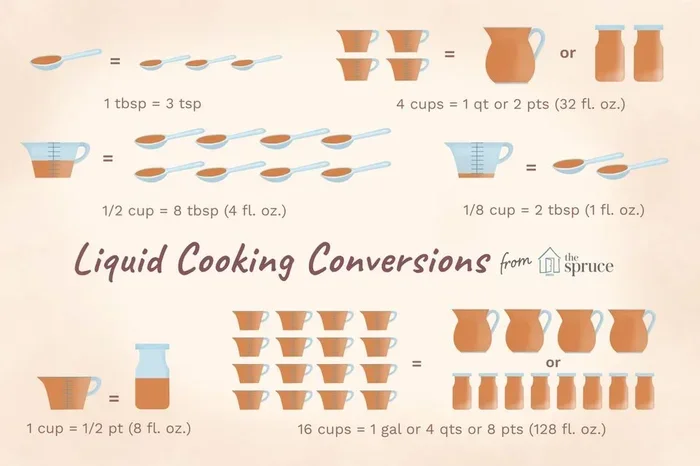
- 1 quart = 32 fluid ounces
- 1 quart = 4 cups
- 1 quart = 2 pints
- 1 gallon = 4 quarts = 128 fluid ounces
These relationships are your best friends in the kitchen. Once you know that a quart is 32 fluid ounces, you can quickly figure out half a quart (16 ounces), a quarter quart (8 ounces), or a full gallon (128 ounces). It is simple math that saves you time and stress.
Why the Numbers Can Be Confusing
Here is where things get tricky. The word “ounce” is used for two very different things. Sometimes it measures volume, and sometimes it measures weight. This is why you need to understand the difference between fluid ounces and dry ounces. Mixing them up is one of the most common errors in home cooking.
A fluid ounce measures how much space a liquid takes up. A dry ounce measures how much something weighs. One fluid ounce of water weighs about one dry ounce, but one fluid ounce of honey weighs more because honey is denser. See the problem? This is why your volume conversion knowledge matters so much.
Common Mistake: Forgetting the System You Are Using
The US customary system and the metric system use different units. If you are using a recipe from a cookbook published in the United States, the quarts and ounces will be in the US customary units. But if you are following a metric conversion from a British or European recipe, the numbers will be different. Always check which system a recipe uses before you start measuring.
Fluid Ounces vs. Dry Ounces: What Is the Difference?
This is the section where many cooks get confused. Let us clear it up once and for all.
What Are Fluid Ounces?
A fluid ounce is a unit of liquid measurement. It measures volume, which is the amount of space something takes up. When a recipe calls for 8 fluid ounces of broth, it means 8 ounces by volume. You would measure this using a liquid measuring cup.
Fluid ounces are used for water, milk, oil, vinegar, juice, and any other liquid ingredient. In the US customary system, 32 fluid ounces make up one liquid quart. This is the conversion you will use most often in the kitchen.
What Are Dry Ounces?
A dry ounce is a unit of weight. It measures how heavy something is, not how much space it takes up. When a recipe calls for 8 dry ounces of flour, it means 8 ounces by weight. You would measure this using a kitchen scale.
Dry ounces are used for ingredients like flour, sugar, rice, oats, and spices. These are solid ingredients that have weight but also take up space. Because their density varies, the volume-to-weight ratio is not always the same as with liquids.
When to Use Each Type
Here is a simple rule of thumb. If the ingredient is a liquid, use fluid ounces and a liquid measuring cup. If the ingredient is a dry solid, use dry ounces and a kitchen scale. Knowing this difference is one of the best cooking tips you can follow.
Taking care of your tools matters, whether it is knowing how to wash a yoga mat in the washer or keeping your measuring cups clean and dry. Properly maintained tools give you more accurate results every time you cook.
Quick Conversion Chart for Everyday Cooking
Having a conversion chart right in your kitchen is a game changer. You do not need to memorize every single number. Just keep a chart nearby and glance at it when you need it. Here is a simple table you can print out or save on your phone.
| Measurement | Equivalent |
|---|---|
| 1 fluid ounce | 2 tablespoons |
| 1 cup | 8 fluid ounces |
| 1 pint | 2 cups or 16 fluid ounces |
| 1 quart | 4 cups or 32 fluid ounces |
| 1 gallon | 4 quarts or 128 fluid ounces |
| 1 tablespoon | 3 teaspoons |
Common Cooking Conversions
Let us look at some real-life examples of kitchen conversions you will use all the time. If a recipe calls for 1 quart of chicken broth, you know that is 32 fluid ounces or 4 cups. If you want to double the recipe, you need 2 quarts, which is 64 fluid ounces or 8 cups.
Want to halve a recipe that calls for 1 quart? You need 2 cups or 16 fluid ounces. These quick mental math tricks will save you from grabbing a calculator every time you cook. Over time, these conversions will become second nature.
Expert Insight: Why Chefs Love the Metric System
Many professional chefs prefer the metric system because it is based on multiples of ten, which makes calculations much simpler. One liter equals 1,000 milliliters, and one kilogram equals 1,000 grams. The US customary system uses numbers like 32 and 128, which are harder to work with mentally.
However, most American recipes use the customary system. So it is worth learning both. If you ever come across a metric recipe, knowing how to convert between systems gives you a huge advantage. A quick metric conversion chart for liquids is also worth keeping in your kitchen.
Tips for Using the Chart
Print out the chart above and tape it inside a kitchen cabinet door. You can also save it as a photo on your phone. The key is to make it accessible so you use it every time you cook. After a few weeks of referencing it, you will start to remember the conversions without even trying.
Common Mistakes People Make with Ounces and Quarts
Even experienced cooks make measurement errors. The good news is that most of these mistakes are easy to avoid once you know what they are.
Mixing Up Fluid and Dry Ounces
This is the number one mistake. A recipe might call for 8 ounces of an ingredient, and you need to figure out if that is 8 fluid ounces or 8 dry ounces. If it is a liquid like water or broth, it is fluid ounces. If it is a dry ingredient like flour or sugar, it is dry ounces.
Confusing the two can lead to adding the wrong amount. Eight fluid ounces of flour by volume weighs less than 8 dry ounces of flour by weight. This difference can completely change the outcome of your baked goods.
Using the Wrong Measuring Tools
Using a dry measuring cup for liquids, or a liquid measuring cup for dry ingredients, leads to inaccurate results. Liquid measuring cups are clear and have a spout. They are designed to be filled to the top and read at eye level. Dry measuring cups are designed to be leveled off with a flat edge.
Just like you need the right tools for the right job, using the correct measuring cups for each type of ingredient is essential. This one small change can dramatically improve your cooking results.
Quick Tip: How to Avoid Measurement Errors
Always measure liquids at eye level. Pour the liquid into your measuring cup and bend down so your eyes are level with the measurement line. This prevents the parallax error that makes you read the amount incorrectly. For dry ingredients, spoon them into the cup and level off with a knife. Never pack dry ingredients down tightly unless the recipe specifically says to.
Pro Tips for Perfect Kitchen Measurements
Now that you understand the basics of ounces in a quart, let us talk about some pro tips that will take your cooking to the next level.
Invest in Good Measuring Tools
Just like you need to know what to look for in a good treadmill to get the best workout results, you need quality measuring cups and a reliable kitchen scale for accurate cooking. Look for sets that are dishwasher safe, have clear markings, and come in multiple sizes.
A digital kitchen scale is especially useful for measuring dry ingredients by weight. It removes the guesswork entirely and gives you precise results every single time. Many bakers consider a kitchen scale to be the single most important tool in their kitchen.
Practice Makes Perfect
The more you cook, the more natural these conversions will feel. Try measuring out a quart of water and pouring it into different sized containers. See how 32 fluid ounces looks in a measuring cup, a pitcher, and a large bowl. This hands-on practice helps you internalize the measurements without memorizing charts.
You can also practice by converting recipes. Take a recipe that serves four and try doubling it using your new kitchen conversions knowledge. Calculate how many fluid ounces of each liquid ingredient you need. This real-world practice builds confidence fast.
Expert Insight: The Kitchen Scale Advantage
Many professional cooks and bakers rely on a kitchen scale for almost all of their measurements. A scale eliminates the variability that comes with using measuring cups. Different brands of flour can have different densities, so the same volume can weigh different amounts. A scale measures weight directly, which is always more accurate.
If you are serious about improving your cooking, consider investing in a good digital scale. It is one of those tools that pays for itself in better results and less wasted food. Plus, it makes following recipe measurements from around the world much easier, since many international recipes use grams and kilograms.
Quick Tip: The Hand Trick for Estimating Volume
Here is a fun trick for estimating volumes without measuring tools. Your fist is roughly the size of one cup. Your cupped hand holds about half a cup. A thumb is approximately one tablespoon. These tricks are not perfect, but they can help you eyeball measurements when you do not have your cups handy.
Conclusion
Now you know exactly how many ounces in a quart. The key number to remember is that one liquid quart equals 32 fluid ounces. You also know the difference between fluid ounces and dry ounces, which is critical for accurate cooking and baking.
With the conversion chart, pro tips, and common mistake warnings from this guide, you are well equipped to handle any recipe that comes your way. The more you practice these cooking measurements, the more intuitive they become. Keep your chart handy, use the right tools, and never be afraid to double-check your work.
Great cooking starts with great measurements. Master the quart, understand the ounces, and watch your confidence in the kitchen grow. Happy cooking!
Frequently Asked Questions
How many ounces are in a quart of liquid?
There are 32 fluid ounces in one liquid quart. This is the standard conversion in the US customary system and applies to all liquid ingredients like water, milk, broth, and oil.
Are fluid ounces and dry ounces the same thing?
No, they are not the same. Fluid ounces measure volume, which is how much space a liquid takes up. Dry ounces measure weight, which is how heavy a solid ingredient is. Always check whether your recipe calls for fluid ounces or dry ounces before you measure.
How many cups are in a quart?
There are 4 cups in one quart. Since one cup equals 8 fluid ounces, 4 cups equal 32 fluid ounces, which is exactly one quart. This is a handy conversion to memorize for everyday cooking.
Can I use a kitchen scale to measure a quart?
A kitchen scale measures weight, not volume. So it cannot directly measure a quart unless you know the weight of the specific liquid. For example, one quart of water weighs about 33.4 dry ounces. For most cooking purposes, it is better to use a liquid measuring cup for volume measurements.
What is the difference between the US customary system and the metric system?
The US customary system uses units like quarts, fluid ounces, cups, and gallons. The metric system uses liters, milliliters, grams, and kilograms. The metric system is based on multiples of ten, making conversions simpler. Most American recipes use the customary system, but many international recipes use the metric system.
Why does my recipe sometimes use ounces and sometimes use cups?
Recipes use different units depending on the ingredient and the author’s preference. Liquids are often measured in fluid ounces or cups, while dry ingredients may be measured in dry ounces by weight or in cups by volume. Understanding both systems helps you follow any recipe more accurately.