Are Almonds Low Histamine Everything You Need to Know
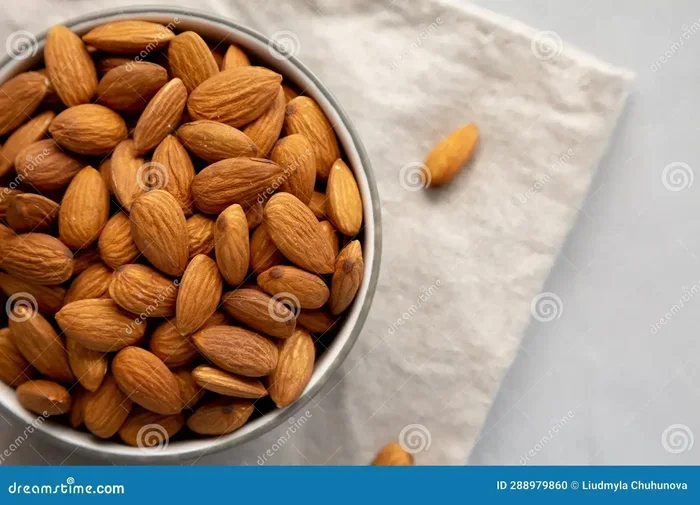
Are almonds low histamine? The answer depends on your body’s unique response and overall histamine levels in food. Almonds are generally considered a low histamine food and are often safe for people following a low histamine diet. However, individual histamine responses can vary, so it is important to pay attention to how your body reacts. This guide covers everything you need to know about almonds and histamine intolerance.
Are almonds low histamine? This is one of the most common questions people ask when they start looking into a low histamine diet. If you have been dealing with histamine intolerance or simply want to understand how almonds fit into your eating plan, you are in the right place.
In this guide, we will break down everything you need to know about almond histamine levels. We will look at what science says, what experts recommend, and how you can safely enjoy almonds without triggering unwanted reactions. Whether you are new to the topic or have been managing food intolerance symptoms for a while, this article has you covered.
Let us dive in and get clear answers about are almonds low histamine and what that really means for your daily health and wellness.
Key Takeaways
- Almonds are generally low in histamine: Most people with histamine intolerance can tolerate almonds without issues.
- Freshness matters: Older or stored almonds may develop higher histamine levels over time.
- Watch for allergic reactions: Almond allergy symptoms are different from histamine responses and require separate attention.
- A low histamine diet can include almonds: They make a great low histamine snack option when eaten in moderation.
- Consult a doctor: Always work with a healthcare provider to identify your personal food intolerance symptoms and triggers.
- Pair almonds with anti-inflammatory foods: Combining them with other histamine blocker foods can support better tolerance.
📑 Table of Contents
- What Is Histamine and Why Does It Matter?
- Are Almonds Low Histamine? The Full Answer
- How Histamine Affects Your Body
- Low Histamine Foods You Can Safely Eat
- Exercise and Histamine: Staying Active the Right Way
- Should You Include Almonds in a Low Histamine Diet?
- Final Thoughts on Almonds and Histamine
What Is Histamine and Why Does It Matter?
Histamine is a natural chemical your body produces. It plays a big role in your immune system, digestion, and even your sleep cycle. When your body detects something harmful, it triggers mast cell activation, which releases histamine into your bloodstream.
This release causes many familiar reactions. Your blood vessels expand. Your stomach produces more acid. Your brain becomes more alert. In small amounts, histamine is perfectly normal and even helpful. But when levels get too high, problems start to appear.
How Histamine Works in Your Body
Your body has a built-in system to manage histamine. An enzyme called diamine oxidase, or DAO, breaks down dietary histamine. This process is called histamine degradation. When this system works well, you feel fine after eating histamine free foods and even some foods with moderate histamine.
But when DAO levels drop or when you eat too many histamine liberators, the balance shifts. Your body cannot break down histamine fast enough. This leads to a buildup that can cause uncomfortable histamine responses throughout your body. Understanding this process is the foundation of managing your diet effectively.
Common Triggers of Histamine Release
Many things can trigger histamine release beyond just food. Stress, temperature changes, and certain medications all play a role. Some people experience histamine release from environmental factors like pollen or dust. When it comes to food, aged cheeses, fermented products, and cured meats are well-known culprits.
Even some fresh foods can act as histamine liberators, meaning they trigger your body to release histamine even if they do not contain much histamine themselves. This is why keeping a low histamine foods list handy can be so helpful. Understanding these triggers is the first step toward managing your diet and feeling your best every day.
Are Almonds Low Histamine? The Full Answer
The short answer is yes. Almonds are generally considered a low histamine food. They are not on the list of high histamine foods, and they do not typically act as a histamine liberator for most people. But the full picture is a bit more nuanced, so let us look at the details.
Histamine Levels in Almonds
When it comes to histamine levels in almonds, research shows that fresh almonds contain very little histamine. A serving of raw, fresh almonds is unlikely to cause a spike in your dietary histamine levels. This makes them a safe choice for many people following a low histamine diet.
The almond nutrition profile also supports this. Almonds are rich in healthy fats, vitamin E, and magnesium. These nutrients can actually help reduce inflammation in your body, which may support better histamine degradation over time. This is one of the reasons almonds are often recommended as a snack for people who are mindful of their histamine levels in food.
Do Almonds Trigger Histamine Responses?
For most people, almonds do not trigger a histamine response. However, some individuals may experience almond sensitivity for different reasons. This could be due to a true almond allergy, which is an immune response, not a histamine issue. It is important to distinguish between almond allergy symptoms and histamine intolerance symptoms.
Allergy symptoms often include swelling, hives, or difficulty breathing. Histamine intolerance symptoms tend to involve headaches, digestive issues, or skin flushing. If you are unsure which one you are experiencing, talk to a healthcare provider for proper testing. Knowing the difference helps you take the right steps toward feeling better.
How Histamine Affects Your Body
Understanding how histamine affects your body helps you make better food choices. When histamine levels rise too high, you may experience a range of uncomfortable symptoms that affect your daily life. These symptoms can be frustrating and confusing, especially when you are trying to figure out what is causing them.
Symptoms of Histamine Intolerance
The symptoms of histamine intolerance can vary widely from person to person. Some common signs include:
- Headaches or migraines
- Digestive discomfort and bloating
- Skin redness, rashes, or hives
- Runny nose or sinus congestion
- Fatigue and brain fog
- Rapid heartbeat
- Anxiety or restlessness
If you notice these symptoms after eating certain foods, it may be worth exploring whether histamine levels in food are the cause. Keeping a food diary can help you identify patterns and pinpoint which foods trigger your food intolerance symptoms. Many people are surprised to learn how connected their daily symptoms are to what they eat.
Who Is Most at Risk?
Anyone can develop histamine intolerance, but certain groups are more at risk. People with digestive disorders like leaky gut or IBS often struggle with histamine buildup. Those who take medications that block DAO, such as certain antidepressants or pain relievers, may also be more sensitive.
Additionally, people with existing mast cell activation disorders may find that even small amounts of dietary histamine cause significant reactions. If you fall into any of these categories, paying close attention to a low histamine foods list can make a big difference in how you feel every day. You are not alone in this, and small dietary changes can lead to big improvements.
Low Histamine Foods You Can Safely Eat
Building a safe and satisfying diet when you are sensitive to histamine is absolutely possible. The key is knowing which foods to choose and which to avoid. Let us look at practical ways to build your meals around low histamine options.
Building a Low Histamine Diet Plan
A good low histamine diet focuses on fresh foods. The fresher the food, the lower the histamine content. This is because histamine builds up over time, especially as food ages or sits at room temperature. Cooking fresh ingredients right before you eat them is one of the best strategies you can use.
Start by filling your plate with these fresh options:
- Fresh vegetables like cucumbers, zucchini, and leafy greens
- Fresh fruits such as apples, pears, and berries
- Fresh meats and poultry that you cook right after buying
- Grains like rice and quinoa
- Fresh herbs like parsley, basil, and oregano
These foods are naturally low in dietary histamine and can form the foundation of your daily meals. Planning your meals around freshness is one of the most effective strategies for managing histamine levels in food. It takes a little extra effort at first, but soon it becomes second nature.
Best Low Histamine Snacks
Snacking can be tricky when you are on a low histamine foods list. Many processed snacks contain preservatives and additives that can trigger histamine release. But there are plenty of safe and delicious options available to you.
Fresh fruit with nut butter is a great choice. Rice cakes topped with avocado work well too. And of course, a small handful of fresh almonds makes an excellent low histamine snack that is easy to grab on the go. Almonds are packed with healthy fats and protein, making them a satisfying option between meals.
When choosing snacks, always check the ingredient list. Look for products with minimal additives and no fermented ingredients. The simpler the ingredient list, the better it is for managing your histamine levels in food. You can also pair your snacks with anti-inflammatory foods like turmeric, ginger, or omega-3 rich fish. These histamine blocker foods may help support your body’s natural ability to manage histamine and reduce overall inflammation.
Exercise and Histamine: Staying Active the Right Way
You might be surprised to learn that exercise plays a role in managing histamine levels in your body. Regular physical activity can support your body’s natural processes and help reduce inflammation. But the type of exercise matters, especially if you have histamine intolerance or are dealing with food intolerance symptoms.
Why Movement Matters for Histamine Management
Moderate exercise can actually help your body manage dietary histamine more effectively. Physical activity promotes better circulation, which helps your organs process and eliminate excess histamine. It also supports your immune system and reduces stress, both of which are important for keeping mast cell activation in check.
However, intense exercise can sometimes trigger histamine release in sensitive individuals. This is why choosing the right type and intensity of movement is so important. The goal is to stay active without overstimulating your body’s histamine response. Finding the right balance helps you enjoy the benefits of movement without the downsides.
Safe Exercises for Sensitive Individuals
Low to moderate intensity exercises tend to work best for people managing histamine intolerance. Walking, gentle yoga, swimming, and cycling are all excellent options. These activities get your body moving without causing the stress response that can trigger histamine release.
Studies show that regular movement helps reduce inflammation and may support better histamine degradation. If you deal with back pain from inflammation, kettlebell swings can be a great way to relieve lower back pain while staying active and building strength. Starting slow and listening to your body is key.
Building a simple home setup can also make it easier to stick with your routine. Resistance bands are one of the best tools for a home workout and they pair well with a balanced, low histamine lifestyle. You can use them for gentle stretching, strength training, and mobility work without needing a gym membership. They are affordable, portable, and incredibly versatile.
Remember to stay hydrated during exercise. Dehydration can worsen food intolerance symptoms and make it harder for your body to process histamine effectively. Aim to drink plenty of water before, during, and after your workout sessions. Combining smart food choices with regular movement gives you the best chance of keeping your histamine response balanced and your body feeling great.
Should You Include Almonds in a Low Histamine Diet?
Now that you understand the basics, you might be wondering whether almonds deserve a spot in your low histamine diet. The answer is likely yes, but with some important considerations. Let us look at how to introduce almonds safely and when it might be best to avoid them.
Tips for Introducing Almonds Safely
If you have never eaten almonds while managing histamine intolerance, start small. Try a few almonds and wait 24 to 48 hours to see how your body responds. This slow approach helps you identify any reactions without overwhelming your system. It is one of the simplest and most effective strategies for managing your diet.
Here are some practical tips to keep in mind:
- Choose raw, fresh almonds whenever possible
- Store almonds in a cool, dry place to prevent histamine buildup
- Avoid roasted or flavored almonds that may contain additives
- Pair almonds with anti-inflammatory foods like berries or leafy greens
- Stick to a moderate serving size, about a small handful per day
These simple steps can help you enjoy the nutritional benefits of almonds while keeping your histamine levels in food in check. Almonds are a great source of healthy fats, protein, and vitamin E, all of which support overall wellness. They are also a convenient low histamine snack that fits easily into a busy lifestyle.
When to Avoid Almonds Entirely
While almonds are generally well tolerated, there are times when you should avoid them. If you experience any almond allergy symptoms like swelling, itching, or difficulty breathing, stop eating them immediately and seek medical attention. These signs point to a true allergy that requires professional guidance.
Also, if you notice that almonds consistently trigger your food intolerance symptoms even though they are low in histamine, it may be best to remove them from your diet temporarily. Everyone’s body is different, and what works for one person may not work for another. This is where working with a professional becomes invaluable.
Working with a healthcare provider or a nutritionist who understands histamine intolerance can help you create a personalized plan. They can help you identify your specific triggers and build a diet that supports your health goals without unnecessary restrictions. You deserve to feel your best, and the right guidance makes all the difference.
Final Thoughts on Almonds and Histamine
So, are almonds low histamine? The evidence strongly suggests yes. Almonds are a low histamine food that most people with histamine intolerance can enjoy without issues. They are nutrient-dense, versatile, and make a convenient low histamine snack option that fits easily into your daily routine.
Staying active is key to managing histamine levels in your body and supporting overall wellness. Dumbbell exercises are among the best workouts you can do at home to support your health while following a low histamine lifestyle. Combining smart food choices with regular movement gives you the best chance of keeping your histamine response balanced and your body feeling great.
Remember to always listen to your body. Pay attention to how different foods make you feel. Keep a food diary if needed. And never hesitate to reach out to a healthcare professional if you have concerns about your histamine levels or almond sensitivity. With the right approach, you can enjoy a varied, satisfying diet while keeping histamine-related symptoms under control. Your health journey is unique, and every small step counts.
Frequently Asked Questions
Are almonds considered a low histamine food?
Yes, almonds are generally considered a low histamine food. Fresh, raw almonds contain very little histamine and do not typically act as a histamine liberator. Most people following a low histamine diet can enjoy them without issues.
Can almonds cause a histamine reaction in some people?
While rare, some individuals may experience almond sensitivity or a true almond allergy. These reactions are different from histamine intolerance. If you notice symptoms like swelling, hives, or difficulty breathing after eating almonds, seek medical advice right away.
How should I store almonds to keep them low in histamine?
Store almonds in a cool, dry place in an airtight container. Freshness is key because histamine levels can increase over time, especially if nuts are exposed to heat or moisture. Buying in small quantities and using them quickly is the best approach.
What are good low histamine snacks to pair with almonds?
Fresh fruits like apples and pears pair well with almonds. You can also combine them with anti-inflammatory foods like berries or leafy greens. These combinations make satisfying low histamine snacks that support your overall wellness.
How does exercise help manage histamine levels?
Moderate exercise promotes better circulation, which helps your body process and eliminate excess histamine. It also reduces stress and supports immune function. Low to moderate activities like walking, swimming, and yoga are especially beneficial for people with histamine intolerance.
Should I consult a doctor before adding almonds to my low histamine diet?
Yes, it is always a good idea to consult a healthcare provider, especially if you have known histamine intolerance or food sensitivities. They can help you create a personalized plan and identify any specific triggers that are unique to your body.