Turkey Roasting Times The Complete Guide for Beginners
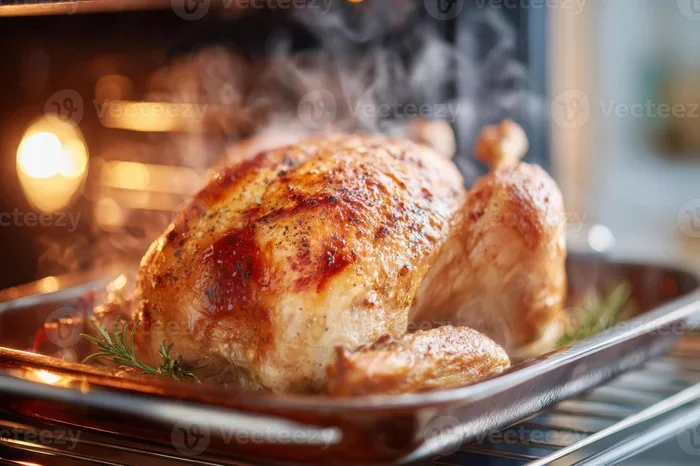
Turkey roasting times depend on the bird’s weight, whether it’s stuffed, and your oven temperature. The general rule is 13 to 15 minutes per pound at 325°F for an unstuffed whole turkey. This guide covers how long to roast a turkey, safe internal temperatures, and practical tips for juicy, flavorful results every single time.
Cooking a turkey for the first time can feel overwhelming. There are so many variables to consider. How long should it go in the oven? What temperature is safe? Should you stuff it or not? Turkey roasting times might seem complicated, but they don’t have to be.
This guide breaks everything down into simple, easy-to-follow steps. Whether you’re cooking a small turkey breast or a huge whole bird for Thanksgiving, you’ll find the answers you need. We’ll cover how long to roast a turkey, the right temperatures, and practical tips that actually work. By the end, you’ll feel confident in the kitchen.
Let’s face it. A dry turkey is a nightmare. Nobody wants to serve tough, overcooked meat to their guests. The good news is that understanding turkey roasting times is the first step toward a perfectly cooked bird. Think of it like building any new skill. Just as you might check how many times a week you should jump rope to build a fitness routine, cooking a turkey becomes easier with each attempt. Once you know the basics, the rest falls into place.
Key Takeaways
- Plan for 13 to 15 minutes per pound: This is the standard guideline for roasting a turkey at 325°F
- Always use a meat thermometer: The safe internal temperature is 165°F in the thickest part of the thigh and breast
- Let the turkey rest for 20 to 30 minutes: This allows juices to redistribute for moist, tender meat
- Unstuffed turkeys cook faster: Plan accordingly if you skip stuffing to save time
- Brining improves flavor and moisture: Even a quick brine makes a noticeable difference in the final result
- Breast and dark meat cook at different rates: Protect the breast from overcooking with foil
📑 Table of Contents
- Understanding Turkey Roasting Times by Weight
- Turkey Cooking Temperature: What You Need to Know
- Step-by-Step Turkey Preparation
- Common Mistakes That Affect Roasting Time
- Tips for Juicy, Flavorful Turkey Every Time
- Turkey Roasting Times for Different Cooking Methods
- Final Thoughts on Turkey Roasting Times
Understanding Turkey Roasting Times by Weight
The most important factor in determining how long to roast a turkey is its weight. Larger birds take significantly more time. Here’s a general breakdown to help you plan your cooking schedule.
Turkey Roasting Time Per Pound
The standard rule for turkey roasting times is about 13 to 15 minutes per pound at 325°F. This applies to an unstuffed, whole turkey. Let’s look at some common sizes:
- 8 to 10 pounds: About 2.5 to 3.5 hours
- 12 to 14 pounds: About 3.5 to 4.5 hours
- 16 to 18 pounds: About 4.5 to 5.5 hours
- 20 to 22 pounds: About 5.5 to 6.5 hours
These numbers are starting points. Your actual turkey cooking time may vary based on your oven, the turkey roasting pan you use, and whether the bird is stuffed. Always rely on a meat thermometer rather than the clock alone. Every oven runs a little hot or cold, so trust your thermometer first.
Turkey Breast Roasting Time
If you’re only roasting a turkey breast, the timeline changes. A boneless breast typically takes about 2 to 2.5 hours at 325°F. A bone-in breast may need closer to 3 hours. Turkey breast roasting time is shorter because there’s less mass to heat through.
One great tip is to check the temperature early. Start checking at the minimum time estimate. This way, you avoid overcooking the delicate breast meat. Nobody likes dry turkey breast, and it’s the most common mistake beginners make.
Turkey Cooking Temperature: What You Need to Know
Temperature is just as important as time when it comes to turkey roasting times. The USDA recommends cooking turkey to an internal temperature of 165°F. But where exactly should you check?
Where to Insert the Thermometer
Insert your meat thermometer into the thickest part of the thigh. Avoid touching the bone, as it conducts heat differently. Also check the thickest part of the breast. Both areas need to reach 165°F for the turkey to be safe to eat.
Some cooks like to pull the turkey out at 160°F and let it rest. The temperature will rise during resting, a process called carryover cooking. This is a smart move that helps prevent overcooking. It’s one of the best turkey roasting tips you can follow.
Oven Temperature Settings
Most recipes call for roasting at 325°F. This is a reliable, moderate temperature that cooks the turkey evenly. Some cooks prefer 350°F for a slightly shorter cooking time, but 325°F gives you more control over the process.
If you’re using a convection oven, reduce the temperature by about 25°F. Convection fans circulate hot air more efficiently, so the turkey cooks faster. Adjust your turkey per pound cooking time accordingly and check for doneness a bit earlier than usual.
Step-by-Step Turkey Preparation
Proper preparation sets the stage for perfect turkey roasting times. Rushing this step often leads to uneven cooking or bland results. Take your time here, and the oven does the rest of the work for you.
Thawing Your Turkey
If your turkey is frozen, you need to thaw it safely. The best method is to place it in the refrigerator on a large tray. Allow about 24 hours for every 4 to 5 pounds. A 12-pound turkey needs roughly 3 days to thaw completely.
Never thaw a turkey on the counter. Room temperature creates a breeding ground for bacteria. Cold water thawing works in a pinch, but it requires changing the water every 30 minutes. Plan ahead so you’re not rushing on cooking day.
Brining for Better Flavor
Brining is one of the best ways to improve your turkey’s flavor and moisture. A basic brine uses salt, sugar, and water. Submerge the turkey for 12 to 24 hours before roasting.
Even a quick 2-hour brine in a saltwater solution makes a noticeable difference. The salt helps the meat retain moisture during cooking. This is especially helpful for leaner breast meat. Think of brining as insurance against dry turkey.
Seasoning and Stuffing
Season the inside and outside of your turkey generously. Butter, herbs, garlic, and citrus are popular choices. If you’re stuffing the bird, pack the stuffing loosely. Tight packing increases cooking time and can lead to uneven doneness.
Remember that stuffing adds to the overall turkey roasting times. A stuffed turkey may need an extra 30 to 45 minutes compared to an unstuffed one of the same weight. Always check that the stuffing reaches 165°F before serving.
Common Mistakes That Affect Roasting Time
Even experienced cooks make mistakes with turkey roasting times. Knowing what to avoid saves you from dry meat or food safety issues. Here are the most common pitfalls.
Opening the Oven Door Too Often
Every time you open the oven door, the temperature drops. This extends your cooking time and can lead to uneven roasting. Resist the urge to peek. Use the oven light to check on your bird instead.
If you need to baste, do it quickly. Open the door, baste, and close it fast. Every minute with the door open adds time to your turkey cooking time and can throw off your turkey roasting times estimate.
Skipping the Rest Period
Resting the turkey after it comes out of the oven is essential. The juices need time to redistribute throughout the meat. Skip this step, and you’ll lose moisture when you carve.
A good rule is to rest the turkey for 20 to 30 minutes. Tent it loosely with foil during this time. While the turkey rests, you could do some light activity to stay active. If you’re following a routine like how many times a week you should use the elliptical, a short session fits perfectly while you wait for the bird to rest.
Not Accounting for Stuffing
As mentioned, stuffing increases cooking time significantly. Many beginners underestimate this. If your recipe calls for a stuffed turkey, add the extra time to your plan. Use a thermometer to check that the stuffing also reaches 165°F inside.
Tips for Juicy, Flavorful Turkey Every Time
Great turkey roasting times mean nothing if the final result is dry and bland. Here are some pro tips that make a real difference in the quality of your roast.
Use a Roasting Rack
A roasting rack elevates the turkey above the pan. This allows hot air to circulate underneath, promoting even cooking. It also prevents the bottom from sitting in grease and becoming soggy.
If you don’t have a rack, you can use chopped vegetables as a stand-in. Onions, carrots, and celery work great. They lift the bird and add flavor to your drippings. This is an easy turkey roasting tip that anyone can use.
Protect the Breast
Turkey breast cooks faster than dark meat and dries out easily. One popular trick is to cover the breast with foil partway through cooking. Remove the foil for the last 30 minutes to let the skin crisp up beautifully.
This simple technique balances cooking time between the breast and thighs. Both parts come out perfectly done. Your whole turkey recipe will thank you for this small effort. It’s a game changer for consistent results.
Let the Turkey Come to Room Temperature
Take the turkey out of the refrigerator about 1 hour before roasting. A room-temperature bird cooks more evenly than a cold one straight from the fridge. This small step can shave 20 to 30 minutes off your total turkey roasting times.
While you wait for the turkey to come to room temperature, you might want to get some light activity in. A quick session of how many times you should lift dumbbells a week routine can help you stay energized for the big cooking day ahead.
Turkey Roasting Times for Different Cooking Methods
Oven roasting is the most common method, but it’s not the only one. Different cooking methods change your timeline significantly. Here’s how turkey roasting times compare across methods.
Oven Roasting (Standard)
This is the classic method. Roast at 325°F for about 13 to 15 minutes per pound. It’s reliable and produces consistent results. Most turkey roasting times references are based on this traditional approach. It’s the method most home cooks are familiar with.
Deep Frying
Deep-fried turkey cooks much faster. A 12-pound bird takes about 30 to 45 minutes at 350°F. The hot oil sears the outside quickly, locking in moisture. However, deep frying requires special equipment and careful safety precautions. Always use a fryer designed for turkey.
Slow Cooking
A slow cooker is a hands-off option. A 6-pound turkey breast might take 4 to 5 hours on low. Whole turkeys can fit in larger slow cookers but take 6 to 8 hours. The trade-off is that you won’t get crispy skin. It’s a great option for hands-free cooking.
Final Thoughts on Turkey Roasting Times
Mastering turkey roasting times is easier than it looks. The key is planning, patience, and using a meat thermometer. Remember the basics: 13 to 15 minutes per pound at 325°F for an unstuffed whole turkey. These fundamentals apply whether you’re a first-time cook or a seasoned pro.
Don’t forget to rest your turkey for at least 20 minutes before carving. And always check the internal temperature in multiple spots. These habits separate a good roast from a great one. They’re the details that make the biggest difference.
Whether you’re preparing for Thanksgiving or a weekend family dinner, these tips will serve you well. Practice makes perfect, and every roast teaches you something new. Soon, you’ll be the one giving turkey roasting times advice to friends and family. A delicious, perfectly roasted turkey is well within your reach. Now it’s time to put this knowledge into action and enjoy the rewards of your hard work.
Frequently Asked Questions
How long does it take to roast a 12-pound turkey?
A 12-pound unstuffed turkey typically takes about 3.5 to 4.5 hours at 325°F. This estimate follows the general rule of 13 to 15 minutes per pound. Always use a meat thermometer to confirm doneness rather than relying solely on time.
Can you roast a turkey at 350°F instead of 325°F?
Yes, you can roast at 350°F, but it will cook slightly faster. Monitor the internal temperature closely, as higher heat can dry out the meat. Adjust your turkey per pound cooking time by about 5 to 10 minutes less per pound.
How do you know when a turkey is done?
The turkey is done when the thickest part of the thigh and breast both reach 165°F on a meat thermometer. The juices should run clear when you pierce the thickest part. The leg should also move freely in the socket when gently wiggled.
Should you cover a turkey with foil while roasting?
Covering the breast with foil for part of the cooking time helps prevent overcooking. Remove the foil for the last 30 to 45 minutes to allow the skin to crisp up. This technique is especially helpful for larger birds that cook over several hours.
How long should a turkey rest before carving?
Let the turkey rest for 20 to 30 minutes after removing it from the oven. Tent it loosely with aluminum foil during this time. Resting allows the juices to redistribute, resulting in moister, more flavorful slices when you carve.
Does stuffing a turkey change the roasting time?
Yes, stuffing adds approximately 30 to 45 minutes to the total roasting time. The stuffing needs to reach 165°F as well, so you must account for the extra time. Always check the stuffing temperature with a thermometer before serving.