Is Corn a Vegetable
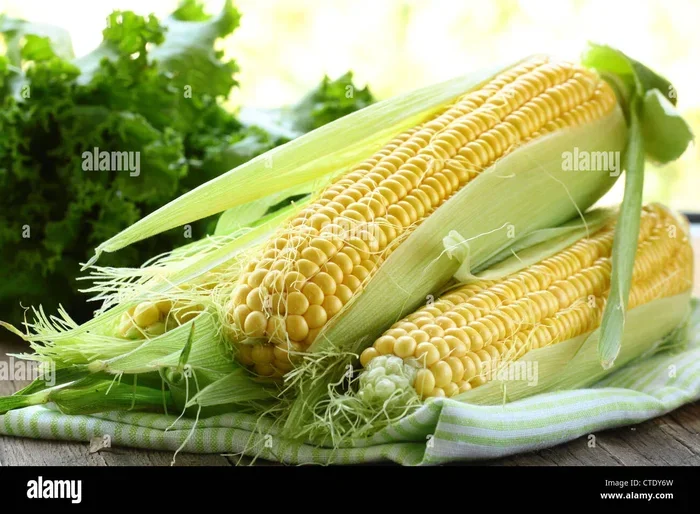
Is corn a vegetable? The answer is more complex than you might think. Botanically, corn is classified as a grain, but culinarily it is often treated as a vegetable. Understanding this distinction helps you make better dietary choices and appreciate corn’s unique place in the food world.
Is corn a vegetable? This question has sparked debates at dinner tables, in classrooms, and even among nutrition experts. The short answer is: it depends on who you ask. Botanists, chefs, and dietitians all look at corn differently. And that makes this humble summer staple one of the most interesting foods out there.
Corn is everywhere. You find it on the cob at barbecues. You find it in soups and salads. You find it in processed foods like corn syrup and corn oil. But when it comes to classifying corn, things get tricky. Let us break down the science, the culinary world, and the nutrition side of this beloved food.
Whether you are a home cook, a fitness enthusiast, or just curious about your food, understanding where corn fits in your diet matters. Knowing the truth about is corn a vegetable helps you make smarter choices at the grocery store and the dinner table.
Key Takeaways
- Corn is botanically a grain: It comes from the grass family and is classified as a cereal grain, similar to wheat and rice.
- Culinary traditions treat corn as a vegetable: In cooking and nutrition guidelines, corn is commonly grouped with vegetables.
- Corn is packed with nutrients: It provides fiber, vitamins, and minerals that support overall health.
- Different types of corn serve different purposes: Sweet corn, field corn, and popcorn each have unique roles in our diet.
- The debate matters for your diet: Knowing how corn is classified helps you plan balanced meals and understand food groups.
- Corn fits into a healthy lifestyle: Whether you consider it a vegetable or a grain, corn can be part of a nutritious diet when consumed in moderation.
📑 Table of Contents
The Botanical Truth: Corn Is a Grain
From a scientific perspective, corn is not a vegetable. It is a grain. More specifically, corn belongs to the grass family called Poaceae. This is the same family that includes wheat, rice, oats, and barley. Botanists classify corn as a cereal grain, which means it is a grass cultivated for its edible seeds.
What Makes Corn a Grain?
A grain is the edible seed of a grass plant. Corn grows on stalks, and each ear produces kernels that are the seeds of the plant. These kernels contain the embryo that would grow into a new corn plant. This is exactly how other grains like wheat and rice work.
When you look at a kernel of corn under a microscope, you see the same structure as other cereal grains. It has a bran layer, an endosperm, and an embryo. This is the classic grain anatomy. So botanically speaking, corn checks every box for being a grain.
Is corn a vegetable from a botanical standpoint? No. It is a grain through and through. But the story does not end there.
The Culinary Perspective: Why People Call Corn a Vegetable
In the kitchen and at the dinner table, corn is treated as a vegetable. And for good reason. Most people eat corn as part of their meal, not as a standalone grain dish. When you add corn to a salad, a stir-fry, or a soup, it behaves like a vegetable.
How Chefs and Home Cooks Use Corn
Chefs group corn with vegetables for practical reasons. It fits alongside peppers, tomatoes, and squash in recipes. Corn adds sweetness, texture, and color to vegetable dishes. It grills beautifully on the cob. It blends into creamy soups. It pops into a beloved snack.
In the United States, the Department of Agriculture places corn in the vegetable group for dietary guidance. This means that when you look at a food pyramid or a nutrition label, corn counts toward your daily vegetable intake. So from a practical, everyday standpoint, is corn a vegetable? In the culinary world, absolutely yes.
This dual identity is what makes corn so fascinating. It is a grain and a vegetable at the same time, depending on the context.
Nutritional Profile of Corn
Corn is more than just a tasty side dish. It brings a solid nutritional punch to the table. Understanding what corn offers helps you decide how to fit it into your meals.
Vitamins and Minerals in Corn
Corn contains several important nutrients that support your health:
- Vitamin B6: Helps your brain produce serotonin and supports mood regulation.
- Folate: Essential for cell growth and especially important during pregnancy.
- Potassium: Supports heart health and helps regulate blood pressure.
- Magnesium: Important for muscle and nerve function.
- Iron: Helps carry oxygen through your blood.
Fiber and Energy
Corn is a good source of dietary fiber. A single ear of corn provides about 3 to 4 grams of fiber. Fiber helps with digestion, keeps you feeling full, and supports a healthy gut. Because corn is also rich in carbohydrates, it provides steady energy for your body. This is why corn has been a staple food for centuries across many cultures.
If you are someone who stays active and uses treadmill workouts to stay fit, corn can be a great source of quick, natural energy for your sessions. The carbohydrates in corn fuel your muscles and help you power through cardio routines.
Corn and Your Daily Diet
When planning your meals, corn fits nicely into both the grain and vegetable categories. A balanced plate might include a serving of corn alongside proteins and other vegetables. This versatility makes corn a valuable addition to many diets.
Types of Corn and How They Are Used
Not all corn is the same. Different types of corn serve different purposes, and each one has its own place in your kitchen.
Sweet Corn
Sweet corn is the type you eat on the cob at summer cookouts. It has a higher sugar content than other varieties, which makes it taste sweet and tender. Sweet corn is harvested when the kernels are still soft and juicy. This is the corn most people think of when they picture a vegetable side dish.
Field Corn
Field corn is the most common type grown in the United States. It is dried and hard when harvested. Farmers use field corn for animal feed, ethanol production, and processed food ingredients like corn syrup and corn starch. You do not typically eat field corn straight off the cob.
Popcorn
Popcorn is a special variety of corn with a hard outer shell and a moist interior. When heated, the moisture turns to steam and the kernel explodes into a fluffy snack. Popcorn is a whole grain and can be a healthy, high-fiber snack when prepared without excessive butter or salt.
Flint Corn and Dent Corn
Flint corn and dent corn are other varieties used mainly for cooking and industrial purposes. Flint corn is often ground into cornmeal, while dent corn is used in food processing and manufacturing.
Why the Debate About Corn Matters
You might wonder why the classification of corn even matters. The answer is that it affects how we think about food groups and build balanced meals. If corn is a grain, it counts toward your grain intake. If corn is a vegetable, it counts toward your vegetable servings.
Impact on Dietary Guidelines
Dietary guidelines from health organizations often place corn in the vegetable group. This is because most people eat corn as part of a meal alongside other vegetables. The USDA includes corn in both the vegetable and grain categories, depending on how it is prepared and consumed.
Impact on Meal Planning
When you plan your meals, knowing whether to count corn as a vegetable or a grain helps you balance your plate. If you are building a meal around rice or bread, you might treat corn as a vegetable for variety. If you are eating a grain-heavy meal, corn might add to your grain serving.
For those who enjoy an active lifestyle and incorporate treadmill running into their fitness routine, understanding food groups helps you fuel your body properly before and after workouts. Corn can serve as a great pre-workout carb source or a recovery-friendly side dish.
Corn in a Healthy Lifestyle
Corn can absolutely be part of a healthy diet. The key is moderation and preparation. Fresh corn on the cob is a far cry from heavily processed corn products like high-fructose corn syrup. Let us look at how to enjoy corn the right way.
Best Ways to Prepare Corn
Here are some healthy and delicious ways to enjoy corn:
- Grilled corn on the cob: Brush with a light layer of olive oil and a sprinkle of herbs.
- Corn salads: Mix fresh kernels with tomatoes, peppers, and a light vinaigrette.
- Corn soup: Blend cooked corn with low-sodium broth for a creamy, comforting dish.
- Air-popped popcorn: A whole-grain snack that is high in fiber and low in calories.
- Corn salsa: Combine diced corn with onion, cilantro, lime juice, and jalapeño.
Corn and Active Living
Corn provides natural energy from complex carbohydrates. Whether you are heading out for a home treadmill session or taking a brisk walk, corn can be a reliable fuel source. Its fiber content also helps sustain energy levels over longer periods, making it a smart choice for active individuals.
Some people wonder if the calories in corn are worth it. A medium ear of corn has about 90 calories. That is comparable to a small piece of fruit. When you consider the fiber, vitamins, and minerals it provides, corn is a reasonable and nutritious choice for most people.
Corn and Processed Foods
It is worth noting that much of the corn grown in the United States ends up in processed foods. High-fructose corn syrup appears in sodas, candies, and many packaged snacks. These processed forms of corn are not the same as eating whole corn on the cob or enjoying a bowl of corn salad. Whole corn retains its fiber, vitamins, and natural nutrients. Processed corn products often lose much of that nutritional value.
Is Corn a Fruit, Vegetable, or Grain?
The answer to this question depends entirely on the perspective you use. Let us break it down clearly.
| Perspective | Classification | Reasoning |
|---|---|---|
| Botanical | Grain | Corn is the seed of a grass plant, making it a cereal grain. |
| Culinary | Vegetable | Corn is used in savory dishes and grouped with vegetables in cooking. |
| Nutritional | Both | Corn counts toward both grain and vegetable daily servings. |
| Agricultural | Grain | Corn is classified as a field crop and cereal grain by farmers. |
So is corn a vegetable? Yes and no. It all depends on the lens through which you look at it. This dual classification is rare among foods and makes corn a truly unique ingredient.
Some people also ask, “Is corn a fruit?” In botany, a fruit is the part of a plant that develops from a flower and contains seeds. By this definition, corn kernels are technically fruits because they contain the seeds of the plant. However, in everyday language, nobody calls corn a fruit. The grain classification is the most widely accepted botanical answer.
Final Thoughts
The question of is corn a vegetable does not have a single simple answer. Botanically, corn is a grain. Culinarily, it is a vegetable. Nutritionally, it counts as both. This versatility is what makes corn such a remarkable food.
Next time you enjoy corn on the cob at a summer barbecue or add kernels to your favorite recipe, you can appreciate corn for all it is. It is a grain, a vegetable, a source of energy, and a staple food that has nourished people for thousands of years.
Whether you count it as a vegetable or a grain, corn brings flavor, nutrition, and versatility to your plate. Embrace it as the unique food that it is, and enjoy it as part of a balanced and healthy diet.
Frequently Asked Questions
Is corn considered a vegetable or a grain?
It depends on the context. Botanically, corn is a grain because it is the seed of a grass plant. However, in culinary settings and dietary guidelines, corn is often classified as a vegetable. This dual identity makes corn unique among common foods.
Why do people think corn is a vegetable?
People think corn is a vegetable because it is eaten as part of meals alongside other vegetables. It is sweet, tender, and used in savory dishes. The USDA also places corn in the vegetable group for dietary recommendations, which reinforces this perception.
Can corn be considered a fruit?
In strict botanical terms, corn kernels are technically fruits because they develop from the flower of the plant and contain seeds. However, this classification is not commonly used in everyday language or cooking. Corn is far more often referred to as a grain or a vegetable.
What are the health benefits of eating corn?
Corn provides dietary fiber, B vitamins, potassium, and magnesium. It is also a good source of complex carbohydrates, which offer sustained energy. Eating whole corn supports digestive health and can be part of a balanced diet when consumed in moderation.
How does corn compare to other vegetables nutritionally?
Corn is higher in carbohydrates and calories than most leafy greens and non-starchy vegetables. However, it provides more energy and fiber than many other vegetables. It is best viewed as a starchy vegetable or a grain that offers both nutritional value and satisfying energy.
Should I avoid corn if I am on a diet?
You do not need to avoid corn. A single ear of corn has about 90 calories and provides valuable nutrients. The key is to eat it in its whole, natural form rather than relying on processed corn products like corn syrup. Moderation and preparation method matter most.