
How Many Tsp in a Tbsp
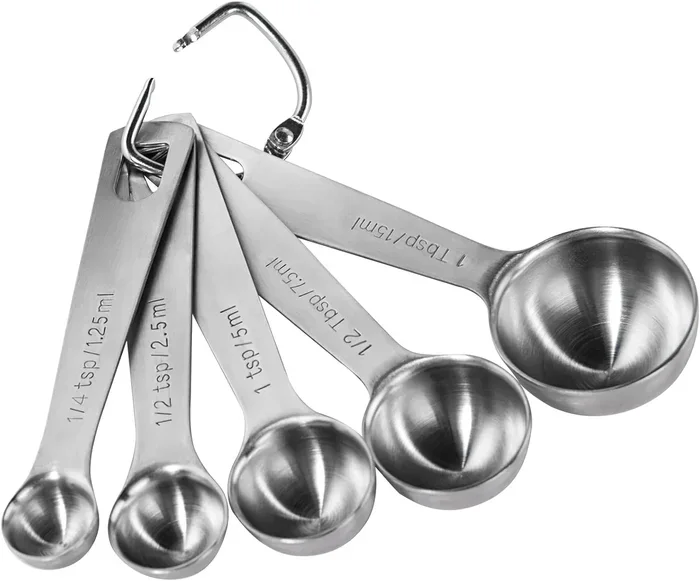
There are 3 teaspoons in 1 tablespoon. This basic kitchen conversion is essential for cooking and baking success. Whether you are scaling a recipe up or down, knowing the tsp to tbsp ratio saves time and prevents costly mistakes in the kitchen.
Ever stood in your kitchen staring at a recipe that calls for a tablespoon of something, and all you have is a teaspoon? You are not alone. How many tsp in a tbsp is one of the most common questions home cooks ask. The answer is simple: 3 teaspoons make 1 tablespoon. Once you know this, a whole world of cooking confidence opens up.
Cooking and baking are all about precision. A little too much or too little of an ingredient can change everything. Whether you are making cookies, sauces, or marinades, getting your measurements right matters. This guide will walk you through everything you need to know about teaspoons and tablespoons. You will learn the basic conversion, why it matters, and how to avoid common mistakes.
Key Takeaways
- 3 teaspoons equal 1 tablespoon: This is the foundational conversion every cook needs to know.
- Accuracy matters in baking: Small measurement errors can change the texture and taste of baked goods.
- Use proper measuring spoons: Regular spoons from your drawer are not precise enough for recipes.
- Know your metric equivalents: 1 tsp equals about 5 ml, and 1 tbsp equals about 15 ml.
- Scaling recipes is easier with conversions: You can quickly double or halve any recipe when you know the basics.
- Common mistakes happen: Using the wrong spoon size is the most frequent kitchen error.
📑 Table of Contents
Understanding the Basics of Tsp and Tbsp
Before we dive into the conversion, let us break down what these terms actually mean. Understanding the basics makes everything else easier to grasp.
What Is a Teaspoon?
A teaspoon is a small spoon used for measuring. In cooking, it is a standard unit of volume. The abbreviation is tsp or sometimes t. A teaspoon holds about 5 milliliters of liquid. It is perfect for adding small amounts of strong flavors. Think salt, vanilla extract, or spices. You use a teaspoon when a recipe calls for a little bit of something.
Teaspoons are also used in everyday life. People use them for stirring coffee or tea. But in the kitchen, they serve a very specific purpose. They help you measure ingredients accurately. This is especially important in baking, where precision is everything.
What Is a Tablespoon?
A tablespoon is a bigger spoon. The abbreviation is tbsp or sometimes T. One tablespoon holds about 15 milliliters. That is three times the size of a teaspoon. You use tablespoons for larger amounts of ingredients. Think olive oil, butter, flour, or sugar.
Tablespoons are the workhorses of kitchen measurement. Most recipes call for tablespoons more often than teaspoons. They are great for liquids and dry ingredients alike. Knowing how much a tablespoon holds helps you cook with confidence every single day.
The Simple Answer: How Many Tsp in a Tbsp
Here it is. The answer to how many tsp in a tbsp is 3. One tablespoon equals 3 teaspoons. This is true for both liquid and dry ingredients. The conversion never changes.
This simple fact is the backbone of kitchen measurement. Once you memorize it, you never have to second-guess yourself. Here is a quick look at the basic conversion:
- 1 tablespoon = 3 teaspoons
- 2 tablespoons = 6 teaspoons
- 3 tablespoons = 9 teaspoons
- 4 tablespoons = 12 teaspoons (also equals 1/4 cup)
- 16 tablespoons = 1 cup
These numbers are your best friends in the kitchen. Print them out or save them on your phone. You will use them more than you think.
Why the Number 3 Matters
The number 3 is the magic number in this conversion. It never changes. Whether you are measuring water, flour, or honey, 3 teaspoons always equal 1 tablespoon. This consistency is what makes cooking predictable. You can trust the numbers.
Some people get confused because the size of a teaspoon and tablespoon can vary by country. In the US, a tablespoon is about 15 ml. In the UK, it is slightly larger at about 17.7 ml. But the ratio of 3 to 1 stays the same. So no matter where your measuring spoons come from, the conversion holds true.
Why Knowing This Conversion Matters in the Kitchen
You might wonder why such a simple fact is worth an entire section. The truth is, measurement errors are one of the top reasons recipes fail. Knowing your conversions sets you up for success every time you cook.
Baking Precision
Baking is a science. Unlike cooking, where you can often adjust on the fly, baking requires exact measurements. Too much baking soda and your cake rises too fast then collapses. Too little salt and your bread tastes flat. When a recipe calls for 1 tablespoon of baking powder, you need to know that equals 3 teaspoons. Getting this wrong can ruin an entire batch.
Professional bakers measure everything down to the gram. But home cooks can achieve great results too. The key is knowing your basic kitchen measurement equivalents. When you understand how many tsp in a tbsp, you can follow any recipe with confidence.
Scaling Recipes Up or Down
Have you ever wanted to double a recipe but got confused about the measurements? Knowing your tsp to tbsp conversion makes scaling easy. If a recipe calls for 2 tablespoons of olive oil and you want to triple it, you need 6 tablespoons. That is 18 teaspoons.
This skill is especially useful when you are cooking for a crowd or meal prepping for the week. Many people who meal prep also track their nutrition. If you are counting calories from your kettlebell workout calories, you probably also care about the nutrition in your meals. Accurate measurements help you track both your food intake and your fitness goals.
When You Are Short on Ingredients
Sometimes you are in the middle of cooking and realize you are out of an ingredient. Maybe you need a tablespoon of honey but only have a teaspoon measure. Now you know you need 3 teaspoons. This simple knowledge can save a recipe and prevent a last-minute grocery run.
Common Cooking Conversions You Should Know
The tsp to tbsp conversion is just the beginning. There are many other kitchen measurements that every cook should know. These cooking equivalents make you more efficient and confident in the kitchen.
Other Essential Kitchen Measurement Equivalents
Here are some common cooking conversions that pair well with knowing how many tsp in a tbsp:
- 3 teaspoons = 1 tablespoon
- 4 tablespoons = 1/4 cup
- 8 tablespoons = 1/2 cup
- 16 tablespoons = 1 cup
- 2 cups = 1 pint
- 2 pints = 1 quart
- 4 quarts = 1 gallon
- 1 cup = 8 fluid ounces
- 1 fluid ounce = 2 tablespoons
These conversions form a complete system. Once you know them, you can convert almost any recipe measurement. Keep this list handy. Over time, you will memorize the most common ones.
Many home cooks also enjoy tracking their overall fitness alongside their nutrition. If you are curious about how much energy you burn during exercise, checking your jump rope calorie burn per hour can be a fun way to balance your kitchen measurements with your fitness goals.
Converting Between Dry and Liquid Measurements
One important thing to note: the tsp to tbsp ratio is the same for both dry and liquid ingredients. However, the way you measure them differs. Liquid ingredients should be measured in a clear measuring cup on a flat surface. Dry ingredients should be spooned into a dry measuring cup and leveled off. The volume is the same, but the technique changes.
Tips for Accurate Measurement and Common Mistakes
Knowing the conversion is only half the battle. How you measure matters just as much. Here are some practical tips to get it right every time, along with the mistakes to avoid.
Level Off Your Spoons
When measuring dry ingredients, always level off the spoon. Use the back of a knife to scrape across the top. This removes the excess and gives you an accurate measurement. Scooping directly from the bag with a measuring spoon packs in more ingredient than you need.
This small step makes a big difference. In baking especially, a heaping teaspoon can throw off your entire recipe. Take the extra two seconds to level it off. Your baked goods will thank you.
Use the Right Tools
Regular spoons from your drawer are not designed for cooking. They come in all shapes and sizes. A proper set of measuring spoons gives you accurate tsp and tbsp measurements. Invest in a good set. They are inexpensive and last a long time.
Look for spoons that are clearly marked. Stainless steel sets are durable and easy to clean. Some sets even come with a leveler built into the handle. These small details add up to better cooking results.
Common Mistakes to Avoid
Even experienced cooks sometimes make measurement errors. The biggest mistake is confusing tsp and tbsp. A tablespoon is three times larger than a teaspoon. Using a tablespoon when a recipe calls for a teaspoon will triple the amount of that ingredient. This can make food too salty, too sweet, or throw off the balance of flavors.
Another common error is using regular household spoons. Your everyday spoons are not standard measuring spoons. A dinner spoon is not the same as a tablespoon. A coffee spoon is not the same as a teaspoon. The sizes vary widely from set to set. Always use proper measuring spoons for cooking and baking.
Also, avoid packing dry ingredients too tightly. When measuring flour or brown sugar, how you pack the spoon matters. Scooping directly from the bag packs in more ingredient. The correct method is to spoon the ingredient into the measuring spoon and then level it off. This gives you the right amount every time.
Metric vs Imperial Measurements and Putting It All Together
The world uses two main systems of measurement: imperial and metric. The United States uses the imperial system, while most other countries use metric. Understanding both systems helps you cook with recipes from anywhere in the world.
Converting Tsp and Tbsp to Milliliters
In the metric system, volume is measured in milliliters. Here is how your tsp and tbsp measurements translate:
- 1 teaspoon = approximately 5 ml
- 1 tablespoon = approximately 15 ml
- 3 teaspoons = approximately 15 ml (same as 1 tbsp)
These are approximate values because the exact size of a teaspoon can vary slightly by country. But for most cooking purposes, these numbers are close enough. If you are following a metric recipe, a quick conversion chart on your fridge can be a lifesaver.
Some fitness enthusiasts also track their daily distance goals alongside their nutrition. If you are curious about treadmill distance measurements for your cardio routine, you will find that precision in tracking applies to both your kitchen and your workouts.
Why the Two Systems Exist
The imperial system dates back centuries. It was based on everyday objects and body parts. A tablespoon was roughly the size of a person’s thumb. A teaspoon was about the size of a fingertip. These origins explain why the units are not based on neat multiples of 10.
The metric system, on the other hand, is based on the number 10. This makes conversions simple and logical. Once you learn the metric system, it is very easy to work with. But since most American recipes use imperial measurements, knowing how to convert between the two is a valuable skill.
Practical Examples to Build Your Confidence
Let us look at a few real-world examples to bring everything together. These scenarios show how the tsp to tbsp conversion works in everyday cooking.
Example 1: A cookie recipe calls for 2 tablespoons of vanilla extract. You only have a teaspoon measure. You need 6 teaspoons. Simple multiplication: 2 times 3 equals 6.
Example 2: You are making a salad dressing that needs 1 teaspoon of mustard. You want to make half the recipe. You need half a teaspoon. You can fill a teaspoon halfway, or use 1/2 tsp if your set has that marking.
Example 3: A marinade calls for 3 tablespoons of soy sauce. You want to triple the recipe. That is 9 tablespoons of soy sauce. In teaspoons, that is 27 teaspoons. Knowing your conversions makes this math effortless.
These examples show how useful this basic knowledge is. Once you have the conversion down, you can handle any recipe with ease. Cooking becomes less stressful and more enjoyable when you trust your measurements.
The answer to how many tsp in a tbsp is simple and unforgettable: 3 teaspoons in 1 tablespoon. This basic conversion is the building block of accurate cooking and baking. Once you know this, you can tackle any recipe with confidence. You can scale up, scale down, and substitute ingredients without a second thought.
Take a moment to memorize this ratio. Write it down. Practice it. The more you use it, the more natural it becomes. Your kitchen experiments will improve, and your meals will turn out better every single time. Trust the process, measure carefully, and enjoy the delicious results.
Frequently Asked Questions
How many tsp in a tbsp of butter?
The conversion is the same for all ingredients. There are 3 teaspoons in 1 tablespoon of butter. Whether it is butter, flour, sugar, or oil, the ratio of 3 to 1 never changes.
Can I use a regular spoon instead of a measuring spoon?
It is not recommended. Regular spoons vary in size and are not precise. A tablespoon from your dinner set may hold more or less than a proper measuring tablespoon. Always use dedicated measuring spoons for accurate results in cooking and baking.
Is a metric tablespoon the same as an imperial tablespoon?
They are very close but not exactly the same. A US tablespoon is about 15 ml, while a UK tablespoon is about 17.7 ml. However, the ratio of 3 teaspoons to 1 tablespoon holds true in both systems.
How do I measure half a tablespoon?
Half a tablespoon equals 1 and a half teaspoons. Simply use your teaspoon measure and fill it 1.5 times. Most measuring spoon sets include a 1/2 tbsp marking, which is equal to 1.5 tsp.
Does the weight of a teaspoon change for different ingredients?
The volume stays the same, but the weight can vary. A teaspoon of flour weighs less than a teaspoon of honey because honey is denser. For volume-based recipes, the tsp to tbsp ratio remains 3 to 1 regardless of the ingredient.
What is the easiest way to remember the conversion?
Just remember the number 3. One tablespoon always equals 3 teaspoons. Think of it as “3 is the key.” Once you have that locked in, you can figure out any measurement in the kitchen. It is a simple trick that works every single time.


