How Many Calories Do I Burn with Dumbbells

How many calories do I burn with dumbbells? The answer depends on your body weight, workout intensity, and the exercises you choose. A typical dumbbell session burns between 100 and 400 calories per hour, making it a great option for strength training and calorie burning at home or in the gym.
Have you ever wondered how many calories do I burn with dumbbells during a workout? It is a question that comes up a lot, and for good reason. Dumbbells are one of the most popular pieces of home gym equipment, and they offer a simple way to track your progress. Whether you are just starting out or you have been lifting for years, knowing your calorie burn helps you plan your fitness goals.
The truth is that dumbbells do more than just build muscle. They also help you burn calories and lose fat. A good dumbbell workout can torch calories just as effectively as some cardio machines. The best part? You can do it all at home, without a gym membership. In this guide, we will break down exactly how many calories you burn with dumbbells, what factors affect your burn rate, and the best exercises to get the most out of every rep.
We will also compare dumbbells to other popular equipment like treadmills and stationary bikes. By the end, you will know exactly how to use dumbbells to reach your calorie-burning goals. Let us get started.
Key Takeaways
- Calories burned vary based on your body weight, workout intensity, and exercise selection
- A moderate dumbbell workout burns roughly 200 to 400 calories per hour for most people
- Compound movements like squats and presses burn more calories than isolation exercises
- The afterburn effect means you continue burning calories even after your workout ends
- Dumbbells are versatile and can replace many pieces of gym equipment
- Consistency matters most — regular dumbbell workouts lead to lasting results
📑 Table of Contents
How Many Calories Do You Burn With Dumbbells?
The short answer is that it depends. A dumbbell calorie burn varies from person to person. Your body weight, the exercises you pick, and how hard you push yourself all play a role. But let us look at some real numbers so you have a clear picture.
On average, a person weighing about 155 pounds burns roughly 200 to 300 calories in a 30-minute dumbbell session. If you weigh more, you will burn more. If you weigh less, you will burn fewer. This is simply how the body works. Heavier bodies need more energy to move, so the calorie burn goes up.
Calorie Burn by Body Weight
Here is a quick look at how body weight affects your calories burned lifting weights:
- 130 pounds: About 150 to 250 calories per 30 minutes
- 155 pounds: About 200 to 300 calories per 30 minutes
- 180 pounds: About 250 to 350 calories per 30 minutes
- 200+ pounds: About 300 to 400+ calories per 30 minutes
These numbers are estimates based on moderate-intensity dumbbell workouts. If you go harder, you will burn more. If you go lighter, you will burn less. The key is to find a weight and pace that challenges you.
Calories Burned per Exercise
Not all dumbbell exercises burn the same number of calories. Compound movements that work multiple muscle groups burn more than isolation exercises that target one muscle. Here are some examples:
- Dumbbell squats: High calorie burn because they work your legs, glutes, and core
- Dumbbell thrusters: A full-body move that burns a lot of calories per rep
- Dumbbell rows: Great for your back and arms, moderate calorie burn
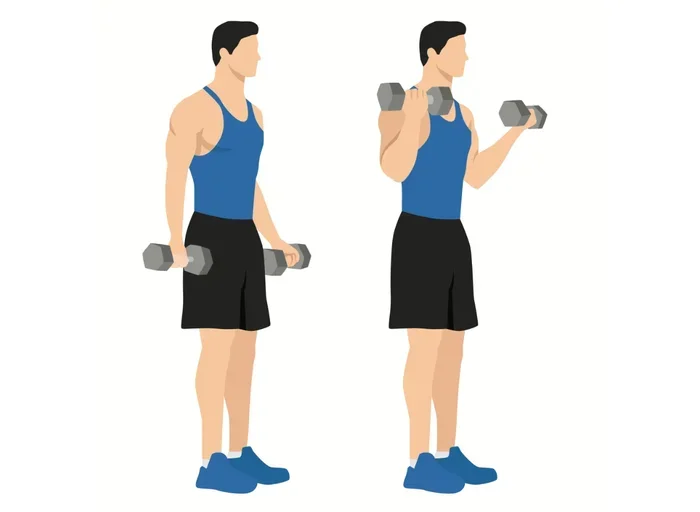
- Dumbbell bicep curls: Good for building arm muscle, but lower calorie burn
- Dumbbell lunges: Excellent for legs and glutes, solid calorie burn
So if your main goal is burning calories with dumbbells, focus on compound exercises. They give you more bang for your buck.
What Affects Calories Burned With Dumbbells?
Several factors influence your dumbbell calorie burn. Understanding these can help you get the most out of every session. Let us break them down.
Your Body Weight
This is the biggest factor. The more you weigh, the more energy your body needs to perform exercises. A 200-pound person will always burn more calories than a 130-pound person doing the same workout. This is not a bad thing. It just means your numbers will be different from someone else’s.
Workout Intensity and Duration
How hard you work and how long you work out both matter a lot. A 60-minute dumbbell workout at high intensity will burn far more calories than a 20-minute light session. If you want to boost your strength training calories, try these tips:
- Shorten your rest periods between sets
- Increase the weight gradually
- Add more reps or sets to your routine
- Use superset training to keep your heart rate up
Rest Periods Between Sets
Resting too long between sets can lower your calorie burn. When you rest, your heart rate drops, and your body uses less energy. Shorter rest periods (30 to 60 seconds) keep your heart rate elevated and boost your metabolic burn dumbbells provide. This is one of the simplest ways to increase the calories you burn.
The Afterburn Effect
Here is something many people do not know. After a tough dumbbell workout, your body keeps burning calories for hours. This is called the afterburn effect or EPOC (Excess Post-Exercise Oxygen Consumption). Your body works hard to recover, repair muscles, and restore energy levels. This means your dumbbell fat burn continues even after you leave the gym.
EPOC dumbbell training is one of the biggest advantages of strength training over steady-state cardio. You get a calorie-burning boost that lasts long after your session ends.
Best Dumbbell Exercises for Maximum Calorie Burn
Some dumbbell exercises are better than others when it comes to burning calories. The ones that work multiple muscle groups at the same time are the champions. Here are the best exercises to include in your dumbbell workout plan.
Compound Movements That Burn the Most
Dumbbell compound exercises are moves that involve two or more joints and work several muscle groups at once. These are your top calorie burners:
- Dumbbell Thrusters — This move combines a squat with an overhead press. It works your legs, shoulders, and core all at once. It is one of the best dumbbell exercises for weight loss.
- Dumbbell Squats — A classic exercise that targets your legs and glutes. Add a press at the top for an extra calorie burn.
- Dumbbell Deadlifts — Works your hamstrings, glutes, and back. It is a powerful move that builds strength and burns calories.
- Dumbbell Renegade Rows — A push-up position with rows. This works your chest, back, core, and shoulders. It is a full-body powerhouse.
- Dumbbell Lunges — Great for your legs and glutes. Walking lunges burn even more because they keep you moving.
These exercises give you the most calories burned per rep. They also help you build lean muscle, which boosts your metabolism over time.
Isolation Exercises and Their Role
Isolation exercises like dumbbell curls or tricep kickbacks do not burn as many calories as compound moves. But they still have a place in your routine. They help you build muscle in specific areas, improve your form, and prevent imbalances. Use them as a supplement to your compound exercises, not a replacement.
Dumbbell Workouts for Different Fitness Levels
Not everyone is at the same fitness level, and that is perfectly fine. The great thing about dumbbells is that they work for beginners and advanced lifters alike. Here is how to structure your dumbbell routine calories based on your level.
Beginner Dumbbell Routine
If you are new to dumbbells, start simple. Focus on learning proper form and building a habit. Here is a good beginner dumbbell workout:
- Dumbbell squats — 3 sets of 10 to 12 reps
- Dumbbell shoulder press — 3 sets of 10 reps
- Dumbbell rows — 3 sets of 10 reps per arm
- Dumbbell lunges — 3 sets of 10 reps per leg
- Rest 60 seconds between sets
This routine will burn roughly 150 to 250 calories in 30 minutes. Do it 3 times per week, and you will see results fast.
Intermediate Dumbbell Workout
Once you are comfortable with the basics, it is time to step things up. Try this intermediate routine:
- Dumbbell thrusters — 4 sets of 12 reps
- Dumbbell deadlifts — 4 sets of 10 reps
- Dumbbell renegade rows — 3 sets of 10 reps
- Dumbbell lunges (walking) — 3 sets of 12 reps per leg
- Rest 45 seconds between sets
This workout will burn about 250 to 350 calories in 30 minutes. The shorter rest periods keep your heart rate up and boost your weight lifting calorie burn.
Advanced Dumbbell Circuit
For advanced lifters, try a circuit-style workout with minimal rest:
- Dumbbell thrusters — 15 reps
- Dumbbell burpee with press — 10 reps
- Dumbbell swing to squat — 15 reps
- Dumbbell renegade row — 10 reps per arm
- Rest 30 seconds, then repeat 4 to 5 rounds
This type of dumbbell HIIT workout can burn 350 to 500 calories in 30 minutes. The high intensity creates a strong afterburn effect that keeps your metabolism elevated for hours.
Remember, how many reps you should do with dumbbells depends on your goals and fitness level. If you are unsure about your rep ranges, check out this guide on how many reps you should do with 5kg dumbbells for helpful tips on building your routine.
Dumbbells vs Other Equipment for Burning Calories
Dumbbells are great, but how do they compare to other popular workout equipment? Let us look at some common comparisons to help you decide what works best for your goals.
Dumbbells vs Treadmill
A treadmill is a solid cardio machine that burns a good number of calories. Running on a treadmill for 30 minutes can burn 250 to 400 calories depending on your pace and weight. But dumbbells offer something a treadmill cannot — they build muscle while you burn calories. This means you get the benefit of muscle building and calorie burn at the same time. A dumbbell workout also has a stronger afterburn effect than a steady treadmill session.
If you want to compare your treadmill burn directly, here is a helpful resource on how many calories you burn on the treadmill.
Dumbbells vs Kettlebells
Kettlebells and dumbbells are both excellent for burning calories with weights. Kettlebell swings, in particular, are known for their high calorie burn. A 20-minute kettlebell session can burn about 200 to 300 calories. Dumbbells offer more variety for targeted muscle work, while kettlebells excel at explosive, full-body movements. Both are great tools, and using them together gives you the best of both worlds.
For more details on kettlebell calorie burn, check out how many calories you burn with kettlebell swings.
Dumbbells vs Stationary Bike
A stationary bike is a low-impact cardio option that burns steady calories. A 30-minute ride can burn 200 to 350 calories depending on intensity. Dumbbells, on the other hand, build muscle and burn calories simultaneously. The resistance training calories you burn with dumbbells come with the added benefit of increased muscle mass, which raises your resting metabolic rate over time.
If you are curious about bike calorie burn, you can read more about how many calories you burn on a stationary bike.
Quick Comparison Table
| Equipment | Calories Burned (30 min) | Builds Muscle? | Afterburn Effect? |
|---|---|---|---|
| Dumbbells | 200 – 400 | Yes | Strong |
| Treadmill | 250 – 400 | Minimal | Moderate |
| Stationary Bike | 200 – 350 | Minimal | Moderate |
| Kettlebells | 200 – 300 | Yes | Strong |
As you can see, dumbbells offer a unique combination of muscle building and calorie burning. They are one of the most efficient tools for overall fitness.
How to Maximize Calorie Burn With Dumbbells
Now that you know the basics, let us talk about how to get the most out of your dumbbell workouts. These practical tips will help you burn more calories and reach your goals faster.
Use Superset Training
Superset training means doing two exercises back to back with no rest in between. This keeps your heart rate elevated and turns your dumbbell workout into a calorie-torching session. For example, pair dumbbell squats with dumbbell shoulder presses. Do one set of each without resting. Then rest 60 seconds and repeat. This simple trick can increase your calorie burn by 20 to 30 percent.
Increase Weight Gradually
Progressive overload is key to burning more calories over time. As your body adapts to a certain weight, the calorie burn goes down. Add weight slowly — just 1 to 2 pounds at a time. This keeps your muscles challenged and your dumbbell routine calories high.
Add Cardio Intervals
You can combine dumbbell exercises with short bursts of cardio for a powerful calorie burn. Try this: do 10 dumbbell squats, then 30 seconds of jumping jacks, then 10 dumbbell presses. Repeat for 15 to 20 minutes. This dumbbell HIIT workout style keeps your body guessing and maximizes your calorie burn in less time.
Focus on Form and Consistency
Proper form helps you get the most out of every rep and reduces your risk of injury. But consistency is what really drives results. Aim for 3 to 4 dumbbell sessions per week. Stick with it, and you will see steady improvements in your strength training calories and overall fitness.
Track Your Progress
Keep a log of your workouts. Write down the exercises, weights, reps, and sets. Over time, you will see patterns in your dumbbell exercise calorie burn. Tracking helps you stay motivated and make smart adjustments to your routine.
Conclusion
How many calories do I burn with dumbbells is a question with a clear answer: it depends on your weight, intensity, and exercise choices. On average, you can expect to burn 200 to 400 calories per hour with a solid dumbbell workout. The beauty of dumbbells is their versatility. They build muscle, burn fat, and give you the flexibility to train anywhere.
Focus on compound movements, keep your rest periods short, and stay consistent with your routine. The afterburn effect from EPOC dumbbell training means you keep burning calories long after your session ends. Whether you are a beginner or an advanced lifter, dumbbells are one of the best tools you can use to reach your calorie-burning and fitness goals.
Start today. Pick up those dumbbells, follow a solid dumbbell workout plan, and watch the results come. Your future self will thank you.
Frequently Asked Questions
How many calories do I burn with 5kg dumbbells?
A 5kg dumbbell workout burns roughly 100 to 200 calories in 30 minutes for most people. The exact number depends on your body weight and how intensely you train. Heavier individuals will burn more, while lighter individuals will burn slightly less. The key is to focus on compound movements and keep rest periods short to maximize your dumbbell workout calories.
How many calories does a 1-hour dumbbell workout burn?
A one-hour dumbbell session can burn between 300 and 600 calories depending on your weight, workout intensity, and the exercises you choose. Compound movements like thrusters and squats burn more calories than isolation exercises. Adding supersets and shorter rest periods can push your burn rate even higher.
Do dumbbells burn belly fat?
Dumbbells do not target belly fat directly, but they help you burn overall body fat through calorie burning and muscle building. When you create a calorie deficit through exercise and diet, your body burns fat from all over, including your midsection. Consistent dumbbell fat burn workouts combined with a healthy diet are the most effective approach.
How many calories do you burn doing dumbbell curls?
Dumbbell curls are an isolation exercise, so they burn fewer calories than compound movements. A set of curls might burn about 30 to 50 calories depending on your weight and intensity. For higher calories burned per rep, pair curls with compound exercises like squats or thrusters in your dumbbell routine calories plan.
Is it better to burn calories with dumbbells or cardio?
Both have unique benefits. Dumbbells build muscle and create a strong afterburn effect, while cardio burns calories during the activity itself. The best approach is to combine both. Use dumbbell compound exercises for muscle building and calorie burn, and add cardio sessions for heart health and additional calorie expenditure.
How often should I do dumbbell workouts to burn calories?
For best results, aim for 3 to 4 dumbbell sessions per week. This gives your muscles enough stimulus to grow and recover while keeping your strength training calories high. Rest days are important for recovery, so make sure you are not training the same muscle groups on consecutive days.