How Many Exercises Can You Do with Dumbbells
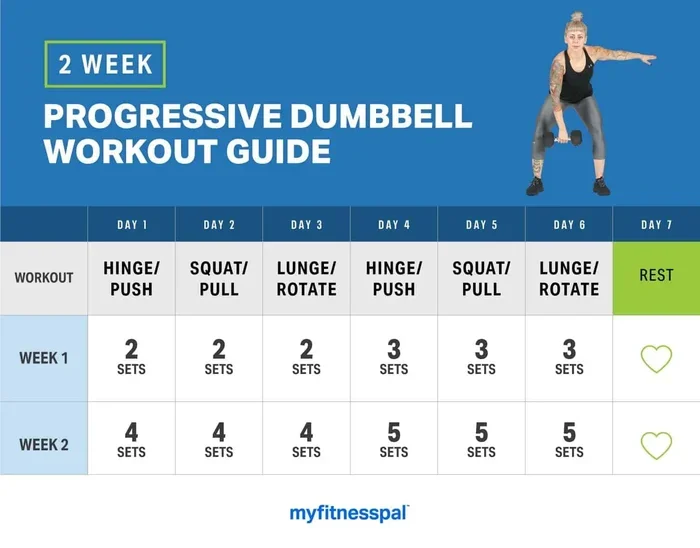
You can do over 100 exercises with a single pair of dumbbells, targeting every major muscle group from your chest and back to your legs and core. Dumbbells are one of the most versatile pieces of workout equipment you can own, making them perfect for home gyms and commercial gyms alike. With the right technique and a solid plan, dumbbells can deliver incredible strength gains, muscle growth, and calorie burning.
Dumbbells sit in a special place in the fitness world. They are simple, affordable, and incredibly effective. Yet many people wonder just how many exercises can you do with dumbbells. The short answer is a lot more than you might think.
A basic set of dumbbells opens up a world of training possibilities. You can work your chest, back, shoulders, arms, legs, and core. Dumbbell exercises range from simple beginner moves to advanced compound movements that challenge even the strongest athletes. In this guide, we will break down exactly how many exercises exist, which muscle groups they target, and how you can build a complete routine using nothing but a pair of dumbbells.
Whether you are setting up a home workout with dumbbells or looking to diversify your gym sessions, this article has you covered. We will walk through every major movement pattern and give you practical advice you can use right away.
Key Takeaways
- Massive Exercise Variety: You can perform well over 100 unique exercises using just dumbbells, covering every muscle group.
- Suitable for All Levels: Whether you are a beginner or an advanced lifter, dumbbell exercises can be scaled to match your fitness level.
- Full-Body Potential: Dumbbells allow you to build a complete workout routine that targets the upper body, lower body, and core.
- Easy to Progress: You can increase difficulty by adjusting weight, reps, sets, or tempo without needing fancy equipment.
- Home-Friendly: A pair of dumbbells takes up minimal space and delivers a comprehensive dumbbell workout at home.
- Joint-Friendly: Dumbbell exercises allow natural movement patterns that are easier on your joints compared to barbell training.
📑 Table of Contents
How Many Exercises Can You Do With Dumbbells?
The number of exercises you can perform with dumbbells is nearly unlimited. When you combine different angles, grips, stances, and tempos, the possibilities grow exponentially. Let us break this down by the major movement patterns so you can see just how versatile dumbbell training really is.
At the most basic level, you can group dumbbell exercises into seven fundamental movement patterns:
- Pressing movements (chest, shoulders, triceps)
- Pulling movements (back, biceps, rear shoulders)
- Squatting movements (quads, glutes, hamstrings)
- Hinge movements (hamstrings, glutes, lower back)
- Lunging movements (legs, glutes, balance)
- Core movements (abs, obliques, lower back)
- Isolation movements (specific muscle targeting)
Within each of these categories, there are multiple variations. For example, a simple chest press alone has over ten different dumbbell variations depending on bench angle, grip position, and tempo. Multiply that across all seven movement patterns, and you quickly see why dumbbell workouts never get boring.
If you are training at home, what exercises can I do with dumbbells at home is a common question. The answer is that a single pair of dumbbells can give you a complete full body workout that rivals any gym setup.
Upper Body Dumbbell Exercises
The upper body is where dumbbells really shine. You can target every muscle from your chest to your fingertips. Let us explore the main areas and the exercises you can perform.
Chest Exercises
Your chest is one of the largest muscle groups, and dumbbells offer fantastic ways to train it. You can do flat presses, incline presses, decline presses, flyes, and squeeze presses. Each variation hits the chest fibers at a slightly different angle. Dumbbell chest exercises also allow a greater range of motion than barbell versions, which can lead to better muscle development over time.
Back Exercises
For your back, dumbbells open up exercises like bent-over rows, single-arm rows, reverse flyes, and upright rows. These moves build thickness and width across your back. A bent-over row with dumbbells is one of the most effective back exercises you can do at home or in the gym.
Shoulder Exercises
Your shoulders respond well to dumbbell presses, lateral raises, front raises, and rear delt flyes. Because dumbbells allow each arm to work independently, they help correct strength imbalances between your left and right sides. Shoulder shrugs with dumbbells are another great option for targeting your trapezius muscles.
Arm Exercises
For your arms, dumbbells are unmatched. You can do bicep curls, tricep extensions, hammer curls, skull crushers, and concentration curls. The ability to isolate each arm means you can focus on weak points and ensure balanced development. Bicep curls with dumbbells are a staple for arm growth and can be done with various grips and tempos.
Lower Body Dumbbell Exercises
Your lower body contains the largest muscles in your body, and dumbbells can train them all effectively. Many people underestimate how much you can do with dumbbell leg exercises, but the results speak for themselves.
Squat Variations
Dumbbell squats come in many forms. You can do goblet squats, dumbbell front squats, dumbbell sumo squats, and Bulgarian split squats. Each variation shifts the emphasis slightly, targeting your quads, glutes, or inner thighs in different ways. Goblet squats with a single dumbbell are particularly popular for beginners because they are easy to learn and highly effective.
Lunges and Step-Ups
Lunges are incredibly versatile with dumbbells. You can perform walking lunges, reverse lunges, lateral lunges, and curtsy lunges. These moves build single-leg strength, improve balance, and develop functional fitness. Step-ups onto a bench with dumbbells are another excellent option for targeting your glutes and quads.
Hip and Glute Exercises
Dumbbell hip thrusts are a powerful glute builder. You can also do Romanian deadlifts, single-leg deadlifts, and lateral band walks with dumbbells for added resistance. These exercises develop your hamstrings and glutes, which are essential for athletic performance and everyday movement.
Core Dumbbell Exercises
Your core is involved in almost every dumbbell exercise, but you can also target it directly. Dumbbell woodchops, dumbbell side bends, and weighted planks are excellent choices. You can also hold a dumbbell during bodyweight movements like crunches and leg raises to increase the challenge. A strong core improves your performance in every other exercise and helps prevent injuries.
Building a Complete Dumbbell Workout Routine
Now that you know the range of exercises available, let us talk about how to put them together into a dumbbell workout routine. A well-structured routine ensures you hit every muscle group without wasting time.
For beginners, a full body dumbbell workout three times per week is ideal. Each session should include:
- A compound pressing movement (dumbbell bench press or overhead press)
- A compound pulling movement (bent-over row or single-arm row)
- A squat or lunge variation (goblet squat or walking lunge)
- A core exercise (woodchop or dumbbell crunch)
This simple structure gives you a complete workout in under 45 minutes. You can rotate different variations of each movement every week to keep your sessions fresh and challenging.
For intermediate and advanced lifters, you can split your dumbbell exercises into upper/lower or push/pull/legs routines. This allows you to train each muscle group more frequently and with greater volume. Can you do a full body workout with just dumbbells? Absolutely, and many people achieve excellent results with nothing but a set of dumbbells.
The key is to focus on progressive overload. This means gradually increasing the weight, reps, or sets over time. Your muscles grow in response to consistent challenge, and dumbbells make this easy because you can always grab a heavier pair or simply add more repetitions.
How Many Sets and Reps Should You Do?
The number of sets and reps depends on your goal. Here is a simple guide:
- Strength: 3-5 sets of 3-6 reps with heavier dumbbells
- Muscle Building: 3-4 sets of 8-12 reps with moderate weight
- Endurance: 2-3 sets of 15-20 reps with lighter dumbbells
- Fat Loss: 3-4 sets of 10-15 reps with moderate weight and shorter rest periods
These ranges are flexible, and you can mix and match based on what feels right for your body. The most important thing is to challenge yourself while maintaining proper form.
Benefits of Training with Dumbbells
Dumbbells offer benefits that other equipment simply cannot match. Here is why they deserve a permanent spot in your training routine.
Unilateral Training
Because each arm works independently with dumbbells, you naturally correct strength imbalances. If your left side is weaker than your right, dumbbells force both sides to work equally. This type of training carries over to real-life movements and sports performance.
Joint-Friendly Movements
Dumbbells allow your joints to move through natural paths. Unlike barbells that lock you into a fixed position, dumbbells let your wrists, elbows, and shoulders find their most comfortable path. This makes dumbbell training a great option for people with joint issues or those recovering from injuries.
Space and Cost Efficiency
A pair of adjustable dumbbells can replace an entire gym rack. They take up minimal space in a home gym and are far more affordable than buying multiple pieces of machines. If you are wondering whether you can build a good body with just dumbbells, the answer is a resounding yes.
Versatility and Convenience
Dumbbells allow you to train anywhere at any time. You do not need cables, machines, or a spotter. A quick dumbbell workout at home can be just as effective as a gym session if you plan it well.
How to Choose the Right Dumbbell Weight
Selecting the proper weight is crucial for getting the most out of your dumbbell exercises. Too light, and you will not challenge your muscles enough. Too heavy, and you risk poor form and injury.
A good rule of thumb is to choose a weight that allows you to complete your target reps with about 2-3 reps in reserve. This means you should feel challenged but not completely exhausted by the last rep. If you can easily do more than your target reps, increase the weight slightly.
For compound movements like squats and presses, you will use heavier dumbbells. For isolation movements like lateral raises and curls, you will use lighter weights. How do you know what weight dumbbells to use is a question every lifter asks at some point, and the answer comes down to honest self-assessment and progressive challenge.
As a beginner, start lighter than you think you need to. Focus on mastering the movement pattern before adding weight. You can always increase the load in small increments as your strength improves.
Common Mistakes to Avoid with Dumbbell Training
Even with the best intentions, it is easy to make mistakes when training with dumbbells. Here are the most common ones and how to avoid them.
- Using too much weight: Sacrificing form for heavier dumbbells leads to injuries and poor muscle activation. Always prioritize technique over load.
- Skipping warm-ups: Your joints and muscles need preparation before lifting. Spend 5-10 minutes doing light cardio and dynamic stretches before your dumbbell workout.
- Ignoring the eccentric phase: Lowering the dumbbells slowly and with control is just as important as lifting them. This phase builds more muscle and strength.
- Trainings the same way every session: Your body adapts quickly. Change your exercises, angles, rep ranges, or tempos every few weeks to keep making progress.
- Neglecting rest days: Muscles grow during recovery, not during the workout itself. Make sure you are giving each muscle group 48 hours of rest between sessions.
Avoiding these mistakes will help you stay consistent, prevent injuries, and get better results from your dumbbell training over the long term.
Frequently Asked Questions About Dumbbell Exercises
Here are some of the most common questions people ask about training with dumbbells.
Can You Get a Good Workout with Just Dumbbells?
Absolutely. A pair of dumbbells is all you need for an effective full-body workout. You can target every major muscle group with pressing, pulling, squatting, and hinging movements. Many people build impressive physiques using nothing but dumbbells and their own bodyweight.
How Many Different Dumbbell Exercises Are There?
There are well over 100 distinct dumbbell exercises when you factor in all movement patterns, angles, grips, and stances. Even focusing on just the most effective ones, you can easily have 30-50 core exercises that cover your entire body. Adding variations and tempo changes expands this number even further.
Can Beginners Start with Dumbbells?
Yes, dumbbells are one of the best tools for beginners. They are easy to learn, allow for natural movement patterns, and can be adjusted to match your current strength level. Start with lighter weights, focus on form, and gradually increase the load as you get stronger.
How Often Should I Train with Dumbbells?
For most people, training with dumbbells 3-5 times per week works well. Beginners may start with 3 full-body sessions per week, while more advanced lifters can split their routines into upper/lower or push/pull/legs. Whatever frequency you choose, make sure you are allowing enough rest between sessions for recovery.
What Dumbbell Exercises Burn the Most Calories?
Compound movements like dumbbell thrusters, goblet squats, and bent-over rows burn the most calories because they engage multiple muscle groups simultaneously. Pairing these exercises with shorter rest periods creates a calorie-burning effect similar to cardio while still building strength and muscle.
Can I Build Muscle with Light Dumbbells?
Yes, you can build muscle with light dumbbells if you use higher reps, slower tempos, and shorter rest periods. Muscle growth responds to tension and effort, not just heavy weight. Light dumbbells can also be great for toning and endurance training.
Final Thoughts
The answer to how many exercises you can do with dumbbells is far more than most people realize. From your chest and back to your legs and core, a simple pair of dumbbells can deliver a complete and effective workout. The versatility of dumbbell training makes it accessible for beginners and challenging enough for advanced lifters.
Whether you are working out at home or in the gym, dumbbells give you the freedom to train every muscle group with countless exercise variations. You can build strength, burn fat, and improve your overall fitness with nothing more than a set of dumbbells and a solid plan.
Start with the basic movement patterns, focus on proper form, and progressively challenge yourself over time. The world of dumbbell exercises is wide open, and the results you can achieve are truly impressive. Pick up those dumbbells and get started today.