Can You Build Muscle at Home with Dumbbells
Yes, you absolutely can build muscle at home with dumbbells. With the right dumbbell exercises, a solid home workout plan, and consistent effort, you can achieve serious muscle growth without ever stepping foot in a gym. This guide covers everything you need to know, from choosing the right weight to structuring a proven dumbbell workout routine.
Can you build muscle at home with dumbbells? The short answer is a resounding yes. Whether you have a spare room or just a corner of your living space, a pair of dumbbells opens up a world of strength training possibilities. Thousands of people have transformed their bodies using nothing more than dumbbells and a little bit of dedication.
The idea that you need a fancy gym full of machines to get big and strong is a myth. Home workouts with dumbbells can be just as effective as gym sessions when you know what you are doing. This article will walk you through the science, the strategies, and the practical steps to start building muscle from the comfort of your own home.
If you have been wondering whether your dumbbells can actually deliver real results, keep reading. By the end of this guide, you will have a clear roadmap to follow. You will know exactly what exercises to do, how often to train, and how to keep making progress over time.
Key Takeaways
- Dumbbells are enough: You can build significant muscle using just dumbbells at home with proper technique and consistency.
- Progressive overload matters: Gradually increasing weight or reps is the key to continuous muscle growth.
- Compound movements are king: Exercises like squats, presses, and rows target multiple muscle groups for maximum results.
- Recovery is non-negotiable: Muscles grow during rest, so sleep and nutrition matter just as much as your workouts.
- Beginners see fast gains: New lifters can build noticeable muscle within weeks using a simple dumbbell routine.
- You don’t need expensive equipment: A pair of adjustable dumbbells can replace an entire home gym setup.
📑 Table of Contents
- Why Dumbbells Are Great for Building Muscle at Home
- How to Build Muscle at Home with Dumbbells
- Best Dumbbell Exercises for Each Muscle Group
- How Heavy Should Your Dumbbells Be?
- Common Mistakes to Avoid When Training at Home
- Quick Tips for Faster Muscle Growth at Home
- Can You Get a Full Body Workout With Just Dumbbells?
- Conclusion
Why Dumbbells Are Great for Building Muscle at Home
Dumbbells are one of the most versatile pieces of equipment you can own. They are affordable, space-efficient, and incredibly effective for muscle building. Unlike machines that lock you into a fixed path, dumbbells let your joints move freely, which reduces injury risk and engages more stabilizer muscles.
Versatility and Range of Motion
With a single pair of dumbbells, you can work virtually every muscle in your body. From your chest and back to your legs and shoulders, dumbbell exercises offer a full range of motion that machines simply cannot match. This natural movement pattern helps you build functional strength that carries over into everyday life.
Space and Cost Efficiency
A pair of adjustable dumbbells takes up barely any space. You can store them under a bed, in a closet, or in a small home gym corner. Compared to a gym membership or a full home gym setup, dumbbells are incredibly budget-friendly. You get a full-body workout without breaking the bank.
Want to explore alternatives? Check out what you can use instead of dumbbells at home if you ever need options beyond traditional weights.
How to Build Muscle at Home with Dumbbells
Building muscle at home follows the same fundamental principles as training in a gym. You need to challenge your muscles, feed them properly, and give them time to recover. Here is how to put it all together.
Follow Progressive Overload
The most important rule in muscle building is progressive overload. This means gradually making your workouts harder over time. You can do this by adding more weight, doing more reps, or increasing your sets. Your muscles only grow when they are forced to adapt to new demands.
Start with a weight that challenges you in the 8 to 12 rep range. When you can comfortably complete all sets, increase the weight slightly. This steady progression is what drives muscle growth over weeks and months.
Structure Your Weekly Routine
A good dumbbell workout routine at home should hit all major muscle groups. You do not need to train every day. Three to four sessions per week is plenty for most people. Here is a simple weekly split to follow:
- Day 1: Upper body (chest, shoulders, triceps)
- Day 2: Lower body (quads, hamstrings, glutes, calves)
- Day 3: Rest or light cardio
- Day 4: Back and biceps
- Day 5: Full body circuit
This balanced approach ensures every muscle group gets enough attention without overtraining. You can find more detailed guidance on how to build muscle at home with only dumbbells for a deeper dive into programming.
Focus on Compound Movements
Compound exercises work multiple muscle groups at once. They are the foundation of any effective home workout. These movements recruit more muscle fibers, burn more calories, and trigger greater hormonal responses for growth.
Some of the best compound dumbbell exercises include:
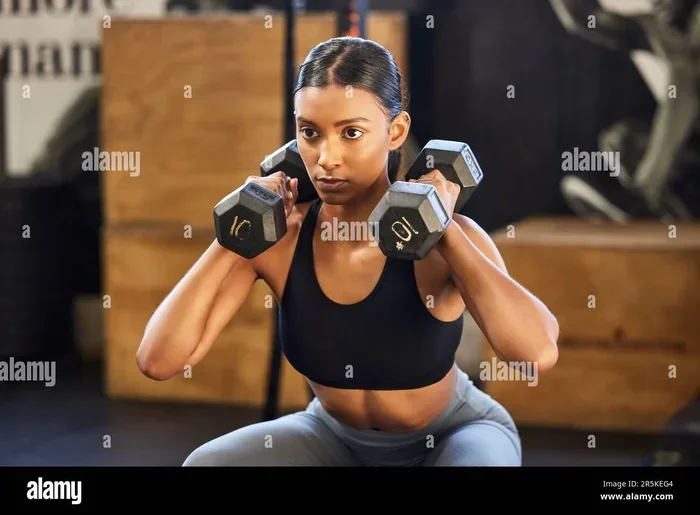
- Dumbbell Squats: Targets quads, glutes, and core
- Dumbbell Bench Press: Works chest, shoulders, and triceps
- Dumbbell Rows: Builds back and bicep strength
- Dumbbell Shoulder Press: Hits all three deltoid heads
- Dumbbell Deadlifts: Engages hamstrings, glutes, and lower back
Master these foundational movements before adding isolation exercises. A solid base of compound lifts will accelerate your muscle building journey significantly.
Best Dumbbell Exercises for Each Muscle Group
To build a well-rounded physique, you need to train every major muscle group. Here are the top dumbbell exercises organized by body part.
Chest
The chest responds well to pressing movements. Try dumbbell bench presses, dumbbell flyes, and push-ups with dumbbells for added resistance. These exercises build a thicker, stronger chest over time.
Back
Dumbbell rows, single-arm rows, and dumbbell pullovers are excellent for back development. Focus on squeezing your shoulder blades together during each rep to maximize muscle engagement.
Legs
Do not skip leg day just because you are at home. Dumbbell squats, lunges, step-ups, and Romanian deadlifts build powerful legs. Your lower body contains the largest muscles in your body, so training them drives overall growth and boosts metabolism.
For more leg-specific guidance, check out how to build leg muscles at home with dumbbells.
Arms
Bicep curls, tricep extensions, and hammer curls isolate the arm muscles perfectly. These dumbbell exercises add size and definition to your upper arms when performed with controlled form and full range of motion.
Shoulders
Overhead presses, lateral raises, and front raises target all three heads of the deltoids. Strong shoulders improve your overall physique and support healthy posture for daily activities.
How Heavy Should Your Dumbbells Be?
Choosing the right dumbbell weight is crucial for making progress. If your weights are too light, your muscles will not be challenged enough to grow. If they are too heavy, you risk injury and poor form.
As a general rule, select a weight that makes the last two reps of each set feel challenging but doable. For muscle building, the sweet spot is typically 8 to 15 reps per set. You should feel your muscles working hard by the final reps.
If you are unsure about your starting weight, read this detailed guide on how heavy your dumbbells should be to build muscle. It covers everything from beginner weights to advanced loading strategies.
| Fitness Level | Recommended Weight Range | Rep Range for Growth |
|---|---|---|
| Beginner | 10-20 lbs per dumbbell | 10-15 reps |
| Intermediate | 20-40 lbs per dumbbell | 8-12 reps |
| Advanced | 40-50+ lbs per dumbbell | 6-10 reps |
Remember, these are starting points. Adjust based on how your body responds. The key is to keep challenging yourself over time.
Common Mistakes to Avoid When Training at Home
Training at home comes with unique challenges. Here are the most common mistakes that hold people back from building muscle.
Skipping Warm-Ups
Cold muscles are injury-prone muscles. Always spend 5 to 10 minutes warming up before your dumbbell workout. Light cardio, dynamic stretches, or a few warm-up sets with lighter weights prepare your body for the work ahead.
Using Poor Form
Lifting with bad form is a fast track to injury and wasted effort. Focus on controlled movements rather than swinging heavy weights. If you are unsure about proper technique, watch reputable coaching videos or consult a qualified trainer. Quality always beats quantity when it comes to strength training.
Neglecting Legs and Back
Many home lifters over-focus on mirror muscles like the chest and biceps. This creates imbalances and limits overall growth. Train your legs and back with the same intensity as your chest and arms for a balanced, strong physique.
Not Eating Enough
Exercise stimulates muscle growth, but nutrition fuels it. You need to eat enough protein and calories to support recovery and growth. Aim for 0.7 to 1 gram of protein per pound of body weight daily. Pair this with whole foods, healthy fats, and complex carbohydrates.
Overtraining Without Rest Days
Muscles do not grow during your workout. They grow during rest. Training the same muscles every single day without recovery will lead to burnout and stalled progress. Schedule rest days and prioritize sleep for optimal results.
Quick Tips for Faster Muscle Growth at Home
Want to speed up your results? Here are some practical tips that make a real difference:
- Train consistently: Stick to your schedule. Consistency beats perfection every time.
- Keep a workout log: Track your weights, reps, and sets to ensure you are progressing.
- Use tempo training: Slow down the eccentric (lowering) phase of each rep for greater muscle tension.
- Stay hydrated: Drink plenty of water before, during, and after your workouts.
- Get 7-9 hours of sleep: Sleep is when your body repairs and builds new muscle tissue.
- Eat protein within 2 hours post-workout: This timing supports muscle recovery and growth.
Looking for more workout ideas? Explore what exercises you can do with dumbbells at home for a comprehensive list of movements you can add to your routine.
Can You Get a Full Body Workout With Just Dumbbells?
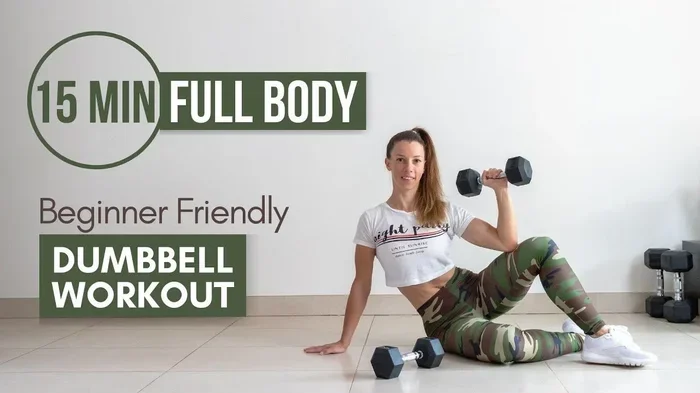
Absolutely. A full body workout with dumbbells is one of the most efficient ways to train at home. You do not need a separate gym or multiple pieces of equipment. A well-designed dumbbell session can target every major muscle group in 45 to 60 minutes.
A typical full body routine might include dumbbell squats, bench presses, rows, shoulder presses, lunges, and curls. Perform 3 to 4 sets of each exercise with 60 to 90 seconds of rest between sets. This style of training builds strength, burns fat, and promotes muscle growth simultaneously.
For those interested in exploring whether dumbbells alone can handle a complete training program, visit can you do a full workout with just dumbbells for detailed programming advice.
Conclusion
Building muscle at home with dumbbells is not only possible, it is highly effective. You do not need a gym membership, expensive equipment, or fancy machines. A pair of dumbbells, a solid plan, and consistent effort are all you need to build real muscle and transform your body.
Focus on compound movements, apply progressive overload, eat enough protein, and prioritize recovery. These simple principles work whether you are a complete beginner or an experienced lifter training at home. The freedom and convenience of home training mean you can show up every day without excuses.
Start today. Grab your dumbbells, follow the plan laid out in this guide, and commit to the process. Your stronger, more muscular self is waiting. The only thing standing between you and your goals is the decision to begin.
Frequently Asked Questions
Can beginners build muscle at home with dumbbells?
Yes, beginners can build muscle at home with dumbbells faster than almost any other group. Your body responds quickly to new stimuli, and even light dumbbells can trigger significant muscle growth when you train consistently and eat properly.
How long does it take to see results from dumbbell workouts at home?
Most beginners notice visible changes within 4 to 8 weeks of consistent training. Strength improvements often come even sooner, sometimes within the first two weeks. Patience and consistency are the keys to long-term muscle building success.
Do I need expensive dumbbells to build muscle?
No, you do not need expensive dumbbells. A basic pair of adjustable dumbbells or even fixed-weight dumbbells works perfectly for home strength training. Focus on progressive overload rather than the price tag on your weights.
Can women build muscle at home with dumbbells?
Absolutely. Women respond very well to dumbbell exercises for building strength, toning, and improving body composition. The same principles of progressive overload and consistent training apply regardless of gender.
How many days per week should I train with dumbbells at home?
Three to four days per week is ideal for most people training at home. This frequency provides enough stimulus for muscle growth while allowing adequate recovery time between sessions for optimal results.
What is the best dumbbell exercise for overall muscle growth?
The dumbbell squat is widely considered the best single exercise for overall muscle growth. It targets the legs, glutes, and core while also triggering a strong hormonal response that supports full-body strength training and muscle development.