How Long Should You Jump Rope a Day
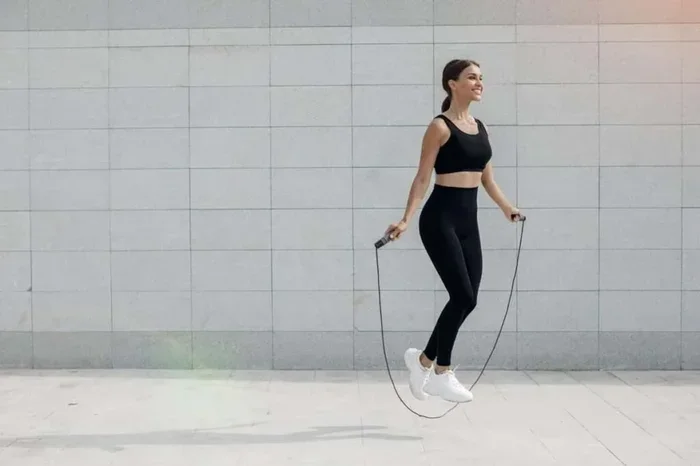
So, how long should you jump rope a day? The sweet spot is 15 to 30 minutes for most people, but your ideal duration depends on your fitness level, goals, and experience. Whether you want to lose weight, boost cardio health, or build coordination, the right jump rope session length makes all the difference. This guide breaks down everything from beginner routines to advanced workouts so you can train smarter and see real results.
Jumping rope is one of the simplest and most effective exercises you can do. All you need is a rope and a small patch of floor. Yet so many people get confused about how long should you jump rope a day. Should you go for 10 minutes? An hour? The answer depends on several factors, and this guide will walk you through all of them.
Whether you are a complete beginner or a seasoned fitness enthusiast, finding the right jump rope duration can make or break your progress. Too little, and you will not see results. Too much, and you risk injury or burnout. This article gives you a clear, science-backed roadmap to structure your daily jump rope workout the right way.
We will cover everything from beginner routines to advanced training plans. You will also learn how to track your progress, avoid common mistakes, and get the most out of every session. By the end, you will know exactly how to build a daily routine that fits your lifestyle and goals.
Key Takeaways
- 15 to 30 minutes daily is the recommended jump rope duration for most adults looking to improve fitness and burn calories.
- Beginners should start with 5 to 10 minutes and gradually increase the length of their sessions over several weeks.
- Jump rope for weight loss works best when combined with a balanced diet and consistent daily routine.
- Splitting your session into intervals (like 1 minute on, 30 seconds off) boosts endurance and calorie burn.
- Your fitness level and goals should always dictate how long you jump rope each day, not someone else’s routine.
- Rest days matter — jumping rope every single day without recovery can lead to joint strain and burnout.
- Quality over quantity — proper form and consistent technique matter more than chasing long durations too soon.
📑 Table of Contents
- Why Jump Rope Duration Matters
- How Long Should You Jump Rope A Day Based on Your Level
- How Long Should You Jump Rope A Day for Weight Loss
- Factors That Affect Your Ideal Jump Rope Duration
- Common Mistakes People Make With Jump Rope Duration
- Expert Tips to Maximize Your Daily Jump Rope Sessions
- How to Track Your Progress and Stay Consistent
- Conclusion
Why Jump Rope Duration Matters
The length of your daily jump rope session directly affects your results. Jumping rope is a high-intensity cardio exercise that elevates your heart rate quickly. The duration you choose determines whether you are building endurance, burning fat, or improving coordination.
Short sessions of 10 to 15 minutes can still deliver impressive health benefits. Studies show that even brief bouts of rope skipping improve cardiovascular fitness and mood. Longer sessions of 30 minutes or more push your body into deeper calorie-burning zones and build serious stamina.
The key is matching your session length to your current fitness level. A beginner jumping for 30 minutes straight will likely quit within a week. An advanced athlete doing only 5 minutes will not see much progress. This is why understanding your own needs is the first step toward building a sustainable routine.
How Your Body Responds to Jump Rope Sessions
When you start jumping, your body uses stored energy to fuel your muscles. Within the first few minutes, your heart rate climbs and your breathing quickens. This is your cardiovascular system waking up and adapting to the demand.
After about 10 minutes, your body starts burning a higher percentage of fat for fuel. Around the 15 to 20-minute mark, your endurance improves and your muscles become more efficient. This is why most experts recommend staying in the 15 to 30-minute range for general fitness.
If you are jumping for weight loss, longer sessions can increase your total calorie burn. However, quality matters more than sheer time. A focused 20-minute session with good form beats a sloppy 40-minute one every time.
How Long Should You Jump Rope A Day Based on Your Level
Not everyone should jump rope for the same amount of time. Your fitness level, age, and goals all play a role in determining the right daily jump rope duration. Here is a practical breakdown based on experience level.
Beginner: 5 to 15 Minutes Per Day
If you are just starting out, keep your sessions short and manageable. Jumping rope for beginners should feel challenging but not exhausting. Start with 5 minutes of continuous jumping, then rest for 30 seconds. Repeat this cycle two or three times.
As your coordination improves, slowly add more minutes each week. Within a month, you should be able to comfortably jump for 15 minutes straight. For more detailed guidance on starting out, check out our article on how long should you jump rope for a beginner.
Focus on building a habit first. Consistency matters far more than duration at this stage. Even 5 minutes a day is better than skipping a 30-minute session because it felt too hard.
Intermediate: 15 to 25 Minutes Per Day
Once you can comfortably jump for 15 minutes, it is time to push further. Intermediate jumpers should aim for 15 to 25 minutes per session. This is where you start seeing real improvements in endurance, coordination, and calorie burn.
Try mixing up your pace during the session. Jump fast for one minute, then slow down for 30 seconds. This interval training approach keeps your heart rate elevated and maximizes the benefits of your jump rope exercise.
At this level, you can also experiment with different styles like double unders or criss-cross jumps. These variations add intensity without needing to extend your session length. For more tips on structuring your sessions, visit our guide on how many minutes a day should you jump rope.
Advanced: 25 to 45 Minutes Per Day
Experienced jumpers can handle longer sessions of 25 to 45 minutes. At this level, your body is well-adapted to the impact and your endurance is strong. Advanced users often use jump rope as a warm-up or as a standalone cardio workout.
Advanced routines often include complex footwork patterns, high-intensity intervals, and timed challenges. These push your jump rope fitness to new heights. However, even advanced athletes should listen to their body and take rest days when needed.
For more on how frequency plays into your routine, check out how many times should you jump rope a day to find the right balance between volume and recovery.
How Long Should You Jump Rope A Day for Weight Loss
Many people start jumping rope because they want to burn fat and lose weight. The good news is that jump rope for weight loss is one of the most efficient exercises you can choose. But how long should each session be to maximize fat loss?
A 155-pound person burns roughly 300 calories in 30 minutes of moderate jump rope. That is more than many common cardio exercises like jogging or cycling. To see real weight loss results, aim for at least 20 to 30 minutes per day, five days a week.
However, duration alone will not do the job. You also need to pay attention to your diet and overall activity level. Jumping rope creates a calorie deficit, but only when combined with healthy eating habits. Think of it as a powerful tool in your weight loss toolkit, not a magic solution on its own.
For more specific guidance on using jump rope for fat loss, check out our article on how long should you jump rope to lose weight.
Creating a Jump Rope Routine for Fat Burning
Structure your fat-burning jump rope session using this simple framework:
- Minutes 1 to 5: Warm up with light, easy jumps. Focus on rhythm and breathing.
- Minutes 5 to 20: Increase your pace. Try alternating between fast and moderate intervals.
- Minutes 20 to 25: Push your intensity with double unders or high-knee jumps.
- Minutes 25 to 30: Cool down with slow, controlled jumps and gentle stretching.
This structure keeps your body guessing and prevents it from adapting to a single pace. The result is a higher overall calorie burn and better cardiovascular conditioning.
Factors That Affect Your Ideal Jump Rope Duration
There is no one-size-fits-all answer to how long should you jump rope a day. Several personal factors influence the right duration for you. Understanding these will help you customize your routine effectively.
| Factor | How It Affects Duration |
|---|---|
| Fitness Level | Beginners need shorter sessions; advanced users can handle longer ones. |
| Age | Older adults may need more recovery time between sessions. |
| Weight Loss Goals | Longer sessions burn more calories and support fat loss. |
| Joint Health | People with knee or ankle issues should keep sessions shorter and use proper shoes. |
| Schedule | Shorter, consistent sessions fit better into busy lifestyles than long sporadic ones. |
| Recovery Ability | Your body needs rest to repair muscles and prevent overuse injuries. |
Use this table as a starting point, then adjust based on how your body responds. Pay attention to signs like excessive soreness, fatigue, or joint pain. These are clear signals that you may need to shorten your sessions or take an extra rest day.
Common Mistakes People Make With Jump Rope Duration
Even with the best intentions, many people make mistakes when deciding how long to jump rope. Avoiding these pitfalls will save you time, frustration, and potential injury.
Starting Too Long Too Soon
The most common mistake is jumping for too long on day one. Your muscles, joints, and cardiovascular system need time to adapt. Starting with a 30-minute session as a complete beginner is a recipe for soreness and quitting. Always start small and build up gradually.
Skipping Warm-Ups and Cool-Downs
Some people jump straight into intense rope skipping without warming up. This increases the risk of muscle strains and joint injuries. Always spend 3 to 5 minutes warming up before your main jump rope session and 3 to 5 minutes cooling down afterward.
Ignoring Rest Days
Jumping rope every single day without rest can lead to overuse injuries, especially in the calves, ankles, and knees. Your muscles need time to recover and grow stronger. Aim for at least one or two rest days per week, especially when you are just starting out.
Chasing Duration Over Quality
It is tempting to focus on how many minutes you spent jumping. But poor form, sloppy technique, and distracted jumping waste your time. Focus on maintaining good posture, consistent rhythm, and proper breathing throughout every session.
Expert Tips to Maximize Your Daily Jump Rope Sessions
Getting the most out of your daily routine goes beyond just setting a timer. These expert-backed tips will help you improve faster and enjoy the process more.
Use a Timer or App
Tracking your sessions helps you stay consistent and measure progress over time. Use a simple timer app on your phone or a fitness watch to log your jump rope minutes. Seeing your numbers grow week after week is incredibly motivating.
Invest in a Good Rope
A quality jump rope makes a huge difference in comfort and efficiency. Choose a rope that matches your height and skill level. For guidance on selecting the right length, see our article on how long of a jump rope should I get.
Mix Up Your Routine
Doing the exact same jump routine every day gets boring fast. Mix in different styles like single jumps, side-to-side hops, and alternating foot steps. Variety keeps your workouts engaging and challenges different muscle groups.
Listen to Your Body
This is the single most important tip. If you feel pain (not just discomfort), stop and rest. If you feel exhausted, take an extra day off. Your body knows what it needs, and learning to listen is the key to long-term fitness success.
How to Track Your Progress and Stay Consistent
Consistency is the secret ingredient behind every fitness transformation. But staying consistent over weeks and months is easier said than done. Here are practical strategies to keep your daily jump rope habit on track.
First, set a specific daily goal. Instead of saying “I will jump rope today,” say “I will jump for 20 minutes today.” Specific goals are easier to follow and measure. Second, track your sessions in a journal or app. Watching your progress builds momentum and accountability.
Third, tie your jump rope session to an existing habit. Maybe you jump right after your morning coffee or before your evening shower. Habit stacking makes it much harder to skip a day. Finally, celebrate small wins. Hit a new duration milestone? Treat yourself to something you enjoy. Positive reinforcement keeps you coming back.
Remember, the best routine is the one you actually stick with. A 15-minute session you do every day will always beat a 45-minute session you do once a week.
Conclusion
So, how long should you jump rope a day? The answer is clear: 15 to 30 minutes for most people, adjusted based on your fitness level and goals. Beginners should start with just 5 to 10 minutes and build up gradually. Intermediate and advanced users can push toward 25 or even 45 minutes per session.
The real magic happens when you combine the right duration with consistency, proper form, and a healthy lifestyle. Jump rope is a versatile, efficient, and fun way to improve your fitness, burn calories, and boost your overall health. Start today, stay patient, and trust the process. Your body will thank you.
Frequently Asked Questions
Is 15 minutes of jump rope a day enough?
Yes, 15 minutes a day is enough for most beginners and intermediate exercisers. It provides solid cardiovascular benefits, burns calories, and builds endurance over time. Consistency matters more than duration, so stick with it daily.
Can I jump rope for 60 minutes every day?
While some advanced athletes can handle 60-minute sessions, it is not recommended for most people. Extended daily jumping increases the risk of joint strain, shin splints, and overuse injuries. Start with 15 to 30 minutes and gradually increase only if your body feels ready.
What is the best time of day to jump rope?
The best time is whenever you can be consistent. Some people prefer morning jumps to energize their day, while others like evening sessions to decompress. Choose a time that fits your schedule and allows you to show up regularly.
How long should a beginner jump rope per session?
Beginners should start with 5 to 10 minutes per session and gradually increase. Focus on building coordination and stamina before extending the duration. For a detailed beginner plan, check out our guide on how long should you jump rope for a beginner.
Does jump rope burn belly fat specifically?
No exercise targets fat loss in a specific area. However, jump rope cardio burns overall body fat, including belly fat, when combined with a calorie-controlled diet. The high intensity of rope skipping makes it an efficient full-body fat-burning workout.
Should I jump rope every day or take rest days?
Taking rest days is important, especially for beginners. Aim for 5 to 6 days per week with at least one or two rest days. Rest allows your muscles and joints to recover, which prevents injury and supports long-term progress.