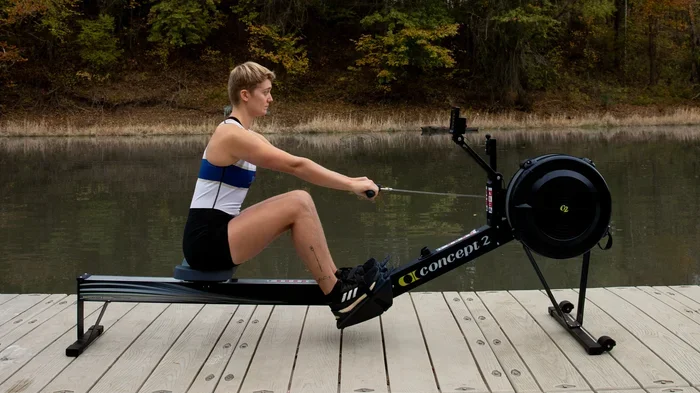
Is a Rowing Machine Good for Weight Loss

Yes, a rowing machine is excellent for weight loss. It burns calories fast, engages your entire body, and is gentle on your joints. Using a rowing machine regularly can help you shed fat, build muscle, and boost your metabolism. The key is consistency, proper form, and pairing your workouts with a healthy diet.
A rowing machine is one of the most underrated tools for shedding extra pounds. Many people overlook it because they think it only works the arms. But that could not be further from the truth. A rowing machine engages your legs, back, core, and arms all at once. This makes it a powerhouse for anyone serious about weight loss.
If you have been searching for a workout that burns fat without wrecking your knees, a rowing machine might be exactly what you need. It is simple to use, requires minimal space, and delivers results fast. In this article, we will explore everything you need to know about using a rowing machine for weight loss. You will learn how it works, how many calories you can burn, and how to build a routine that actually sticks.
Key Takeaways
- Full-Body Workout: A rowing machine works over 80% of your muscles, making it one of the most efficient tools for burning calories.
- High Calorie Burn: You can burn 400 to 800 calories per hour depending on intensity and body weight.
- Low Impact: Unlike running, rowing is easy on your joints, making it great for beginners or those with injuries.
- Boosts Metabolism: Regular rowing sessions can increase your metabolic rate long after you finish exercising.
- Consistency Matters: Rowing 3 to 5 times per week for 20 to 40 minutes delivers the best weight loss results.
- Proper Form Is Key: Using the correct technique prevents injury and maximizes the effectiveness of each stroke.
📑 Table of Contents
How a Rowing Machine Helps You Lose Weight
Understanding how a rowing machine supports weight loss starts with knowing what happens inside your body during a workout. Rowing is a cardiovascular exercise that raises your heart rate and pushes your muscles to work harder. When your body works this hard, it needs fuel. That fuel comes from stored calories, which means you burn fat.
The Science Behind Calorie Burning
Every movement on a rowing machine requires energy. Your legs push, your arms pull, and your core stabilizes. This coordinated effort uses more muscles than most exercises. The more muscles you engage, the more calories you burn. Studies show that a vigorous rowing session can burn between 400 and 800 calories per hour. That is a serious number for a single workout.
What makes rowing even better is the afterburn effect. After a tough session, your body continues to burn calories at an elevated rate. This is called excess post-exercise oxygen consumption, or EPOC. Your metabolism stays elevated for hours after you stop rowing. This means you are still losing weight even while resting on your couch.
Full Body Engagement for Maximum Fat Loss
One of the biggest advantages of a rowing machine is that it works your entire body. Let us break this down:
- Legs: Your quads, hamstrings, and glutes do the heavy lifting during the drive phase.
- Back and Arms: Your lats, rhomboids, biceps, and forearms pull the handle toward you.
- Core: Your abs and obliques stabilize your torso throughout every stroke.
- Heart and Lungs: Your cardiovascular system works overtime to supply oxygen to all those muscles.
Because so many muscle groups are working together, your body burns more energy than it would during a machine that only targets one area. This is why how good a rowing machine is for weight loss comes up so often in fitness discussions. The numbers speak for themselves.
How Long Should You Row for Weight Loss?
The amount of time you spend on a rowing machine directly affects your results. But more time does not always mean better results. Quality and consistency matter just as much as duration.
Beginner Rowing Routine
If you are new to rowing, start with 15 to 20 minutes per session. Focus on learning the proper rowing technique before pushing intensity. Three sessions per week is a great starting point. As your endurance improves, gradually increase your time to 30 or 40 minutes.
Intermediate and Advanced Routines
Once you are comfortable, aim for 30 to 45 minutes of rowing per session. You can increase this to five or six days per week. For faster results, try mixing in intervals. Alternate between one minute of hard rowing and one minute of easy rowing. This type of HIIT workout on a rowing machine torches calories and keeps your metabolism elevated long after you finish.
For a more detailed breakdown of time recommendations, check out how long to use a rowing machine for weight loss. It offers a great guide for building a routine that fits your schedule.
How Often Should You Row Each Week?
For steady weight loss, rowing three to five times per week is ideal. This gives your body enough stimulus to burn fat while allowing adequate recovery. On rest days, you can complement your rowing with light walking or stretching. The goal is to stay active without overtraining.
Rowing Machine vs Other Cardio Machines for Weight Loss
Not all cardio machines are created equal. Let us compare a rowing machine to some popular alternatives:
| Machine | Calories Burned (per hour) | Muscles Worked | Impact on Joints |
|---|---|---|---|
| Rowing Machine | 400 – 800 | 86% of body | Very Low |
| Treadmill | 600 – 1000 | Lower body | High |
| Stationary Bike | 400 – 700 | Lower body | Very Low |
| Elliptical | 450 – 750 | Lower body | Low |
As you can see, the rowing machine stands out for its ability to work nearly your entire body while being gentle on your joints. A treadmill may burn slightly more calories, but it puts a lot of stress on your knees and ankles. A stationary bike targets only your lower body. The rowing machine gives you the best of both worlds: high calorie burn and full-body engagement with minimal joint stress.
Common Mistakes That Slow Down Weight Loss
Even the best exercise routine can fall flat if you make avoidable mistakes. Here are some common errors people make when using a rowing machine for weight loss:
Using Only Your Arms
This is the number one mistake beginners make. They yank the handle with their arms and forget about their legs. The power of a rowing stroke comes from your legs pushing first, then your core rotating, and finally your arms pulling. If you skip the leg drive, you burn fewer calories and increase your risk of arm and shoulder strain.
Rounding Your Back
Keeping your back straight is essential. When you hunch over the handle, you put unnecessary pressure on your lower back. This not only reduces the effectiveness of the exercise but also increases the risk of injury. Engage your core and keep your posture tall throughout every stroke.
Rowing Too Fast Without Control
Speed does not always equal results. Many people rush through their strokes without proper form. This wastes energy and reduces the number of muscles you actually engage. Focus on smooth, controlled movements. A steady pace with good technique will always beat a fast pace with sloppy form.
Skipping Warm-Ups and Cool-Downs
Jumping straight into a hard rowing session is a recipe for injury. Spend five minutes warming up with easy strokes. After your workout, cool down with gentle rowing and some light stretching. This helps your body recover and keeps you ready for your next session.
Tips to Maximize Weight Loss on a Rowing Machine
Want to get the most out of every rowing session? Here are some proven strategies:
1. Combine Rowing with Strength Training
Rowing builds muscle, but adding strength training to your routine accelerates fat loss. Muscle burns more calories at rest than fat does. Try doing two days of weight training per week alongside your rowing sessions. This combination reshapes your body and boosts your metabolism for long-term weight management.
2. Track Your Heart Rate
Using a heart rate monitor helps you stay in the right zone for fat burning. Aim for 60 to 80 percent of your maximum heart rate during moderate sessions. For higher calorie burn, push into the 80 to 90 percent zone during interval training. Monitoring your heart rate ensures you are working hard enough to see results.
3. Mix Up Your Workouts
Doing the same rowing workout every day can lead to a plateau. Your body adapts to repetitive movements, and you burn fewer calories over time. Try different formats: steady-state rows, interval sprints, pyramid workouts, and endurance challenges. Variety keeps your body guessing and your workouts exciting.
4. Pair Your Workouts with Proper Nutrition
No amount of rowing can out-train a bad diet. To lose weight, you need to create a calorie deficit. Focus on whole foods like lean proteins, vegetables, fruits, and whole grains. Drink plenty of water and avoid processed snacks. A balanced diet fuels your workouts and helps you recover faster.
5. Set Realistic Goals
Set specific, measurable goals for your rowing practice. Maybe you want to row 30 minutes without stopping, or burn 500 calories per session. Write your goals down and track your progress. Celebrate small wins along the way. This keeps you motivated and accountable.
Is a Rowing Machine Good for Everyone?
The beauty of a rowing machine is its versatility. Almost anyone can use one. It is a popular choice for fitness goals ranging from weight loss to general health improvement. The low-impact nature makes it suitable for people recovering from injuries or dealing with joint pain. It is also a favorite among older adults who want to stay active without stressing their bodies.
However, if you have existing back or knee conditions, it is wise to consult a doctor before starting any new exercise program. Proper form and a gradual approach go a long way in preventing injuries. Start slow, focus on technique, and build up your endurance over time.
If you are curious about how a rowing machine compares to other exercises for specific health concerns, you might enjoy reading about rowing machine for losing belly fat or whether a rowing machine is good exercise for weight loss. These resources offer deeper insights into specific fitness goals.
Final Thoughts
So, is a rowing machine good for weight loss? Absolutely. It burns calories, engages your entire body, and is easy on your joints. Whether you are a beginner or a seasoned athlete, a rowing machine can fit into your fitness routine and deliver real results. The key is consistency, proper form, and pairing your workouts with a healthy lifestyle.
Start with short sessions, focus on your technique, and gradually increase your intensity and duration. Within a few weeks, you will notice changes in your energy levels, your body composition, and your overall fitness. A rowing machine is not just a piece of equipment. It is a tool that can transform your health and help you reach your fitness goals.
Now that you know how effective a rowing machine can be for shedding pounds, it is time to get moving. Grab those oars, set your goals, and start rowing your way to a healthier, leaner you. Your body will thank you.
Frequently Asked Questions
How many calories can you burn on a rowing machine in 30 minutes?
On average, a person can burn between 200 and 400 calories in 30 minutes of rowing, depending on their weight and workout intensity. Heavier individuals tend to burn more calories because their bodies require more energy to move. Increasing your pace and adding intervals will boost your calorie burn even further.
Can a rowing machine help you lose belly fat?
Yes, a rowing machine can help reduce belly fat when combined with a consistent routine and a healthy diet. Rowing is a full-body exercise that burns calories and reduces overall body fat. You cannot target fat loss in just one area, but regular rowing will help you slim down all over, including your midsection.
Is rowing better than running for weight loss?
Both rowing and running are effective for weight loss, but they work differently. Running burns more calories per hour on average, but it puts more stress on your joints. Rowing offers a similar calorie burn with much less impact on your knees and ankles. The best choice depends on your fitness level, preferences, and any physical limitations you may have.
How quickly will I see weight loss results from rowing?
Most people start noticing changes within four to six weeks of consistent rowing. Results depend on how often you row, your intensity level, and your diet. Combining rowing with a balanced eating plan and strength training will speed up your progress. Staying patient and consistent is the key to long-term success.
Do I need a lot of space for a rowing machine at home?
Not necessarily. Many modern rowing machines are designed to be compact and foldable. You can find models that fit in small apartments or home gyms. Before purchasing, measure your available space and check the machine’s dimensions when fully extended and stored. A rowing machine is one of the more space-efficient pieces of workout equipment you can own.
Is daily rowing safe for weight loss?
Rowing every day can be safe if you keep the intensity moderate and listen to your body. Overtraining can lead to burnout or injury, especially for beginners. Most experts recommend rowing four to five days per week and taking at least one or two rest days. Rest days allow your muscles to recover and grow stronger.