How Long to Get Good at Jump Rope

Most people need 4 to 8 weeks of consistent practice to get good at jump rope. Your timeline depends on your fitness level, how often you train, and the type of jump rope skills you want to master. With the right jump rope routine and daily practice, you can build solid rope jumping coordination faster than you think.
Key Takeaways
- Realistic Timeline: Most beginners see noticeable improvement in 4 to 8 weeks with regular practice.
- Daily Practice Matters: Even 10 to 15 minutes a day can speed up your jump rope progress significantly.
- Progression Stages: You move from basic bounce to advanced tricks through clear skill stages.
- Fitness Level Helps: Your existing cardio and coordination affect how fast you learn jump rope.
- Consistency Beats Intensity: Short daily sessions work better than long infrequent workouts.
- Right Equipment Helps: Using the correct jump rope length and type makes learning much easier.
- Patience Is Key: Everyone learns at a different pace, so focus on your own progress.
📑 Table of Contents
What Does “Getting Good” At Jump Rope Mean?
Before we talk about timelines, let us define what “good” actually means. For some people, getting good at jump rope means nailing the basic two-foot bounce without tripping. For others, it means performing double unders or complex footwork patterns.
Your definition shapes your timeline. A complete beginner who wants to jump rope for 10 minutes straight has a different goal than someone who wants to learn 50 double unders in a row. Both are valid. Both take different amounts of time.
Here is what “getting good” can look like at different levels:
- Beginner Level: You can jump for 1 to 2 minutes without stopping. You keep a steady rhythm and rarely trip.
- Intermediate Level: You can jump for 10 to 15 minutes comfortably. You can try basic variations like alternating feet.
- Advanced Level: You can perform double unders, crossovers, and high-speed jumping with ease.
- Expert Level: You can string together complex combinations and maintain endurance for 30+ minutes.
Most people reading this want to reach the intermediate level. That is where the real fun begins. And it is totally achievable with the right approach.
How Long Does It Take To Get Good At Jump Rope?
The honest answer is it depends. But let us give you real numbers so you have something to work with. Most beginners who practice 3 to 5 times per week can expect to feel confident with basic jump rope skills within 4 to 6 weeks.
Here is a rough breakdown of the typical timeline:
- Week 1 to 2: You are learning the basic bounce. You will trip a lot. This is completely normal.
- Week 3 to 4: You start to get the rhythm. You can jump for 30 seconds to 1 minute without stopping.
- Week 5 to 6: You can jump for 3 to 5 minutes steadily. Your coordination improves fast.
- Week 7 to 8: You feel comfortable jumping for 10 to 15 minutes. You can try new variations.
If you compare this to how long it takes to learn jump rope in general, the numbers align closely. The key difference is that “learning” and “getting good” are not the same thing. Learning the basics takes 2 to 4 weeks. Getting truly comfortable and skilled takes 6 to 8 weeks of consistent effort.
Some people progress faster. Athletes with good coordination or cardio fitness often pick up jump rope skills quicker. But nobody skips the practice. Everyone has to put in the reps.
Why Most People Give Up Too Early
Here is the truth. Most people quit during week 1 or 2. They trip over the rope five times in 30 seconds and think they are not coordinated enough. That is wrong. The first two weeks are supposed to be messy. You are building muscle memory and neural pathways. You cannot rush that process.
If you push through the frustrating early phase, you will see a huge breakthrough around week 3 or 4. That is when everything starts to click. Your body learns the timing. Your hands and feet start working together. It feels like a light switch turns on.
Stages Of Jump Rope Progression
Understanding the stages helps you set realistic expectations. You are not supposed to jump from zero to double unders in a week. There is a natural progression that every person follows.
Stage 1: The Foundation (Weeks 1 to 2)
During this stage, you focus on one thing only. The basic two-foot bounce. You hold the rope handles, swing the rope over your head, and hop when it reaches your feet. That is it. No fancy moves. No speed work.
Your goals during this stage:
- Get comfortable holding the rope handles
- Learn to swing the rope at a steady pace
- Jump with both feet together
- Accept that you will trip often
Spend at least 5 to 10 minutes per day on this stage. Do not rush to the next level until you can bounce consistently for 30 seconds.
Stage 2: Building Endurance (Weeks 3 to 4)
Once the basic bounce feels natural, you start building your endurance. You jump for longer periods. You take short breaks when you trip, then jump right back in.
This is where your jump rope fitness starts to build. You are training your heart and lungs along with your coordination. If you want to track your progress, check out this guide on how long you should jump rope for good cardio to understand the right duration for heart health.
Key focus areas during this stage:
- Increasing your continuous jump time
- Reducing the number of trips per session
- Adding short rest intervals between jumps
- Practicing 4 to 5 days per week
Stage 3: Adding Variety (Weeks 5 to 6)
Now you can jump for several minutes without stopping. Time to make it more interesting. You start trying single-leg hops, alternating feet, and slightly faster pacing.
This stage keeps things fun and prevents boredom. It also builds the agility and footwork that make you a better overall jumper.
Stage 4: Advanced Skills (Weeks 7 to 12)
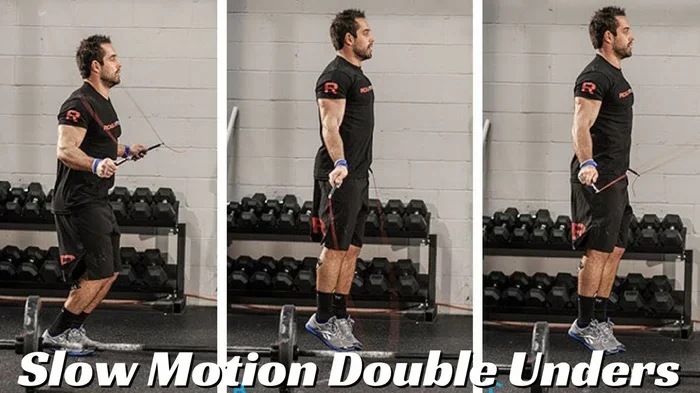
After 6 to 8 weeks of solid practice, you are ready for advanced moves. Double unders, criss-crosses, and high-knee jumps all fall into this category.
Not everyone needs to reach this stage. But if you want to get truly good at jump rope, this is where the real skill development happens. Advanced tricks take additional weeks of focused practice.
Factors That Affect Your Jump Rope Learning Speed
Not everyone learns at the same speed. Several factors influence how quickly you get good at jump rope. Understanding these helps you set the right expectations and adjust your training.
Your Current Fitness Level
If you already exercise regularly, you have an advantage. Your cardiovascular system is already conditioned. Your muscles are used to working hard. You will likely progress faster than someone who is completely sedentary.
However, being fit does not automatically mean good coordination. Some very fit people struggle with the rhythm of jump rope at first. That is okay. Coordination improves with practice regardless of your fitness background.
How Often You Practice
This is the biggest factor you can control. Practicing 5 days a week for 15 minutes beats practicing once a week for an hour. Your brain and body need consistent repetition to build the motor skills required for smooth rope jumping.
Think of it like learning to ride a bike. You do not get better by riding once a month. You get better by riding a few times a week. Jump rope works the same way.
Your Equipment
Using the wrong jump rope can slow you down significantly. A rope that is too long drags on the ground. A rope that is too short hits your feet constantly. Both make learning harder than it needs to be.
Make sure you have the right length. You can refer to guides on how long a jump rope needs to be to find your correct size. A properly sized rope makes a huge difference in your learning speed.
Your Coordination and Balance
Some people are naturally more coordinated. They have good balance and a strong sense of rhythm. These people tend to pick up jump rope faster. But coordination is a skill that improves with practice. The more you jump, the better your coordination becomes.
How To Practice Jump Rope Effectively
Knowing how long to practice is only half the battle. You also need to practice the right way. Smart training beats mindless repetition every time.
Set A Daily Practice Schedule
Pick a specific time each day for your jump rope session. Morning works great for many people because it builds energy for the day. Evening sessions can also work well as a stress reliever after work.
Stick to the same time each day. Habit formation is one of the most powerful tools for skill development. When jumping rope becomes part of your daily routine, you stop having to force yourself to do it.
Focus On Form Before Speed
One of the biggest mistakes beginners make is trying to go fast too soon. Slow down. Focus on smooth, controlled jumps. Keep your elbows close to your sides. Use your wrists to turn the rope, not your arms.
Good form from the start prevents bad habits. Bad habits are much harder to fix later than to avoid in the first place.
Track Your Progress
Keep a simple log of your jump rope sessions. Write down how long you jumped, how many trips you took, and any new skills you tried. Tracking progress keeps you motivated and helps you see how far you have come.
After a few weeks, you will look back and be amazed at how much you have improved. This is especially true if you compare your first day to day 30 or day 60.
Rest And Recover
Your muscles and joints need recovery time. Do not jump rope every single day for 30 minutes straight when you are just starting out. Start with shorter sessions and build up gradually.
Rest days are not lazy days. They are when your body actually gets stronger. Take at least one or two rest days per week, especially in the beginning.
How Long Should You Jump Rope Each Day To Improve?
The amount of time you spend jumping each day depends on your current fitness level and goals. Here is a practical breakdown:
| Fitness Level | Daily Duration | Frequency | Focus |
|---|---|---|---|
| Complete Beginner | 5 to 10 minutes | 4 to 5 days per week | Basic bounce, building rhythm |
| Early Intermediate | 10 to 15 minutes | 4 to 5 days per week | Endurance, reducing trips |
| Intermediate | 15 to 20 minutes | 5 days per week | Variations, speed work |
| Advanced | 20 to 30 minutes | 5 to 6 days per week | Advanced tricks, combos |
If you are wondering how much jump rope you need to see results, you are not alone. Many people ask about the right duration for specific goals like weight loss or muscle building. Check out how long you should jump rope to see results for a detailed breakdown tailored to different fitness goals.
The most important thing is to stay consistent. Ten minutes every day will always beat 45 minutes once a week. Build the habit first. Increase the duration and intensity over time as your fitness improves.
Quick Tips For Faster Progress
- Jump on a flat, hard surface for better rope rotation
- Wear supportive shoes to protect your joints
- Keep your jumps low, just 1 to 2 inches off the ground
- Stay relaxed and breathe steadily while jumping
- Watch your progress on video to spot form issues
- Mix up your routine to keep things interesting
- Be patient with yourself and celebrate small wins
Common Mistakes That Slow You Down
- Using the wrong rope length: This causes constant tripping and frustration.
- Jumping too high: You waste energy and slow your rhythm.
- Skipping warm-ups: Cold muscles are more prone to injury.
- Practicing too long too soon: This leads to burnout and sloppy form.
- Comparing yourself to others: Everyone has a different starting point and timeline.
Conclusion
Getting good at jump rope takes time, but it takes less time than most people think. With consistent practice of 15 minutes a day, 4 to 5 days per week, you can go from total beginner to confident and skilled in about 6 to 8 weeks.
The journey is not always smooth. You will trip. You will get frustrated. You will wonder if you are making progress. But if you keep showing up and putting in the work, the results will come. Every great jump rope athlete started exactly where you are right now.
How long to get good at jump rope depends on you. Your effort, your consistency, and your willingness to push through the early struggles. Follow the stages, practice smart, and enjoy the process. You will be surprised at how quickly your skills develop.
Now grab your rope, find some space, and start your first 5-minute session today. Your future self will thank you.
Frequently Asked Questions
How long does it take to get good at jump rope as a complete beginner?
Most complete beginners need 4 to 8 weeks of consistent practice to feel confident with basic jump rope skills. If you practice 15 minutes a day, 4 to 5 times per week, you should be able to jump for several minutes without stopping by week 4 or 5.
Can I learn jump rope faster if I exercise regularly?
Yes, having a base level of fitness can speed up your progress. Your cardiovascular system and muscles are already conditioned, which helps you handle longer sessions. However, coordination still needs to be developed through practice regardless of your fitness background.
How often should I practice jump rope to see improvement?
Practicing 4 to 5 days per week is ideal for steady improvement. Consistency matters more than duration. Even 10 to 15 minutes of daily practice will produce better results than one long session per week.
What is the best way to track my jump rope progress?
Keep a simple log of each session. Note how long you jumped continuously, how many times you tripped, and any new skills you attempted. Reviewing this log after a few weeks will show you clear progress that might not feel obvious day to day.
Do I need special equipment to get good at jump rope?
You need a properly sized jump rope and a flat surface. The right rope length is crucial because a rope that is too long or too short makes learning much harder. Using good shoes with ankle support also helps prevent injuries during practice.
Is it normal to trip constantly when I first start jump rope?
Absolutely. Tripping is completely normal during the first 1 to 2 weeks. Your brain and body are learning to coordinate hand timing, foot timing, and rhythm all at once. Once this coordination clicks, usually around week 3, tripping drops dramatically.