Are 15 Lb Dumbbells Enough to Build Muscle

Yes, 15 lb dumbbells can build muscle — but only if you use the right techniques, rep ranges, and training volume. Light dumbbells work best for beginners, toning, and muscular endurance. Heavier lifters may need to add resistance bands or progress to heavier weights over time. This guide breaks down exactly how to get the most from your 15 lb dumbbells.
So you have a pair of 15 lb dumbbells sitting in your apartment or home gym. You want to build muscle. But a question keeps nagging at you — are 15 lb dumbbells enough to build muscle?
The short answer is yes. The longer answer is that it depends on your fitness level, your goals, and how you train. 15 lb dumbbells are not magic, but they are far from useless. Thousands of people have built real, noticeable muscle using nothing but light dumbbells. Let me show you how.
In this article, I will break down exactly when 15 lbs works, who benefits most, the best exercises to try, and how to push your muscles hard enough to grow — even with lighter weights. Whether you are a complete beginner or someone looking to switch up your home workout, this guide has you covered.
Key Takeaways
- 15 lb dumbbells can build muscle: Especially for beginners, women, and those focusing on toning and endurance.
- Progressive overload is key: Increase reps, sets, or tempo to keep challenging your muscles.
- Compound movements matter most: Exercises like squats, presses, and rows maximize muscle engagement with lighter weights.
- Training volume drives growth: More sets and reps with 15 lbs can match the stimulus of heavier weights when done correctly.
- Know when to upgrade: If 15 lbs feel too easy after several weeks, it is time to increase resistance.
- Rest and nutrition are essential: Muscles grow during recovery, not just during the workout.
📑 Table of Contents
What Does 15 Lb Mean for Your Muscles?
Let us start with the basics. 15 lb dumbbells are considered light to moderate resistance for most people. In the world of resistance training, the weight you choose determines how your muscles respond.
Here is a quick breakdown of how your muscles react to different weight ranges:
- Light resistance (5–15 lbs): Great for muscular endurance, toning, and beginners. Your muscles fatigue through higher rep ranges.
- Moderate resistance (15–30 lbs): A sweet spot for building both strength and size for intermediate lifters.
- Heavy resistance (30+ lbs): Best for raw strength and power. Requires lower reps and longer rest periods.
Now, 15 lbs lands right at the border between light and moderate. For someone who has never lifted weights, 15 lbs feels heavy. For a seasoned gym-goer, it might feel like a warm-up. The key is matching the weight to your current fitness level.
Muscle growth, also known as muscle hypertrophy, happens when you stress your muscles enough to trigger repair and growth. You do not always need massive weights to do this. You need consistent tension, proper form, and enough volume to stimulate the muscle fibers. This is where 15 lb dumbbells can surprise you.
Can Light Weights Really Build Muscle?
This is a question I hear all the time. Many people believe you need heavy weights to grow. That idea comes from old-school bodybuilding thinking. But modern strength training research tells a different story.
Studies have shown that lifting lighter weights to the point of muscle fatigue can produce similar muscle growth as lifting heavier weights. The real driver is not just the number on the dumbbell. It is how close you take your muscles to failure. If you do 20 reps with 15 lbs and your muscles are burning and shaking by the last few reps, that is a powerful growth signal.
So yes, light weights can absolutely build muscle — especially when you train with intention and push yourself hard enough.
Who Can Actually Build Muscle With 15 Lb Dumbbells?
Not everyone responds to 15 lbs the same way. Here is a closer look at who benefits most from this weight range.
Absolute Beginners
If you have never done resistance training before, 15 lbs is a fantastic starting point. Your muscles are not used to being loaded in new ways. Even moderate resistance creates a big stimulus for a untrained body. You will likely see noticeable strength and size gains in the first few months.
15 lb dumbbells are perfect for beginners because they let you learn proper form without the fear of injury from heavy weights. Once your body adapts, you can always increase the load.
Women Focused on Toning
Many women ask me whether 15 lbs is enough to see results. The answer is a strong yes. Toning is really about building muscle while reducing body fat. 15 lbs provides enough resistance to shape and define muscles, especially when combined with a solid nutrition plan.
Women generally have lower testosterone levels than men, which means they do not need as much external resistance to stimulate muscle growth. 15 lbs can be more than sufficient for achieving a lean, defined physique.
Home Workout Enthusiasts
Not everyone has a full gym setup. If you are training at home with limited equipment, 15 lb dumbbells are a versatile and practical choice. They are easy to store, affordable, and effective for a wide range of exercises. Building muscle at home with only dumbbells is absolutely possible — you just need to be smart about how you structure your workouts.
Is it possible to build muscle with just dumbbells? Yes, and 15 lbs is a great place to start. You can target every major muscle group with nothing but a pair of dumbbells and your own body weight.
The Best Exercises to Maximize 15 Lb Dumbbells
Not all dumbbell exercises are created equal. Some movements recruit more muscle fibers and create more tension than others. Here are the best exercises to get the most out of your 15 lbs.
Compound Movements
Compound exercises work multiple muscle groups at once. They are the backbone of any effective dumbbell workout routine. With 15 lbs, these movements become even more important because they spread the load across several joints and muscles.
- Goblet Squats: Hold one 15 lb dumbbell at your chest and squat deep. This targets your quads, glutes, and core.
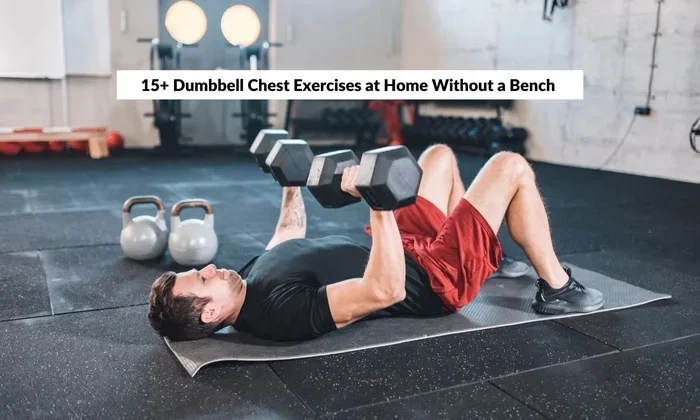
- Dumbbell Floor Press: Lie on the floor and press both dumbbells up. Great for chest, shoulders, and triceps.
- Bent-Over Rows: Hinge at the hips and row the dumbbells to your torso. This builds your back and biceps effectively.
- Dumbbell Lunges: Step forward or backward and lower your hips. Excellent for legs and glutes.
- Overhead Press: Press both dumbbells overhead from shoulder height. Hits your shoulders and triceps hard.
Isolation Exercises
Isolation moves target a single muscle group. They are perfect for finishing off a workout or focusing on a specific area like biceps or triceps.
- Bicep Curls: Classic and effective. Slow the tempo down for an extra burn.
- Tricep Kickbacks: Great for sculpting the back of your arms.
- Lateral Raises: Builds wider shoulders. Go slow and control the movement.
- Hammer Curls: Targets the brachialis muscle for bigger-looking arms.
How to Target Your Chest With 15 Lbs
Your chest is one of the largest muscle groups in your upper body. With 15 lb dumbbells, you can still get an excellent chest workout by focusing on range of motion and squeeze at the top of each rep. Dumbbell flyes and floor presses are two of the best chest exercises you can do with lighter weights. The key is to feel the stretch and contraction in your chest throughout every single rep.
How to Make 15 Lb Dumbbells Work Harder
Here is the secret most people miss. The weight on the dumbbell is only one variable. You can make 15 lbs feel much harder by adjusting how you train. This concept is called progressive overload, and it is the foundation of all muscle growth.
Increase Your Reps
If 15 lbs feels too easy at 10 reps, try 15 reps. Then 20. Then 25. Higher rep ranges with lighter weights build muscular endurance and can drive significant hypertrophy when taken close to failure.
Slow Down the Tempo
Most people rush through their reps. Try this instead: take 3 seconds to lower the weight, pause for 1 second at the bottom, then lift for 1 second. That 4-second eccentric phase dramatically increases time under tension. Your muscles will feel the difference.
Add More Sets
Doing 3 sets of an exercise instead of 2 increases your total training volume. Volume is one of the strongest drivers of muscle growth. With 15 lbs, you can easily add 2–3 extra sets per exercise without overloading your joints.
Use Supersets and Drop Sets
Pair two exercises back-to-back with no rest. This keeps your heart rate up and pushes your muscles harder. For example, do bicep curls immediately followed by tricep extensions. Your arms will be screaming — and that is exactly the point.
Shorten Rest Periods
Instead of resting 2 minutes between sets, try 45–60 seconds. Shorter rest periods increase metabolic stress, which is another key muscle-building mechanism. Just make sure you can still maintain good form.
Add a Pause at the Hardest Point
At the bottom of a squat or the midpoint of a curl, hold the position for 2–3 seconds. This isometric hold increases muscle activation and makes a light weight feel much heavier.
Can You Build Muscle at Home With Only 15 Lb Dumbbells?
Absolutely. Building muscle at home with only dumbbells is one of the most effective and convenient ways to train. You do not need a gym membership or expensive machines. A pair of 15 lb dumbbells, a floor, and a wall are all you need. The key is consistency and smart programming.
Focus on hitting every major muscle group at least twice per week. Combine compound movements with isolation work. Keep your reps in the 12–25 range for most exercises and push yourself to near failure on your last set. This approach works wonders with lighter weights.
When Should You Upgrade Beyond 15 Lbs?
15 lbs is a great starting point, but it is not meant to be your forever weight. Here is how to know when it is time to level up.
Signs You Need Heavier Dumbbells
- You can easily complete all your sets and reps without feeling challenged.
- Your muscles do not feel fatigued by the end of your workout.
- You have not seen progress in 4–6 weeks despite consistent training.
- Your workouts feel too easy and you are not pushing yourself.
- You want to focus on raw strength rather than endurance or toning.
How to Progress Safely
When the time comes, do not jump to 40 or 50 lb dumbbells overnight. Increase the weight by 5–10 lbs at a time. This gives your joints and connective tissues time to adapt. You can also consider adding resistance bands to your 15 lb dumbbells for extra challenge without needing heavier weights.
Also keep in mind that how heavy your dumbbells should be depends on your specific goals. Someone training for muscular endurance will thrive with 15 lbs longer than someone chasing maximal strength gains.
Comparing 15 Lbs to Other Weight Ranges
Here is a quick comparison to put things in perspective:
- 5–10 lbs: Best for rehabilitation, warm-ups, and complete beginners with very low fitness levels.
- 15 lbs: Ideal for beginners, toning, muscular endurance, and home workouts.
- 25–35 lbs: Great for intermediate lifters looking to build noticeable muscle and strength.
- 40+ lbs: Best for advanced lifters focusing on heavy compound movements and maximal strength.
As you can see, 15 lbs is a solid middle ground that serves a wide range of fitness goals. It is not the heaviest option, but it is far from the weakest.
The Bottom Line
So, are 15 lb dumbbells enough to build muscle? Yes — for a large number of people, in a large number of situations. 15 lb dumbbells are a versatile, effective, and accessible tool for building muscle when used correctly.
The magic is not in the weight itself. It is in how you use it. Push your muscles to fatigue, increase your training volume over time, eat enough protein, and give your body time to recover. These factors matter far more than the number printed on the dumbbell.
If you are just starting out or working out at home, do not underestimate what a pair of 15 lb dumbbells can do. Consistency beats heavy weights every single time. Show up, do the work, and trust the process. Your muscles do not know how heavy the dumbbell is — they only know how hard you made them work.
Start today. Use your 15 lbs with purpose. And remember, the best weight is the one you will actually pick up and use.
Frequently Asked Questions
Can I build a lot of muscle with just 15 lb dumbbells?
Yes, especially if you are a beginner or intermediate lifter. Muscle growth depends more on training volume, effort, and consistency than on the absolute weight you lift. With the right exercises and rep ranges, 15 lbs can deliver impressive results.
How many sets and reps should I do with 15 lb dumbbells?
Aim for 3–4 sets of 12–20 reps per exercise. The key is to take your muscles close to failure by the last few reps of each set. This rep range is ideal for muscle hypertrophy with lighter weights.
Will 15 lb dumbbells help me lose fat and tone up?
Absolutely. 15 lb dumbbells are excellent for toning and fat loss when combined with a balanced diet and regular training. They help preserve muscle while you burn fat, which gives you a leaner, more defined look.
How long will it take to see results with 15 lb dumbbells?
Most people notice visible changes within 4–8 weeks of consistent training. Beginners tend to see faster results because their bodies respond quickly to new stimuli. Stick with it, track your progress, and trust the process.
Should I pair 15 lb dumbbells with other equipment?
You can, but it is not necessary. Resistance bands are a great addition if you want to increase difficulty without buying heavier dumbbells. They are cheap, portable, and pair perfectly with 15 lb dumbbells for a full-body workout.
Are 15 lb dumbbells good for arm exercises?
Yes, 15 lbs works well for arm exercises like curls, extensions, and hammer curls. Focus on slow, controlled movements and squeeze the muscle at the top of each rep. Your arms will respond well to this weight, especially with higher rep ranges and tempo training.