How Long Should Your Jump Rope Be Crossfit
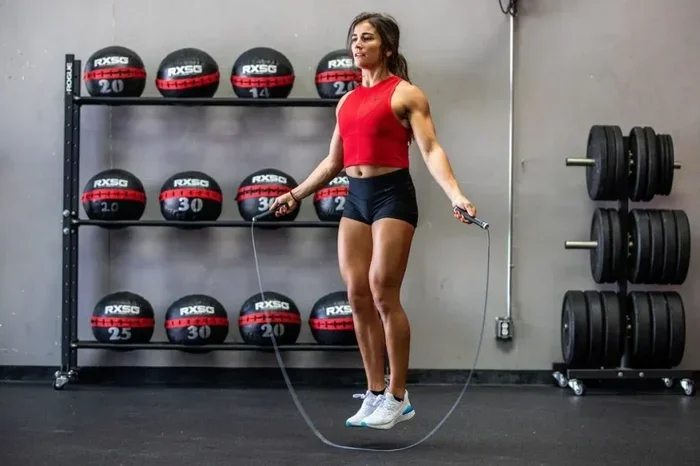
Getting the right jump rope length for Crossfit is essential for performance, safety, and comfort. A rope that is too long will trip you up during double unders, while one that is too short can throw off your rhythm and cause unnecessary fatigue. This guide walks you through the exact methods to measure and size your Crossfit jump rope for the best results.
If you train Crossfit, you already know that the smallest details can make or break your workout. Your jump rope length is one of those details that quietly affects every rep, every set, and every session. A rope that fits your body and your training style helps you move faster, stay consistent, and avoid frustrating trips.
Many people grab a rope and skip right into their workout without checking the length. That is a mistake. Whether you are doing basic jumps, double unders, or high-intensity interval training, the right rope length changes everything. In this guide, we will show you exactly how to measure, choose, and adjust your rope for Crossfit success.
We will cover every method, every rope type, and every common error so you never have to guess again. Let us get into it.
Key Takeaways
- Proper length prevents tripping: A correctly sized rope reduces tangles and missed reps during fast-paced Crossfit workouts.
- Measurement is simple: Use the underarm method or stand on the rope to find your ideal length quickly.
- Rope type affects sizing: Speed ropes, weighted ropes, and leather ropes all have slightly different length needs for Crossfit.
- Double unders demand precision: Extra rope length helps you clear the rope for multiple rotations under your feet.
- Adjustability is key: Always choose a rope you can trim and adjust as your fitness level changes.
- Height matters, but so does skill: Taller athletes need longer ropes, but advanced athletes may prefer a shorter length for speed.
📑 Table of Contents
Why Jump Rope Length Matters for Crossfit
You might wonder why rope length gets so much attention. The answer is simple: proper rope length directly impacts your performance. A rope that does not fit your body creates drag, slows you down, and increases the chance of errors during complex movements.
In Crossfit, speed and accuracy matter. You are often timed, scored, or competing against a clock. When your rope is the wrong length, you waste energy correcting mistakes instead of powering through reps. Over time, this adds up and holds back your progress.
How Incorrect Length Affects Your Workout
A rope that is too long forces you to swing harder to clear the ground. This wastes energy and slows your cadence. A rope that is too short hits the floor too early or catches under your feet, causing trips and frustration.
Here are the main problems caused by wrong rope length:
- Tripping and missed reps during fast-paced WODs
- Premature fatigue from extra effort needed to control the rope
- Poor double under performance due to insufficient or excess rope slack
- Wrist and shoulder strain from overcompensating with your arms
- Inconsistent rhythm that throws off your breathing and pacing
None of these issues sound like small things. When you are pushing through a grueling Crossfit session, even one tripped-up rep can break your flow. Getting your rope length right eliminates these problems before they start.
If you are new to jump rope training, check out this guide on how long you should jump rope as a beginner to build a strong foundation before diving into advanced Crossfit movements.
How to Measure the Right Jump Rope Length for Crossfit
Measuring your jump rope does not require any special tools or skills. You can do it at home in under two minutes. There are a few tried-and-true methods that give you reliable results every time.
Method 1: The Underarm Measurement
This is the most popular method among athletes. Stand on the center of the rope with one foot. Pull both handles up toward your chest. The handles should reach your armpits or just below them. If the handles go past your shoulders, the rope is too long.
For Crossfit specifically, many athletes prefer the handles to land at the lower chest or upper abdomen. This slightly shorter length gives you more control during speed work and double unders.
Method 2: The Stand-on Method
Stand on the middle of the rope with both feet. Pull the handles upward. The handles should reach somewhere between your chest and shoulders. This method works well for beginners who want a quick and easy check.
Remember that your ideal length may shift depending on the type of exercise you are doing. A slightly longer rope can help with double unders, while a shorter rope works better for speed jumping.
Method 3: The Leaping Test
This method involves actually jumping with the rope. Turn the rope over your head and jump over it. If the rope consistently hits the ground before you clear it, it is too short. If you have to jump unusually high to avoid hitting the rope, it is too long.
The goal is a rope that clears the ground by about one to two inches with each jump. This small gap gives you enough room without wasting energy on excess rope.
For a deeper dive into general rope sizing, visit how long your jump rope should be for a comprehensive breakdown of all measurement methods.
The Best Jump Rope Lengths for Different Crossfit Goals
Not all Crossfit workouts are the same. Your rope length should match the specific demands of your training. Here is how to adjust your sizing based on your goals.
Speed Jumping and Cardio
When your goal is speed, you want a slightly shorter rope. A shorter rope rotates faster with less effort. This is ideal for high-rep jump rope sets, AMRAPs, and EMOM workouts where you need to maintain a fast pace.
For speed-focused training, aim for rope handles that reach your upper chest. This keeps the rope tight and responsive. Many competitive Crossfit athletes prefer this shorter length because it allows them to maintain high cadence without fatigue.
Double Unders and Advanced Skills
Double unders require more rope length than basic jumps. The rope needs to spin faster and travel further under your feet. If your rope is too short, you will struggle to get the extra rotation needed for clean double unders.
For double under training, the handles should reach your lower chest or mid-abdomen. This gives you the extra rope needed to complete two rotations with each jump. If you want detailed guidance on this specific skill, check out how long your jump rope should be for double unders.
Weighted Rope Training
Weighted ropes are popular in Crossfit for building strength and endurance. These ropes are heavier, so they need a bit more room to swing freely. A slightly longer length prevents the weight from dragging and keeps your movements smooth.
When using a weighted crossfit rope, add one to two inches to your standard measurement. This small adjustment makes a big difference in how the rope feels during your sets.
Comparison Table: Rope Length by Training Goal
| Training Goal | Handle Length | Rope Type | Best For |
|---|---|---|---|
| Speed Jumping | Upper Chest | Speed cable | Cardio, AMRAPs, EMOMs |
| Double Unders | Lower Chest / Mid-Abdomen | Standard or speed cable | Skill work, advanced WODs |
| Weighted Training | Mid-Abdomen | Weighted leather or cable | Strength and conditioning |
| General Crossfit | Underarm to Lower Chest | Any | Mixed workouts, beginners |
Keep in mind that these are starting points. Your personal preference and body proportions will influence the final length. Experiment within these ranges to find what feels most natural.
Common Mistakes When Sizing Your Crossfit Jump Rope
Even experienced athletes make mistakes when sizing their ropes. Being aware of these errors helps you avoid them and get the perfect fit from day one.
Mistake 1: Using the Wrong Reference Point
Many people measure their rope while sitting down or holding it awkwardly. Always measure while standing upright with good posture. Slouching or bending over changes the measurement and leads to an incorrect length.
Mistake 2: Ignoring Rope Type
Not all ropes behave the same way. A speed rope with a thin cable needs different clearance than a leather rope with a thicker build. Account for the rope material when you make your final decision.
Mistake 3: Forgetting to Adjust for Shoe Thickness
Your shoes add height. If you measure barefoot and then train in thick Crossfit shoes, your rope will feel shorter than expected. Always measure while wearing the shoes you plan to train in.
Mistake 4: Never Trimming the Rope
Some ropes come pre-cut and cannot be adjusted. But many quality ropes allow you to trim the cable to your exact length. If your rope is slightly too long, do not be afraid to cut it. You can always trim a little more, but you cannot add length back.
If you are unsure about general rope sizing principles, this guide on how long your jump rope needs to be covers the fundamentals in detail.
Quick Tips for Adjusting Your Crossfit Jump Rope
Once you know your ideal length, making adjustments is straightforward. Here are some quick tips to keep your rope dialed in perfectly.
- Check your rope length monthly. Cables stretch over time, especially with frequent use. A quick check keeps your rope in optimal condition.
- Mark your ideal length before trimming. Use tape or a marker to note the correct cutting point. This prevents accidental mistakes.
- Test after every adjustment. Jump for a few minutes after changing the length. Your body will tell you if it feels right.
- Keep a backup rope. Having a second rope at a slightly different length gives you flexibility for different workout types.
- Ask your box coach for feedback. Coaches at your Crossfit gym can spot length issues that you might miss on your own.
These small habits make a big difference over time. Consistency in your rope setup leads to consistency in your performance.
Final Thoughts
Getting your jump rope length right for Crossfit is one of the easiest ways to improve your training. It takes just a few minutes to measure and adjust, but the benefits last through every workout. You move faster, trip less, and stay in the flow of your training without interruptions.
Remember that there is no single perfect length for everyone. Your ideal measurement depends on your height, your training goals, and the type of rope you use. Use the methods in this guide to find your sweet spot, and do not be afraid to fine-tune as you grow stronger and more skilled.
The right rope feels invisible. You stop thinking about it and just move. That is the goal. Take the time to set it up properly, and your Crossfit sessions will feel smoother and more productive from the very first rep.
Frequently Asked Questions
What is the standard jump rope length for Crossfit?
The standard length for Crossfit is when the rope handles reach your armpits or just below them when you stand on the center of the rope. This measurement works well for most athletes doing general Crossfit workouts and serves as a reliable starting point for further adjustments.
Can I use the same jump rope for Crossfit and double unders?
Yes, but you may need to adjust the length. Double unders require a slightly longer rope because the rope needs extra rotation to complete two full turns under your feet. Many athletes keep one rope at a standard length and a second rope slightly longer for double under practice.
How often should I check my jump rope length?
Check your rope length at least once a month. Cables stretch over time with regular use, and your fitness level or body composition may change. A quick check ensures your rope stays dialed in for optimal performance.
Does rope thickness affect the length I need?
Yes, thicker ropes like leather or weighted ropes need slightly more length to swing freely. Thin speed cables can be a bit shorter because they cut through the air easily. Always factor in rope material when you measure for your ideal length.
Should I measure my jump rope with or without shoes?
Always measure with the shoes you plan to train in. Shoe thickness adds height, and measuring barefoot will result in a rope that feels too short once you lace up. This small step makes a noticeable difference in how the rope performs during your workout.
What happens if my jump rope is too short for Crossfit?
A rope that is too short hits the ground too early and can catch under your feet during jumps. This causes tripping, disrupts your rhythm, and increases the risk of ankle or foot injuries. If your rope feels like it is dragging or catching, it is likely too short and needs to be lengthened or replaced.