What Does Rowing Machine Do for You 2

The rowing machine delivers a full-body workout that targets over 80% of your muscles. It boosts cardiovascular health, burns serious calories, and tones your arms, legs, and core. Understanding what does rowing machine do for you 2 helps you train smarter and see faster results.
A rowing machine is one of the most underrated pieces of fitness equipment out there. Many people see it sitting in the corner of the gym and walk right past it. But if you want a workout that transforms your body, what does rowing machine do for you 2 is a question worth answering. This guide breaks down everything you need to know. You will learn how rowing works, which muscles it targets, and why it deserves a spot in your routine.
Rowing is not just about pulling a handle. It is a full-body movement that combines strength and cardio in one motion. Whether you are a beginner or a seasoned athlete, the rowing machine offers something for everyone. Let us dive into the details and explore why this simple piece of equipment packs such a powerful punch.
Key Takeaways
- Full-Body Workout: A rowing machine engages your legs, back, arms, and core in every stroke.
- Calorie Burning: Rowing torches calories fast, making it ideal for weight loss goals.
- Low Impact: It is gentle on your joints while still delivering a high-intensity workout.
- Heart Health: Regular rowing improves cardiovascular endurance and circulation.
- Muscle Toning: It builds lean muscle across multiple muscle groups at once.
- Mental Health Boost: Rowing reduces stress and improves overall mood.
📑 Table of Contents
What Does a Rowing Machine Do for Your Body?
When you sit down on a rowing machine, every stroke works multiple muscle groups at the same time. This is what makes it so effective. Unlike machines that isolate one area, rowing trains your entire body in a single movement. What does rowing machine do for you 2 goes far beyond just building arm strength. It is a complete exercise that challenges your cardiovascular system and your muscles simultaneously.
Each stroke on the rowing machine follows a four-part sequence. You push with your legs, pull with your arms, and engage your core throughout. This chain of movement mimics real-world physical activity. It trains your body to work as one coordinated unit. Over time, you will notice improvements in your strength, endurance, and overall fitness level.
One of the biggest advantages of rowing is that it is low impact. Your feet stay planted on the footplates, and your body stays seated. This means there is very little stress on your knees and ankles. You get a intense workout without the jarring impact of running or jumping. This makes rowing a great option for people recovering from injuries or dealing with joint pain.
How Rowing Targets Multiple Muscle Groups
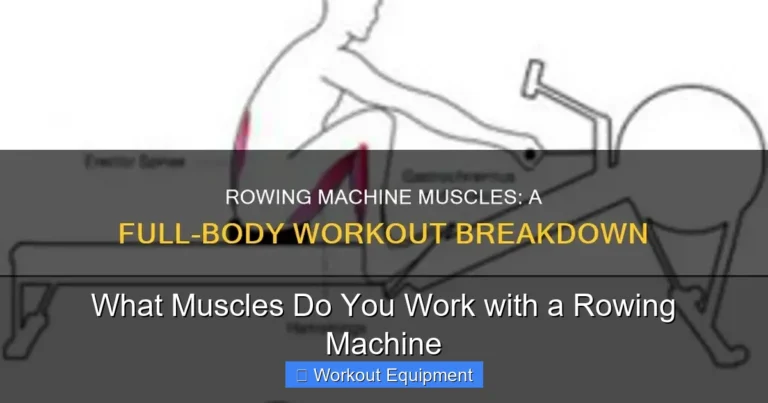
Rowing is rare because it works so many muscles at once. During the drive phase, your legs push hard against the footplates. This engages your quads, hamstrings, and glutes. As you pull the handle toward your chest, your lats, rhomboids, and biceps fire up. Your core stabilizes your entire body throughout the movement.
Here are the main muscle groups worked during each stroke:
- Legs: Quads, hamstrings, calves, and glutes power the initial push.
- Back: Lats, rhomboids, and traps control the pulling motion.
- Arms: Biceps, forearms, and shoulders finish the stroke.
- Core: Abs and lower back stabilize your torso throughout.
Because so many muscles are working at once, your body burns more energy. This leads to greater calorie expenditure and faster results. If you want to know exactly how many calories you can burn, check out this guide on calories burned on a rowing machine for detailed numbers.
Cardiovascular and Endurance Benefits
Rowing is a fantastic cardiovascular exercise. It gets your heart pumping and your lungs working hard. Over time, this strengthens your heart and improves your circulation. Better cardiovascular health means more energy in your daily life. You will find that everyday tasks feel easier and less tiring.
Indoor rowing is especially effective for building endurance. Because it is a sustained, rhythmic movement, it trains your aerobic system. You can adjust the resistance to make it easier or harder. This flexibility lets you build up your fitness level gradually. Start with a light resistance and longer duration. As you get stronger, increase the intensity and shorten your rest periods.
Studies show that regular rowing can lower blood pressure and improve cholesterol levels. It also helps regulate blood sugar. These are all critical factors for long-term health. Even just 20 to 30 minutes of rowing a few times a week can make a noticeable difference. Your heart will thank you for it.
Rowing vs. Other Cardio Machines
How does rowing compare to other popular cardio machines? Here is a quick look at the differences:
- Treadmill: Running burns calories fast but puts stress on your joints. Rowing offers a similar calorie burn with much less impact.
- Stationary Bike: Bikes focus mainly on your lower body. Rowing works your entire body instead.
- Elliptical: Ellipticals are also low impact but do not engage your upper body as much as rowing does.
Rowing gives you the best of both worlds. It is a cardio machine and a strength trainer in one. This makes it incredibly efficient for people with limited workout time. You can get a full session done in 20 to 30 minutes.
Calorie Burning and Weight Loss
If weight loss is your goal, rowing is a powerful tool. It burns a high number of calories in a short amount of time. The exact number depends on your weight, intensity level, and workout duration. But on average, a 155-pound person can burn around 300 calories in just 30 minutes of moderate rowing.
What makes rowing so effective for weight loss is the combination of cardio and muscle engagement. Muscle tissue burns more calories at rest than fat tissue does. So the more muscle you build through rowing, the more calories you burn even when you are not working out. This is why what does rowing machine do for you 2 is such a popular search. People want to understand the full weight loss benefits.
To maximize calorie burn, try interval training on the rower. Alternate between high-intensity sprints and moderate-paced recovery rows. This keeps your heart rate elevated and boosts your metabolism for hours after your workout ends. For a deeper dive into the calorie-burning potential of rowing, visit this resource on how many calories you burn on a rowing machine.
Creating a Rowing Workout for Weight Loss
Here is a simple rowing workout plan to get you started:
- Warm Up: Row at a easy pace for 5 minutes.
- Intervals: Row hard for 1 minute, then recover at a slow pace for 1 minute. Repeat 10 times.
- Steady State: Row at a moderate pace for 10 minutes.
- Cool Down: Row slowly for 5 minutes to bring your heart rate down.
This workout takes about 30 minutes and torches calories. You can do it three to four times a week for best results. Pair it with a balanced diet, and you will see progress fast.
Muscles You Work With a Rowing Machine
One of the biggest reasons people love the rowing machine is the muscle engagement. Unlike machines that target just one area, rowing works your entire body. The pulling and pushing motion recruits muscles from your fingertips to your feet. Understanding what does rowing machine do for you 2 starts with knowing which muscles are doing the work.
For a detailed breakdown of every muscle group activated during rowing, check out this guide on muscles you use on a rowing machine. It covers each phase of the stroke and which muscles are most active.
The Four Phases of a Rowing Stroke
Every rowing stroke has four distinct phases. Each one activates different muscles:
- The Catch: At the front of the stroke, your shins are vertical and your arms are extended. Your core is engaged and ready to drive.
- The Drive: This is the power phase. Your legs push first, then your back swings open, and finally your arms pull the handle to your chest.
- The Recovery: This is the return phase. Your arms extend, your torso leans forward, and your knees bend as you slide back to the catch.
- The Finish: At the end of the drive, your legs are straight, the handle is at your lower chest, and your shoulders are pulled back.
Getting the timing right in these four phases is key. Proper form ensures you get the most out of every stroke. It also reduces your risk of injury. Focus on smooth, controlled movements rather than rushing through the motions.
Common Rowing Mistakes and How to Fix Them
Even though rowing looks simple, it is easy to develop bad habits. Poor form can reduce your results and increase your risk of injury. Here are the most common mistakes and how to correct them.
Rushing the Recovery Phase
Many people move too fast on the return part of the stroke. The recovery should be slow and controlled. It is your rest period between each drive. If you rush it, you miss the chance to reset your body and prepare for the next powerful stroke. Slow down on the way back and let your muscles recover.
Overusing Your Arms
A common error is pulling too hard with your arms. Your arms should finish the stroke, not start it. The power should come from your legs and core. Think of your arms as connectors, not the engine. Let your legs do the heavy lifting and use your arms to guide the handle to your chest.
Rounding Your Back
Keeping a straight back is essential during rowing. Rounding your back puts unnecessary strain on your spine. Engage your core throughout the entire stroke to support your posture. If you feel any sharp pain in your lower back, stop and check your form immediately.
How to Get Started with Rowing
Getting started with a rowing machine is easier than you might think. You do not need any special skills or experience. Here is a simple plan to ease into your rowing routine.
Step 1: Set Up the Machine Correctly
Before you row, adjust the foot straps and seat. Your feet should be secure and comfortable. Set the damper to a moderate level, usually between 3 and 5. A higher damper does not mean a better workout. It just makes the flywheel harder to spin. Start light and increase resistance as you build strength.
Step 2: Master the Basic Technique
Focus on learning the correct sequence: legs, arms, back. Push with your legs first, then lean back slightly, and finally pull with your arms. On the recovery, reverse the order. Arms extend, torso leans forward, then knees bend. This sequence protects your joints and maximizes power.
Step 3: Start with Short Sessions
Begin with 10 to 15 minute sessions, two or three times a week. Keep the intensity moderate so you can focus on form. As your body adapts, gradually increase the duration and intensity. Within a few weeks, you will feel stronger and more comfortable on the machine.
Step 4: Track Your Progress
Most rowing machines display metrics like distance, time, stroke rate, and calories burned. Use these numbers to track your improvement over time. Seeing progress is a great motivator. Set small goals and celebrate when you reach them. This keeps you consistent and committed to your routine.
Mental Health and Wellness Benefits
Rowing is not just good for your body. It is also great for your mind. The rhythmic, repetitive motion of rowing has a meditative quality. It helps clear your mind and reduce stress. Many rowers describe the feeling as “flow state,” where you are fully absorbed in the moment.
Exercise in general releases endorphins, which are natural mood boosters. Rowing combines this with the satisfaction of a full-body workout. You feel accomplished after every session. Over time, this builds confidence and improves your overall mental well-being.
If you struggle with anxiety or low mood, rowing can be a helpful addition to your routine. It gives you a healthy outlet for stress and tension. Even a short 15 minute session can leave you feeling refreshed and more focused. The mental benefits are just as real as the physical ones.
Final Thoughts
So, what does rowing machine do for you 2? The answer is simple. It gives you a full-body workout that builds strength, burns calories, and improves your heart health. It is low impact, so it is easy on your joints. And it works for people of all fitness levels. Whether you want to lose weight, build muscle, or just feel better, the rowing machine delivers.
The beauty of rowing is its simplicity. You do not need complicated routines or expensive equipment. Just show up, row with good form, and stay consistent. The results will follow. Start with short sessions, focus on your technique, and gradually push yourself further. Your body will thank you for it.
Rowing is one of the best investments you can make in your health. It works your entire body, boosts your endurance, and clears your mind. Give it a try, and you will understand why so many people are making the rowing machine a staple in their fitness routine. The journey starts with a single stroke.
Frequently Asked Questions
What muscles does a rowing machine work?
A rowing machine works over 80% of your muscles, including your legs, back, arms, and core. Every stroke engages multiple muscle groups at the same time, making it one of the most efficient full-body exercises available.
How many calories can you burn on a rowing machine in 30 minutes?
On average, a 155-pound person can burn around 300 calories in 30 minutes of moderate rowing. Higher intensity sessions can burn even more, making it a great option for weight loss goals.
Is rowing machine good for beginners?
Absolutely. Rowing is beginner-friendly because it is low impact and easy to learn. Start with short sessions at a moderate intensity, focus on proper form, and gradually increase your time and effort as you get more comfortable.
Can rowing help you lose belly fat?
Rowing is a full-body cardio exercise that burns calories and builds muscle. While spot reduction is not possible, consistent rowing combined with a healthy diet can help reduce overall body fat, including belly fat.
How long should you row on a rowing machine for a good workout?
A good rowing workout typically lasts between 20 and 40 minutes. Beginners can start with 10 to 15 minutes and build up over time. The key is consistency and maintaining proper form throughout each session.
What is the proper form for rowing?
Proper rowing form follows a sequence: push with your legs first, lean back slightly, then pull with your arms. On the return, reverse the order. Keep your back straight and your core engaged throughout the entire stroke to protect your spine and maximize power.
=== CONCLUSION ===
What does rowing machine do for you 2? It provides a complete full-body workout that strengthens your muscles, boosts your heart health, and burns calories efficiently. Rowing is low impact, making it accessible to almost everyone. It builds endurance, tones your body, and supports your mental well-being.
The rowing machine is a versatile and effective tool for anyone looking to improve their fitness. Whether your goal is weight loss, muscle toning, or better cardiovascular health, rowing delivers results. Start today, stay consistent, and enjoy the journey toward a stronger, healthier you.