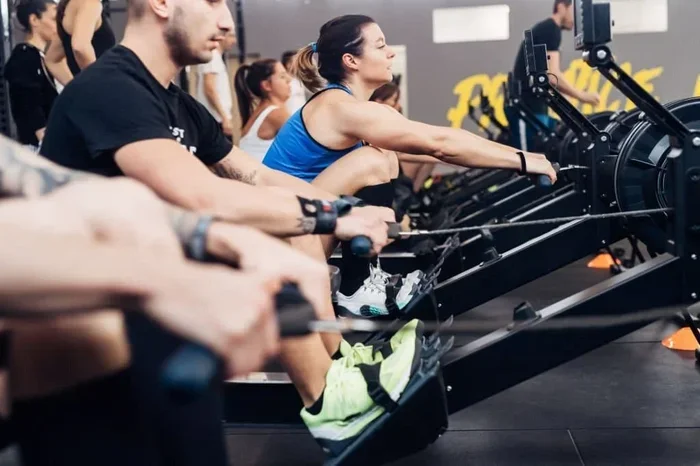
What Areas Does the Rowing Machine Target 2

The rowing machine targets almost every major muscle group in your body, including your legs, back, arms, and core. It delivers a full-body workout that builds strength, burns calories, and improves cardiovascular health. Whether you are a beginner or a seasoned athlete, understanding what areas the rowing machine targets helps you get the most out of every stroke.
The rowing machine is one of the most underrated pieces of gym equipment out there. Most people think it is just for cardio. But the truth is, it does so much more. If you have ever wondered what areas the rowing machine targets, you are in the right place. This guide breaks down every muscle group, every movement phase, and every benefit you need to know.
What areas does the rowing machine target is a question that comes up often. The answer might surprise you. Unlike machines that isolate a single muscle, the rowing machine engages your entire body. From your calves to your shoulders, it creates a seamless full-body workout. Let us dive into the details.
The rowing machine offers incredible rowing machine benefits that go beyond simple calorie burning. It builds lean muscle, improves endurance, and strengthens your joints. Plus, it is gentle on your knees compared to running. That makes it a top choice for people who want a low-impact but high-intensity workout.
## How the Rowing Machine Works
Before we break down the target areas, it helps to understand the basic mechanics. Each rowing stroke has four distinct phases. These are the catch, the drive, the finish, and the recovery. Every phase activates different muscle groups.
What does the rowing machine do to your body during each phase? During the catch, your legs are compressed and your arms are extended. This prepares your muscles for the powerful drive phase. During the drive, your legs push, your core stabilizes, and your arms pull. This is where the real magic happens.
The finish phase involves leaning back slightly and pulling the handle to your lower chest. Finally, the recovery phase brings you back to the starting position. Each of these phases works together to create a smooth, continuous motion. Understanding this flow is key to getting the most out of your rowing machine workout.
## What Areas Does the Rowing Machine Target: Lower Body
The lower body does the heavy lifting during every rowing stroke. Your legs are the powerhouse of the entire movement. Without strong leg drive, your strokes lose most of their force.
### Quadriceps and Hamstrings
Your quadriceps and hamstrings work hard during the drive phase. These are the front and back muscles of your thighs. They extend and flex your knees to push you back on the seat. This repetitive motion builds serious strength over time.
### Glutes
Your glutes fire up every time you push off the footplate. They help extend your hips and generate explosive power. Strong glutes also protect your lower back from strain. If you want a toned backside, the rowing machine delivers.
### Calves
Your calf muscles stabilize your ankles throughout the stroke. They keep your feet pressed firmly against the footplate. This might seem like a small role, but it adds up over hundreds of repetitions.
## What Areas Does the Rowing Machine Target: Upper Body
While the legs start the power, your upper body finishes the job. The pulling motion engages several key muscle groups in your arms, shoulders, and back.
### Back Muscles
Your latissimus dorsi, or lats, are the primary muscles worked during the pull phase. These large muscles run down the sides of your back. They are responsible for the powerful pulling motion that brings the handle toward your body. Over time, this strengthens your entire back and improves your posture.
### Shoulders and Arms
Your rear deltoids, biceps, and forearms all get a workout during each stroke. The biceps pull the handle toward your torso, while the forearms grip the handle firmly. Your shoulders stabilize the entire upper body movement. This balanced engagement helps prevent muscle imbalances.
### Chest and Upper Back
Although the rowing machine focuses more on the back than the chest, your upper back muscles still get significant work. The rhomboids and trapezius muscles between your shoulder blades contract during the pull. This helps open up your chest and counteract the forward-hunching posture many people develop from sitting all day.
## What Areas Does the Rowing Machine Target: Core
Your core is the bridge between your upper and lower body. It stabilizes every single rowing stroke. Without a strong core, your form breaks down quickly.
### Abs and Obliques
Your abdominals and obliques keep your torso stable during the drive and recovery phases. They prevent you from leaning too far forward or backward. This constant engagement strengthens your midsection over time. Many people notice improved core definition after consistent rowing sessions.
### Lower Back
The erector spinae muscles along your spine support your lower back throughout the movement. These muscles keep your back straight and prevent rounding. A strong lower back reduces the risk of pain and injury in daily life.
What does the rowing machine work on your body in terms of core strength? The answer is everything. Your core acts as the engine that transfers power from your legs to your arms. It is absolutely essential for efficient rowing.
## Benefits of Rowing Machine Workouts
The benefits of using a rowing machine go far beyond targeting specific muscles. Let us look at the bigger picture of what this equipment can do for your fitness journey.
### Full-Body Conditioning
The rowing machine is one of the few exercises that truly trains your entire body at once. It combines strength and cardio into a single movement. This makes your workouts incredibly efficient. You can get a complete session in just 20 to 30 minutes.
### Cardiovascular Health
Rowing elevates your heart rate and improves your cardiovascular endurance. It strengthens your heart and lungs over time. Regular rowing sessions can lower blood pressure and reduce the risk of heart disease.
### Calorie Burning
Rowing burns a significant number of calories in a short amount of time. A vigorous session can torch 400 to 800 calories per hour depending on your weight and intensity. This makes it an excellent tool for weight loss.
### Low-Impact Exercise
Unlike running or jumping exercises, rowing is gentle on your joints. The seated position removes the impact stress from your knees and ankles. This makes it ideal for people recovering from injuries or those with joint sensitivities.
### Mental Health and Stress Relief
The rhythmic motion of rowing can be meditative. It helps clear your mind and reduce stress. Many people find that a rowing session leaves them feeling calm and focused.
## Common Mistakes to Avoid
Even though the rowing machine is user-friendly, poor form can reduce your results and increase injury risk. Here are the most common mistakes to watch out for.
### Relying Too Much on Arms
Many beginners pull with their arms too early in the stroke. This shifts the workload away from your legs and puts unnecessary strain on your shoulders. Remember, the legs drive, and the arms finish. Let your legs do the heavy lifting.
### Rounding the Back
Rounding your back during the stroke puts pressure on your spine. Keep your back straight and your chest lifted throughout the movement. Good posture is non-negotiable for proper form and safety.
### Sliding Too Fast
Moving too quickly on the seat disrupts the rhythm and reduces power. Focus on controlled, deliberate movements. Quality always beats speed when it comes to rowing technique.
### Skipping the Recovery Phase
The recovery phase is just as important as the drive phase. Rushing through it throws off your timing and wastes energy. Use the recovery to rest and prepare for the next powerful stroke.
## Tips for Getting the Most Out of Your Rowing Sessions
Want to maximize your results? Follow these practical tips.
- Start with a warm-up. Spend 5 minutes rowing at a slow pace to prepare your muscles.
- Focus on form first. Perfect your technique before increasing intensity or speed.
- Use interval training. Alternate between high-intensity bursts and recovery rows for maximum calorie burn.
- Track your progress. Monitor your distance, split time, and stroke rate to stay motivated.
- Mix it up. Try different workout programs to challenge your body and prevent plateaus.
## Who Should Use the Rowing Machine
One of the best things about the rowing machine is its versatility. Almost anyone can use it.
– Beginners: The rowing machine is forgiving and easy to learn. Start with low resistance and focus on technique.
– Athletes: Rowing builds functional strength and endurance that translates to many sports.
– Older Adults: The low-impact nature makes it safe for seniors looking to stay active.
– Weight Loss Seekers: Rowing burns calories efficiently while preserving lean muscle mass.
– Rehab Patients: The smooth motion can help with gentle rehabilitation under professional guidance.
## Final Thoughts
The rowing machine is a powerhouse of a workout tool. It targets your legs, back, arms, and core in every single stroke. The full-body engagement it provides is hard to match with any other piece of equipment. Whether you want to build strength, burn calories, or improve your overall fitness, the rowing machine delivers.
Understanding what areas the rowing machine targets helps you train smarter and get better results. Focus on proper form, stay consistent, and challenge yourself progressively. The rewards are well worth the effort.
So next time you hit the gym or roll out your machine at home, give every stroke your all. Your entire body will thank you.
Key Takeaways
- Full-Body Engagement: The rowing machine works over 80% of your muscles in a single stroke, making it one of the most efficient exercises available.
- Legs and Glutes Lead the Drive: Your lower body generates the majority of the power during each rowing stroke.
- Back and Arms Pull It Together: The upper body handles the pulling phase, targeting your lats, shoulders, and biceps.
- Core Stability Is Essential: Your abs and lower back act as stabilizers throughout the entire movement.
- Proper Form Maximizes Results: Using the correct technique ensures you target the right muscles and avoid injury.
- Great for All Fitness Levels: The rowing machine is accessible to beginners and challenging enough for advanced athletes.
Frequently Asked Questions
What muscles does the rowing machine work the most?
The rowing machine works your legs the hardest, especially your quadriceps, hamstrings, and glutes. Your back muscles, particularly the lats, and your core also get heavily engaged during every stroke.
Is the rowing machine good for weight loss?
Yes, the rowing machine is excellent for weight loss. It burns a high number of calories in a short time while preserving muscle mass. Combined with a balanced diet, regular rowing sessions can accelerate your weight loss goals.
How long should I row for a good workout?
A solid rowing workout can be as short as 15 to 20 minutes if you maintain high intensity. For longer steady-state sessions, aim for 30 to 45 minutes. The key is consistency and proper effort throughout.
Can beginners use the rowing machine safely?
Absolutely. The rowing machine is one of the safest gym machines for beginners. Start with low resistance, focus on learning the proper stroke technique, and gradually increase your intensity as you build confidence and strength.
Does rowing tone your arms?
Yes, rowing tones your arms by engaging your biceps, forearms, and shoulders during the pulling phase. However, the arms play a supporting role compared to your legs and back, so overall body tone improves with consistent rowing.
How often should I use the rowing machine?
For best results, aim for 3 to 5 rowing sessions per week. This allows enough frequency to build fitness while giving your body time to recover between workouts.