
Can I Jump Rope with a Torn Meniscus
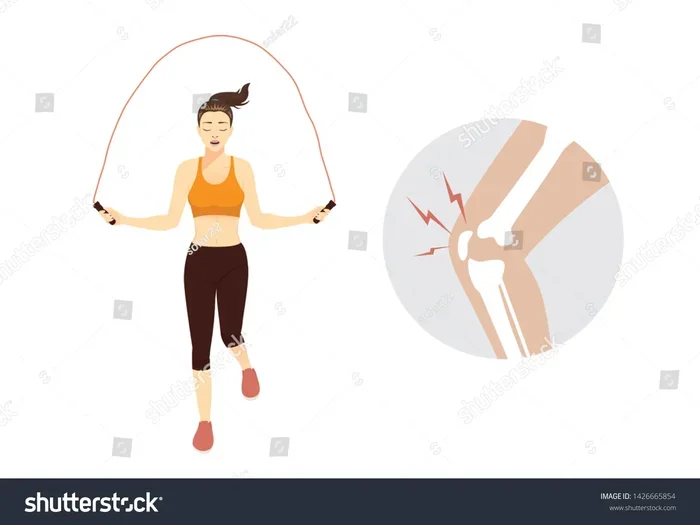
Jumping rope with a torn meniscus is generally not recommended, especially in the early stages of recovery. The repetitive impact on your knees can make the injury worse and delay healing. However, once your doctor clears you, there are ways to ease back into jump rope safely with modifications and knee-friendly techniques.
Dealing with a knee injury is frustrating. You want to stay active, keep burning calories, and maintain your fitness routine. But when you have a torn meniscus, every movement feels like a gamble. One of the most common questions people ask is whether they can still jump rope with a torn meniscus. The short answer is: it depends on the severity of your injury and where you are in the recovery process.
Jump rope is a fantastic exercise. It burns a ton of calories, boosts your heart health, and requires minimal equipment. But it is also a high-impact activity that puts real stress on your knee joints. If you have a torn meniscus, that stress can do more harm than good. In this article, we will break down everything you need to know about jumping rope after a meniscus tear. We will cover the risks, safer alternatives, and how to get back to your favorite exercise safely.
Key Takeaways
- A torn meniscus is a serious knee injury that needs proper medical attention before returning to high-impact exercise.
- Jumping rope puts significant stress on the knee joint, which can worsen a meniscus tear if done too early.
- Low-impact alternatives like ellipticals and cycling can keep you fit while your knee heals.
- Your doctor or physical therapist should clear you before you start jumping rope again after a meniscus injury.
- Proper warm-ups, knee braces, and soft surfaces can reduce your risk of re-injury when returning to jump rope.
- Listening to your body is the most important rule when recovering from a torn meniscus.
📑 Table of Contents
What Is a Torn Meniscus?
Your meniscus is a piece of cartilage in your knee that acts as a shock absorber between your thigh bone and shin bone. Everyone has two menisci in each knee. They cushion your joints during movement. A torn meniscus happens when this cartilage gets damaged, usually from a twisting motion or sudden impact.
Common Causes of a Meniscus Tear
- Sudden twisting of the knee during sports like basketball or soccer
- Deep squatting or kneeling for extended periods
- Degenerative changes from aging, which make the cartilage more brittle
- Direct trauma to the knee, such as a fall or collision
Meniscus tears range from minor fraying to complete tears that detach the cartilage from the bone. The severity of your tear will heavily influence whether you can do any form of jump rope exercise. A minor tear might heal with rest and physical therapy. A severe tear could require surgery and a much longer recovery timeline.
Symptoms You Should Not Ignore
If you suspect a torn meniscus, watch for these warning signs:
- Pain on the inside or outside of your knee
- Swelling that develops within 24 hours of injury
- A popping sensation at the time of injury
- Difficulty fully straightening or bending your knee
- A feeling of your knee locking or giving way
If you experience any of these symptoms, see a healthcare professional right away. Do not try to push through the pain by doing high impact cardio like jump rope. Early diagnosis leads to better outcomes.
Can You Jump Rope With a Torn Meniscus?
This is the big question, and the honest answer is: probably not right away. Jump rope with a torn meniscus can aggravate the injury and cause further damage to your knee cartilage. The repetitive bouncing motion compresses your knee joint with every landing. That compression is exactly what an injured meniscus cannot handle well.
However, the full answer is more nuanced than a simple yes or no. Let us break it down by recovery stage.
During the Acute Phase (First Few Weeks)
In the first few weeks after a meniscus tear, you should avoid jumping rope entirely. Your knee needs time to calm down. There will likely be swelling, inflammation, and significant pain. Jumping rope during this phase can increase fluid buildup in the joint and delay healing.
During this stage, focus on:
- Resting your knee and avoiding weight-bearing activities
- Applying ice for 15 to 20 minutes several times a day
- Using a knee brace if recommended by your doctor
- Gentle range-of-motion exercises prescribed by a physical therapist
During the Recovery Phase (Weeks to Months)
Once the swelling goes down and your doctor gives you the green light, you can start thinking about returning to exercise. But jumping rope is still likely off the table for now. Your knee needs to regain strength, stability, and full range of motion before handling impact again.
During this phase, your physical therapist may recommend:
- Low impact cardio options like swimming or stationary cycling
- Strengthening exercises for the muscles around your knee
- Balance and proprioception training to restore joint stability
- Gradual progression back to weight-bearing activities
After Full Recovery (Months Later)
If your meniscus tear has fully healed and you have rebuilt strength around your knee, you may be able to return to jump rope. The key word is may. Everyone recovers differently. Some people can jump rope again without any issues. Others need to make permanent changes to how they exercise to protect their knees.
Before you start, get clearance from your doctor or physical therapist. They can assess your specific situation and tell you whether your knee is ready for the demands of jump rope workouts.
Risks of Jumping Rope With a Torn Meniscus
Understanding the risks is important. When you jump rope with a torn meniscus, you expose your knee to several dangers that can make the injury worse.
Increased Inflammation and Swelling
The repetitive impact of jumping causes micro-trauma to the knee joint. If your meniscus is already damaged, this can trigger increased inflammation. More swelling means more pain and a longer recovery timeline.
Worsening of the Tear
In some cases, jumping rope can turn a minor tear into a major one. The force of landing on a hard surface can cause the torn cartilage to rip further. A larger tear may require surgical intervention, which means even more downtime away from your fitness routine.
Compensatory Movement Patterns
When your knee hurts, your body naturally tries to protect it. You might start landing differently, shifting your weight to one side, or changing your jumping form. These compensatory patterns can lead to secondary injuries in your hips, ankles, or opposite knee.
Long-Term Joint Damage
Repeatedly stressing an injured meniscus can lead to early onset osteoarthritis in the affected knee. This is a lifelong condition that causes chronic pain and reduced mobility. It is simply not worth the risk of trying to rush back to high intensity cardio too soon.
Safer Alternatives to Jump Rope After a Meniscus Injury
The good news is that you do not have to stop exercising entirely while your meniscus heals. There are plenty of low impact exercises that can keep you in shape without putting your knee at risk.
Using an Elliptical Machine
One of the best alternatives is the elliptical machine. It provides a cardio workout similar to running or jumping rope but without the jarring impact on your knees. Many people who cannot jump rope due to knee issues find that using an elliptical with a torn meniscus is a great way to stay active. The smooth, gliding motion keeps your heart rate up while protecting your joints.
Swimming and Water Aerobics
Water-based exercises are excellent for meniscus recovery. The buoyancy of the water reduces stress on your knee joint by up to 90 percent. You can get a full-body workout, burn calories, and even build strength without aggravating your injury. Swimming laps or joining a water aerobics class are both great options.
Cycling or Stationary Bike
Riding a bike, whether outdoors or on a stationary trainer, is another knee-friendly way to get your cardio in. It strengthens the muscles around your knee without the impact of jumping. Just make sure your bike seat is at the right height to avoid extra strain on your joint.
Upper Body and Core Work
Do not forget that you can still work out your upper body and core while your knee recovers. Dumbbell exercises, resistance band workouts, and plank variations can keep you strong and maintain your fitness level. This approach also prepares your body for a safer return to full body workouts once your knee is healed.
How to Protect Your Knees When Returning to Jump Rope
Once your doctor or physical therapist clears you to jump rope again, take it slow. Here are some practical tips to protect your knees and reduce the risk of re-injury.
Start on a Soft Surface
Avoid jumping on concrete or hardwood floors. Use a rubber mat, a gym floor, or even a padded surface to absorb some of the impact. A softer landing means less stress on your knee joint with every jump.
Wear Proper Footwear
Good shoes make a huge difference. Look for athletic shoes with solid cushioning and arch support. Running shoes or cross-trainers designed for cardio work are ideal. Avoid jumping barefoot or in shoes with worn-out soles.
Use a Knee Brace
A quality knee brace can provide extra stability and compression during your jump rope sessions. It helps keep the joint aligned and reduces the risk of awkward movements that could re-injure your meniscus. Ask your physical therapist for a recommendation on the right type of brace.
Warm Up Properly
Never jump straight into a jump rope session without warming up first. Spend 5 to 10 minutes doing gentle stretches, bodyweight squats, and leg swings. A proper warm-up increases blood flow to your knee, loosens the joint, and prepares your muscles for the workout ahead.
Start With Short Sessions
When you first return to jump rope, keep your sessions short. Start with just 2 to 3 minutes of light jumping and see how your knee responds. Gradually increase the duration over weeks, not days. If you feel any pain, stop immediately and rest.
Focus on Form
Good jumping form reduces knee stress. Keep your knees slightly bent, land softly on the balls of your feet, and avoid jumping too high. Your goal is to barely clear the rope. The lower your jumps, the less impact your knees absorb.
When to See a Doctor About Your Knee Pain
Not all knee pain is a torn meniscus, but you should always take it seriously. If you experience any of the following, make an appointment with your doctor:
- Persistent swelling that does not go down with rest and ice
- Sharp pain that gets worse with movement or weight-bearing
- Locking or catching sensations in your knee joint
- Inability to bear weight on the affected leg
- Pain that interferes with your daily activities or sleep
Early intervention can make a big difference in your recovery. Your doctor may recommend imaging tests like an MRI to assess the damage. From there, they can create a treatment plan that may include physical therapy, bracing, or in some cases, surgery.
Remember, trying to push through knee pain with intense exercise like jump rope can turn a minor issue into a major one. It is always better to get checked out and stay safe than to risk making things worse.
Conclusion
So, can you jump rope with a torn meniscus? The answer depends on where you are in your recovery journey. During the acute phase and early recovery, jumping rope is not a good idea. The impact can worsen your injury and lead to longer recovery times. However, once your knee has fully healed and you get the go-ahead from your healthcare provider, you may be able to return to jump rope with the right precautions.
In the meantime, there are plenty of low impact alternatives to keep you active and maintain your fitness. Use an elliptical, hit the pool, or focus on upper body work. These options keep your heart healthy and your muscles strong without putting your knee at risk.
The most important thing you can do is be patient. Your knee needs time to heal properly. Rushing back into high-impact exercise like jump rope can set you back weeks or even months. Trust the process, follow your doctor’s advice, and your body will thank you in the long run.
Stay consistent with your recovery exercises, listen to your body, and when you do get back to jumping, take it one step at a time. Your fitness journey is a marathon, not a sprint. Protect your knees now, and you will enjoy many more years of active, healthy living.
Also check out how much weight you can lose with jump rope to stay motivated during your recovery period. And remember, if you want to know more about protecting your knees, look into how to jump rope without hurting your knees for expert tips and strategies.
Frequently Asked Questions
Can I do light jump rope if my meniscus tear is minor?
Even with a minor meniscus tear, you should avoid jumping rope until your doctor or physical therapist clears you. A minor tear can still worsen with the repetitive impact of jumping. Focus on low-impact alternatives and gentle rehabilitation exercises in the meantime.
How long should I wait before jumping rope after meniscus surgery?
The recovery timeline varies depending on the type of surgery and the severity of your tear. Most people need at least 6 to 12 weeks before returning to high-impact activities like jump rope. Your surgeon or physical therapist will give you a personalized timeline based on your progress.
What exercises can I do instead of jump rope with a torn meniscus?
Great alternatives include using an elliptical machine, swimming, stationary cycling, and upper body strength training. These exercises keep your heart rate up and maintain your fitness level without putting excessive stress on your injured knee.
Will jump rope make my meniscus tear worse?
Yes, jumping rope on a torn meniscus can make the injury worse. The repetitive impact compresses the knee joint and can cause the torn cartilage to rip further. Always get medical clearance before returning to jump rope after a meniscus injury.
Can I use a knee brace while jump rope to protect my meniscus?
A knee brace can provide additional support and stability when you return to jump rope after recovery. However, a brace alone cannot protect a torn or healing meniscus from impact. Make sure your meniscus is fully healed and cleared by your doctor before using a brace for jump rope sessions.
How do I know if my knee is ready for jump rope again?
Your knee is ready for jump rope when you have full range of motion, no swelling, no pain during daily activities, and clearance from your doctor or physical therapist. Start with short, light sessions and gradually increase intensity while monitoring how your knee responds.


