How to Jump Rope Without Hurting Your Feet
Jumping rope is one of the best cardio workouts, but it can wreck your feet if you do it wrong. This guide shows you exactly how to jump rope without hurting your feet using the right shoes, proper landing technique, and simple foot exercises. Whether you are a beginner or a seasoned jumper, these tips will keep your feet healthy and pain-free.
Jump rope workouts are amazing. They burn calories fast, boost your heart health, and you can do them almost anywhere. But here is the problem many people face: your feet start hurting after just a few minutes. If you have ever wondered how to jump rope without hurting your feet, you are not alone. Foot pain is one of the most common complaints among rope jumpers, especially beginners. The good news is that with the right approach, you can enjoy all the benefits of this incredible exercise without the foot pain.
In this guide, we will walk you through everything you need to know. From choosing the right shoes to mastering your landing technique, we have got you covered. You will learn practical tips that actually work. We will also cover common mistakes that cause foot pain and share foot-strengthening exercises you can start today. By the end of this article, you will have a clear plan to keep your feet happy and healthy during every jump rope session.
Key Takeaways
- Wear the right shoes: Cushioned, supportive footwear is the single biggest factor in preventing foot pain during jump rope sessions.
- Land on the balls of your feet: Proper landing technique absorbs shock and protects your heels, ankles, and toes.
- Start slow and build up: Your feet need time to adapt to the impact of rope jumping, so ease into your routine gradually.
- Strengthen your feet: Simple exercises like toe curls and calf raises build resilience and reduce injury risk.
- Choose the right surface: Avoid hard concrete and opt for rubber mats, gym floors, or grass when possible.
- Adjust your rope length: A properly sized rope prevents awkward landings that can strain your feet.
📑 Table of Contents
Why Does Jump Rope Hurt Your Feet?
Before we fix the problem, let us understand why your feet hurt in the first place. Jumping rope puts repeated impact on your feet. Every time your feet hit the ground, your joints absorb the shock. If your technique is off or your gear is wrong, that shock builds up fast. Over time, this can lead to soreness, bruising, and even serious injuries like stress fractures.
Several factors contribute to foot pain during jump rope sessions. Your footwear plays a huge role. The surface you jump on matters too. Even your rope length can affect how your feet hit the ground. And let us not forget about your landing form. Many beginners land flat-footed or on their heels, which sends shock straight up through the foot and ankle. Understanding these causes is the first step toward pain-free rope jumping.
If you also experience knee discomfort while jumping rope, check out our guide on how to jump rope without hurting your knees for additional tips that complement the foot care advice in this article.
Common Causes of Foot Pain
- Hard surfaces: Jumping on concrete or tile sends all the impact straight into your feet.
- Poor footwear: Running shoes with too little cushioning or flat shoes with no support are major culprits.
- Wrong rope length: A rope that is too short or too long forces you to jump at awkward heights and angles.
- Flat landing: Landing on your whole foot instead of the balls of your feet increases impact stress.
- Overtraining: Jumping for too long too soon without building up your foot endurance.
- Weak foot muscles: Feet that are not conditioned for impact are more prone to pain and injury.
How to Choose the Best Shoes for Jump Rope
The shoes you wear make or break your jump rope experience. Not all athletic shoes are created equal when it comes to rope jumping. You need footwear that offers cushion, support, and responsiveness. The right pair of shoes can mean the difference between a great workout and a painful one.
What to Look for in Jump Rope Shoes
When shopping for shoes, look for these key features. First, prioritize cushioning. The midsole should absorb shock well. Memory foam or gel inserts are great options. Second, check for ankle support. Your ankle needs to stay stable during quick jumps and directional changes. Third, look for a snug fit. Your foot should not slide around inside the shoe. A loose shoe causes blisters and awkward landings.
Avoid heavy shoes. You want something lightweight that lets your feet move naturally. Cross-training shoes and boxing shoes are popular choices among jump rope enthusiasts. Running shoes can work too, but make sure they have enough cushioning in the forefoot area since that is where your foot lands during each jump.
Shoes to Avoid
- Flat shoes: Canvas sneakers and Vans offer almost no shock absorption.
- Heavy boots: They slow you down and add unnecessary weight to each landing.
- Worn-out shoes: Old shoes lose their cushioning and support over time.
- Sandals or barefoot: Jumping barefoot on hard surfaces is a fast track to foot pain and injury.
If you want to learn more about setting up your equipment properly, our article on how to adjust a jump rope to your height covers rope sizing and setup in detail, which also affects foot comfort.
Mastering the Proper Jump Rope Landing Technique
This is the most important section of this article. Your landing technique directly determines how much impact your feet absorb with every jump. Get this right, and you will notice a huge difference in comfort and endurance.
The Ball-of-Foot Landing
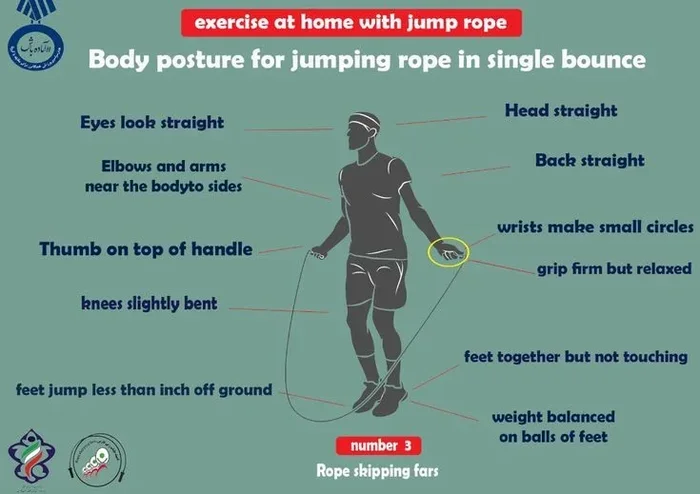
Always land on the balls of your feet. This means the front part of your foot, just behind your toes. This position naturally absorbs shock through your Achilles tendon and calf muscles. It acts like a built-in cushion system. When you land on your heels or flat feet, all that impact goes straight into your joints with no natural shock absorption.
Keep your jumps low. You only need about one to two inches of clearance off the ground. Many beginners jump too high, which increases impact and wastes energy. A low, controlled bounce is all you need. Think light and quiet. If your feet are making loud slapping noises on the ground, you are landing too hard.
Body Position and Posture
Stand up straight but relaxed. Keep your knees slightly bent. This lets your legs act as shock absorbers. Your core should be engaged, and your arms should stay close to your sides. Keep your wrists relaxed and rotate the rope from your wrists, not your arms. When your whole body is aligned properly, your feet land more naturally and with less strain.
If you are new to jump rope, start with basic two-foot jumps. Once you feel comfortable, you can progress to alternate foot steps and other advanced techniques. Rushing into complex moves too soon is a common cause of foot and ankle injuries.
Foot Strengthening Exercises for Jump Rope
Strong feet are resilient feet. Just like you build strength in your legs and core, your feet need conditioning too. Strong foot muscles improve your balance, stability, and shock absorption during jump rope sessions. Here are some simple exercises you can do every day.
Toe Curls and Towel Scrunches
Place a small towel flat on the floor. Use your toes to scrunch the towel toward you. This exercise strengthens the small muscles in your feet and toes. Do three sets of fifteen reps on each foot. You will feel the burn in the arch area, which is exactly what you want.
Calf Raises
Stand on the edge of a step with your heels hanging off. Raise up onto your toes, hold for two seconds, then lower your heels below the step level. This builds calf strength and improves ankle stability. Strong calves support your feet during every jump and landing. Aim for three sets of twenty reps.
Arch Rolls
Roll a tennis ball or massage ball under your foot for two to three minutes per foot. This loosens the plantar fascia and improves blood flow. Do this especially after a jump rope session. It helps with recovery and prevents stiffness in the arches.
Single-Leg Balance
Stand on one foot for thirty seconds, then switch. This simple exercise improves proprioception and ankle stability. Try it on a soft surface first, then progress to a harder surface as you get stronger. Better balance means more controlled landings and less foot strain.
For more workout duration guidance, check out our article on how long you should jump rope to see results to build a routine that allows your feet time to recover and adapt.
Choosing the Right Surface for Jump Rope
The surface you jump on matters more than most people realize. Hard concrete is the enemy of happy feet. Every jump sends a shockwave through your body, and your feet take the brunt of it. Choosing the right surface can dramatically reduce foot pain and prevent long-term injuries.
Best Surfaces for Jump Rope
- Rubber gym mats: These are the gold standard. They provide excellent shock absorption and are commonly found in gyms and home workouts.
- Wooden gym floors: Hardwood floors with some give are gentle on the feet and provide good bounce.
- Outdoor rubber tracks: If you exercise outside, a rubber track is a great option.
- Grass: Soft and forgiving, grass is easy on your feet, but watch for uneven ground.
- Interlocking foam tiles: These are affordable and work well for home setups.
Surfaces to Avoid
- Concrete: The hardest and most damaging surface for repeated jumping.
- Asphalt: Better than concrete but still too hard for extended sessions.
- Tile or hardwood without padding: These surfaces lack natural shock absorption.
- Uneven ground: Bumpy or slanted surfaces increase the risk of ankle rolls and awkward foot landings.
If you do not have access to a mat, consider placing a piece of plywood over a thick yoga mat or carpet. This creates a slightly cushioned surface that is much better than bare concrete or tile.
Common Mistakes That Cause Foot Pain
Most foot pain from jump rope comes from preventable mistakes. By knowing what to avoid, you can save yourself a lot of pain and keep your workouts consistent. Here are the biggest mistakes people make.
Jumping Too High
This is the number one mistake. You do not need to clear the rope by a foot or more. A small hop is all it takes. Jumping high increases impact on every landing and wastes energy. Keep your jumps minimal and efficient.
Wearing the Wrong Socks
Socks matter more than you think. Thin cotton socks provide almost no padding or moisture-wicking. Invest in athletic socks with cushioning in the heel and ball of the foot. Moisture-wicking materials prevent blisters and keep your feet comfortable during longer sessions.
Skipping Warm-Ups
Cold muscles and stiff feet are injury-prone feet. Always warm up before jumping rope. Five to ten minutes of light cardio and dynamic foot stretches prepare your body for impact. A good warm-up increases blood flow to the feet and loosens the joints.
Ignoring Pain Signals
Some people push through foot pain thinking it is just part of the workout. This is a dangerous mindset. Mild soreness after a new workout is normal, but sharp or persistent pain is not. Listen to your body and rest when needed. Ignoring pain can turn a minor issue into a serious injury that keeps you off your feet for weeks.
Not Resting Enough Between Sessions
Your feet need time to recover, just like any other muscle group. Jumping rope every single day without rest is a recipe for overuse injuries. Start with three to four sessions per week and allow rest days in between. As your feet adapt, you can increase frequency gradually.
When to See a Doctor About Foot Pain
Most foot pain from jump rope is mild and goes away with rest and better technique. However, some situations require professional medical attention. Do not ignore warning signs that could indicate a more serious problem.
See a doctor if you experience any of the following. Sharp, stabbing pain in the foot or heel that does not go away after rest. Swelling or bruising that gets worse over time. Pain that interferes with your daily walking or standing. Numbness or tingling in your toes or feet. A popping or snapping sensation during or after jumping. These symptoms could indicate a stress fracture, plantar fasciitis, or other conditions that need proper treatment.
Early intervention is always better than waiting for a small problem to become a big one. A sports medicine doctor or podiatrist can assess your foot health and recommend specific treatments or modifications to keep you jumping safely.
Conclusion
Learning how to jump rope without hurting your feet comes down to a few key habits. Wear properly cushioned shoes that support your arches and absorb shock. Master the ball-of-foot landing technique and keep your jumps low and controlled. Choose a forgiving surface like rubber mats or grass instead of concrete. Strengthen your feet with simple daily exercises and always warm up before your sessions. Avoid common mistakes like overtraining, wearing the wrong socks, and ignoring pain signals.
Your feet carry you through every workout, every day. Taking care of them is not optional, it is essential. Apply the tips in this guide and you will notice less pain, better performance, and more enjoyment from your jump rope sessions. Start today, take it slow, and let your feet build strength over time. Happy jumping!
Frequently Asked Questions
What shoes are best for jumping rope without hurting your feet?
Cross-training shoes and boxing shoes are the best options because they offer lightweight cushioning and good ankle support. Look for shoes with thick midsoles and firm heel counters. Avoid flat shoes like canvas sneakers, which provide almost no shock absorption for repeated jumping impacts.
How do I know if my jump rope length is correct?
Stand on the middle of the rope and pull the handles up. The handles should reach your armpits or just below them. A rope that is too short forces you to jump higher, which increases foot impact. If you are unsure, check out our guide on how to adjust a jump rope to your height for a step-by-step sizing method.
Can jumping rope cause long-term foot damage?
Yes, if you jump with poor technique on hard surfaces without proper shoes, over time it can lead to stress fractures, plantar fasciitis, and chronic heel pain. However, with the right shoes, proper landing technique, and adequate rest, jump rope is a safe and effective exercise that strengthens your feet over time.
How long should I wait before jumping rope again if my feet hurt?
Take at least two to three days off if you have mild foot soreness. If the pain is sharp or persistent, rest for a week and consider seeing a doctor. Returning to jumping too soon after foot pain can turn a minor strain into a serious injury. Listen to your body and ease back in gradually.
Is it better to jump rope barefoot?
No, jumping barefoot on any hard surface is not recommended. Your feet need the cushioning and protection that shoes provide. The only exception is on very soft, even surfaces like thick grass, and even then, the risk of injury is higher. Always wear proper athletic shoes designed for impact activities.
What is the best surface to jump rope on to protect my feet?
Rubber gym mats are the best surface for jump rope. They absorb shock effectively and protect your feet from excessive impact. Wooden gym floors, outdoor rubber tracks, and grass are also good options. Avoid concrete, asphalt, and hard tile floors, which transmit almost all the shock directly into your feet and joints.