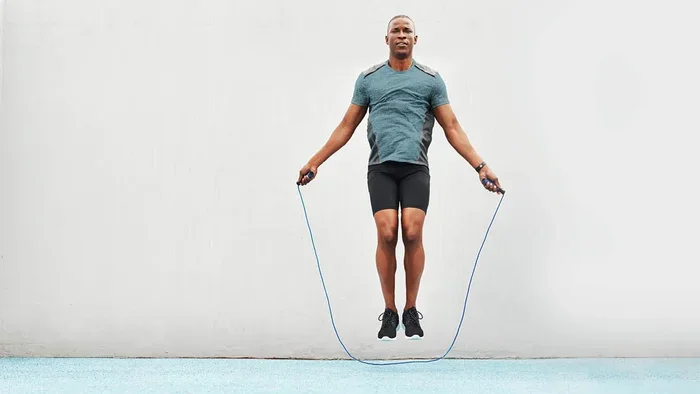
How to Teach a Dog to Jump Rope
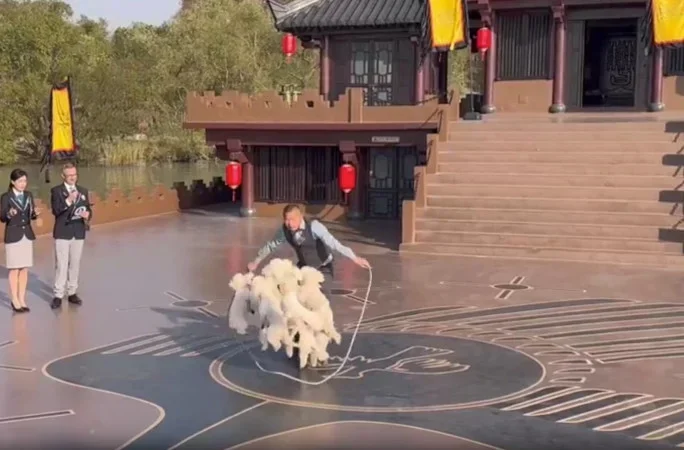
Teaching your dog to jump rope is a fun way to boost canine fitness and build a stronger bond. This guide walks you through every step, from choosing the right equipment to advanced tricks. You will learn safe training methods, common mistakes to avoid, and expert tips that make the process easy and enjoyable for both you and your pup.
Have you ever watched a dog jump rope and thought, “I wish my pup could do that”? The truth is, teaching a dog to jump rope is easier than most people think. With the right approach, patience, and a handful of treats, you can turn this impressive trick into a shared activity that keeps both of you active and happy.
How To Teach A Dog To Jump Rope is not just about showing off at the dog park. It is a fantastic way to give your dog a cardio workout, sharpen their focus, and deepen the trust between you. Jump rope training combines physical exercise with mental stimulation, which is exactly what active dogs need to stay healthy and well-behaved.
In this guide, we will break down every step of the process. You will learn how to select the proper equipment, set up a safe training space, and build your dog’s confidence one jump at a time. Whether you are a seasoned dog trainer or a complete beginner, these methods work for dogs of all ages and sizes.
Before you grab a rope and start swinging, it helps to understand what makes dogs tick during training. Dogs respond best to short, positive sessions that feel like play rather than work. Keep that mindset front and center, and you will see progress faster than you expected.
Key Takeaways
- Start with the right rope: Choose a lightweight, dog-safe jump rope that suits your pet’s size and height.
- Use positive reinforcement: Treats and praise make training sessions fun and effective for your dog.
- Build skills gradually: Progress from basic steps to full jumps over several short training sessions.
- Safety always comes first: Watch for signs of fatigue and avoid hard surfaces to protect your dog’s joints.
- Consistency is key: Short, regular sessions produce better results than long, infrequent ones.
- Make it fun: Turn training into playtime so your dog stays motivated and excited.
📑 Table of Contents
Why Jump Rope Training Is Great for Dogs
Jump rope training offers benefits that go far beyond a cool trick. It engages your dog’s body and mind in ways that simple walks or fetch sessions cannot match. Let us explore why this activity deserves a spot in your dog’s routine.
Physical Benefits of Jumping Rope with Dogs
Just like how long you should jump rope for a good workout matters for humans, the duration and intensity of rope jumping matters for dogs too. Jumping rope helps dogs build leg strength, improve coordination, and boost cardiovascular health. It is a high-energy activity that burns calories quickly, making it ideal for dogs that need to shed a few pounds.
Unlike running on a leash, jump rope training engages the core muscles and improves balance. Dogs that jump regularly often develop better posture and agility. This is especially valuable for breeds that thrive on physical challenges, such as Border Collies, Australian Shepherds, and Jack Russell Terriers.
Mental Stimulation and Bonding
Dogs get bored easily, and boredom often leads to destructive behavior. Jump rope training gives your dog a mental puzzle to solve. They must watch the rope, time their jumps, and respond to your cues. This kind of focus is mentally exhausting in the best way possible.
Training sessions also create a powerful bonding experience. When your dog learns something new and you celebrate that success together, trust grows. Your dog starts to see you as a partner in fun, not just a provider of food and walks. That emotional connection makes all the difference in your relationship.
Choosing the Right Jump Rope for Your Dog
Not all jump ropes are created equal, and using the wrong one can make training frustrating or even dangerous. Selecting the proper equipment is the first real step in your journey to teach a dog to jump rope successfully.
Rope Length and Dog Size
The length of the rope matters just as much for dogs as it does for humans. If you are wondering how long a jump rope needs to be for your furry friend, a good rule of thumb is this: when your dog stands on the center of the rope, the handles should reach up to their shoulders. This ensures the rope clears the ground without dragging or being too high.
For smaller dogs, use a lightweight rope made of nylon or thin fabric. Larger breeds need a slightly heavier rope that rotates smoothly. Avoid ropes with heavy beads or metal components, as these can injure your dog if they accidentally hit them with a paw.
Safety Features to Look For
Look for ropes with padded or foam handles. These are easier for you to grip and safer if your dog ever grabs the rope during training. A smooth, tangle-free design prevents snagging on your dog’s fur or paws. Some owners prefer beaded ropes because they make a gentle sound that helps dogs anticipate the rope’s movement.
If you are new to jump rope training, consider starting with a shortened rope that you can adjust as your dog improves. This gives you more control over the speed and height of each swing. You can always lengthen it later once your dog masters the basics.
Setting Up for Training Success
A proper setup makes all the difference between a productive session and a frustrating one. Before your first training session, take a few minutes to prepare the space and gather your supplies.
Picking the Right Location
Choose a flat, open area with a soft surface. Grass is ideal because it cushions your dog’s joints and reduces the impact of landing. Avoid concrete or asphalt, which can strain your dog’s paws and legs over time. A fenced yard or a quiet indoor space works perfectly.
Make sure the area is free of obstacles. Clear away toys, garden hoses, or anything your dog might trip over. You want a clean runway where both you and your dog can move freely without worry. If you are training indoors, a room with high ceilings is essential so the rope has enough clearance.
Gathering Your Training Supplies
You will need three things: a dog-safe jump rope, high-value treats, and a calm, patient attitude. Choose treats that your dog absolutely loves, something they only get during training sessions. This makes the rewards feel extra special and keeps them motivated to participate.
Keep the training session short. Five to ten minutes is plenty for a beginner session. Dogs learn best when they are still engaged and having fun, not when they are tired or bored. If you notice your dog losing interest, end the session on a positive note and try again later.
Step-by-Step Training Guide
Now comes the exciting part. Here is a clear, step-by-step roadmap for how to teach a dog to jump rope. Follow these stages in order, and do not rush your dog through the process. Each step builds on the last, so patience pays off.
Step 1: Get Your Dog Comfortable with the Rope
Start by letting your dog sniff and investigate the rope on the ground. Do not swing it yet. Let them bat at it, chew on it gently, and get used to the texture and sound. Reward any calm interaction with a treat and praise.
Next, hold the rope still and let your dog walk over it. Place the rope flat on the ground and lure your dog across with a treat. Every time they step over the rope, click or say “yes” and give them a reward. Repeat this several times until your dog happily walks over the rope without hesitation.
Step 2: Introduce Gentle Swinging
Once your dog is comfortable stepping over a still rope, it is time to introduce movement. Hold one handle and swing the rope gently on the ground, creating a slow, low arc. Do not swing it over your dog yet. Just let them watch the rope move and hear the sound it makes.
Reward your dog for staying calm and watching the rope. If they try to chase or grab it, redirect them gently with a treat and praise when they focus on you instead. This step teaches your dog that the moving rope is safe and predictable.
Step 3: Swing the Rope Over Your Dog
With the rope still on the ground, swing it gently over your dog’s back while they are standing still. Keep the motion slow and the rope low. Immediately reward your dog for staying in place while the rope passes over them.
Repeat this several times in short bursts. The goal is to desensitize your dog to the feeling of the rope moving over their body. Some dogs take to this instantly, while others need a few sessions to build confidence. Both responses are completely normal.
Step 4: Add the Jump
Now the real magic begins. Stand a few feet away from your dog and swing the rope slowly toward them. The moment your dog naturally jumps over the rope, reward them generously. Do not try to force or lure them into the air. Let the dog figure out the timing on their own.
Most dogs catch on quickly once they realize that jumping earns them a treat. If your dog seems confused, go back to the previous step and practice a little longer. Every dog learns at their own pace, and there is no shame in taking it slow.
Step 5: Build Rhythm and Repetition
Once your dog is jumping over the rope consistently, start increasing the speed and rhythm of your swings. Begin with single jumps and gradually work up to multiple consecutive jumps. Always keep the sessions short and end on a high note.
You can also practice how long is a good time to jump rope with your dog. Aim for sessions of five to ten minutes, two to three times per week. This frequency keeps your dog engaged without causing physical strain or mental fatigue.
Common Mistakes to Avoid
Even the most enthusiastic dog owners make mistakes when training their dogs to jump rope. Being aware of these pitfalls helps you avoid them and keeps the training experience positive for everyone.
Starting Too Fast
The biggest mistake is rushing through the steps. If you swing the rope over your dog before they are comfortable, you risk scaring them and setting back your progress. Trust the process and let your dog set the pace. Each dog has a unique comfort level, and respecting that builds lasting confidence.
Using the Wrong Rope
A heavy or tangled rope makes training miserable for your dog. Avoid ropes with rough textures, sharp edges, or excessive weight. A lightweight, smooth rope ensures each swing is safe and comfortable. If you are unsure about sizing, check how to measure a jump rope for your height as a reference, then adjust for your dog’s size accordingly.
Ignoring Fatigue Signals
Dogs cannot tell you when they are tired, so you must watch for signs. Excessive panting, slowing down, or losing interest in treats are all indicators that your dog needs a break. Never push a dog through a training session when they are showing signs of exhaustion. Rest is just as important as practice.
Skipping the Reward System
Some owners forget to reward their dogs during training. Treats and praise are the fuel that drives canine learning. Without them, your dog has no reason to repeat the behavior. Always keep treats handy and reward desired actions immediately so your dog makes the clear connection between jumping and getting a treat.
Advanced Jump Rope Tricks for Dogs
Once your dog has mastered the basic jump, you can explore more advanced techniques. These tricks add variety to your training sessions and challenge your dog both physically and mentally.
Double Jumps and Speed Routines
Double jumps involve swinging the rope twice in quick succession while your dog jumps each time. Start slowly and increase speed only when your dog is ready. This advanced move requires excellent timing from both you and your dog, so be patient as you work through it.
Jump Rope with Commands
You can combine jump rope training with verbal commands like “jump,” “sit,” and “stay.” This adds a layer of obedience training to the activity. Your dog learns to respond to cues while performing a physical task, which strengthens their overall training foundation. It also makes the activity more structured and easier to control.
Turning Jump Rope into a Fitness Routine
Just as how much jump rope a day to lose weight is a common question for people, dog owners often wonder how to structure rope jumping as a regular fitness routine for their pets. Start with two short sessions per week and gradually increase frequency. Monitor your dog’s energy levels and adjust accordingly. A well-structured routine keeps your dog fit without overdoing it.
You can also combine jump rope with other exercises like fetch or agility drills. This creates a well-rounded workout that targets different muscle groups and keeps training sessions fresh and exciting. Variety is the spice of life, and the same goes for your dog’s exercise regimen.
Expert Tips for Long-Term Success
Professional dog trainers agree that consistency, positivity, and adaptability are the keys to lasting training success. Here are a few expert-backed tips that will help you and your dog get the most out of jump rope sessions.
First, always end sessions while your dog still wants more. This keeps them excited for the next training session and prevents them from associating the activity with exhaustion. Second, vary the routine regularly. Swap out tricks, change the location, or invite a friend and their dog to join. Novelty keeps your dog engaged and eager to participate.
Third, track your progress. Keep a simple log of what your dog mastered in each session. This helps you identify patterns, celebrate milestones, and plan future training goals. Seeing tangible progress is incredibly motivating for both you and your dog.
Finally, remember that the goal is enjoyment. If your dog is not having fun, something needs to change. Maybe the session is too long, the rope is the wrong size, or the treats are not motivating enough. Stay flexible and willing to adjust your approach. The best training happens when both you and your dog look forward to it.
Conclusion
How To Teach A Dog To Jump Rope is a rewarding journey that strengthens your dog’s body, sharpens their mind, and deepens your bond. By following the steps outlined in this guide, you set yourself and your pup up for success. Start with the right equipment, build skills gradually, and always prioritize safety and fun above all else.
Remember that every dog learns differently. Celebrate small wins, stay patient through challenges, and keep the training sessions short and positive. With consistency and a good attitude, you will be amazed at what your dog can achieve. So grab a rope, gather some treats, and start this exciting adventure with your four-legged friend today.
Frequently Asked Questions
What kind of jump rope is best for dogs?
A lightweight rope made of nylon or soft fabric is ideal for most dogs. Avoid ropes with heavy beads, metal components, or rough textures that could hurt your dog’s paws or fur. The rope should be long enough to clear the ground comfortably when your dog stands on the center.
How long does it take to teach a dog to jump rope?
Most dogs learn the basics within two to four weeks of consistent, short training sessions. However, every dog is different. Some pick it up in just a few days, while others may need several weeks of gradual practice. Patience and positive reinforcement make all the difference.
Is jump rope training safe for all dog breeds?
Jump rope training is generally safe for healthy dogs, but it is not suitable for all breeds. Dogs with joint issues, obesity, or short legs may struggle with jumping. Always consult your veterinarian before starting a new exercise routine, especially if your dog has pre-existing health conditions.
Can puppies learn to jump rope?
It is best to wait until a puppy is fully grown before introducing jump rope training. Puppies have developing bones and joints, and repetitive jumping can cause damage. Wait until your dog is at least one year old, or longer for large breeds, before starting rope jumping activities.
How often should I practice jump rope with my dog?
Two to three sessions per week, lasting five to ten minutes each, is ideal for most dogs. This frequency provides enough exercise and mental stimulation without causing fatigue or burnout. Always watch your dog for signs of tiredness and adjust the schedule as needed.
What if my dog is afraid of the jump rope?
Fear is completely normal, especially at the beginning. Go back to the basics and let your dog investigate the rope at their own pace. Reward any calm behavior around the rope and never force your dog to interact with it. With time and positive reinforcement, most dogs overcome their initial hesitation and learn to enjoy the activity.