How Many Reps on a Rowing Machine 2
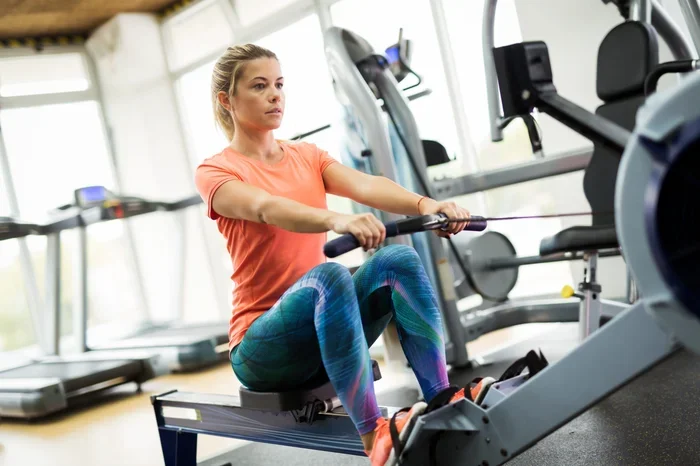
Knowing how many reps on a rowing machine can make or break your workout results. The right number of strokes depends on your fitness level, goals, and the type of training you are doing. This guide breaks down everything you need to know about rowing machine reps, from beginner routines to advanced interval training.
You step up to the rowing machine, ready to crush a workout. But then the question hits you. How many reps should I actually do? It is one of the most common questions people ask when they start indoor rowing. And the answer might surprise you.
The truth is, there is no single magic number. The right number of reps on a rowing machine depends on several factors. Your fitness level, your goals, the type of workout you are doing, and even your experience with the ergometer all play a role. This guide walks you through everything you need to know. By the end, you will have a clear plan to follow.
Let us break it down. Whether you are just starting out or you are a seasoned athlete, understanding rowing machine reps will help you get better results in less time. No guesswork. No confusion. Just practical, actionable advice you can use today.
Key Takeaways
- Reps on a rowing machine refer to strokes: Each pull and return equals one rep or stroke.
- Beginners should start with 10 to 20 reps per set: This builds technique and endurance without burnout.
- HIIT workouts use shorter rep ranges: Think 20 to 50 reps per interval for maximum calorie burn.
- Endurance training calls for longer sets: 100 to 500 reps help build aerobic capacity over time.
- Rest periods matter just as much as reps: Proper recovery between sets prevents injury and boosts performance.
- There is no one-size-fits-all number: Your ideal rep count depends on your personal fitness goals and current level.
📑 Table of Contents
- What Are Reps on a Rowing Machine?
- How Many Reps Should Beginners Do?
- How Many Reps for Weight Loss?
- How Many Reps for Endurance Training?
- How Many Reps for HIIT Workouts?
- How Many Sets Should You Do?
- Common Mistakes to Avoid with Rep Counting
- Expert Tips for Maximizing Your Reps
- How to Track Your Progress
- Final Thoughts
What Are Reps on a Rowing Machine?
Before we dive into numbers, let us clarify what a rep actually means on a rowing machine. In weightlifting, a rep is one complete movement of an exercise. On a rowing machine, the same idea applies. One rep is one full stroke. That means you push off with your legs, pull the handle to your chest, and then return to the starting position.
Some people call these strokes instead of reps. Others refer to them as rowing machine splits or simply strokes per minute. The terminology varies, but the concept stays the same. Every time you complete that full push-pull-return motion, that is one rep.
Understanding this basics helps you track your progress. When you see a number like 50 reps, you know exactly what that means. Fifty full strokes on the machine. It sounds simple, but this clarity makes a huge difference when you are planning a workout.
Why Rep Count Matters
The number of reps you choose directly affects your workout. Too few reps and you might not challenge yourself enough. Too many and you could burn out early or risk poor form. Finding the sweet spot is key. The right rep count pushes your muscles and your cardiovascular system without breaking your technique.
Think of it this way. If your goal is to build rowing machine endurance, you need a higher rep count. If you want to focus on power and speed, fewer reps with more intensity work better. The rep count shapes the entire workout experience.
How Many Reps Should Beginners Do?
If you are new to the rowing machine, you do not need to go all out from day one. Starting slow is the smartest approach. Most beginners should aim for 10 to 20 reps per set. That might sound low, but trust the process. Your body needs time to learn the proper rowing machine technique before you can handle higher volumes.
Here is a simple beginner structure to follow:
- Warm-up: 3 to 5 minutes of easy rowing at a low resistance
- Set 1: 10 to 15 reps at a comfortable pace
- Rest: 60 to 90 seconds
- Set 2: 10 to 15 reps
- Cool-down: 3 to 5 minutes of light rowing
This gives you roughly 20 to 30 total reps per session. That is a solid starting point. Over the next few weeks, you can gradually increase the number of sets or reps. The key is consistency. Showing up regularly matters more than going hard once.
Focus on your form during these early reps. Keep your back straight. Drive through your legs first. Then pull with your arms. Return slowly. If you rush through reps, you will sacrifice technique and increase your risk of injury. Quality always beats quantity on the rowing machine.
How Many Reps for Weight Loss?
Want to use the rowing machine for fat burning? Rep count plays a big role here. When your goal is weight loss, you want to keep your heart rate elevated. This means higher rep counts and shorter rest periods.
A good range for weight loss is 30 to 50 reps per set. You can do 4 to 6 sets with 30 to 60 seconds of rest between them. This keeps the intensity high while still allowing enough recovery to maintain good form.
One of the best approaches for weight loss is interval training on the rowing machine. You alternate between high-intensity bursts and recovery periods. During the high-intensity bursts, you push through 20 to 30 reps as fast as you can. During recovery, you slow down and row easy for 1 to 2 minutes.
This type of training burns a significant number of calories burned on rowing machine sessions. Studies show that interval training can torch more calories than steady-state cardio in less time. Plus, the afterburn effect keeps your metabolism elevated long after you step off the machine.
Sample Weight Loss Rep Scheme
- Warm-up: 5 minutes easy rowing
- Interval 1: 30 fast reps
- Recovery: 1 minute easy rowing
- Interval 2: 30 fast reps
- Recovery: 1 minute easy rowing
- Interval 3: 25 fast reps
- Recovery: 1 minute easy rowing
- Interval 4: 25 fast reps
- Cool-down: 5 minutes light rowing
This workout gives you about 110 total reps in roughly 25 minutes. That is a powerful rowing machine cardio workout that torches calories and builds endurance at the same time.
How Many Reps for Endurance Training?
Endurance training on the rowing machine is all about volume. You want to sustain effort over a longer period. This means higher rep counts and moderate intensity. The goal is to train your body to keep going without fatiguing too quickly.
For endurance building, aim for 100 to 200 reps per session. You can break this into multiple sets. For example, 4 sets of 50 reps with 45 seconds of rest between sets. Or you can row continuously at a steady pace and count your total reps over 15 to 20 minutes.
Endurance reps are not about speed. They are about consistency. Keep your stroke rate steady and your form solid. A good target strokes per minute for endurance is 20 to 26. This is a comfortable pace that lets you sustain effort for longer periods.
Many people also use the rowing machine for long-distance training. Instead of counting reps, they focus on covering a set distance. For instance, rowing 2,000 meters at a steady pace counts as a fantastic endurance workout. The distance becomes your rep count in a way.
Endurance Progression Plan
Start where you are. If 100 reps feels tough, that is okay. Here is how you can build up over time:
- Week 1 to 2: 100 total reps across 3 sets
- Week 3 to 4: 150 total reps across 4 sets
- Week 5 to 6: 200 total reps across 4 sets
- Week 7 and beyond: 250+ total reps or longer time intervals
Gradual progression prevents burnout and injury. Your body adapts to the demands you place on it. Give it time, and you will see real improvements in your rowing machine endurance.
How Many Reps for HIIT Workouts?
High-intensity interval training, or HIIT, is one of the most effective ways to use a rowing machine. HIIT involves short bursts of maximum effort followed by brief recovery periods. The rep count for HIIT is lower than endurance training, but the intensity is much higher.
A typical HIIT set on the rowing machine includes 15 to 30 reps at maximum effort. That might not sound like a lot, but when you are pushing at peak intensity, those 15 to 30 reps feel incredibly challenging. The goal is to give everything you have during each burst.
Here is a popular HIIT structure for the rowing machine:
- Work interval: 20 to 30 seconds of all-out rowing (about 15 to 25 reps)
- Rest interval: 10 to 30 seconds of easy rowing or complete rest
- Repeat: 8 to 12 rounds
- Total workout time: 15 to 25 minutes
This style of training is incredibly efficient. You get a full-body workout in a short amount of time. The rowing machine HIIT approach targets both your anaerobic and aerobic systems. It improves speed, power, and cardiovascular fitness all at once.
Why HIIT Reps Work So Well
The magic of HIIT lies in its ability to maximize calorie burn in minimal time. When you push hard for 20 to 30 seconds, your body demands oxygen at an extremely high rate. After the workout, your body continues to consume oxygen at an elevated rate. This is called excess post-exercise oxygen consumption, or EPOC. In simple terms, you keep burning calories even after you stop rowing.
Plus, HIIT workouts are incredibly time-efficient. A 20-minute HIIT session can deliver results comparable to a 40-minute steady-state workout. If you are short on time but want maximum results, HIIT is the way to go.
How Many Sets Should You Do?
Reps are only half the equation. The number of sets you complete matters just as much. Sets determine the total volume of your workout. Too few sets and you will not challenge your body enough. Too many sets and you risk overtraining.
Here is a quick breakdown of sets based on your goal:
| Goal | Reps Per Set | Number of Sets | Rest Between Sets |
|---|---|---|---|
| Beginner | 10 to 20 | 2 to 3 | 90 seconds |
| Weight Loss | 30 to 50 | 4 to 6 | 30 to 60 seconds |
| Endurance | 50 to 100 | 3 to 5 | 45 to 60 seconds |
| HIIT | 15 to 30 | 8 to 12 | 10 to 30 seconds |
| Strength and Power | 5 to 10 | 4 to 6 | 2 to 3 minutes |
This table gives you a clear starting point. You can adjust the numbers based on how your body responds. The beauty of the rowing machine is its flexibility. You can always tweak the resistance level, the stroke rate, or the duration to match your needs.
For those looking to build strength and power on the machine, keep your reps low and your rest long. Focus on driving hard with explosive power. This style of training builds muscle and improves your overall rowing machine performance.
Common Mistakes to Avoid with Rep Counting
Even with a solid plan, mistakes can derail your progress. Here are the most common errors people make when counting reps on a rowing machine:
- Rushing through reps: Speed matters less than proper form. Sloppy reps waste energy and increase injury risk.
- Skipping warm-ups: Jumping straight into high-rep sets without warming up is a recipe for disaster.
- Ignoring rest periods: Rest is when your body recovers and grows. Skipping rest kills your performance.
- Chasing numbers over quality: Doing 100 bad reps is worse than doing 30 perfect ones. Always prioritize technique.
- Not tracking your reps: If you do not track, you cannot improve. Use a log or a fitness app to record your numbers.
Avoiding these mistakes will keep you on track. It will also help you get the most out of every session on the rowing machine. Remember, the goal is progress, not perfection.
Expert Tips for Maximizing Your Reps
Want to get the most out of every rep on the rowing machine? Here are some expert-backed tips that make a real difference:
- Drive with your legs first: About 60 percent of the power in each stroke comes from your legs. Push hard through your feet before pulling with your arms.
- Keep your back straight: A neutral spine protects your lower back and improves power transfer. Never round your back during a stroke.
- Control the return: The recovery phase matters just as much as the drive. Move slowly and deliberately back to the starting position.
- Breathe consistently: Exhale during the drive and inhale during the recovery. Proper breathing keeps you energized throughout the set.
- Use the right resistance: Too much resistance slows your stroke rate. Too little does not challenge you enough. Find a level that feels tough but manageable.
- Monitor your stroke rate: Aim for 24 to 30 strokes per minute during intense sets and 18 to 24 during recovery. This helps you stay in the right zone.
These tips come from coaches and experienced rowers. They work because they focus on the fundamentals. You do not need fancy equipment or complicated programs. Just solid technique and smart rep planning.
How to Track Your Progress
Tracking your rowing machine reps over time is one of the best ways to stay motivated and see real results. Here are simple ways to do it:
- Use the machine’s display: Most rowing machines show your stroke count, distance, and time. Keep an eye on these numbers.
- Keep a workout journal: Write down your reps, sets, and how you felt after each session.
- Use a fitness app: Apps like Concept2’s performance tracker let you log every workout and compare results over time.
- Set weekly goals: Instead of focusing on one big number, set small weekly targets. For example, add 10 total reps each week.
Progress tracking keeps you accountable. It also helps you identify patterns. Maybe you notice that your reps drop on tired days. Or perhaps you see a steady upward trend that keeps you motivated. Either way, tracking makes a huge difference.
Final Thoughts
So, how many reps on a rowing machine should you do? The answer depends entirely on you. Your fitness level, your goals, and your available time all shape the right number. Beginners should start with 10 to 20 reps per set. Those focused on weight loss should aim for 30 to 50 reps per set with short rest. Endurance athletes can push toward 100 to 200 reps per session. HIIT lovers will thrive on 15 to 30 reps at maximum intensity.
The most important thing is to start. Pick a number that feels challenging but doable. Focus on form. Track your progress. Adjust as you go. The rowing machine is one of the most versatile pieces of workout equipment you can use. It works your entire body, burns serious calories, and adapts to any fitness level.
Now that you know how many reps to do, it is time to get on the machine and put this knowledge to work. Your future self will thank you. Start today, stay consistent, and watch your results grow. The rowing machine is waiting for you.
Frequently Asked Questions
What does one rep mean on a rowing machine?
One rep on a rowing machine is one complete stroke. That means you push with your legs, pull the handle to your chest, and return to the starting position. Each full cycle counts as a single rep.
How many reps should I do on a rowing machine to lose weight?
For weight loss, aim for 30 to 50 reps per set with 4 to 6 sets per workout. Combine this with short rest periods of 30 to 60 seconds. This keeps your heart rate elevated and maximizes calorie burn during your session.
Is it better to do more reps or more sets on a rowing machine?
It depends on your goal. For endurance, more reps per set works well. For strength and power, fewer reps with more sets and longer rest is better. A balanced approach with moderate reps and sets suits most people.
Can I do too many reps on a rowing machine?
Yes, you can. Doing too many reps with poor form increases your risk of injury, especially in your lower back. Always prioritize quality over quantity. If your form starts to break down, take a break or reduce your rep count.
How often should I row to see results?
Most people see noticeable improvements after 3 to 4 rowing sessions per week. Each session should last 20 to 40 minutes depending on your workout type. Consistency matters more than intensity when you are just starting out.
Should I count reps or time when rowing?
Both methods work well. Counting reps gives you precise control over volume. Timing your workouts works better for steady-state or endurance sessions. Try both approaches and see which one fits your goals and preferences better.