Is a Rowing Machine Better Than a Bike
A rowing machine offers a full-body workout that engages over 80% of your muscles, while a bike focuses mainly on your lower body. Both are excellent for cardio, but the rowing machine burns more calories and builds strength at the same time. Your choice depends on your fitness goals, joint health, and personal preferences.
When it comes to home cardio equipment, two machines dominate the conversation: the rowing machine and the exercise bike. People ask this question all the time, and for good reason. Choosing the right machine affects your workouts, your results, and even how much you enjoy exercising.
The debate between a rowing machine and a bike is not about picking a winner. It is about finding the best fit for your body, your goals, and your lifestyle. Both machines offer fantastic benefits. But they serve different needs. In this guide, we break down everything you need to know.
A rowing machine gives you a full-body workout that hits your arms, legs, back, and core all at once. An exercise bike focuses on your lower body and delivers a smooth, low-impact cardio session. Some people love the rhythmic push of a bike. Others prefer the dynamic pull and drive of a rowing stroke.
If you are trying to decide which machine belongs in your home gym, keep reading. We will compare calorie burn, muscle engagement, joint impact, and more. By the end, you will have a clear answer to the question: is a rowing machine better than a bike for you?
Key Takeaways
- Full-body vs. lower-body focus: A rowing machine works your arms, back, legs, and core, while a bike primarily targets your legs and glutes.
- Calorie burn advantage: Rowing machines typically burn more calories per session than exercise bikes at similar intensity levels.
- Low impact on joints: Both are gentle on your knees, but rowing can strain your lower back if your form is poor.
- Space and cost: Exercise bikes are generally more compact and affordable than rowing machines.
- Fitness goals matter: Choose a rowing machine for total-body conditioning and a bike for focused leg toning and endurance.
- Form is critical: Proper technique on a rowing machine prevents injury and maximizes results.
- Both improve heart health: Either option boosts cardiovascular fitness when used consistently.
📑 Table of Contents
Rowing Machine vs Bike: The Big Picture
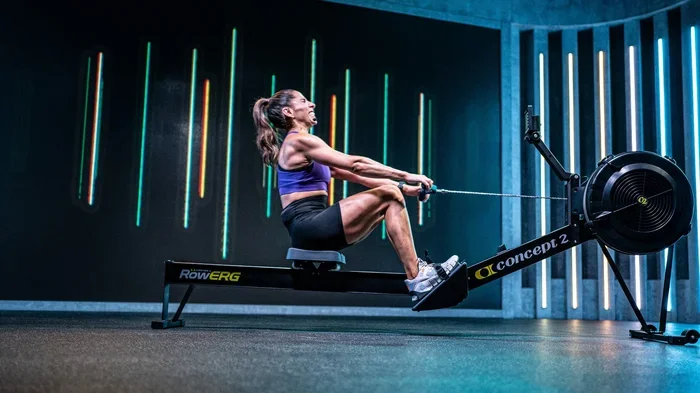
The rowing machine vs bike debate comes down to how each machine trains your body. A rowing machine mimics the motion of rowing a boat. You push with your legs, pull with your arms, and engage your core throughout every stroke. This makes it one of the most efficient full-body workouts you can do indoors.
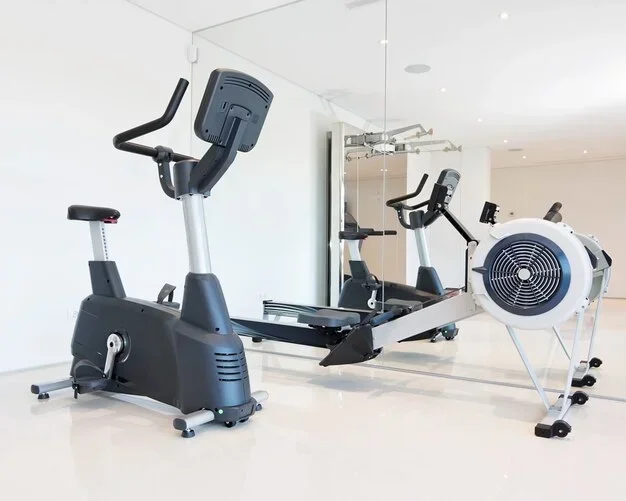
An exercise bike, on the other hand, simulates cycling. You sit and pedal, which works your quads, hamstrings, calves, and glutes. It is a great cardio workout that is easy on your joints. But it does not engage your upper body the way a rowing machine does.
Here is a quick look at how they compare:
- Rowing Machine: Engages arms, back, legs, core, and glutes. Burns high calories. Works your entire body in one session.
- Exercise Bike: Targets legs and lower body. Burns moderate calories. Delivers a smooth, seated cardio experience.
If your goal is to burn maximum calories and build strength across multiple muscle groups, the rowing machine has a clear edge. But that does not mean the bike does not have its place. Let us dig deeper.
Calorie Burn Comparison
Most people want to know which machine burns more calories. The answer depends on your effort level, but generally, a rowing machine burns more calories than an exercise bike in the same time frame. A vigorous rowing session can burn 400 to 600 calories in 30 minutes for an average person. A moderate bike ride burns roughly 300 to 400 calories in the same window.
The reason is simple. Rowing recruits more muscles, so your body works harder. More muscles working means more energy burned. This makes the rowing machine a top choice for those focused on weight loss and fat burning.
Muscle Engagement: What Each Machine Works
This is where the comparison gets really interesting. A rowing machine is a total body workout powerhouse. Here is a breakdown of the muscles each machine targets:
- Rowing Machine Muscles: Quadriceps, hamstrings, glutes, calves, core, back, shoulders, biceps, triceps, and forearms.
- Exercise Bike Muscles: Quadriceps, hamstrings, calves, glutes, and hip flexors.
As you can see, the rowing machine engages nearly twice as many muscle groups. Your back and arms get a serious workout on the rower, which the bike simply cannot match. For people who want muscle toning alongside cardio, the rowing machine wins handily.
Impact on Joints and Joint Health
Both machines are considered low impact, which means they are gentle on your joints compared to running or jumping. This makes them great options for people with knee issues or those recovering from injuries.
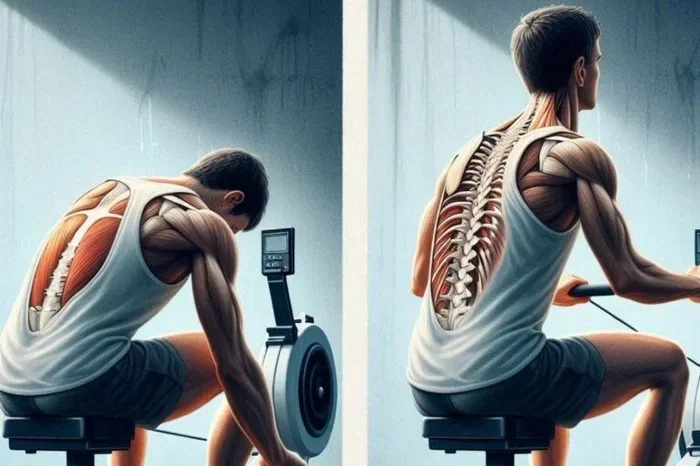
However, the rowing machine can put stress on your lower back if you use poor form. Rounding your back during the rowing stroke can lead to discomfort or injury over time. The exercise bike keeps your spine in a supported, seated position, which is easier on your back.
Quick Tip: Always maintain a straight back on the rowing machine. Engage your core, and do not hunch forward. If you have existing back problems, consult a doctor before starting a rowing routine.
How a Rowing Machine Works
Understanding how a rowing machine works helps you get the most out of it. The rowing stroke has four distinct phases:
- The Catch: You start with your knees bent, arms extended, and lean slightly forward. This is the starting position.
- The Drive: You push with your legs, then pull the handle toward your lower chest. Your core stabilizes the movement.
- The Recovery: You extend your arms, lean forward, and bend your knees as you glide back to the catch position.
- The Finish: Your legs are extended, arms are pulled in, and you are in a slight lean back position.
This sequence creates a smooth, continuous motion that works your entire body. The beauty of rowing is that every stroke is a compound movement, meaning multiple muscle groups fire at the same time.
Rowing Technique Matters
Bad form on a rowing machine is the number one cause of injury. Many beginners pull with their arms too early or round their backs. This takes the work away from the legs and puts unnecessary strain on the lower back.
Think of the drive as a sequence: legs push first, then the torso opens, and finally the arms pull. On the recovery, the order reverses. Arms extend, torso leans forward, then knees bend. Master this sequence, and you will row more effectively and safely.
If you want to improve your technique, consider checking out is a rowing machine better than an exercise bike for more detailed guidance on proper form and machine selection.
How a Bike (Exercise Bike) Works
An exercise bike is straightforward. You sit on the seat, pedal with your legs, and adjust the resistance to match your fitness level. There are several types of exercise bikes:
- Upright Bikes: Mimic a traditional bicycle. You sit upright and pedal. They work your quads and glutes intensely.
- Recumbent Bikes: Have a reclined seat with a backrest. They are easier on the back and put less pressure on your knees.
- Spin Bikes: Designed for intense, standing cycling workouts. They closely simulate outdoor biking.
Each type offers a slightly different experience. The upright bike is the most popular for home use because it is compact and effective. The recumbent bike is ideal for those with back or joint issues. Spin bikes are great for high-intensity interval training.
When comparing a rowing machine to a bike, remember that the bike keeps you in a seated position the entire time. Your upper body stays mostly inactive. This is not a bad thing, but it does mean fewer muscles are working during your session.
For more on how bikes stack up against other equipment, you might find it helpful to read is a rowing machine better than a stationary bike to understand the differences between bike types.
Which Machine Burns More Calories?
Calorie burn is one of the main reasons people choose between a rowing machine and a bike. Let us look at the numbers more closely.
| Machine | Calories Burned (30 min, moderate) | Calories Burned (30 min, vigorous) |
|---|---|---|
| Rowing Machine | 250-350 | 400-600 |
| Exercise Bike | 200-300 | 350-500 |
These numbers vary based on your weight, age, and intensity level. But the trend is clear: the rowing machine tends to burn more calories because it engages more muscles.
If weight loss is your primary goal, a rowing machine gives you more bang for your buck. You can burn significant calories while also building muscle. An exercise bike is still effective for weight loss, especially if you maintain a consistent routine and push yourself with higher resistance or interval training.
HIIT Workouts on Both Machines
High-intensity interval training (HIIT) is a popular way to maximize calorie burn in less time. Both machines support HIIT workouts effectively.
On a rowing machine, you might alternate between 30 seconds of all-out effort and 60 seconds of easy rowing. On a bike, you can do the same with sprints and recovery pedals. HIIT on either machine keeps your metabolism elevated long after your workout ends.
For those interested in indoor cycling workouts, check out is an exercise bike better than a rowing machine to see the other side of the comparison.
Which One Is Right for You?
The answer to “is a rowing machine better than a bike” depends on your personal situation. Let us break it down by different scenarios.
Choose a Rowing Machine If:
- You want a full-body workout that builds muscle and cardio fitness together.
- You are focused on calorie burning and weight loss.
- You have healthy joints but want a challenging, dynamic workout.
- You enjoy varied movements rather than repetitive pedaling.
- You have the space for a larger piece of equipment.
Choose an Exercise Bike If:
- You want a simple, low-impact cardio workout.
- You have knee or back issues that make rowing uncomfortable.
- You prefer a seated, easy-to-learn exercise motion.
- You have limited space in your home gym.
- You want to focus on leg toning and lower body endurance.
Both machines are excellent choices for improving your cardiovascular health. Consistency matters more than which machine you pick. The best machine is the one you will actually use.
Consider Your Fitness Goals
Think about what you want to achieve. If you want to build strength and burn fat, go with the rowing machine. If you want a gentle, steady cardio session that is easy on your body, the bike is a great choice. Many fitness enthusiasts own both and alternate between them for variety.
For more insights on choosing between these machines, explore which is better a rowing machine or exercise bike for additional expert perspectives.
Common Mistakes to Avoid
Whether you choose a rowing machine or a bike, avoiding common mistakes will help you get better results and stay injury-free.
On the rowing machine:
- Rounding your back during the stroke. Always keep your spine neutral.
- Pulling with your arms too early. Let your legs do the work first.
- Using too much resistance too soon. Start light and build up gradually.
- Slouching at the end of the stroke. Sit tall and engage your core.
On the exercise bike:
- Setting the seat too low or too high. Your knee should have a slight bend at the bottom of the pedal stroke.
- Hunching over the handlebars. Keep your back straight and shoulders relaxed.
- Skipping warm-ups. Always start with a few minutes of easy pedaling.
- Staying at the same resistance the entire workout. Mix up your intensity.
Avoiding these mistakes will make your workouts more effective and enjoyable. Proper form and smart programming are the keys to long-term progress.
Final Verdict: Is a Rowing Machine Better Than a Bike?
So, is a rowing machine better than a bike? The honest answer is: it depends on what you are looking for.
If you want the most efficient full-body workout that burns the most calories and builds strength, the rowing machine is the better choice. It engages more muscles, torches calories, and delivers a dynamic training experience that keeps your body guessing.
If you want a simple, low-impact machine that is easy to use, gentle on your joints, and perfect for steady-state cardio, the exercise bike is hard to beat. It is accessible, comfortable, and effective for people of all fitness levels.
Both machines are fantastic additions to any home gym. The best machine is the one that aligns with your fitness goals, fits your space, and keeps you motivated to show up and work out consistently.
Start with the machine that excites you the most. Motivation is the biggest factor in long-term success. You can always add the other machine later to mix up your routine and target different muscle groups.
Remember, the rowing machine vs bike debate is not about declaring a winner. It is about finding the right tool for your fitness journey. Whichever you choose, commit to using it regularly, focus on proper form, and enjoy the process of getting stronger and healthier.
Frequently Asked Questions
Is a rowing machine better than a bike for weight loss?
A rowing machine generally burns more calories per session because it engages your entire body. This makes it slightly more effective for weight loss. However, an exercise bike can also support weight loss when used consistently with a balanced diet and regular routine.
Can I use a rowing machine every day?
Yes, you can use a rowing machine daily, especially at moderate intensity. However, if you are doing high-intensity or long sessions, give your muscles time to recover. Listen to your body and avoid overtraining to prevent joint or back strain.
Which is easier on the knees, a rowing machine or a bike?
Both are low-impact machines that are gentle on the knees. An exercise bike may be slightly easier on the knees because the motion is smooth and seated. A rowing machine is also knee-friendly as long as you use proper form and do not lock your knees at the end of each stroke.
How long should I row or bike for a good workout?
Aim for at least 20 to 30 minutes per session for meaningful cardiovascular benefits. Beginners can start with 15 minutes and gradually increase the duration. Adding interval training can help you get more done in less time on either machine.
Is an exercise bike good for seniors?
Yes, an exercise bike is an excellent choice for seniors. It is low-impact, easy to use, and gentle on the joints. A recumbent bike is especially comfortable because it provides back support and a wider seat for added stability.
Can a rowing machine help with back pain?
A rowing machine can strengthen the muscles that support your back, which may help with chronic back pain. However, poor rowing form can make back pain worse. Always maintain a neutral spine and consult a doctor if you have existing back issues before starting a rowing routine.
=== CONCLUSION ===
Choosing between a rowing machine and a bike comes down to your personal fitness goals, physical needs, and preferences. The rowing machine delivers a powerful full-body workout that builds strength and burns calories efficiently. The exercise bike offers a comfortable, low-impact cardio session that is easy to sustain over time. Both machines have earned their place in home gyms around the world.
Now that you have all the information, you can make a confident choice. Pick the machine that matches your goals, fits your space, and keeps you motivated. The best workout is the one you actually do. Start today, stay consistent, and enjoy the journey to a healthier, stronger you.