Is a Rowing Machine Better Than an Exercise Bike

Choosing between a rowing machine and an exercise bike depends on your fitness goals, joint health, and space. If you want full‑body conditioning and higher calorie burn, a rowing machine often leads the pack; if you prefer low‑impact cardio and a smaller footprint, an exercise bike may be the smarter pick.
Key Takeaways
- Full‑body workout: Rowing engages legs, core, and arms, while a bike focuses mainly on the lower body.
- Calorie burn: Rowers typically burn 10‑20% more calories per hour than bikes at comparable effort.
- Joint impact: Both are low‑impact, but the bike is gentler on the lower back and hips for many users.
- Space & cost: Exercise bikes are usually smaller and cheaper; premium rowers can be larger and pricier.
- Learning curve: Rowing technique takes practice; biking is intuitive for most beginners.
- Versatility: Rowers offer both cardio and strength; bikes excel at steady‑state endurance.
- Goal alignment: Match the machine to your primary goal—weight loss, muscle tone, or cardiovascular health.
📑 Table of Contents
Introduction: Why the Debate Matters
When you walk into a gym or browse online, you’ll see two familiar silhouettes: a sleek, upright exercise bike and a sturdy, sliding rowing machine. Both promise a great cardio session, but they feel very different. One mimics the smooth glide of a boat; the other replicates the rhythm of cycling. Deciding which is “better” isn’t about picking a winner—it’s about matching the machine to your body, your schedule, and your goals.
In this article we’ll break down every angle that matters: calorie burn, muscle activation, joint stress, cost, space, and even the mental side of the workout. By the end, you’ll know exactly when a rowing machine is the right choice and when an exercise bike should take the front seat.
1. How the Two Machines Work
Rowing Machine Mechanics
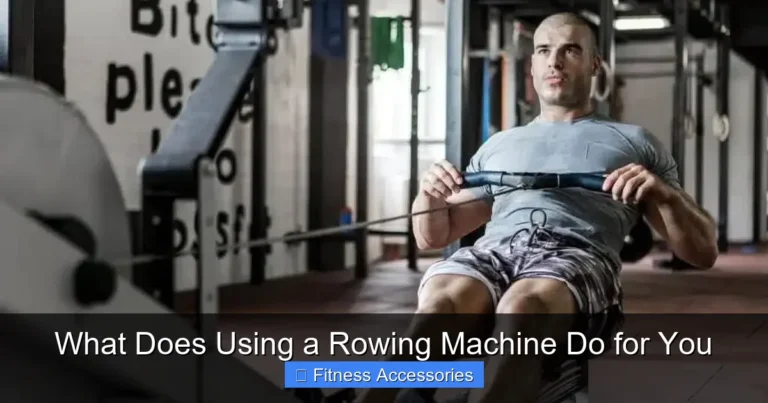
A rowing machine (or “erg”) uses a flywheel, magnetic resistance, or water tank to create resistance. When you push the foot‑rests, your legs extend, the seat slides forward, and the handle is pulled toward your chest. The motion follows a sequence: catch, drive, finish, and recovery. This sequence engages the legs, hips, core, back, and arms in a single, fluid movement.

Visual guide about Is a Rowing Machine Better Than an Exercise Bike
Image source: healthconstitution.com.au
Exercise Bike Mechanics
An exercise bike keeps you seated while your feet turn a crank attached to a resistance system—magnetic, friction, or fan‑based. You pedal in a circular motion, focusing mainly on the quadriceps, hamstrings, glutes, and calves. Some bikes add moving handlebars for an upper‑body stretch, but the primary effort stays in the lower body.
Key Mechanical Differences
- Movement pattern: Rowing is linear (push‑pull); biking is circular.
- Resistance type: Rowers can mimic water resistance for a realistic feel; bikes often use magnetic brakes for quiet operation.
- Seat mobility: Rowers have a sliding seat; bikes have a fixed seat.
2. Calorie Burn & Cardiovascular Benefits
Numbers on the Scale
Studies consistently show that a 155‑lb person burns roughly 600‑800 calories per hour on a rowing machine at a vigorous pace, compared with 500‑650 calories on an exercise bike at a similar heart‑rate zone. The difference comes from the extra muscle groups recruited during rowing.

Visual guide about Is a Rowing Machine Better Than an Exercise Bike
Image source: treadmillreviewguru.com
Heart Rate Zones
Both machines can keep you in the optimal aerobic zone (70‑85% of max HR). Rowers often push you into the anaerobic threshold faster because the full‑body effort spikes heart rate quicker. If you enjoy interval training, a rowing machine can deliver rapid bursts of high intensity with short recovery.
Practical Example
Try a 20‑minute HIIT session on each machine. On the rower, alternate 40 seconds of hard rowing with 20 seconds of easy recovery. On the bike, do 30 seconds of sprinting followed by 30 seconds of easy pedaling. You’ll likely notice a higher perceived exertion on the rower, even though the HR readings may be similar.
3. Muscle Activation & Strength Gains
Full‑Body Engagement
Rowing activates the legs (40% of power), the core (30%), and the upper body (30%). This balanced activation means you can build strength while getting cardio. Over time, regular rowing can improve posture, enhance back strength, and tone the arms.

Visual guide about Is a Rowing Machine Better Than an Exercise Bike
Image source: shop.vescape.com
Lower‑Body Focus on the Bike
Exercise bikes target the quadriceps, hamstrings, glutes, and calves. While you can increase resistance to build muscular endurance, the upper body remains largely passive unless you use a dual‑action bike with moving handlebars.
Strength‑Oriented Tips
- Rowing: Add “power strokes” (slow, heavy pulls) for 5‑10 seconds every few minutes to build raw strength.
- Bike: Use hill‑climb programs or increase resistance to 70‑80% of your max for 2‑minute bursts.
4. Joint Impact & Injury Risk
Low‑Impact Nature of Both
Both rowing and cycling are classified as low‑impact because your feet never leave the foot‑rests or pedals. This makes them ideal for people with joint concerns, such as arthritis or previous knee surgery.
Where the Bike Wins
The seated position of an exercise bike reduces strain on the lower back and hips. If you have chronic lower‑back pain, a bike with a well‑adjusted seat height and forward tilt can be more comfortable.
Where the Rowing Machine Shines
Proper rowing technique protects the spine. The slide of the seat encourages a natural hip hinge, which can strengthen the lumbar region when done correctly. However, a poor technique—especially “over‑reaching” with the arms—can cause shoulder or lower‑back discomfort.
Tips for Joint Safety
- Warm up with 5 minutes of gentle rowing or easy pedaling.
- Keep a slight bend in the knees on the bike; avoid locking them.
- On the rower, focus on driving with the legs first, then lean back slightly, and finally pull the handle.
5. Space, Cost, and Practical Considerations
Footprint Comparison
A standard upright exercise bike occupies roughly 2 ft × 4 ft of floor space. A rowing machine, when stored upright, needs about 2 ft × 6 ft, and it must be laid flat for use. If you have a small apartment, the bike often fits more easily.
Price Ranges
- Exercise bikes: $200‑$2,000 (basic models to high‑end smart trainers).
- Rowing machines: $300‑$3,500 (air, magnetic, and water‑resistance models).
Both categories have budget‑friendly options, but premium rowers with water tanks tend to be pricier.
Noise Level
Magnetic rowers and most exercise bikes operate quietly. Air‑rowers and fan‑based bikes can be louder, which matters if you live in an apartment.
Maintenance
Rowers with chains or belts need occasional tension checks; water‑rowers require occasional cleaning of the tank. Bikes mainly need pedal and resistance‑unit checks. Neither is high‑maintenance compared with treadmills.
6. Which One Fits Your Goals?
Goal #1: Weight Loss
Because rowing burns slightly more calories per minute and engages more muscle groups, it can give a marginal edge for fat loss—especially when paired with interval training.
Goal #2: Building Muscular Endurance
If you want stronger legs and glutes without adding much upper‑body bulk, the bike’s focused lower‑body load is perfect. Add resistance climbs to boost endurance.
Goal #3: Rehabilitation & Low‑Impact Cardio
For gentle joint rehab, the exercise bike’s seated posture is often recommended. However, a rower can be safe too if the therapist approves proper technique.
Goal #4: Sport‑Specific Training
Rowers benefit cyclists, runners, and swimmers by developing a strong posterior chain. Bikers excel for cyclists and triathletes needing to simulate road riding.
Decision‑Making Checklist
- Do you need a full‑body workout? → Rowing machine.
- Is space a premium? → Exercise bike.
- Do you have lower‑back issues? → Exercise bike (or ensure perfect rowing form).
- Are you training for a rowing competition? → Obviously, a rower.
- Do you love data and interactive classes? → Both have smart models; choose the one you’ll enjoy using daily.
Conclusion: No One‑Size‑Fits‑All Answer
In the end, the question “Is a rowing machine better than an exercise bike?” doesn’t have a single answer. If you crave a full‑body, high‑calorie burn that also builds strength, the rowing machine often takes the lead. If you prefer a compact, ultra‑low‑impact cardio option that hones leg endurance, the exercise bike is the smarter investment.
The best approach is to align the machine with your personal goals, space, and budget. Many home gyms even combine both—using the bike for steady‑state cardio on busy days and the rower for interval bursts when time is short. Whichever you choose, consistency is the key that turns any piece of equipment into a powerful tool for health and fitness.
Frequently Asked Questions
Which machine burns more calories per hour?
At comparable effort levels, a rowing machine typically burns 10‑20% more calories per hour than an exercise bike because it engages both upper and lower body muscles.
Is rowing harder on the lower back?
Rowing can stress the lower back if technique is poor, but with a proper hip‑hinge movement it actually strengthens the lumbar area. The bike is generally gentler on the back.
Can I use a rowing machine for rehabilitation?
Yes, many physical therapists prescribe rowing for low‑impact, full‑body conditioning, provided the user learns correct form and starts with low resistance.
Do exercise bikes require a lot of maintenance?
Maintenance is minimal—periodic checks of the pedals, resistance unit, and occasional tightening of bolts. They are usually less upkeep‑intensive than rowers with chains or water tanks.
Which machine is more suitable for small apartments?
An upright exercise bike generally has a smaller footprint and can be stored upright, making it a better fit for tight spaces.
Do both machines offer interactive workout programs?
Modern models of both rowing machines and exercise bikes come with Bluetooth, app compatibility, and built‑in classes, so you can stream rides or rows just as easily.