What Is the Right Length for Jump Rope
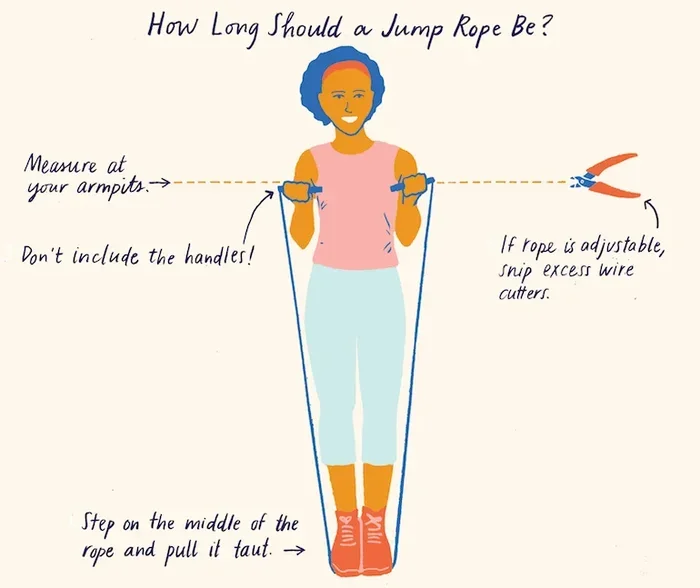
Finding the right length for a jump rope is the single most important step toward a safe, effective workout. A rope that’s too long forces you to jump higher and wastes energy, while one that’s too short can trip you up and cause injuries. This guide breaks down exactly how to measure and choose the perfect jump rope length for your height, skill level, and training goals so you can jump smarter from day one.
Key Takeaways
- Stand on the center: The rope should reach your armpits for the right length.
- Wrong length causes tripping: A too-long or too-short rope ruins your rhythm and form.
- Height matters: Taller jumpers need longer ropes, while shorter users require shorter ones.
- Choose adjustable ropes: They let you fine-tune the length quickly for a perfect fit.
- Test before every session: Always verify your rope length to ensure safe, effective training.
- Handle grip counts: Your hands should reach mid-chest when holding the rope handles firmly.
📑 Table of Contents
- Why Getting the Right Length for Your Jump Rope Matters
- How to Measure the Right Length for a Jump Rope
- Jump Rope Length by Height: Your Quick Reference
- Different Types of Jump Ropes and Their Ideal Lengths
- Common Mistakes When Choosing Jump Rope Length
- How to Adjust Your Jump Rope to the Perfect Length
- Final Thoughts on Finding Your Ideal Jump Rope Length
Why Getting the Right Length for Your Jump Rope Matters
Most people overlook one simple detail when starting a jump rope routine: the right length for jump rope training. It might sound like a small thing, but using a rope that is too long or too short can completely change how your workout feels. A rope that drags on the ground forces you to trip over it constantly. One that is too short hits your ankles and throws off your rhythm.
Finding the correct jump rope length is not just about comfort. It directly affects your speed, your form, and even how likely you are to stick with your fitness routine. When the rope fits your body, everything just clicks. Your turns are smoother, your jumps feel lighter, and you can focus on the workout instead of fighting the equipment.
In this guide, you will learn exactly how to measure the right length for a jump rope based on your height, your fitness goals, and the type of rope you use. We will walk you through simple methods, common mistakes, and practical tips that make a real difference. Whether you are a complete beginner or looking to fine-tune your setup, this article has you covered.
So before you spend money on a new rope or adjust your current one, take a few minutes to understand what goes into choosing the proper length. It is one of the easiest ways to improve your jump rope workout without doing anything else differently.
How to Measure the Right Length for a Jump Rope
Measuring your jump rope does not require fancy tools or a lot of experience. In fact, most people can figure out the proper jump rope length in under a minute. There are a few tried-and-true methods that work well for beginners and experienced athletes alike.
The Foot Pinch Method
This is the most popular way to check your jump rope length. Here is how it works:
- Stand on the center of the rope with both feet together.
- Pull the handles upward toward your armpits.
- The rope should fit snugly between your feet and your armpits without dragging on the ground.
If the handles reach your chest or higher, the rope is too short. If they fall well below your armpits, it is too long. The sweet spot is right around your armpit level. This method works for most people and gives you a solid starting point for the right size jump rope for me type of personal fit.
The Jump Test
Another easy way to check is to actually jump with the rope. Turn it slowly and see what happens:
- If the rope hits the ground before your feet, it is too long.
- If the handles bang into your sides or hips, it is too short.
- If the rope clears the ground and your wrists stay relaxed, you have found the correct length for a jump rope.
This method takes a bit more trial and error, but it closely mimics how the rope actually behaves during your workout. Many people combine this with the foot pinch method for the best results.
Using Your Height as a Guide
Your height is the single most important factor in determining the right length for jump rope use. Taller people naturally need longer ropes. Shorter people need ropes that are more compact. As a general rule, you can start by looking at a reference chart based on your height range, then fine-tune with the methods above.
Keep in mind that height charts give you an estimate. Your arm length, torso length, and personal preference also play a role. Two people who are the same height might prefer slightly different rope lengths based on their body proportions.
Jump Rope Length by Height: Your Quick Reference
To make things easier, here is a simple reference table based on height. Think of this as a starting point. You will still want to test the rope with the foot pinch or jump test for the most accurate fit.
| Your Height | Recommended Rope Length | Best For |
|---|---|---|
| Under 5’0″ (152 cm) | 8 feet (244 cm) | Shorter frames, beginners |
| 5’0″ to 5’4″ (152-163 cm) | 9 feet (274 cm) | Average height, general use |
| 5’5″ to 5’9″ (165-175 cm) | 10 feet (305 cm) | Most adults, standard fit |
| 5’10” to 6’1″ (178-185 cm) | 11 feet (335 cm) | Taller adults, longer reach |
| 6’2″ and above (188+ cm) | 12 feet (366 cm) | Very tall, extra-long ropes |
These numbers cover the most common what is the standard length of a jump rope sizes you will find on the market. If you fall between two sizes, go with the shorter option. You can always add length back, but cutting a rope too short is harder to fix unless you have an adjustable model.
Why Body Proportions Matter
Height alone does not tell the whole story. Someone with long arms and a short torso might need a slightly longer rope than the chart suggests. On the other hand, a person with a long torso and shorter arms might do better with a slightly shorter one. This is why the hands-on testing methods are so important. Use the chart as a baseline, then adjust based on how the rope feels during actual use.
Different Types of Jump Ropes and Their Ideal Lengths
Not all jump ropes are built the same. The type of rope you choose affects the ideal correct jump rope size for your body. Let us break down the most popular options and how length considerations change for each one.
Basic Bead Ropes
These are the classic ropes you see in school gyms. They use plastic beads threaded onto a cable. Bead ropes are forgiving when it comes to length. A rope that is slightly too long will still spin reasonably well because the beads add weight and momentum. These are great for beginners who are still figuring out their right length for jump rope needs.
Speed Ropes
Speed ropes are lightweight and designed for fast rotations. Because they spin quickly, even a small length difference matters more. A speed rope that is half an inch too long can drag and slow you down. If you use a speed rope for jump rope training or competitive fitness, take extra care to measure precisely. Go with the shorter end of your recommended range and test carefully.
Adjustable Jump Ropes
These are a lifesaver for people who are unsure about their ideal length. Adjustable jump rope models let you add or remove links on the cable, so you can dial in the perfect fit without guessing. They are perfect for shared equipment or for anyone who wants to experiment with different lengths for various workouts. If you are new to jumping rope, starting with an adjustable model is one of the smartest moves you can make.
Weighted Ropes
Weighted ropes have heavier cables or handles to add resistance. They are often used for cardio workout sessions and strength-focused routines. Because the extra weight keeps the rope moving, length is slightly less critical. However, a rope that is too long will still pull on your wrists and create unnecessary strain. Use the foot pinch method and adjust from there.
Common Mistakes When Choosing Jump Rope Length
Even people who are serious about fitness make avoidable mistakes when setting up their rope. Here are the most frequent ones to watch out for:
Guessing Instead of Measuring
This is the number one error. Many people pick a rope off the shelf and assume it will work. The truth is, a rope that does not fit your body will slow you down and make the workout frustrating. Take five minutes to measure properly. Your jump rope fitness journey starts on the right foot when you get the length dialed in.
Ignoring the Rope Type
As we covered above, different ropes behave differently. Using a length chart designed for a basic bead rope on a speed rope can leave you with the wrong fit. Always consider the rope style when determining the proper length of a jump rope for your specific situation.
Cutting the Rope Too Short
Some people trim the rope to what they think is the perfect size on the first try. This is risky. Always start slightly longer than you think you need. You can always shorten it later. Once you cut it, there is no going back unless you have a connector or splice kit on hand.
Forgetting Arm Position
Your elbows should stay close to your sides while jumping. If your rope handles are too far apart, your elbows flare out, which wastes energy and ruins your form. The right length keeps your elbows tucked and your movements tight. Good jump rope form starts with the right setup.
Not Re-Measuring After Changes
If you switch shoes, change your jumping style, or swap handles, recheck your rope length. Thick sneakers add height, which means you may need a slightly longer rope. These small shifts can make a big difference over time.
How to Adjust Your Jump Rope to the Perfect Length
Once you know the right length for jump rope use based on your body and preferences, it is time to make the adjustment. Here is a simple step-by-step process:
- Start with the foot pinch method. Stand on the center of the rope and pull the handles up. Check where they land relative to your armpits.
- Mark your ideal length. If your rope has adjustable links, count how many links you need. Take a photo or write down the measurement so you remember.
- Make the adjustment. For adjustable ropes, open the clasp, add or remove links, and close it back up. For fixed-length ropes, you may need to cut the cable (only after you are sure of the measurement).
- Test it out. Do a few minutes of jumping. Pay attention to how the rope clears the ground and how your wrists feel. Make small adjustments if needed.
- Lock it in. Once you are happy, make sure all clasps and screws are tight. A loose connection can cause the rope to come apart mid-jump, which is the last thing you want during a workout.
Quick Tips for Beginners
- When in doubt, go a little longer. Extra length is easier to manage than short rope that hits your feet.
- Practice with the rope turning slowly before picking up speed. This gives you time to feel the length.
- If you plan to learn double unders or other advanced moves, consider a slightly shorter rope. It spins faster and gives you more clearance for your feet.
- Keep your rope stored properly so the length does not shift or get tangled. A coiled rope in a bag stays reliable over time.
A Note on Weight and Height Together
Your weight matters too, not just your height. Heavier individuals sometimes prefer a slightly longer rope because it gives them more room for larger jumps. Lighter jumpers often do well with a snugger fit. Think of the right size jump rope for me question as something that involves both your height and how your body moves through space. Do not rely on height alone if your build is outside the average range.
Final Thoughts on Finding Your Ideal Jump Rope Length
Getting the right length for jump rope use is one of those small details that makes a huge impact. A properly sized rope feels effortless to turn, keeps your wrists relaxed, and lets you focus on your workout instead of fighting the equipment. Whether you are just starting out or you have been jumping for a while, taking the time to measure and adjust your rope pays off immediately.
Remember, there is no single perfect length that works for everyone. Your height, body proportions, rope type, and fitness goals all factor in. Use the foot pinch method, the jump test, and the height chart together for the best results. If you are unsure, an adjustable jump rope gives you the flexibility to experiment until you find your sweet spot.
Now that you know how to measure, adjust, and avoid common mistakes, you are ready to get the most out of every session. A well-fitted rope turns a good workout into a great one. Take the time to set it up right, and your body will thank you with every jump.
Frequently Asked Questions
What Is the Right Length for Jump Rope Based on Your Height?
The ideal rope length depends on your height and skill level. Generally, you should stand on the middle of the rope and pull the handles up — the ends should reach your armpits. This guideline helps beginners and advanced athletes alike find their perfect fit.
How Do You Measure the Correct Jump Rope Length at Home?
To measure your jump rope length, step on the center of the cable with one foot and pull both handles upward. The handles should reach your chest or armpits for a comfortable workout. If the rope feels too long or too short, adjust it by cutting or using a longer rope.
Can Using the Wrong Jump Rope Length Cause Injuries?
Yes, an incorrectly sized rope can lead to tripping, ankle strain, or poor posture. A rope that is too long may drag on the ground and cause you to trip frequently. On the other hand, a rope that is too short forces you to jump higher than necessary, which puts extra stress on your joints.
Should Beginners Choose a Longer or Shorter Jump Rope?
Beginners often benefit from a slightly longer rope because it gives them more time to react and coordinate their jumps. As you build confidence and rhythm, you can switch to a shorter rope that matches your height more precisely. Starting with the right length helps you develop proper technique from day one.
How Does Jump Rope Length Affect Your Workout Performance?
The correct rope length lets you maintain a steady cadence without wasting energy. A well-fitted rope reduces drag and allows for smooth, consistent rotations. This means you can focus on your form and endurance instead of constantly fixing tangled or dragging cables.
What Is the Right Length for Jump Rope for Different Activities Like Boxing or CrossFit?
Boxers and CrossFit athletes often prefer a slightly shorter rope for faster rotation and tighter control. The standard rule still applies — stand on the center and pull the handles up to your armpits or chest. However, experienced athletes may shorten the rope a bit more to increase speed during high-intensity training sessions.