Is a Rowing Machine Ok for Bad Knees
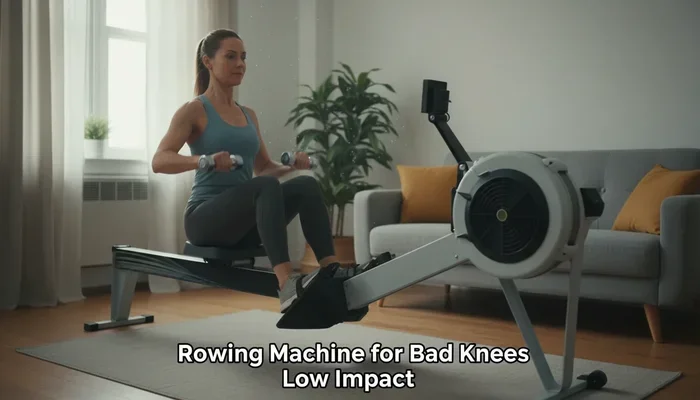
Yes, a rowing machine can be ok for bad knees when used correctly. It is a low impact exercise that strengthens the muscles around your joints without pounding them. This guide covers proper rowing form, knee-friendly techniques, and expert tips to help you work out safely with knee pain or after knee surgery.
Dealing with bad knees can make choosing the right workout feel overwhelming. You want to stay active, but every jump or run seems to make the pain worse. So, is a rowing machine ok for bad knees? The short answer is yes — and it might just become your favorite low impact exercise.
Rowing machines have grown in popularity because they offer a full cardio workout without pounding your joints. Whether you are recovering from a knee injury, managing chronic knee pain, or simply looking for a knee-friendly workout, indoor rowing could be the answer. In this article, we will break down everything you need to know about using a rowing machine with bad knees safely and effectively.
Key Takeaways
- Rowing is low impact: Unlike running or jumping, a rowing machine puts minimal stress on your knee joints, making it a knee-friendly workout.
- Proper form is essential: Using the correct rowing technique prevents knee strain and maximizes the benefits of each stroke.
- Start with low resistance: Begin at a gentle resistance level and gradually increase as your knees feel stronger and more comfortable.
- Strengthens muscles around the knee: Rowing builds strength in your quads, hamstrings, and calves, which supports joint stability and reduces pain.
- Great alternative to running: If high-impact cardio hurts your knees, rowing offers an effective joint-friendly exercise option.
- Consult a doctor first: Always check with a healthcare professional before starting a new workout routine, especially with existing knee injuries or post-knee replacement.
- Adjust your seat and foot straps: Proper setup of the rowing machine helps align your knees and prevents unnecessary pressure during each stroke.
📑 Table of Contents
- Why Rowing Is Considered a Knee-Friendly Exercise
- Is Rowing Safe If You Already Have Knee Pain?
- How to Use a Rowing Machine Safely with Bad Knees
- Common Mistakes That Cause Knee Pain on a Rowing Machine
- Rowing vs. Other Exercises for Bad Knees
- Expert Tips for Knee-Friendly Rowing Workouts
- Who Should Avoid Rowing Machines Altogether?
- Final Thoughts: Is a Rowing Machine Ok for Bad Knees?
Why Rowing Is Considered a Knee-Friendly Exercise
Many people worry that any machine-based workout will hurt their knees. But rowing is different from running or cycling in important ways. Let us look at why rowing exercise gets a thumbs up for joint health.
The Low Impact Advantage
When you run or jump, your knees absorb a shock every single time your foot hits the ground. This is called high-impact exercise, and it can be brutal on damaged or weak knees. Rowing, on the other hand, is a non-weight-bearing exercise. Your feet stay seated, and your knees move through a smooth, gliding motion that avoids sudden jolts.
Because there is no ground impact, the joint-friendly nature of rowing makes it ideal for people with knee pain, arthritis, or those recovering from knee surgery. The movement flows in one direction, which reduces the twisting and jarring that often causes knee discomfort.
Muscles That Support Your Knees
One of the biggest benefits of a rowing machine workout is that it strengthens the muscles around your knees. Strong muscles act like a natural brace for your joints. Here are the key muscle groups that rowing targets:
- Quadriceps: The front of your thigh. These muscles help stabilize your kneecap during movement.
- Hamstrings: The back of your thigh. They work opposite the quads to balance your knee joint.
- Calves: Strong calves improve lower leg stability and reduce the load on your knees.
- Glutes: Your glute muscles support your entire lower body, taking pressure off your knees during exercise.
By strengthening all of these muscles, rowing helps create a more stable knee joint. Over time, this can actually reduce pain and improve mobility. For a deeper look at how rowing machines work for your entire body, check out our guide on Is a Rowing Machine a Good Total Body Workout.
Is Rowing Safe If You Already Have Knee Pain?
This is one of the most common questions people ask. The answer depends on the type and severity of your knee problem. Let us explore when rowing is safe and when you should be cautious.
When Rowing Is Generally Safe
Most people with mild to moderate knee pain can use a rowing machine safely. Here are some situations where rowing is often recommended:
- Mild arthritis: The smooth motion of rowing can actually help keep joints lubricated and reduce stiffness.
- Post-injury recovery: After a knee sprain or minor injury, rowing can help restore range of motion and rebuild strength.
- Post-knee replacement: Many physical therapists include rowing in rehabilitation programs because it is gentle yet effective.
- General knee soreness: If your knees hurt after running or other high-impact activities, rowing offers a pain-free alternative.
When to Avoid or Modify Rowing
There are also times when you should be careful or skip rowing altogether:
- Acute knee injury: If you have a fresh injury with swelling or sharp pain, rest first and consult a doctor.
- Severe arthritis: Advanced arthritis may make even low-impact movements painful. Listen to your body.
- Meniscus tears: Depending on the severity, rowing may aggravate a torn meniscus. Get medical advice first.
- Recent surgery: Always follow your doctor’s or physical therapist’s guidance before returning to exercise.
If you are unsure whether rowing is right for your specific condition, it is always best to check with a healthcare professional. They can assess your situation and give personalized advice. For more on how rowing affects different parts of your body, you might want to read about Is a Rowing Machine Good for a Bad Back, since back and knee health often go hand in hand.
How to Use a Rowing Machine Safely with Bad Knees
The key to a safe and effective rowing workout with bad knees comes down to proper technique and smart adjustments. Here is everything you need to know.
Master the Proper Rowing Form
Bad form is the number one cause of knee pain on a rowing machine. When you row correctly, the movement is smooth and controlled. When you row incorrectly, your knees take on unnecessary stress. Here are the basics of proper rowing form:
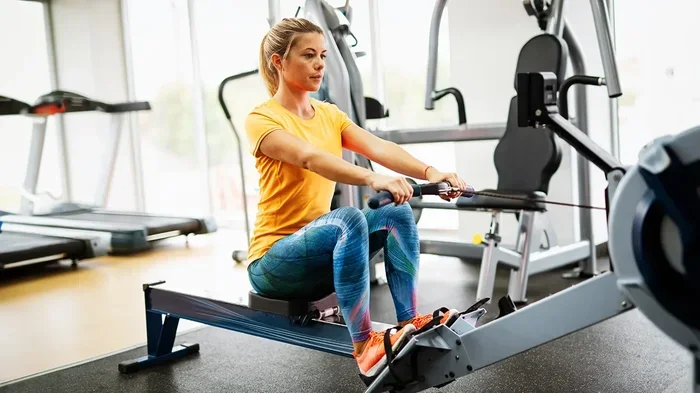
- Start with your shins vertical: When you reach forward, your shins should be perpendicular to the ground. If your knees slide too far past your toes, it puts extra pressure on the joint.
- Push with your legs first: The drive phase starts with your legs pushing, not your knees pulling. Think of pressing through your heels rather than bending your knees aggressively.
- Keep your knees aligned: Your knees should track in line with your feet. If they cave inward or splay outward, it can cause pain and long-term damage.
- Slow down the recovery: The return to the starting position should be controlled and steady. Rushing this phase can jar your knees.
Getting the form right takes practice. Start with short sessions and focus on technique over speed or resistance. For a detailed breakdown of the correct technique, read our article on What Is the Proper Form for a Rowing Machine.
Adjust Your Machine Setup
A poorly set up rowing machine can cause knee problems even if your form is perfect. Here are the key adjustments to make:
- Foot strap placement: The strap should sit across the balls of your feet, not too tight. This allows your heels to rise naturally during the stroke, which keeps your knees in a comfortable position.
- Seat height and rail: Make sure the seat glides smoothly and the rail is not bent or wobbly. A rough track can cause jerky movements that stress your knees.
- Resistance level: Start with the lowest or lightest resistance setting. You should be able to row for 10 to 15 minutes without any knee discomfort. Only increase resistance gradually over weeks.
- Damper setting: On air rowers, the damper controls how much air flows into the flywheel. A setting of 3 to 5 is usually ideal for a gentle, joint-friendly workout.
Start Slow and Build Up Gradually
If you are new to rowing or returning after a knee issue, do not jump into long, intense sessions. Follow this progression plan:
- Week 1: Row for 10 minutes at low resistance, focusing entirely on form.
- Week 2: Increase to 15 minutes, keeping resistance the same.
- Week 3: Try 20 minutes and slightly increase resistance if your knees feel good.
- Week 4 and beyond: Continue building duration and intensity based on comfort levels.
The golden rule is this: if your knees hurt during or after rowing, scale back immediately. Pain is your body telling you to adjust, not push through.
Common Mistakes That Cause Knee Pain on a Rowing Machine
Even with good intentions, many people make mistakes that lead to knee discomfort. Knowing what to avoid can save you a lot of pain and frustration.
Overloading the Drive Phase
Some people use too much force when pushing off with their legs. This sudden, explosive movement can strain the knee joint. Instead, focus on a smooth, steady push. The power should come from your legs and core working together, not from your knees alone.
Letting the Knees Collapse Inward
When tired, many rowers let their knees cave toward each other. This puts uneven stress on the ligaments and cartilage of the knee. Keep your knees tracking straight over your toes at all times. If you notice this happening, take a break and reset your form.
Using Too Much Resistance Too Soon
It is tempting to crank up the resistance to feel like you are getting a harder workout. But high resistance forces your knees to work much harder, which can quickly lead to pain or aggravation. Stick with light resistance and focus on consistency.
Skipping the Warm-Up
Cold muscles and stiff joints do not respond well to exercise. Always warm up for 5 to 10 minutes before rowing. Light stretching, walking, or easy rowing at a very low resistance will get your blood flowing and prepare your knees for the workout.
Rowing vs. Other Exercises for Bad Knees
How does rowing stack up against other popular forms of exercise for people with bad knees? Let us compare a few options.
| Exercise | Impact Level | Knee Stress | Cardio Benefit |
|---|---|---|---|
| Rowing Machine | Low | Minimal when form is correct | Excellent |
| Running / Jogging | High | High | Good |
| Cycling | Low | Moderate | Good |
| Elliptical | Low | Low to moderate | Good |
| Swimming | None | Very low | Excellent |
As you can see, rowing ranks very well for people with bad knees. It offers excellent cardio benefits with minimal knee stress. For more on how rowing compares to other machines, check out our comparison of Treadmill vs Rowing Machine: What Is a Better Workout.
Expert Tips for Knee-Friendly Rowing Workouts
Here are some practical tips from fitness experts to help you get the most out of your rowing sessions while keeping your knees happy.
- Focus on the drive-to-recovery ratio: Aim for a 1:2 rhythm. Push hard for one count, then take twice as long to return. This keeps the movement smooth and gentle on your joints.
- Engage your core: A strong core takes pressure off your knees. Before each stroke, brace your abdominal muscles as if someone is about to tap your stomach.
- Stay hydrated: Dehydration can make joints stiffer and more prone to discomfort. Drink water before, during, and after your workout.
- Ice your knees after exercise: If you feel any mild soreness, applying ice for 15 minutes can help reduce inflammation.
- Mix rowing with strength training: Strengthening the muscles around your knees with exercises like leg presses and wall sits can make your rowing sessions even more effective and protective.
- Listen to your body: This cannot be stressed enough. Some muscle soreness is normal, but sharp or persistent knee pain is not. Stop and rest if something feels wrong.
Who Should Avoid Rowing Machines Altogether?
While rowing is gentle on most knees, there are some situations where it is best to avoid it entirely:
- Recent knee replacement surgery: Wait until your surgeon or physical therapist clears you for exercise.
- Severe joint degeneration: If your knee is bone-on-bone and every movement causes sharp pain, rowing may not be appropriate.
- Unstable knee ligaments: Conditions like a torn ACL or MCL need careful management before any exercise machine is introduced.
- Uncontrolled swelling: If your knee is visibly swollen and warm to the touch, rest and seek medical advice before exercising.
In all of these cases, a doctor or physical therapist can recommend the best exercise for bad knees tailored to your specific condition. They may suggest alternatives like swimming or seated strength exercises until your knees are ready for rowing.
Final Thoughts: Is a Rowing Machine Ok for Bad Knees?
So, is a rowing machine ok for bad knees? The evidence and experience both point to a clear yes — with the right approach. Rowing is a low impact, knee-friendly exercise that strengthens the muscles supporting your joints, improves cardiovascular fitness, and can be adapted to virtually any fitness level.
The key is to start slowly, use proper rowing form, adjust your machine correctly, and listen to your body every step of the way. If you take these precautions, a rowing machine can become one of the best tools in your fitness routine, even with bad knees.
Remember, every person and every knee is different. What works for one person might not work for another. Be patient, be consistent, and most importantly, be kind to your body. With time and care, you can enjoy all the benefits of indoor rowing without putting your knees at risk.
Frequently Asked Questions
Can I use a rowing machine after knee replacement surgery?
Many people can return to rowing after knee replacement, but only with clearance from their doctor or physical therapist. Start with very low resistance and short sessions, and focus on gentle form. Always follow your medical professional’s specific recovery guidelines.
Does rowing make knee arthritis worse?
No, rowing typically does not make knee arthritis worse. In fact, the smooth, low-impact motion can help reduce stiffness and strengthen the muscles around the joint. However, if you experience increased pain during or after rowing, stop immediately and consult your doctor.
What resistance level is best for bad knees?
Start with the lowest resistance setting on your rowing machine. A damper setting of 3 to 5 on air rowers works well for most people with knee issues. Only increase resistance gradually, and only if your knees feel comfortable and pain-free during and after your session.
How long should I row if I have bad knees?
Begin with 10 to 15 minute sessions, two to three times per week. As your knees adapt and strengthen, you can gradually increase the duration to 20 to 30 minutes. Always stop if you feel sharp or persistent knee pain during your workout.
Is rowing better than walking for bad knees?
Both rowing and walking are excellent low-impact exercises, but rowing offers the advantage of being non-weight-bearing. This means your knees carry less load overall. Walking is also great, but for some people with severe knee pain, rowing may feel more comfortable and supportive.
What should I do if my knees hurt after rowing?
If your knees hurt after rowing, rest and apply ice for 15 to 20 minutes. Reduce your rowing time and resistance for the next session. If the pain persists or worsens, stop rowing and consult a healthcare professional to rule out any underlying issues.